

Spanish Social Media Comments: Compression, Irony, and Register
The reader can interpret comments without mistaking informal forms for random errors.
Long-form Spanish articles for learners who want structure, evidence, examples, and linguistic explanations that do not collapse into slogans.
18 articles tagged Culture & everyday life.
The reader can interpret comments without mistaking informal forms for random errors.

The reader can analyze proverbs as fixed expressions with grammar, history, and pragmatic force.
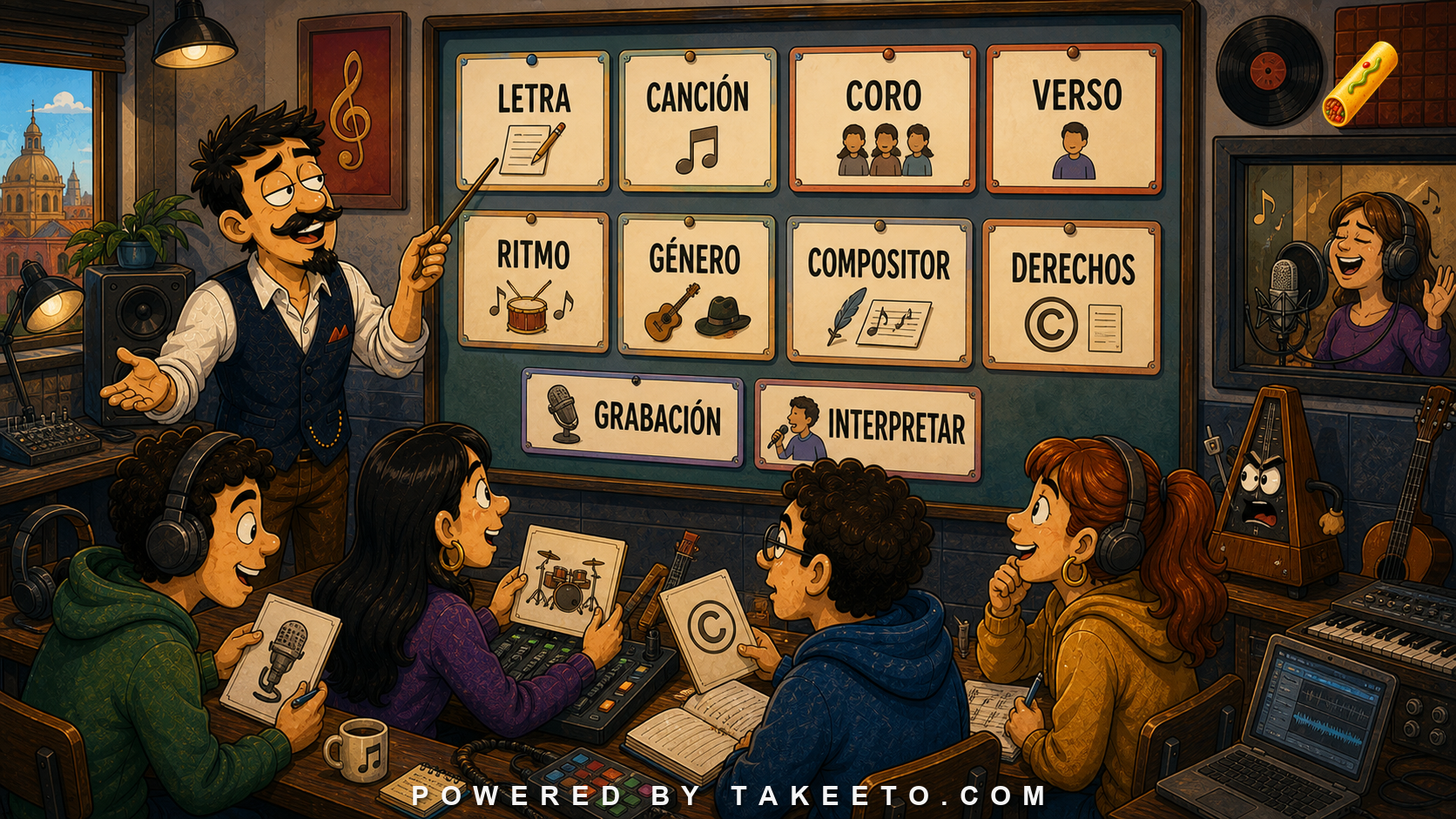
The reader can discuss music in Spanish beyond genre labels.
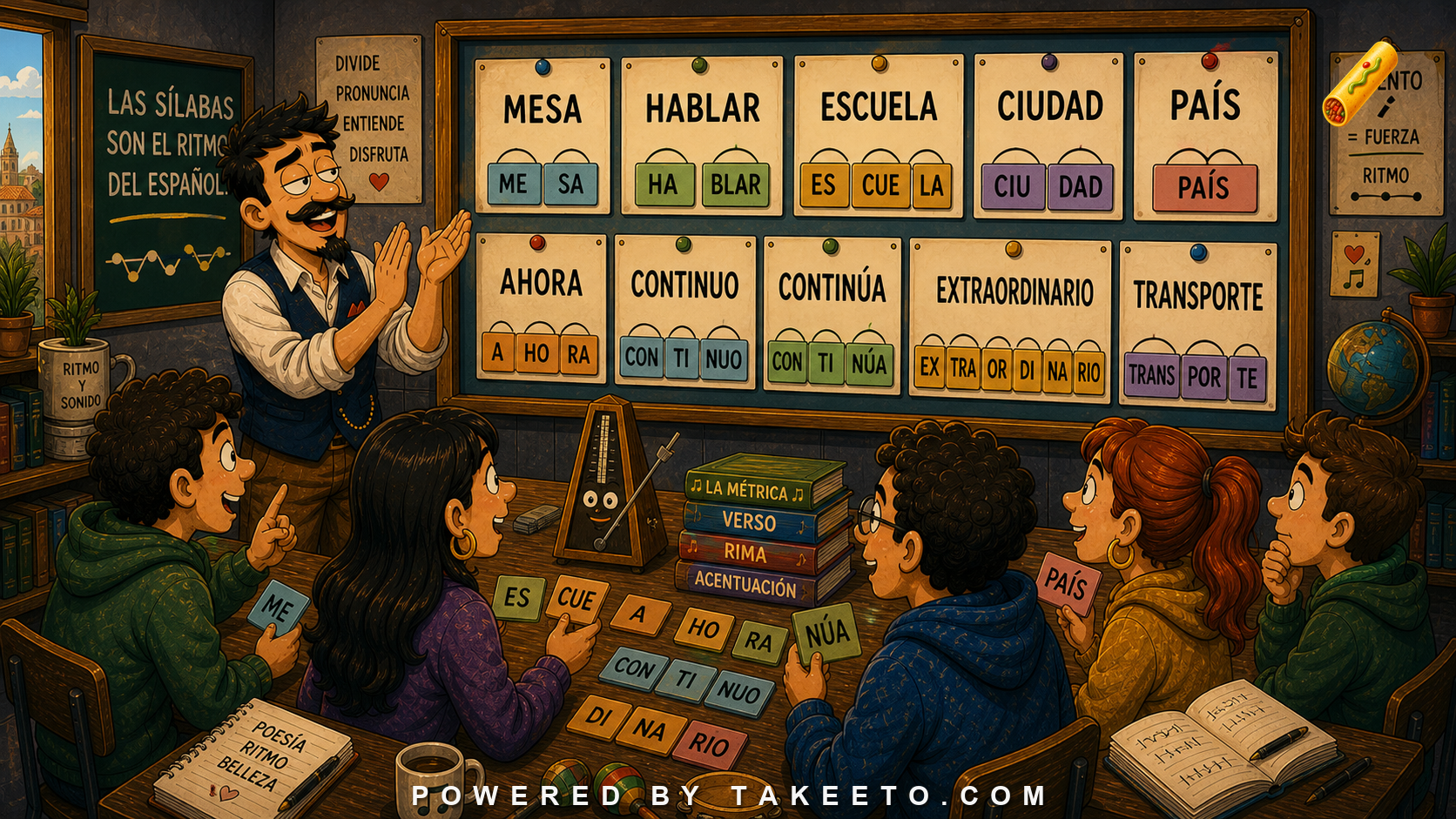
The reader can divide Spanish words into syllables and understand how syllable structure shapes stress and rhythm.

The reader can distinguish restaurant recommendation, complaint, platform review, and professional criticism in Spanish.
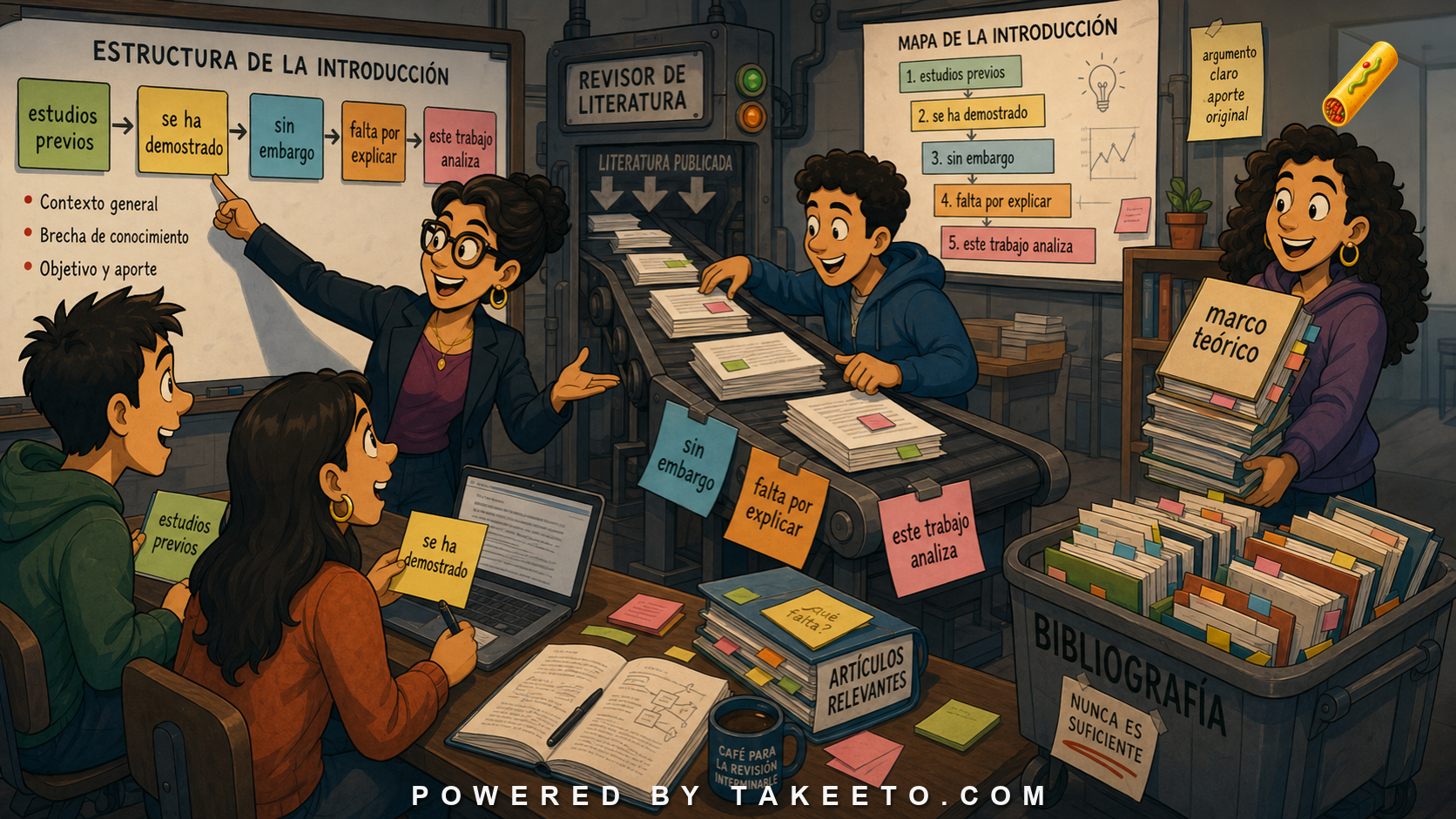
The reader can follow how Spanish academic articles establish a problem and prior research.
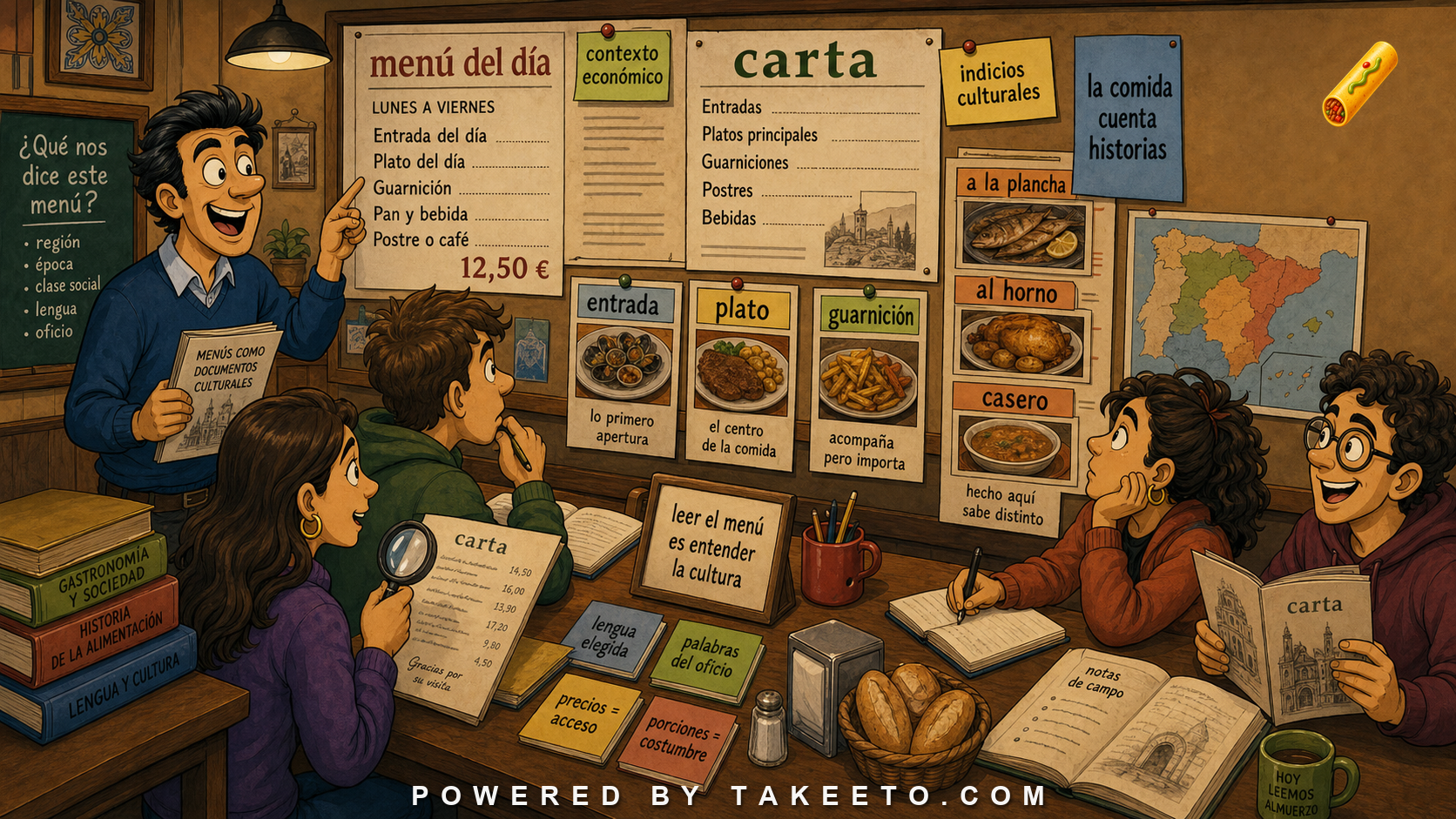
The reader can read menus as regional, economic, and linguistic artifacts, not just food lists.
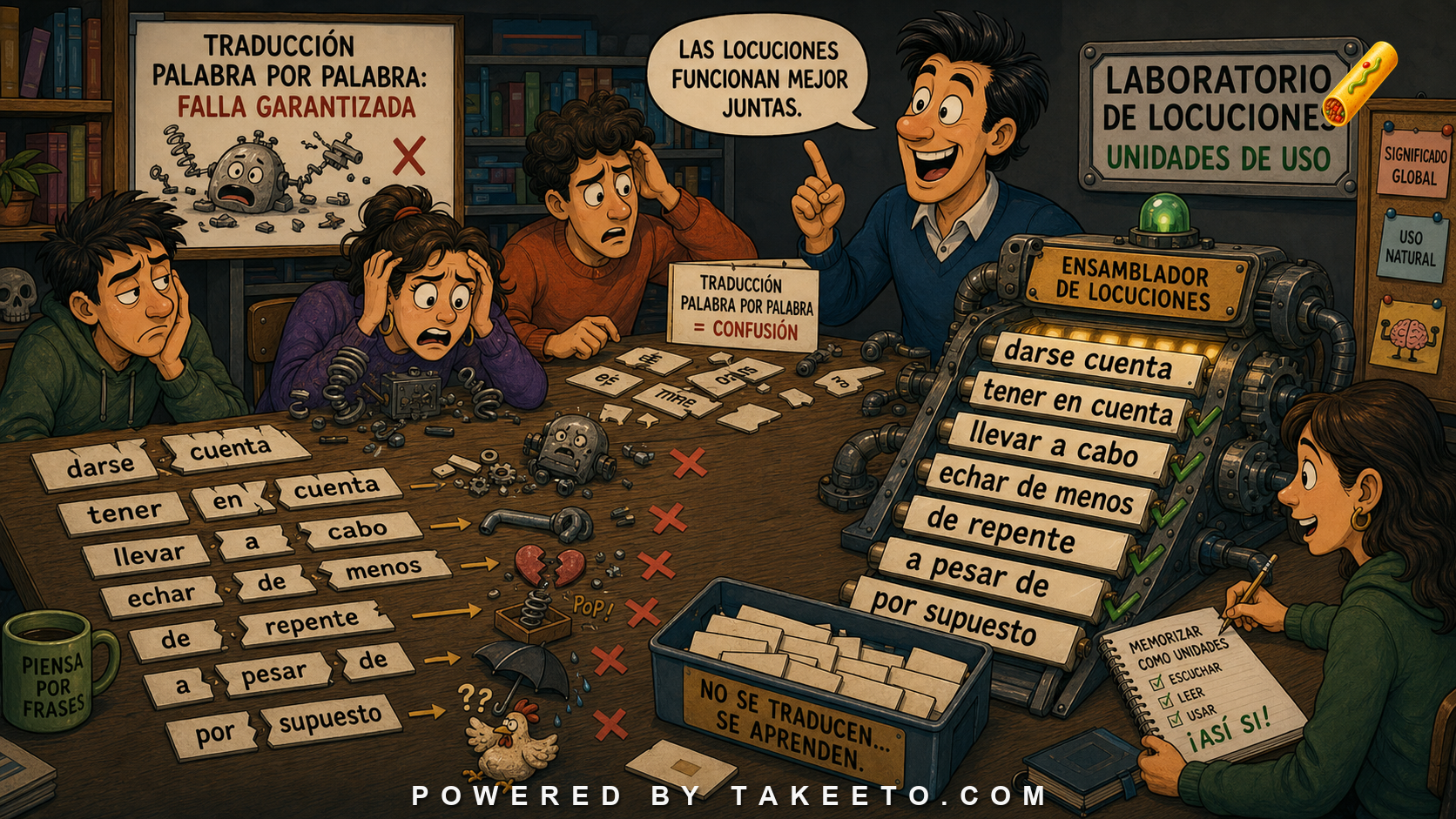
The reader can recognize fixed phrases and store them as units of use.
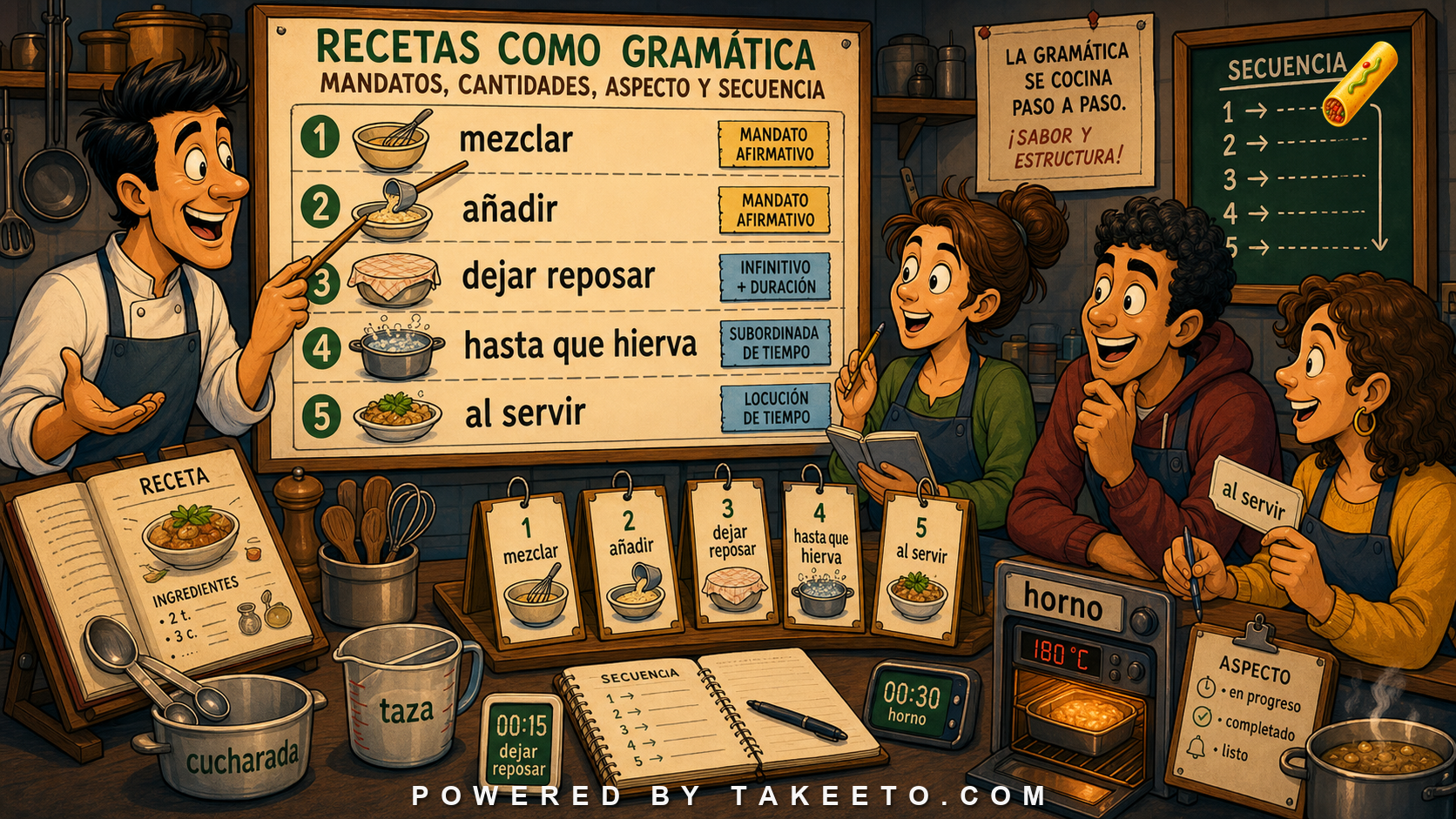
The reader can use recipes to study imperative, infinitive, and sequence structures.
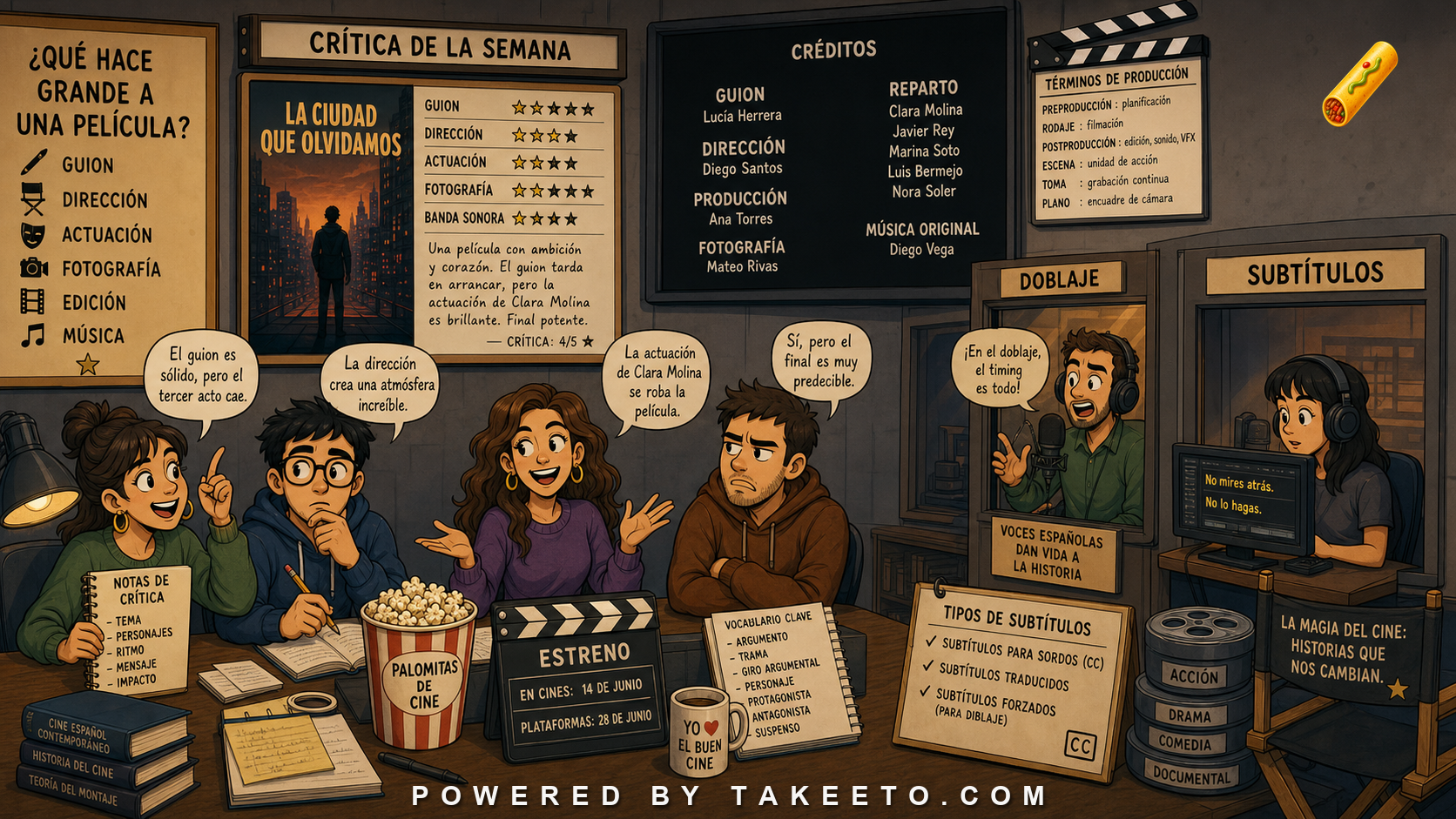
The reader can read reviews, credits, and production descriptions.
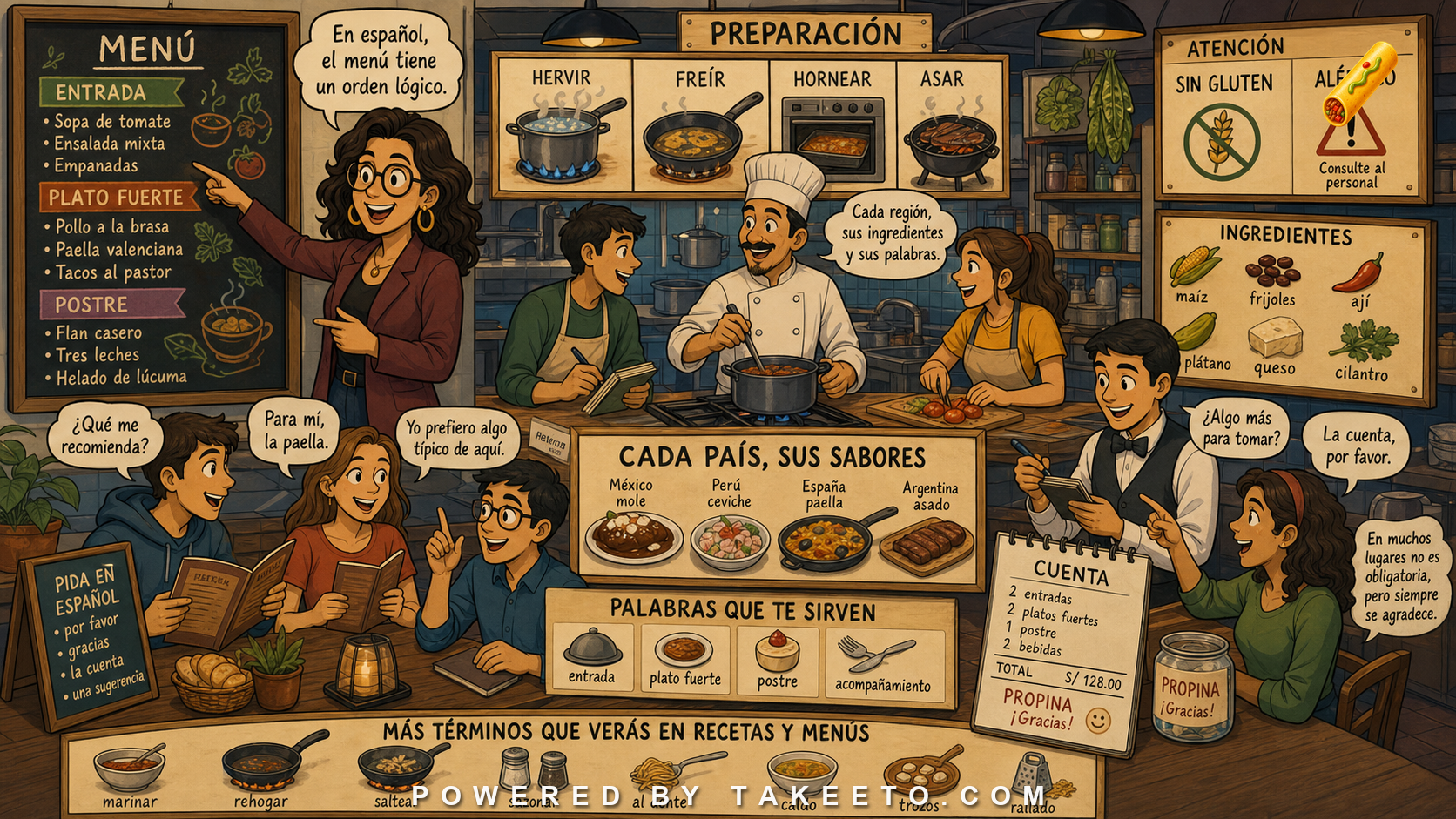
The reader can read menus and recipes with attention to regional variation.

The reader can parse Spanish gaming vocabulary and its heavy English contact.
The reader can read Spanish fiction with attention to tense, viewpoint, and style.
The reader can read and write basic literary criticism in Spanish.
The reader can handle travel Spanish in forms, notices, and unexpected changes.
The reader can approach Spanish poetry through sound structure, not only translation.

The reader can parse product descriptions, sizes, fabrics, fit, care instructions, and return-policy language.
The reader can read tourism Spanish critically as promotional place-making rather than neutral description.