
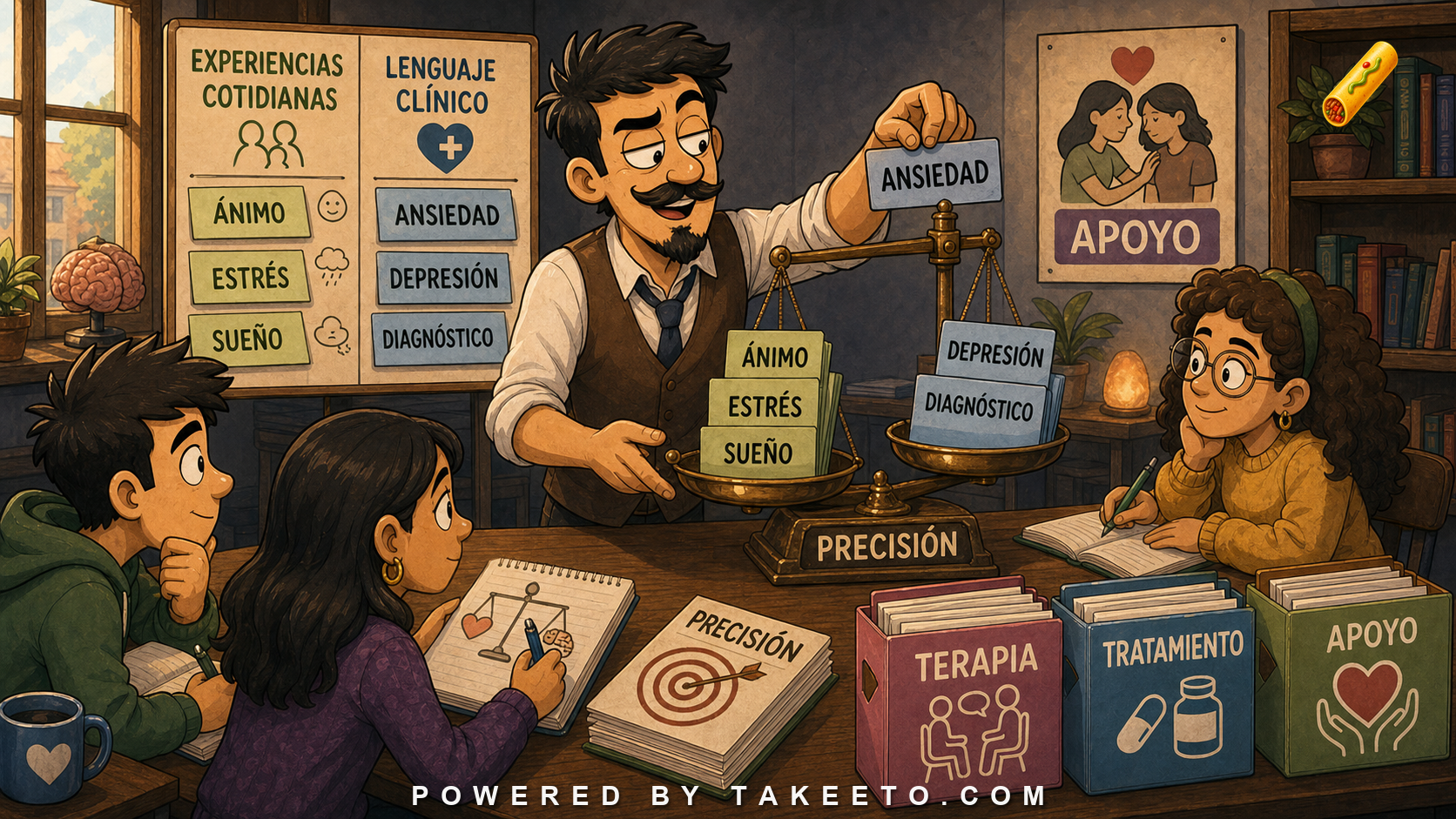
Mental Health Spanish: Symptoms, Diagnosis, and Stigma-Aware Language
The reader can distinguish careful mental-health vocabulary from casual misuse.
Long-form Spanish articles for learners who want structure, evidence, examples, and linguistic explanations that do not collapse into slogans.
103 articles tagged Domain literacy.
The reader can distinguish careful mental-health vocabulary from casual misuse.
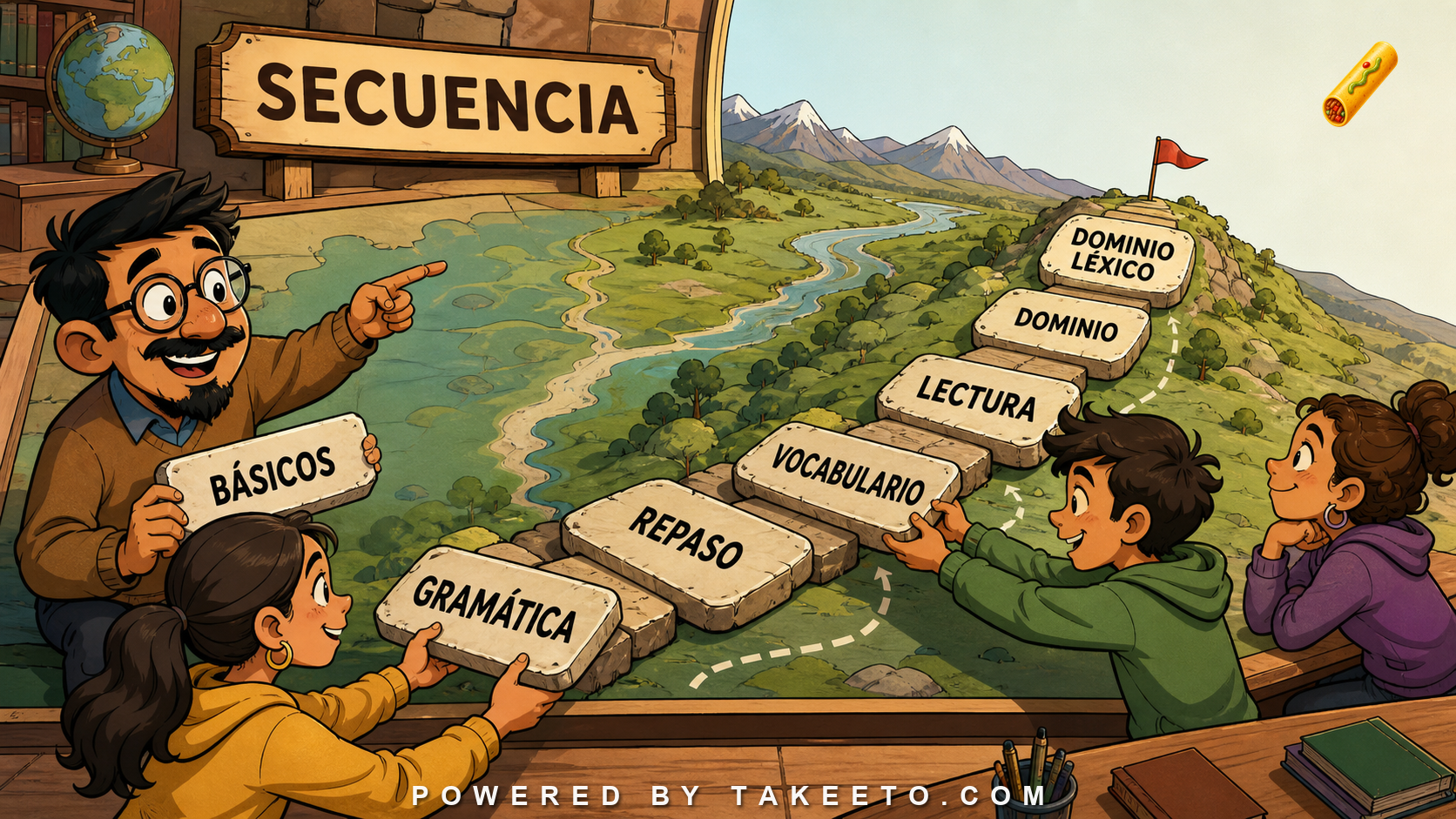
The reader can understand why a Spanish curriculum should progress from structure to text domains.
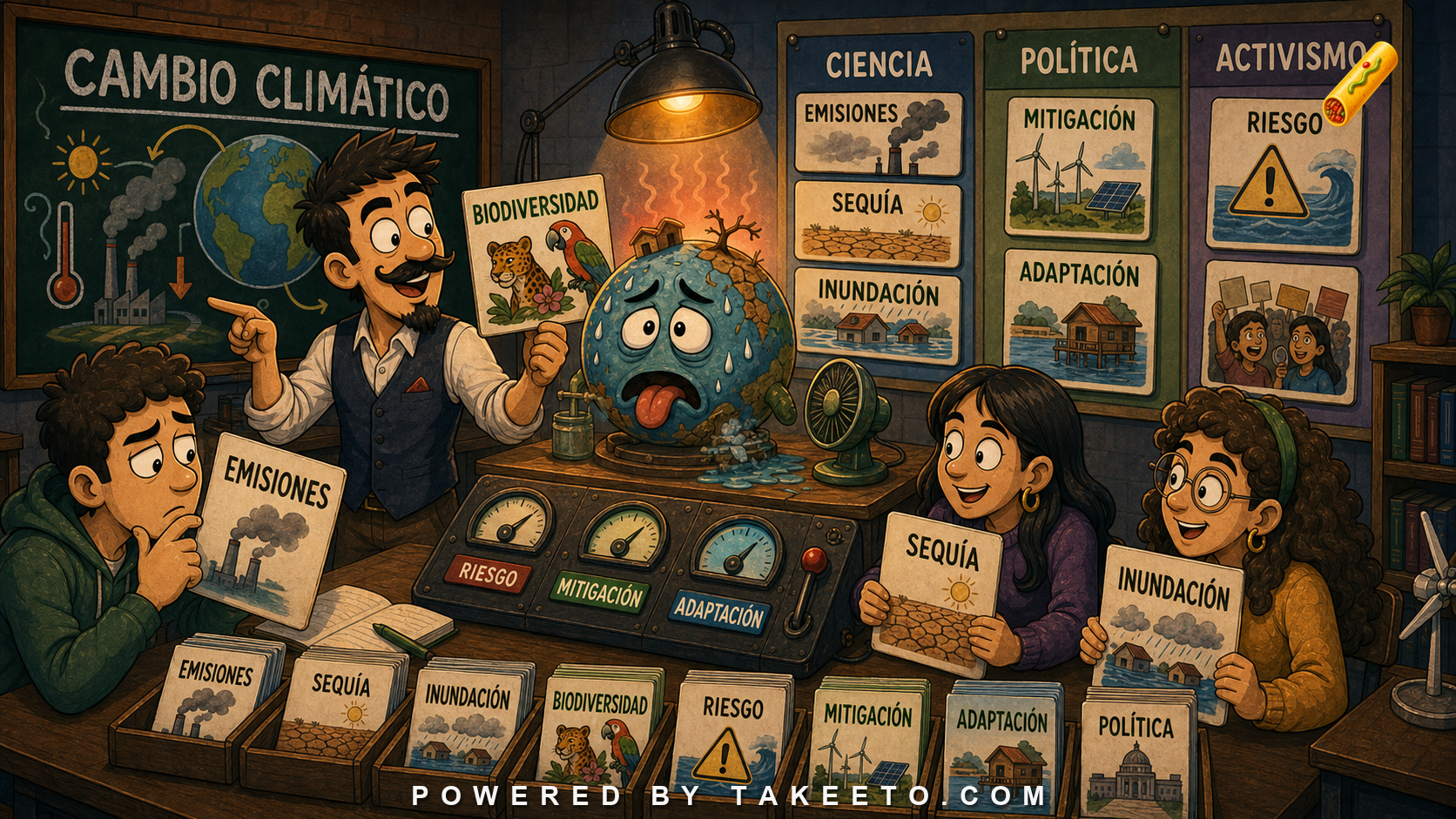
The reader can read climate and environmental Spanish across scientific, policy, and activist registers.
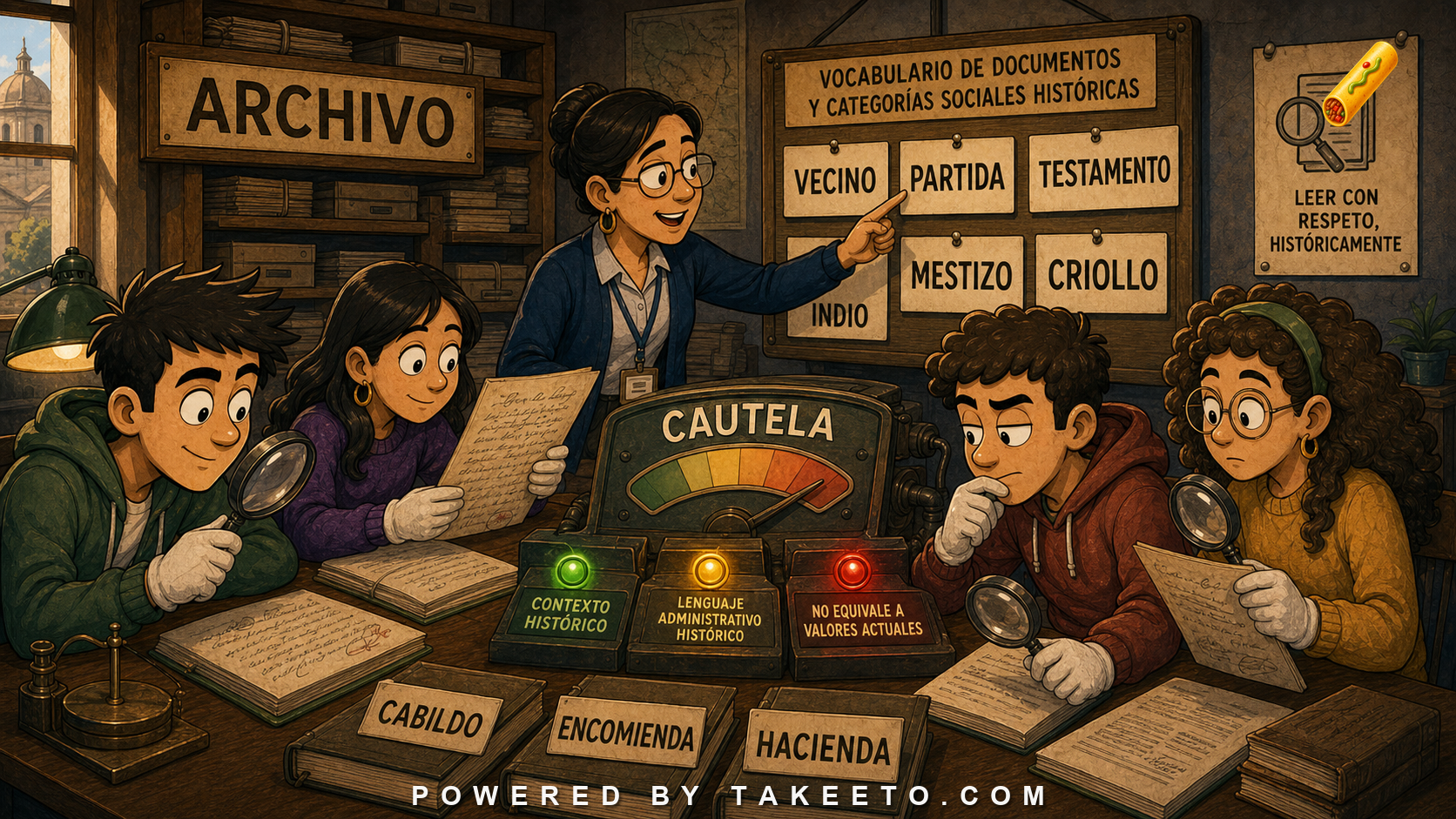
The reader can recognize colonial-document vocabulary while treating social labels critically.
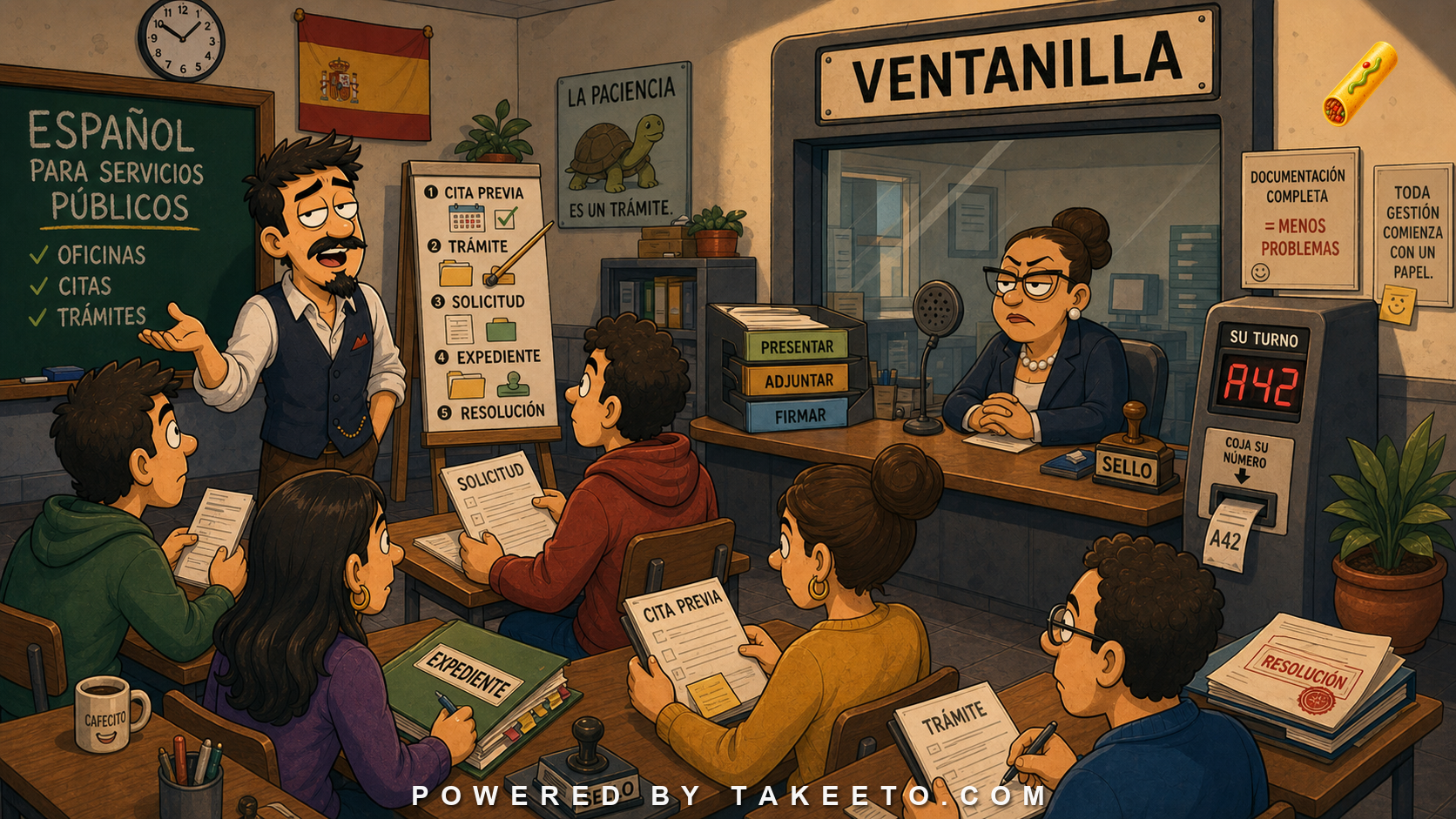
The reader can follow government-office Spanish and procedural instructions.
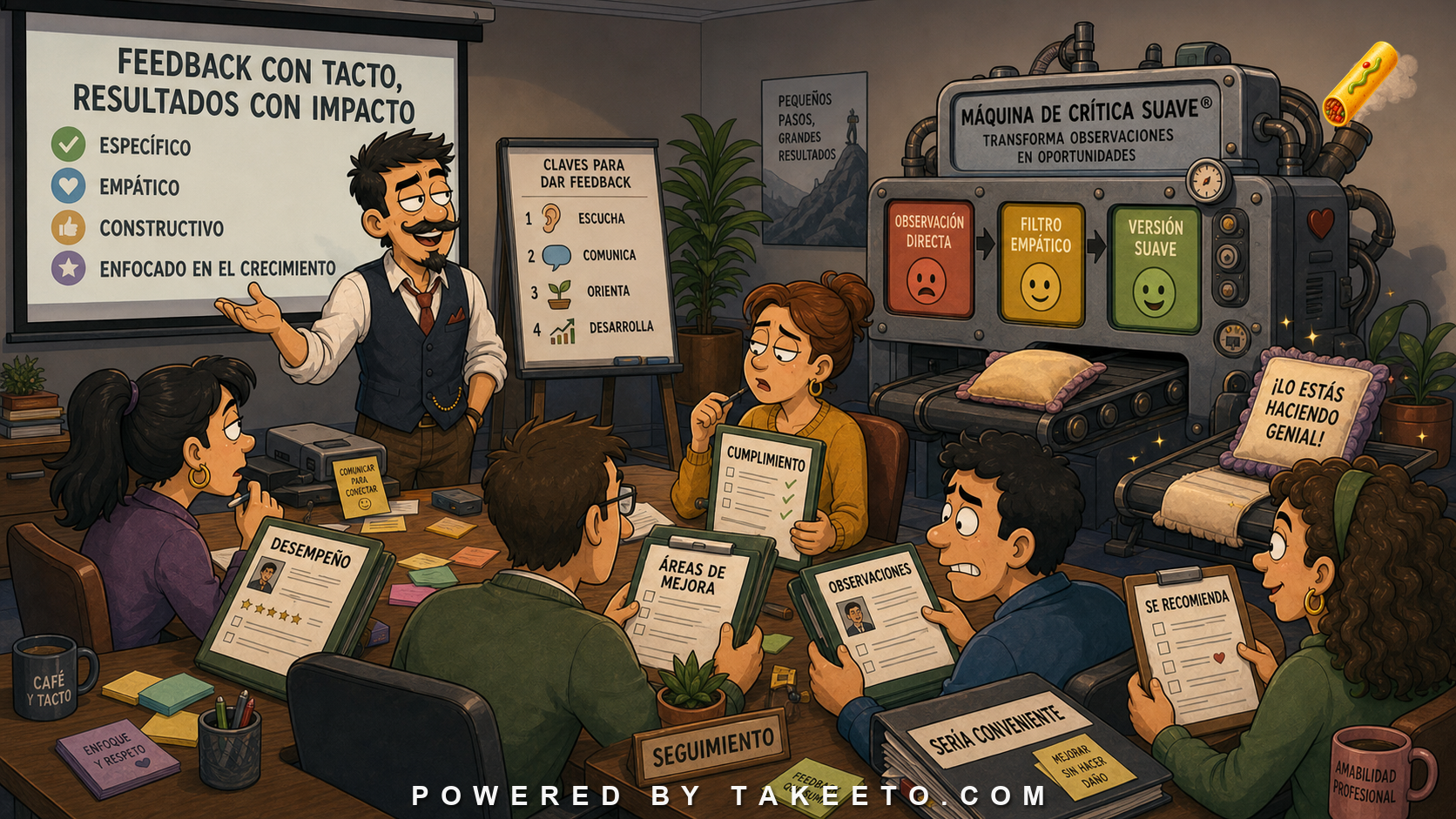
The reader can understand feedback language and indirect criticism in professional Spanish.
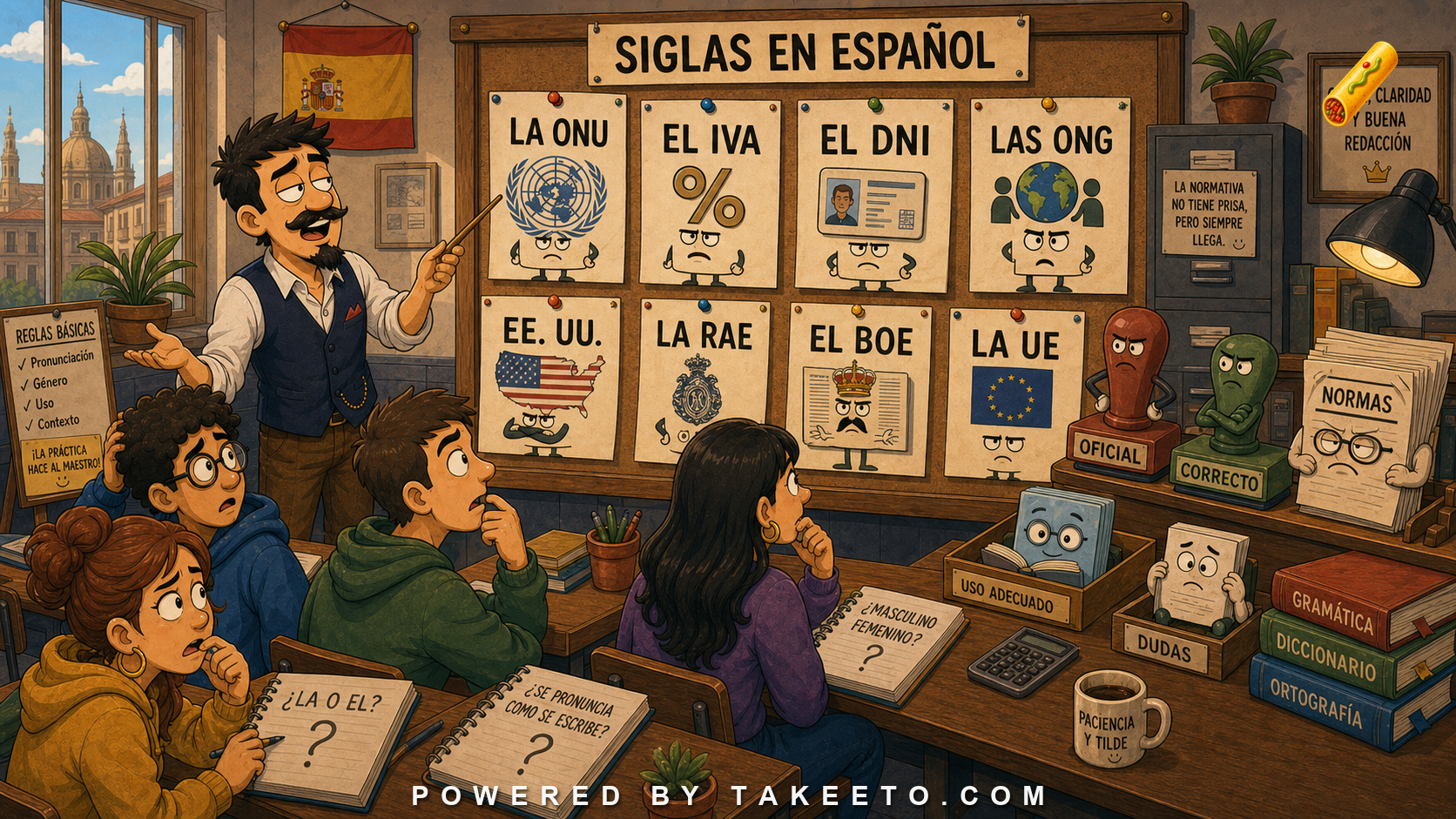
The reader can read Spanish acronyms and understand gender, pronunciation, and plural conventions.
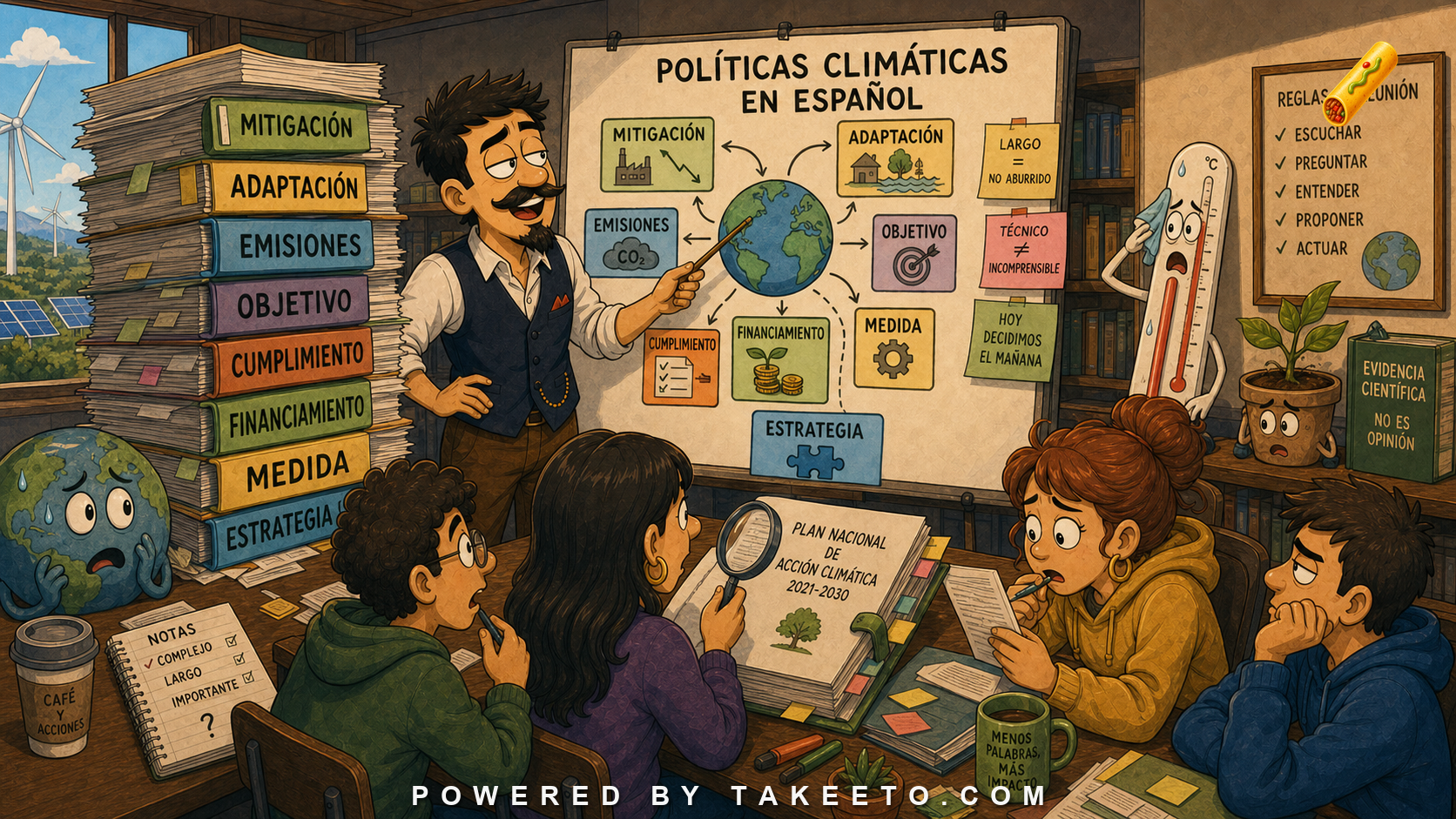
The reader can parse policy goals, timelines, measures, and obligations.
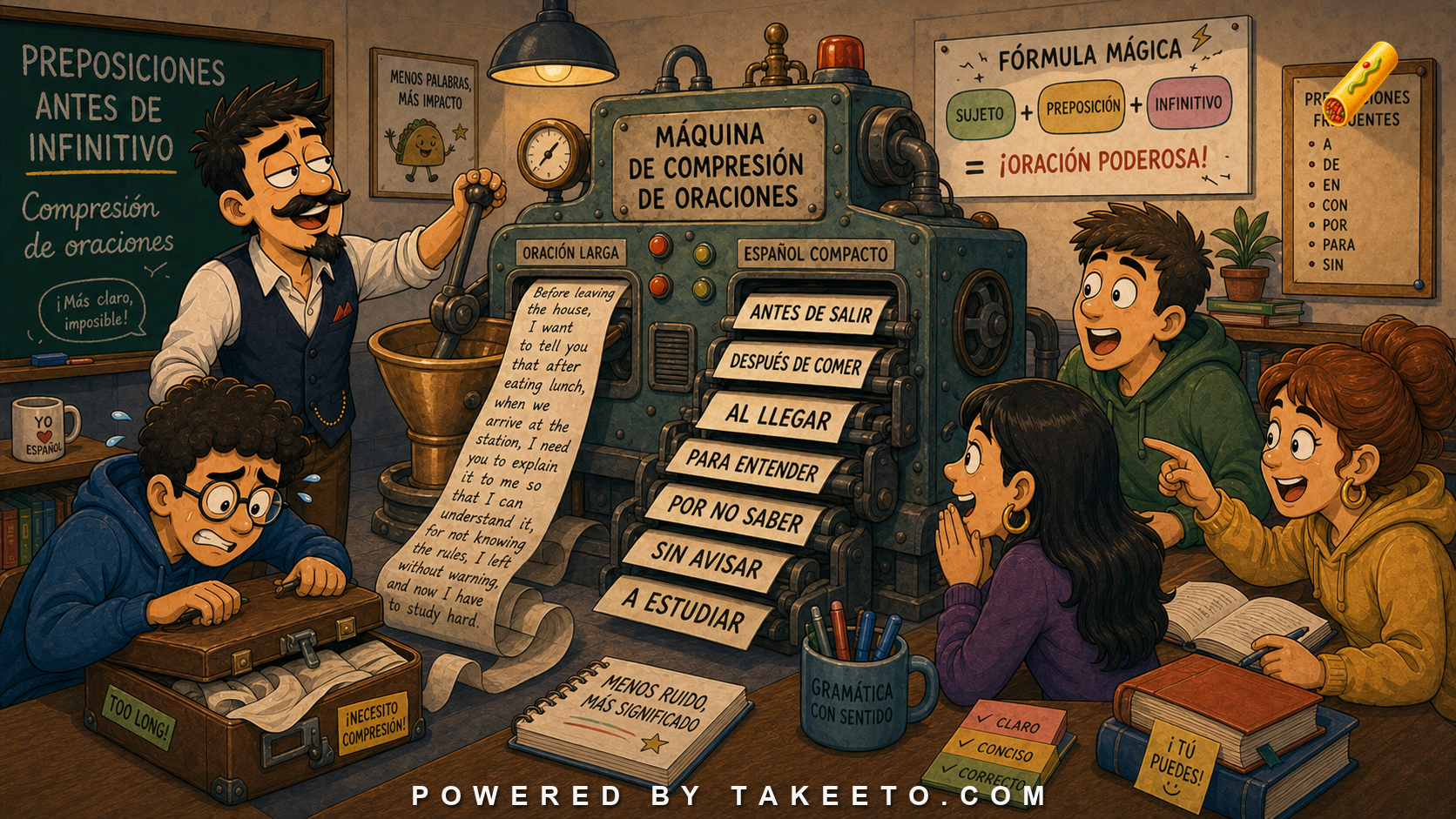
The reader can read and produce preposition + infinitive structures in dense Spanish.
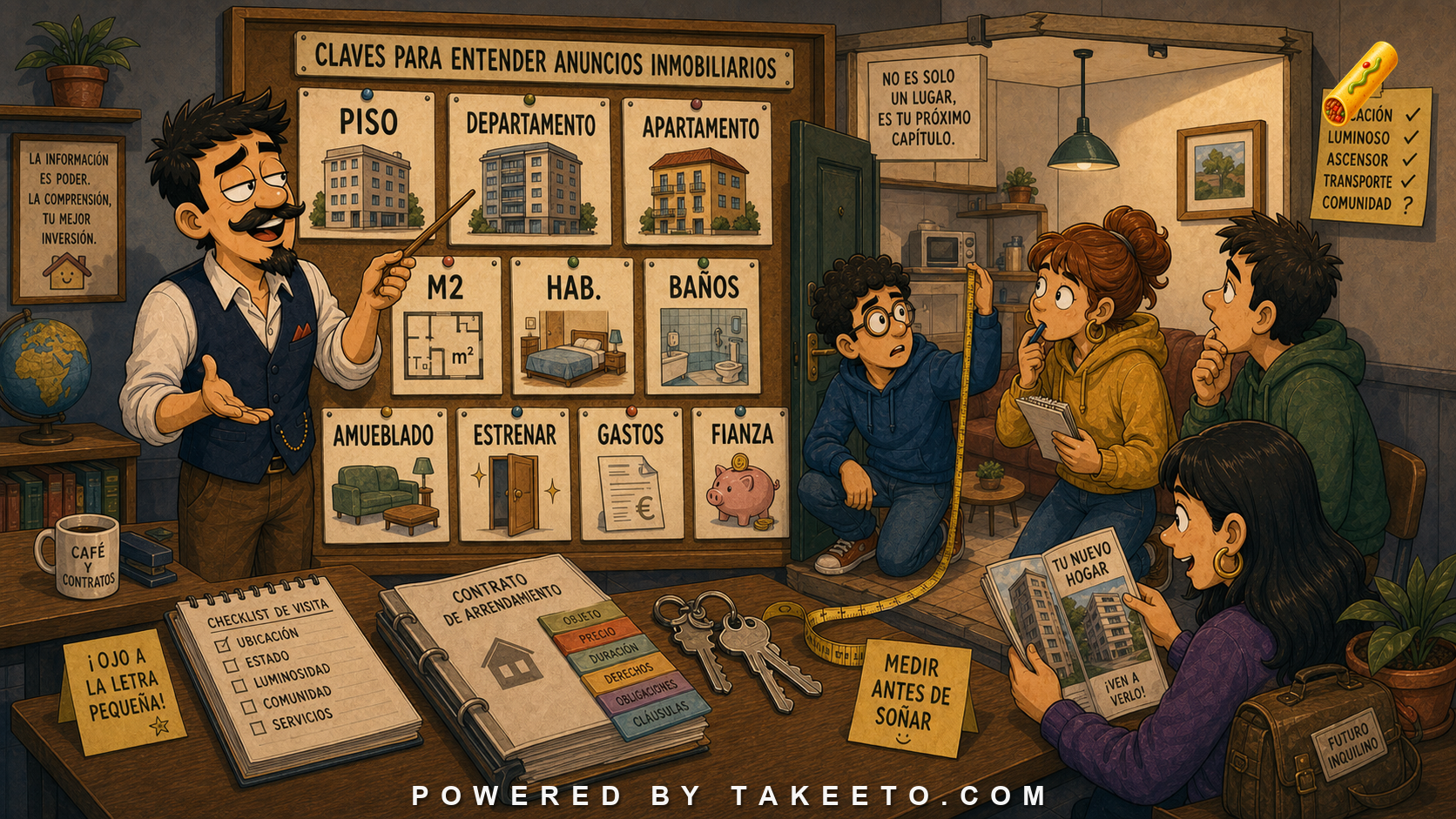
The reader can decode Spanish property listings without mistaking compressed sales language for complete legal information.
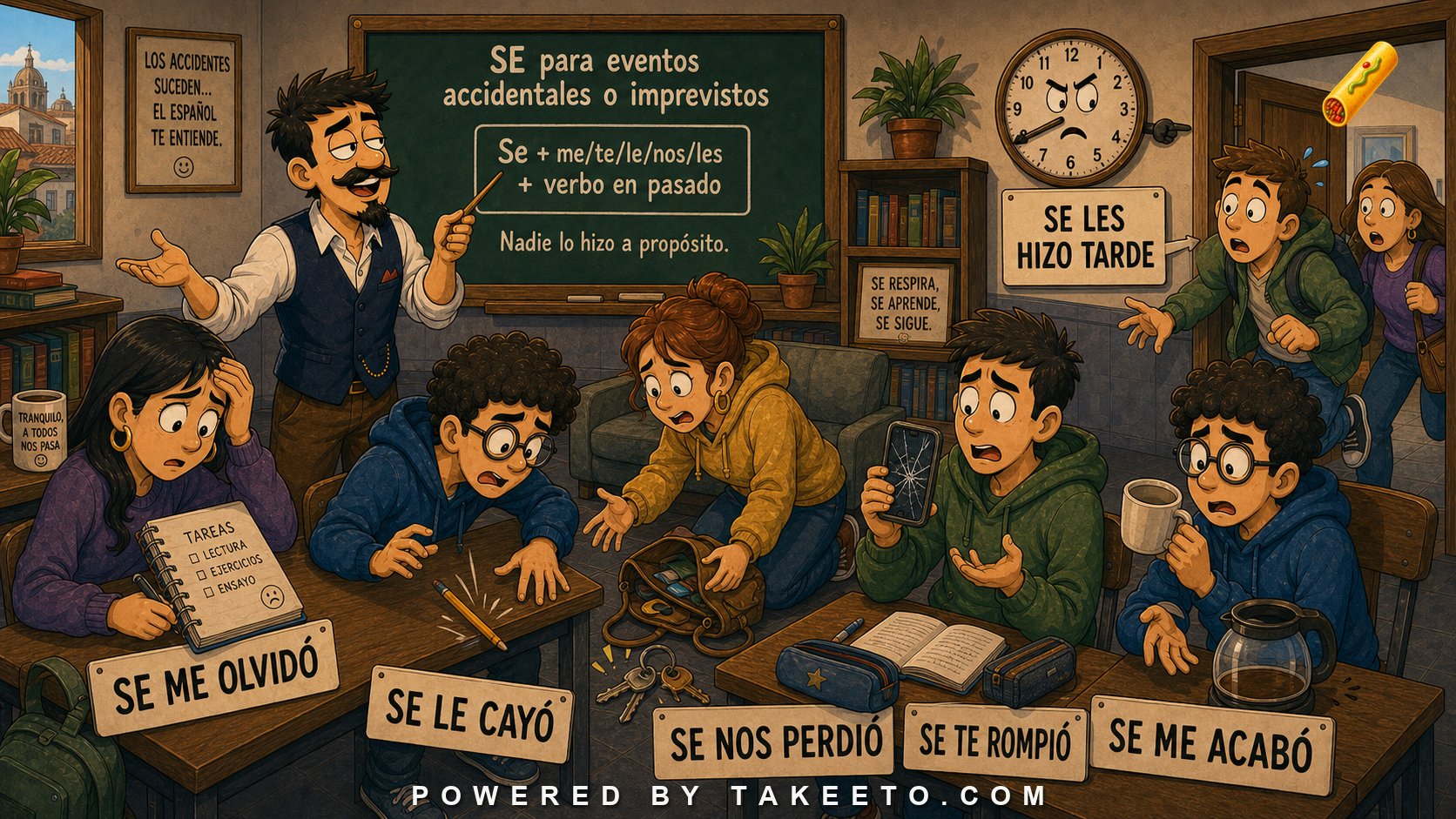
The reader can interpret se constructions that background agency and foreground affected participants.
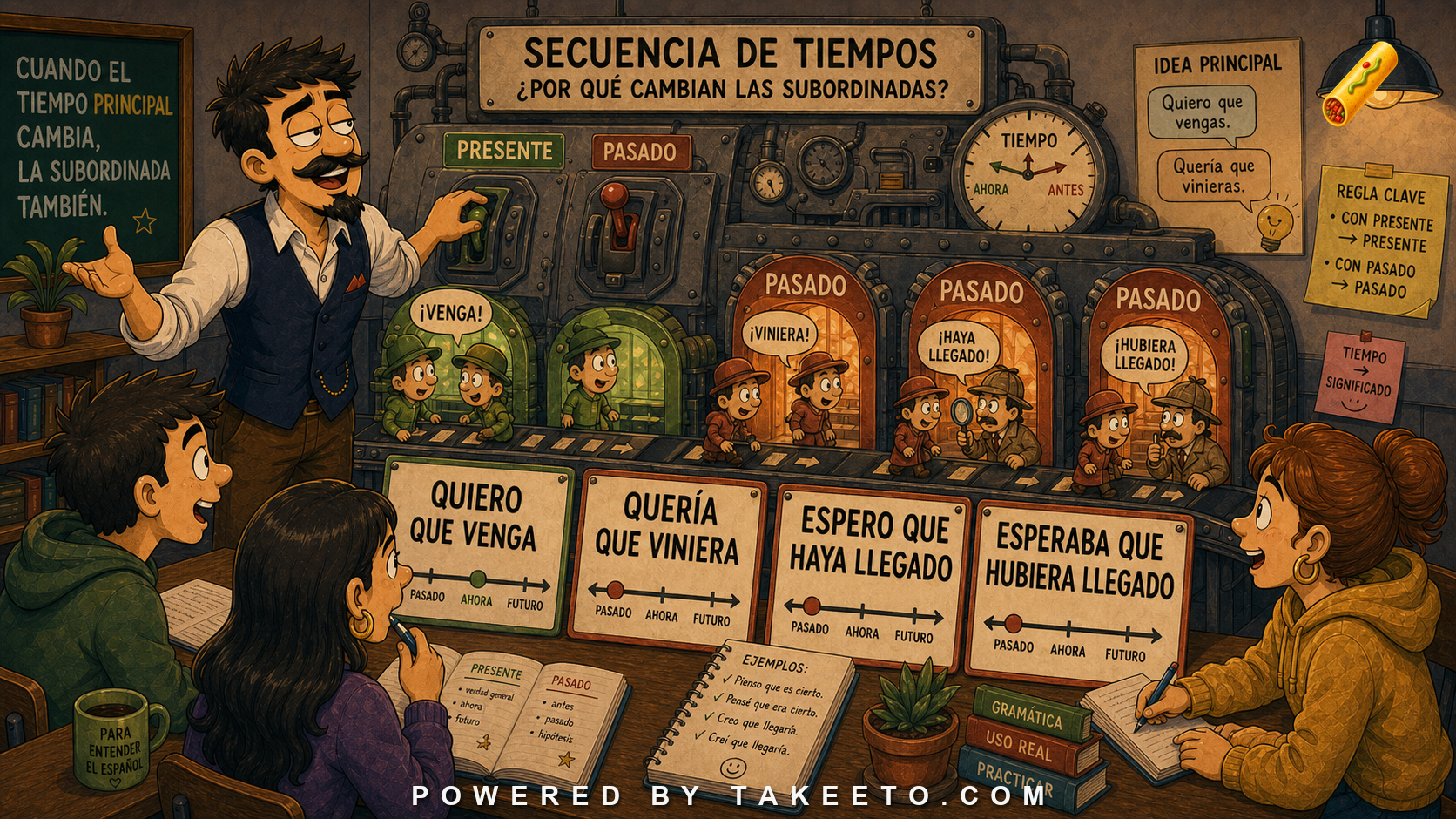
The reader can manage tense relationships across main and subordinate clauses.

The reader can parse Spanish political discourse and institutional vocabulary.
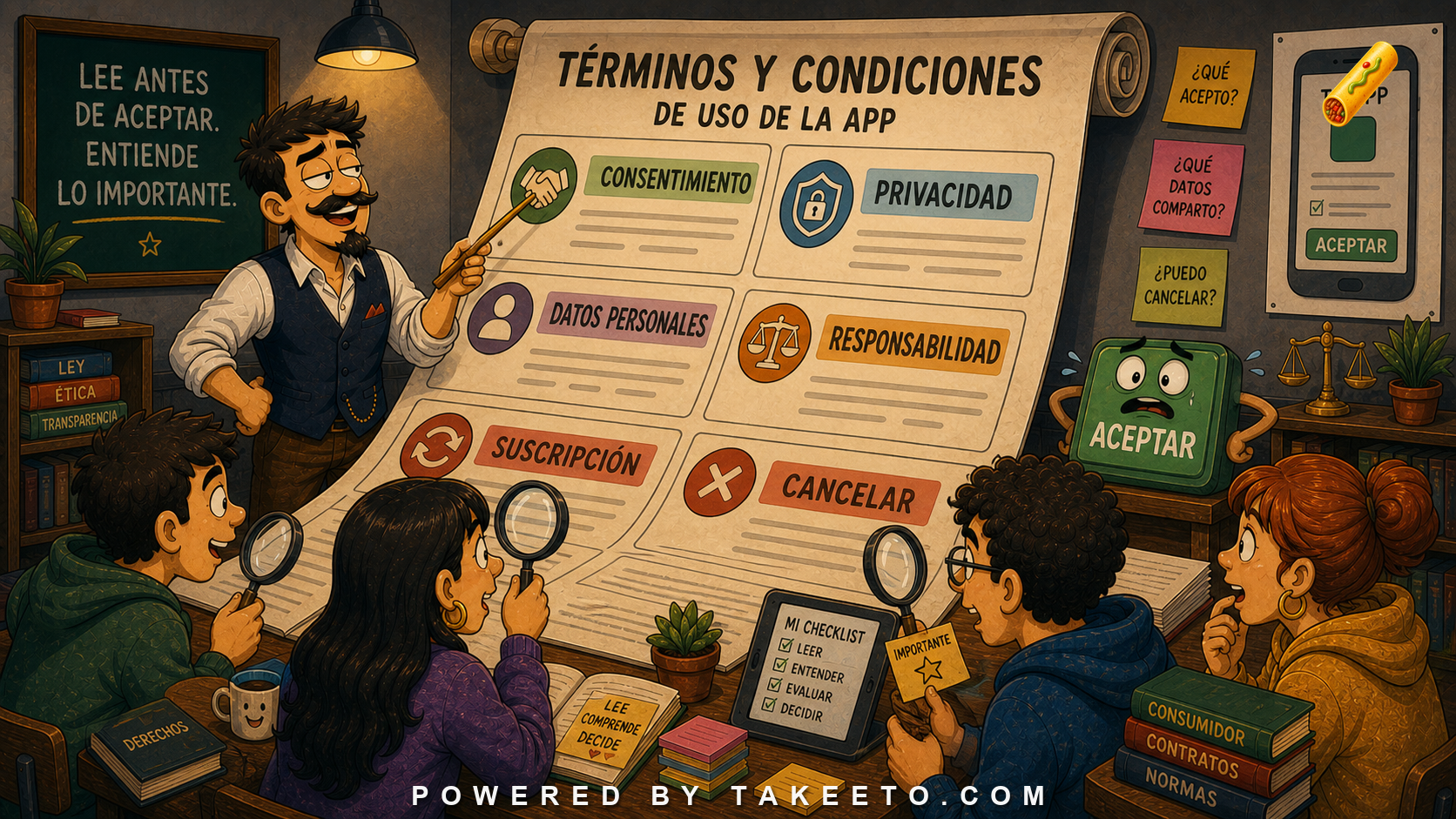
The reader can parse app and website legal Spanish.
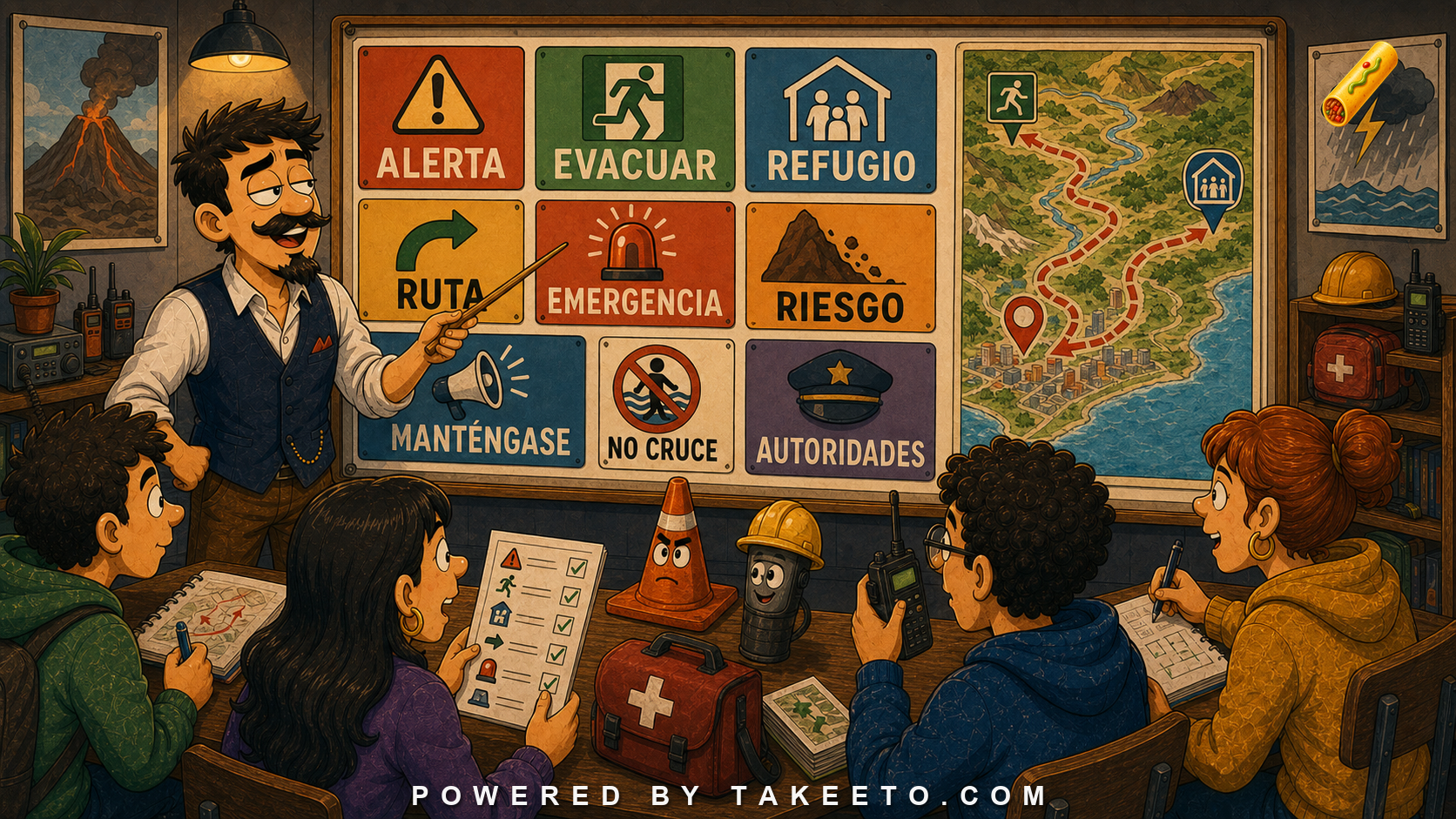
The reader can understand urgent Spanish alerts by extracting hazard, location, instruction, time, and authority.
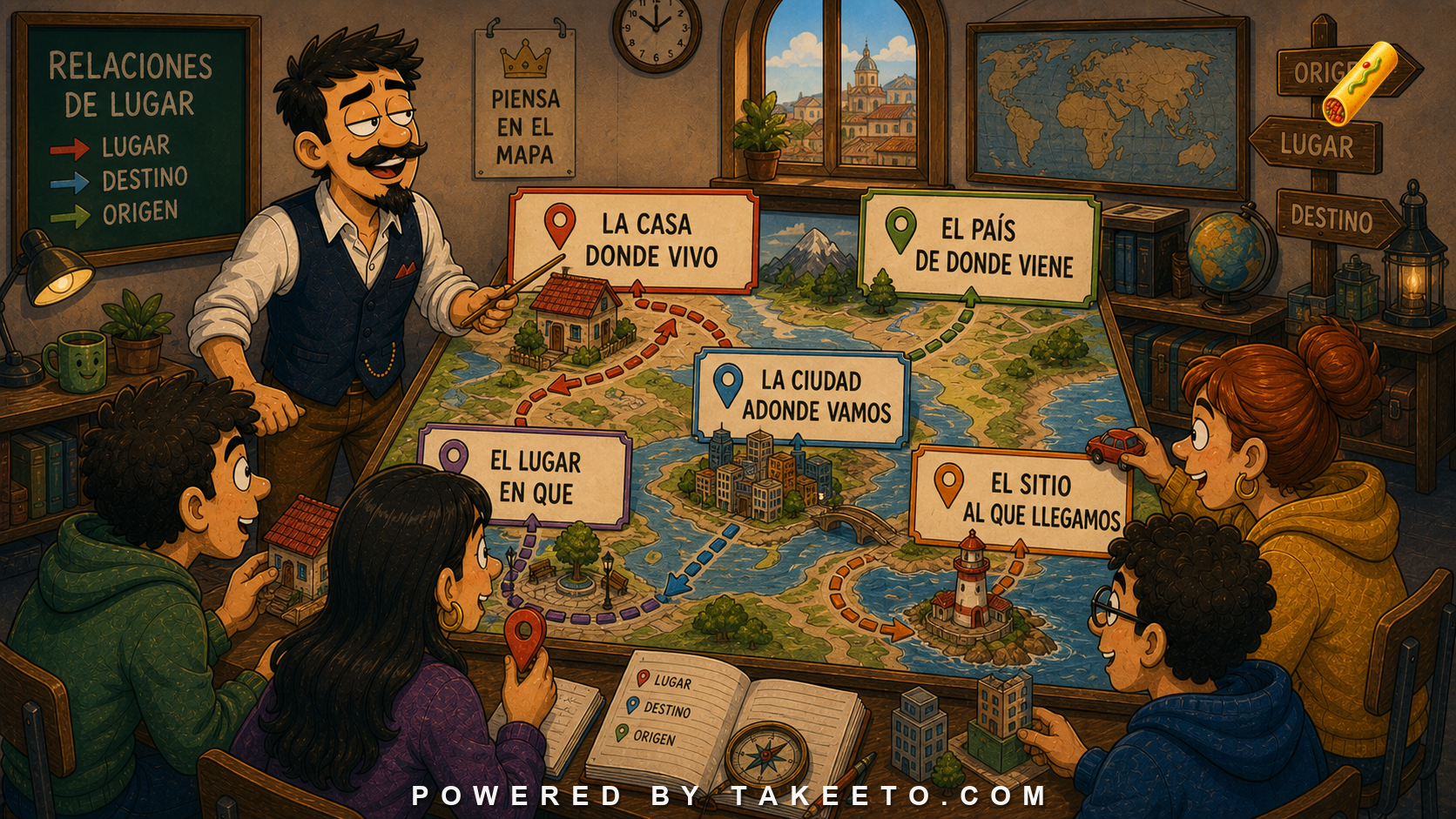
The reader can mark location, destination, and source in Spanish relative clauses.
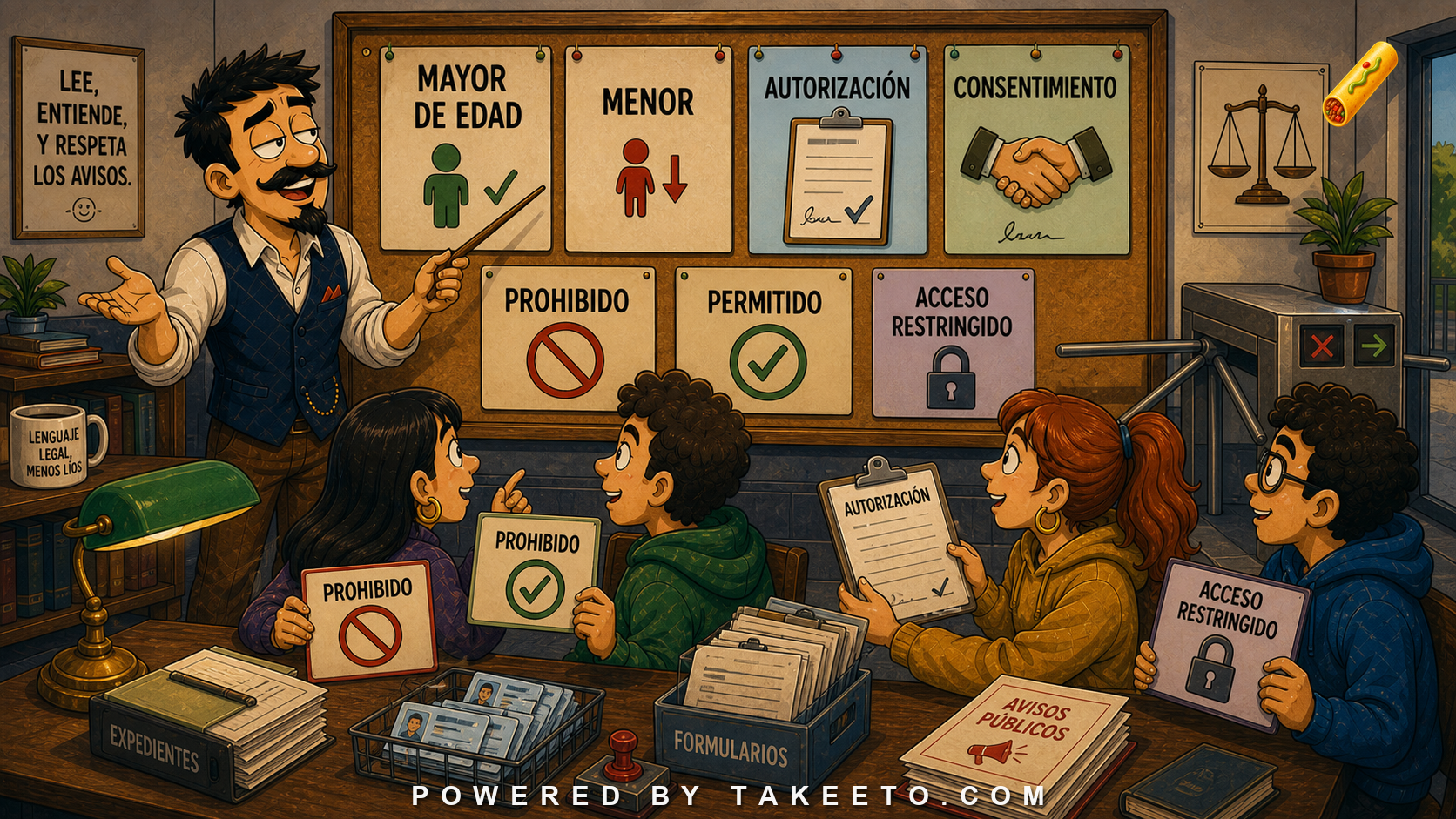
The reader can understand age restrictions and permission/prohibition notices while recognizing country-specific legal risk.
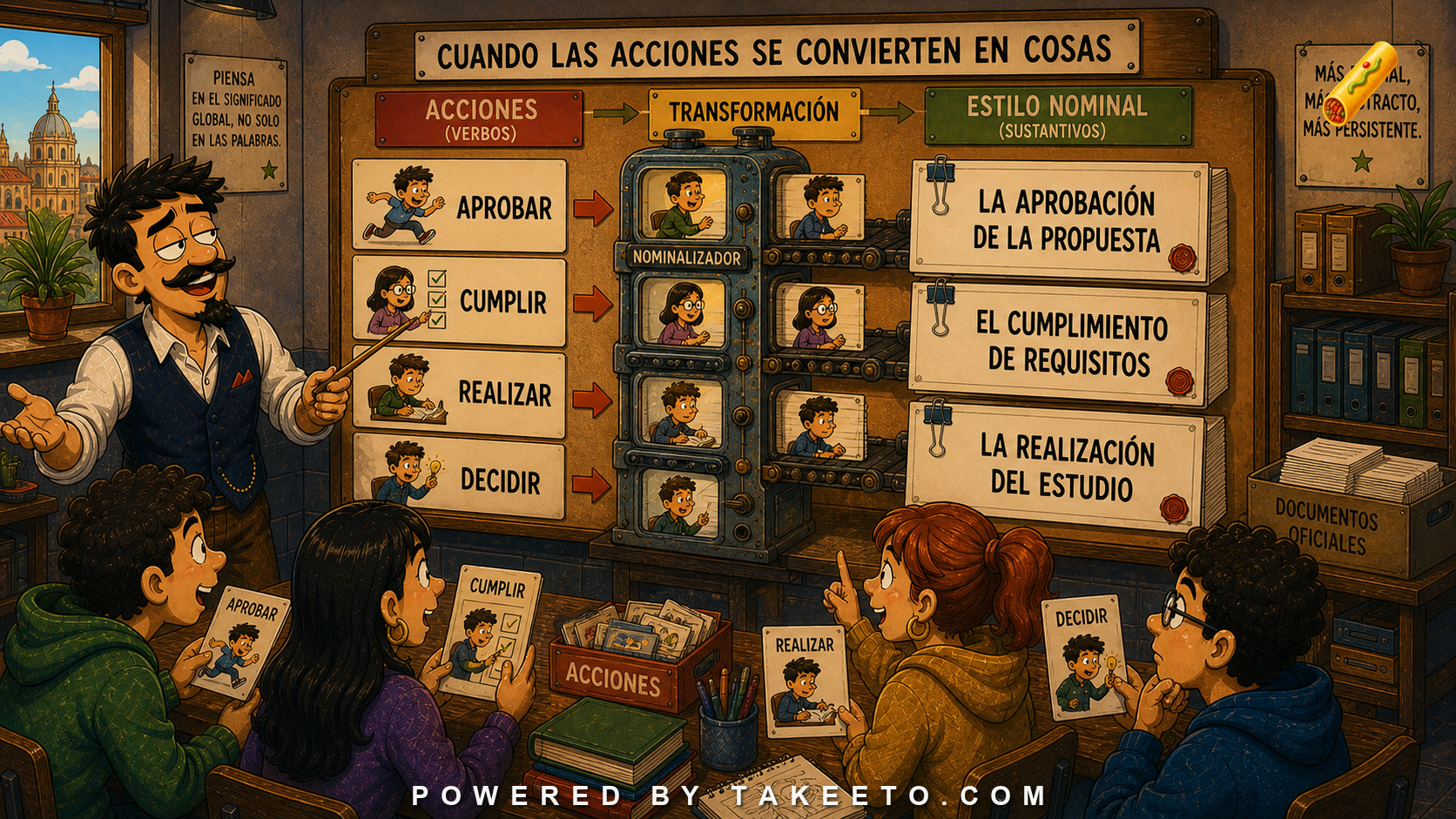
The reader can read nominalized Spanish and decide when to use it.
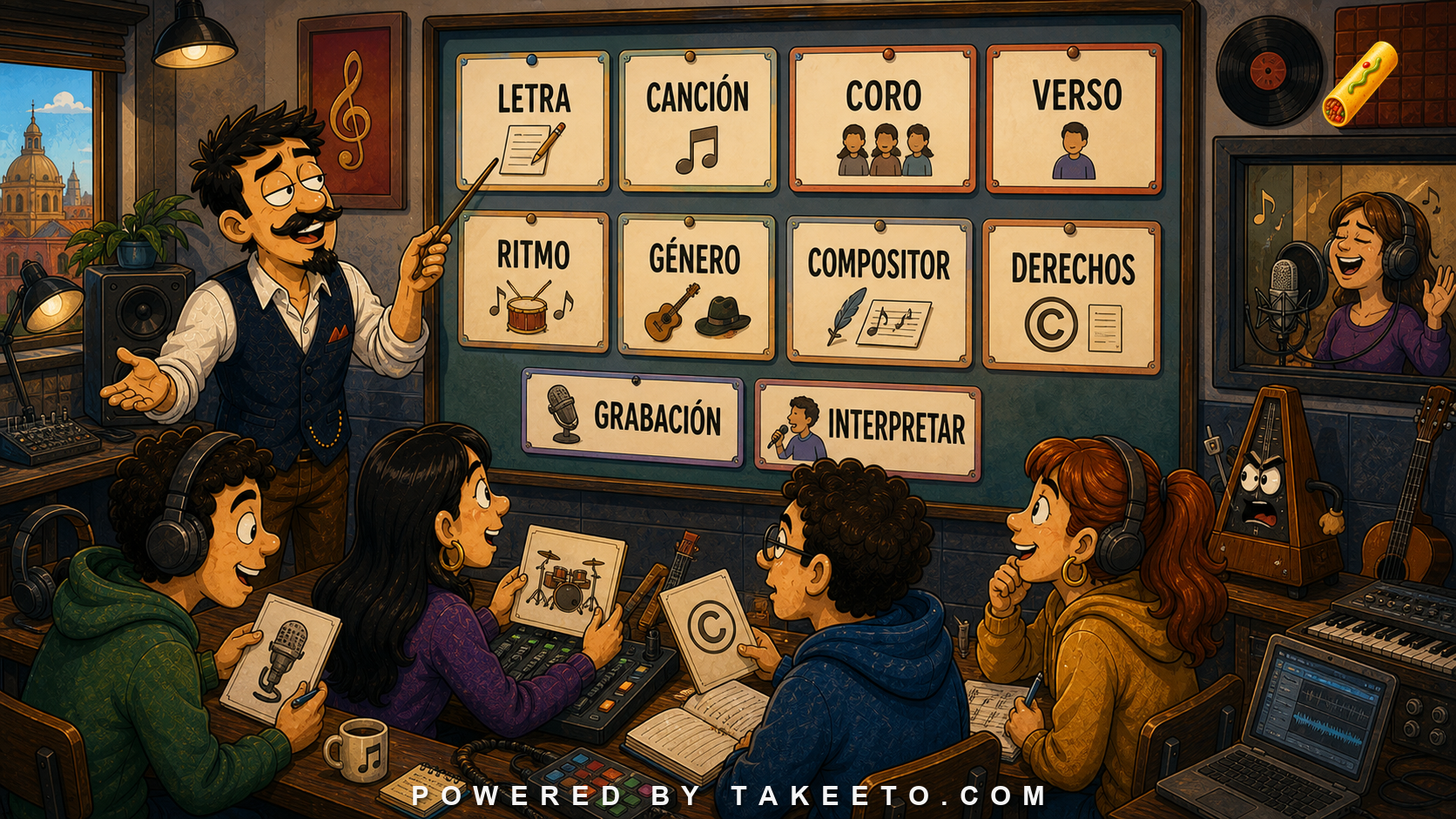
The reader can discuss music in Spanish beyond genre labels.
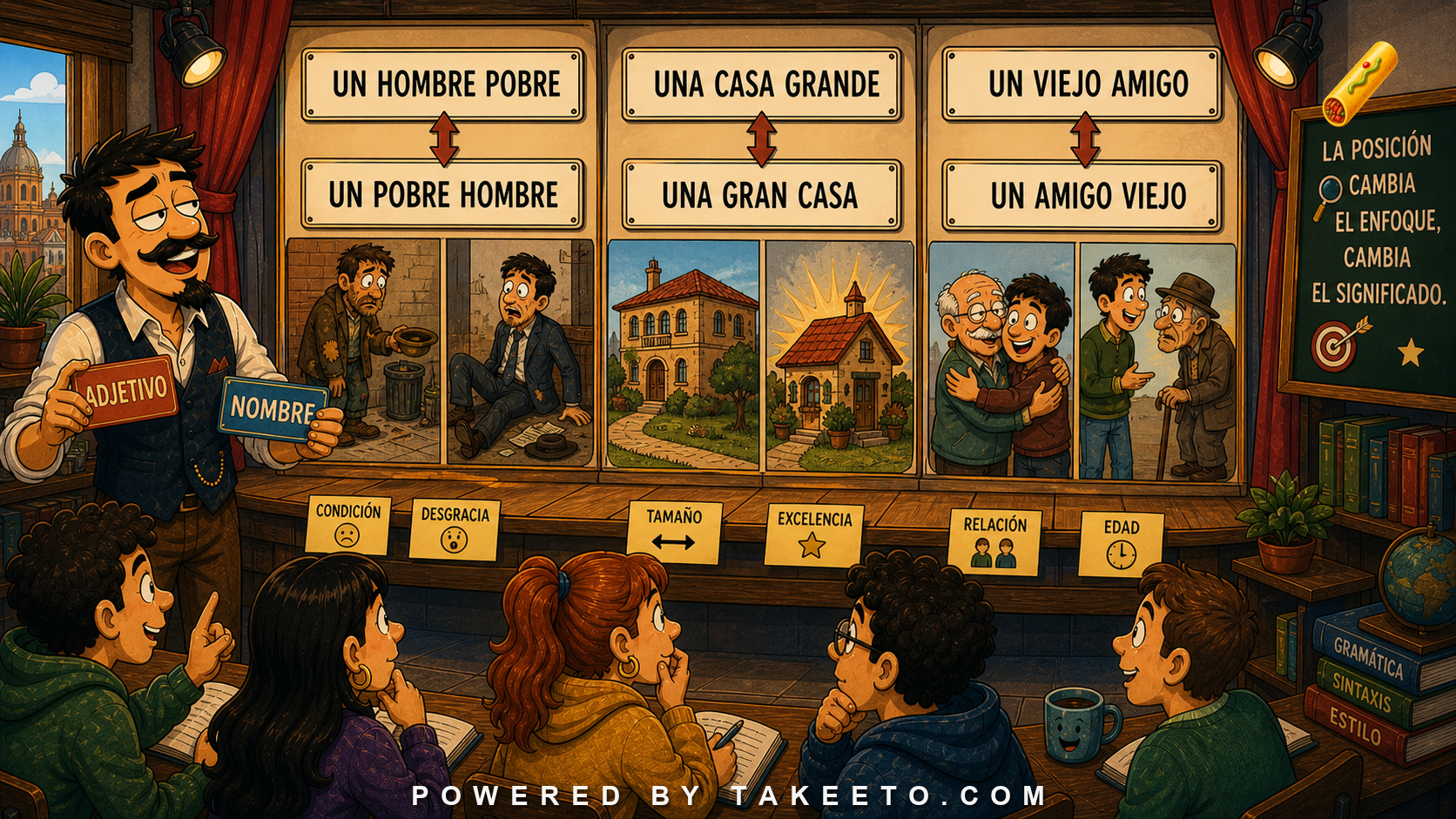
The reader understands how adjective placement affects meaning, evaluation, and discourse.
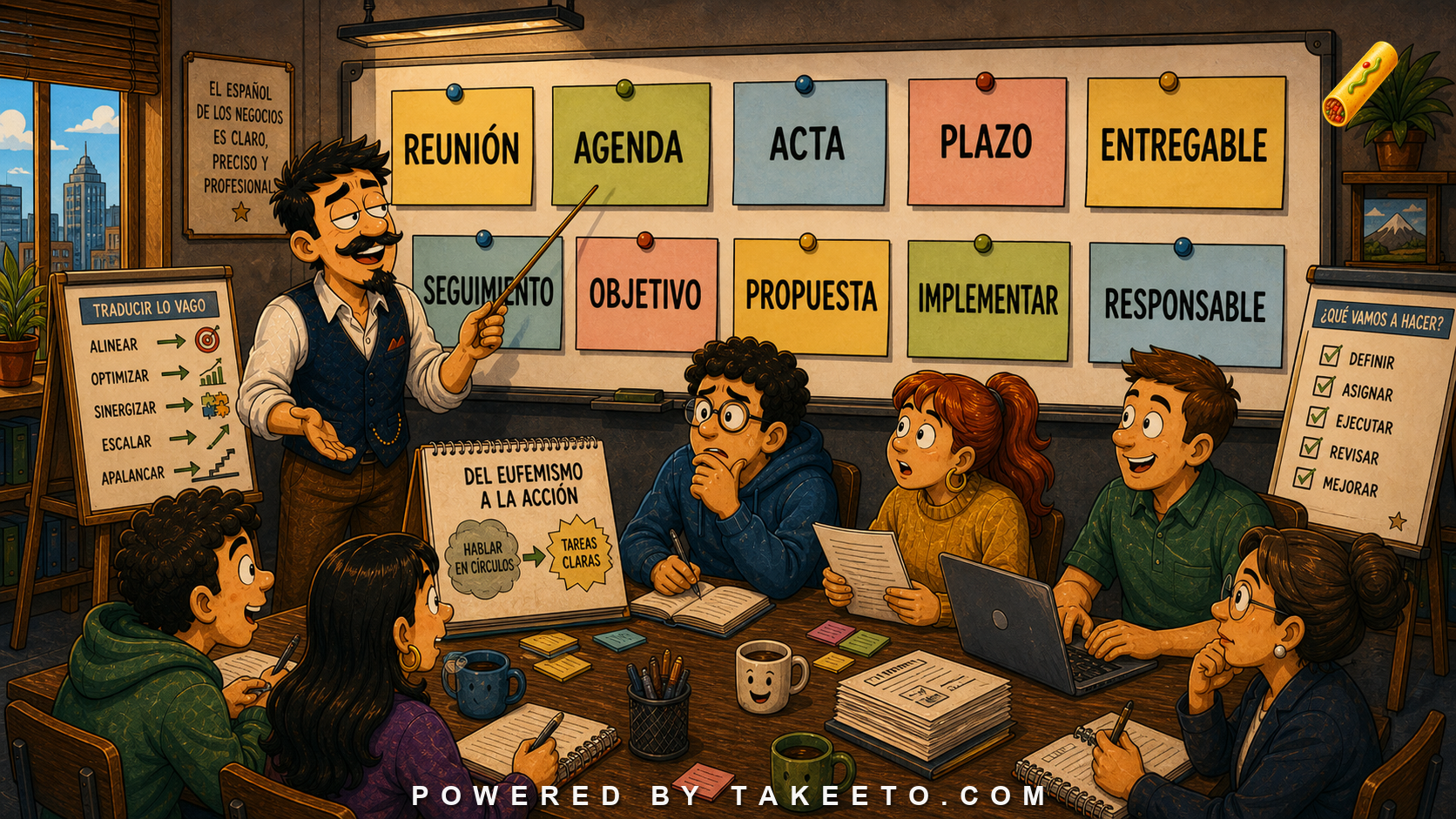
The reader can understand business Spanish without relying on English corporate calques.
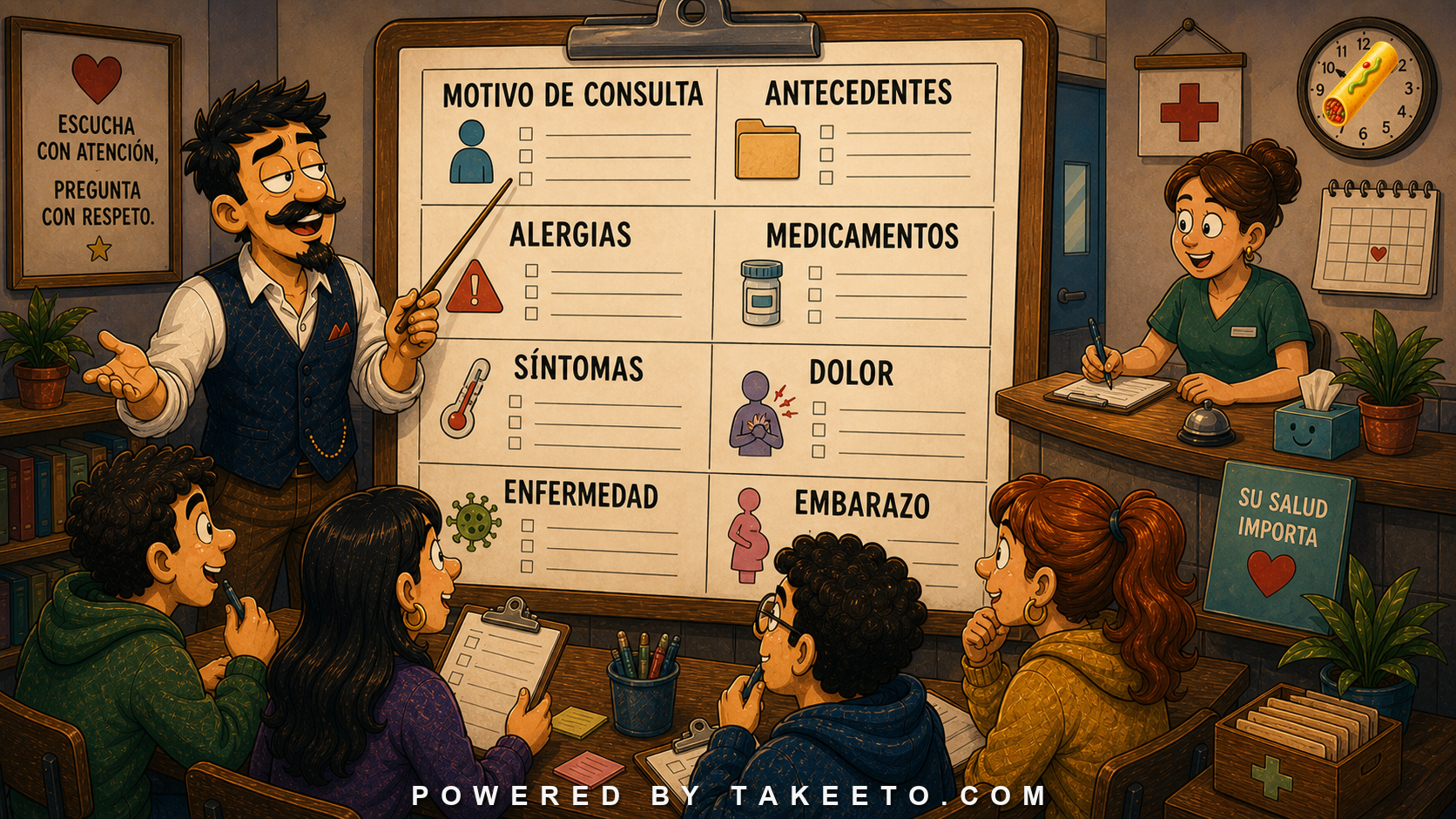
The reader can understand common intake fields and patient-history language.
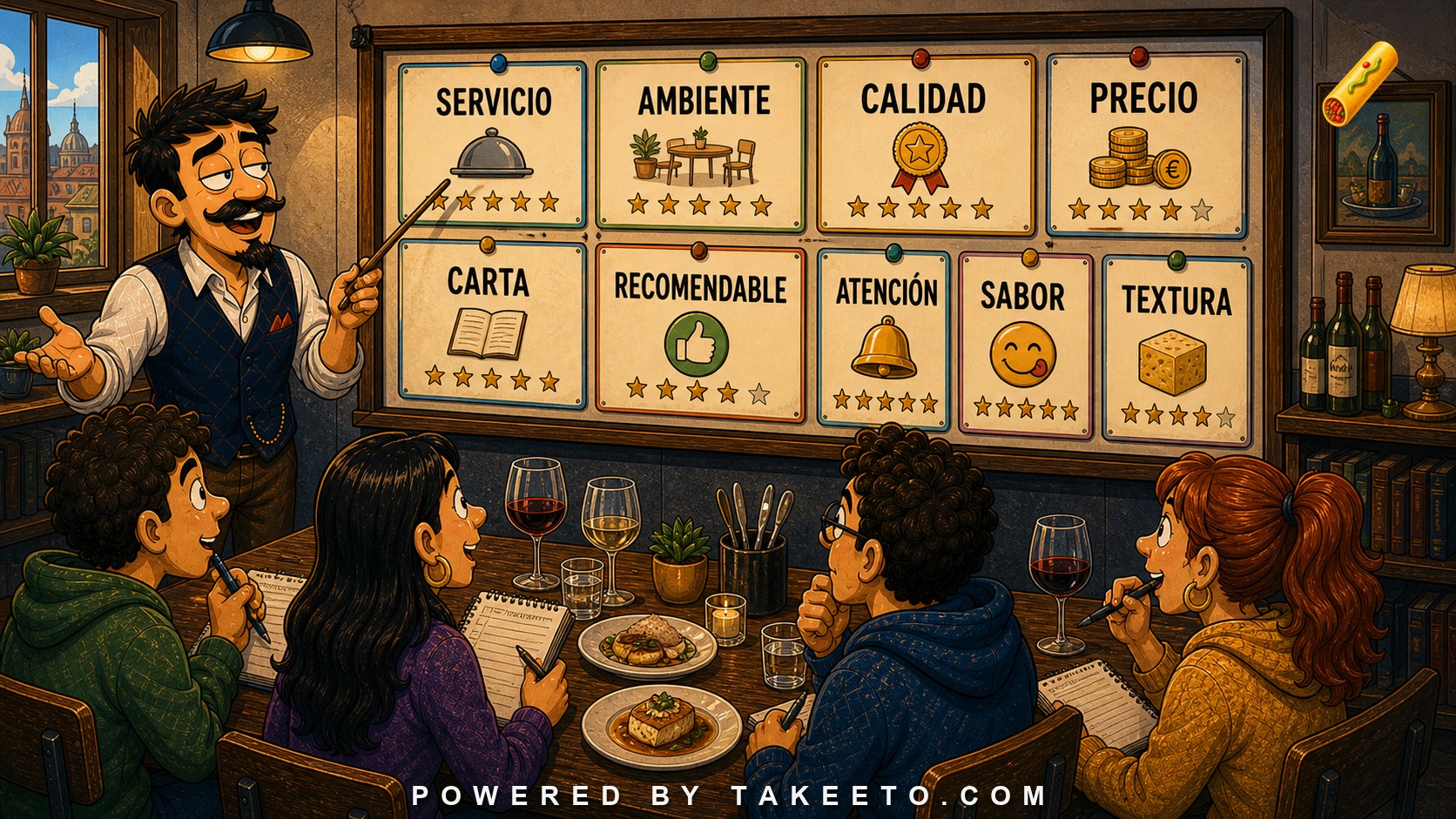
The reader can distinguish restaurant recommendation, complaint, platform review, and professional criticism in Spanish.
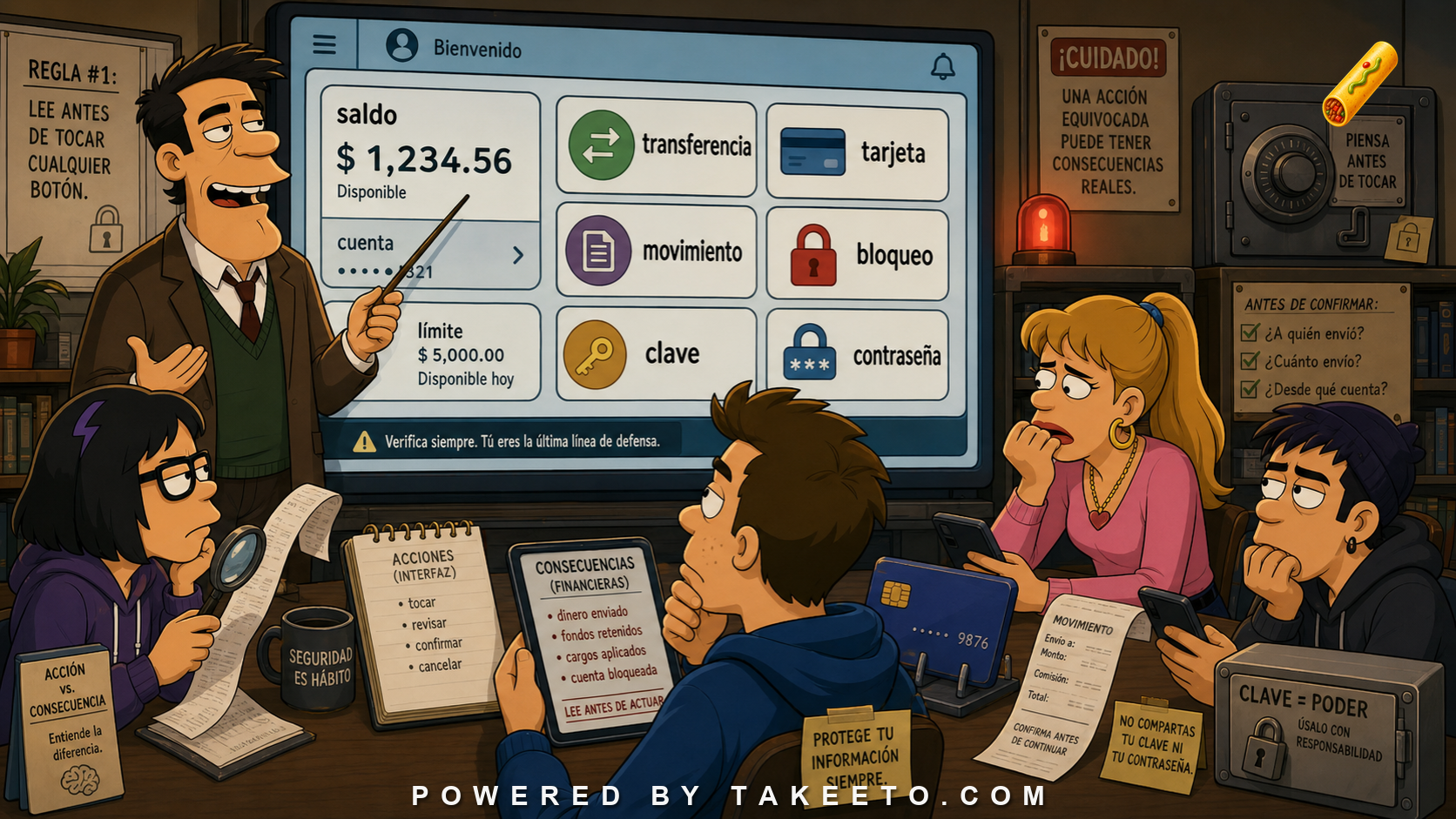
The reader can read banking app Spanish safely and distinguish interface actions from financial consequences.
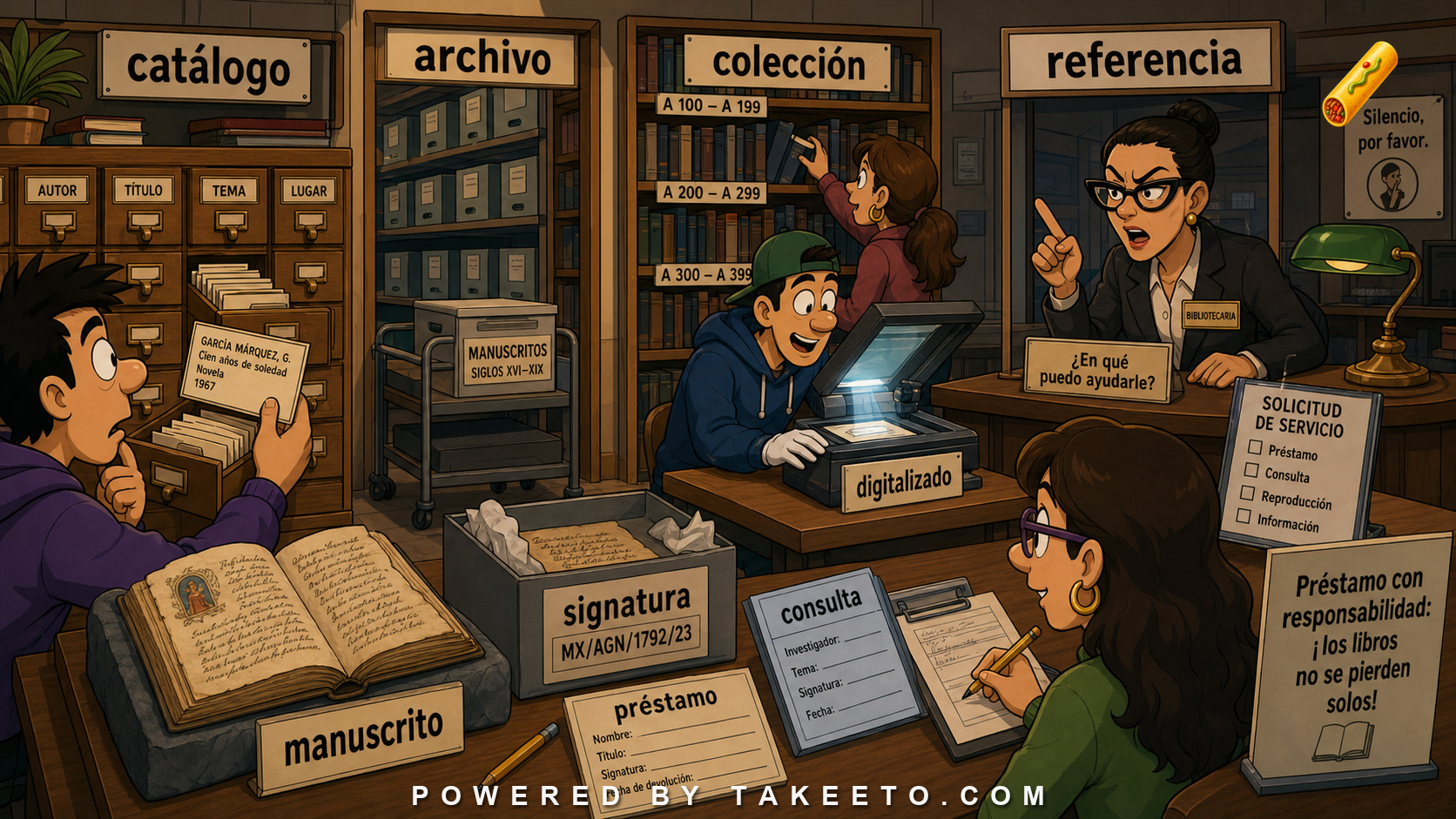
The reader can navigate catalogs, archives, and research requests in Spanish.
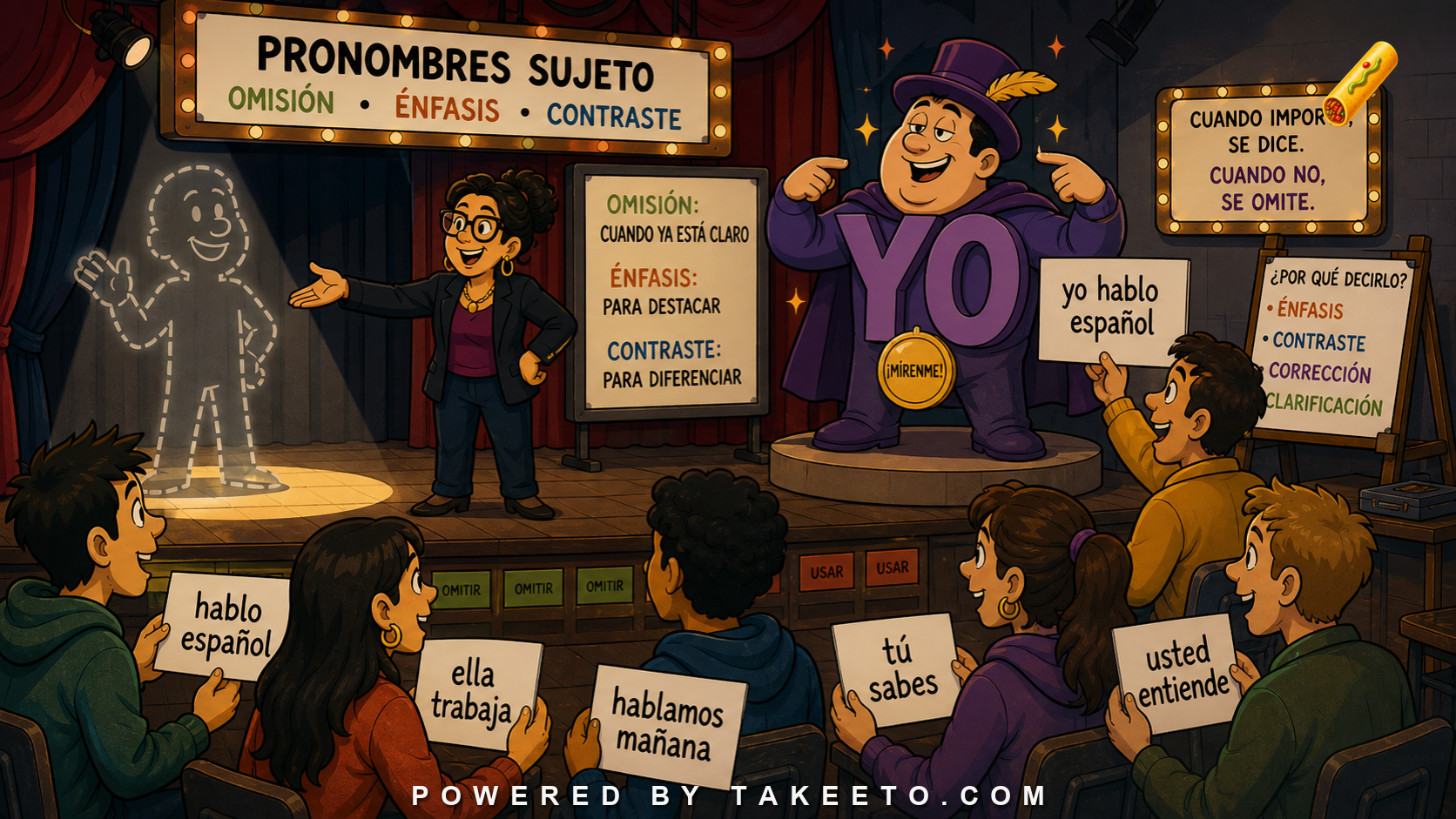
The reader can explain when Spanish omits subject pronouns and when explicit pronouns carry meaning.
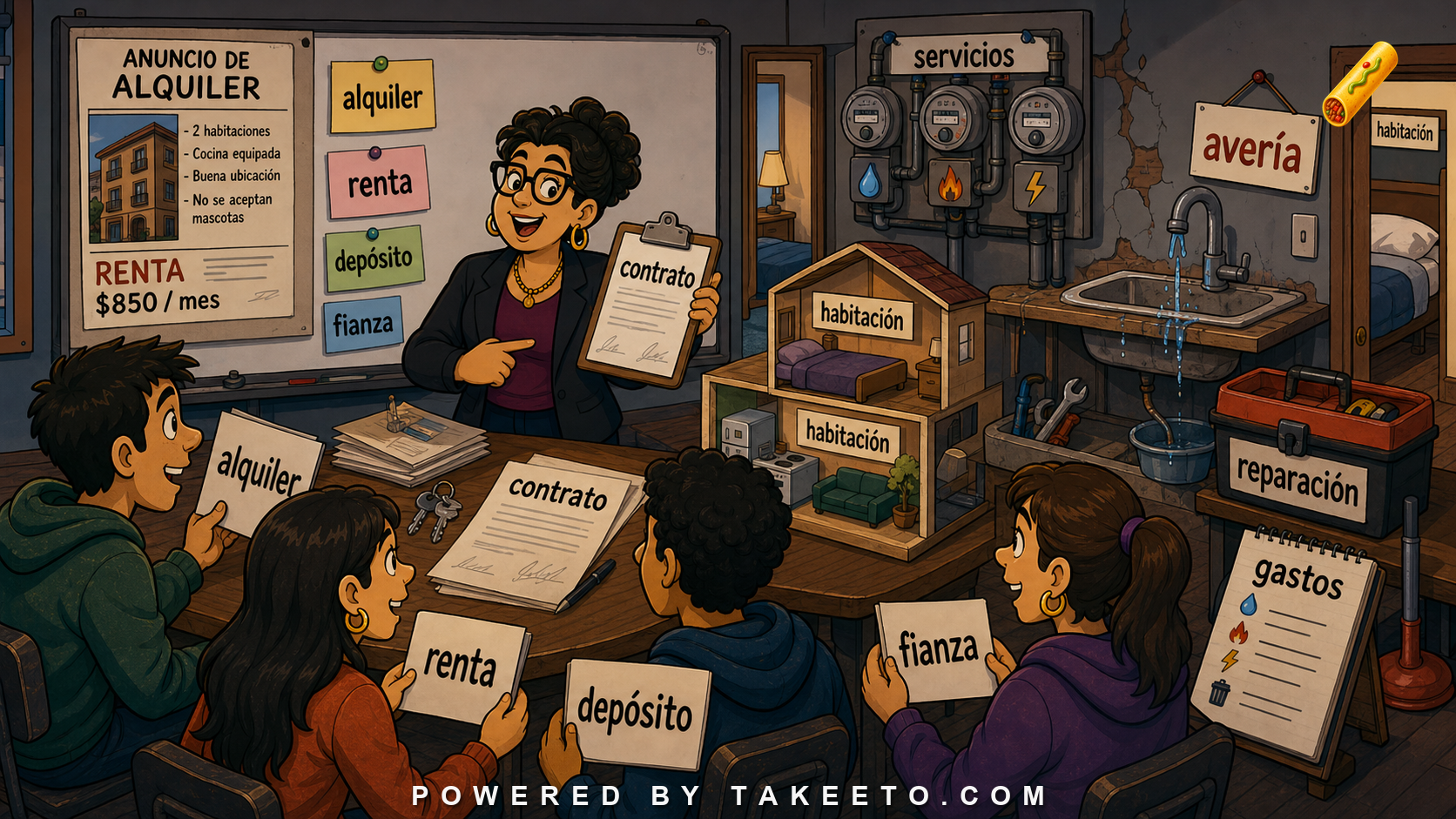
The reader can read housing listings, leases, and repair messages.
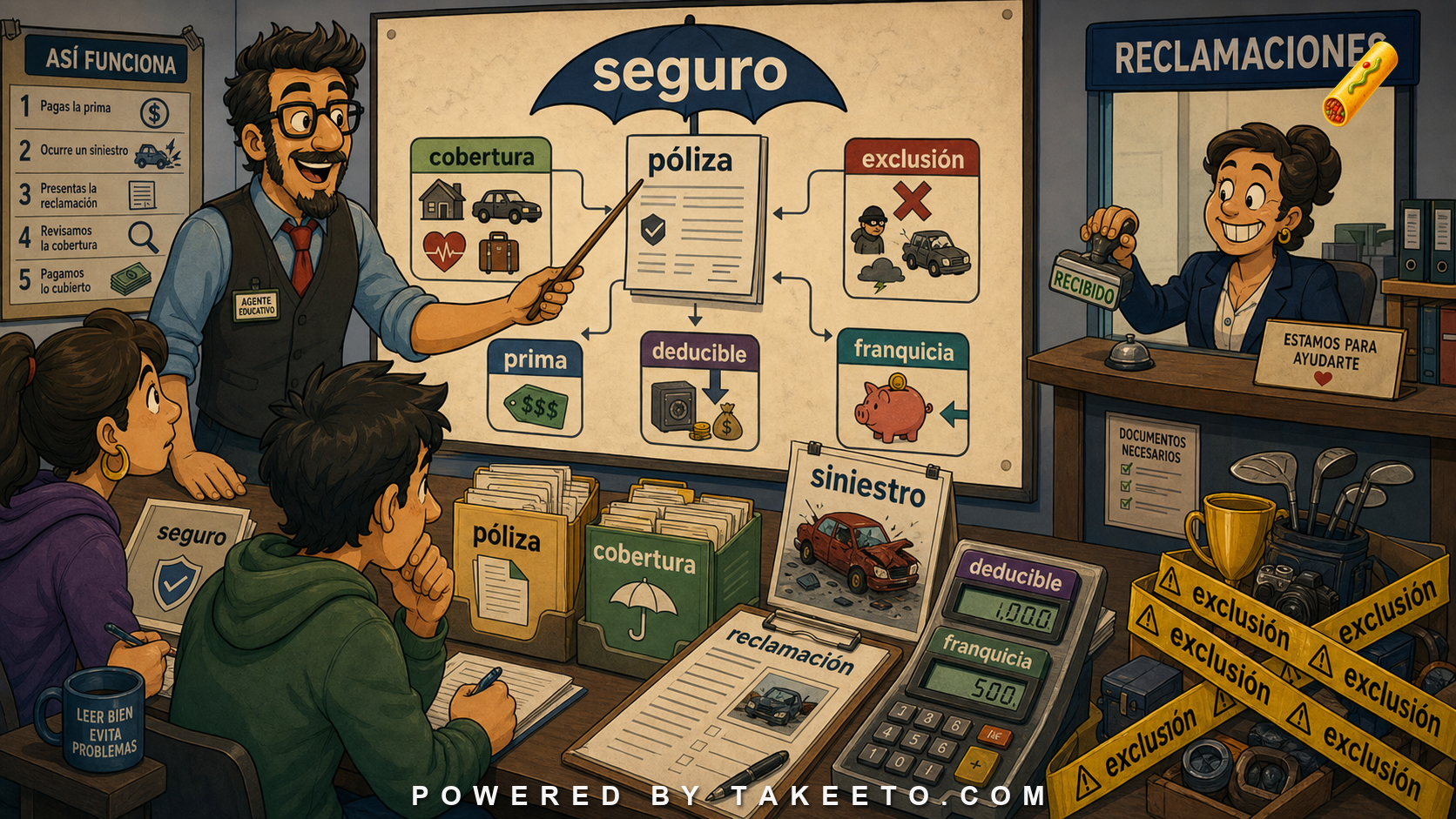
The reader can parse core insurance vocabulary in Spanish policies and claims.
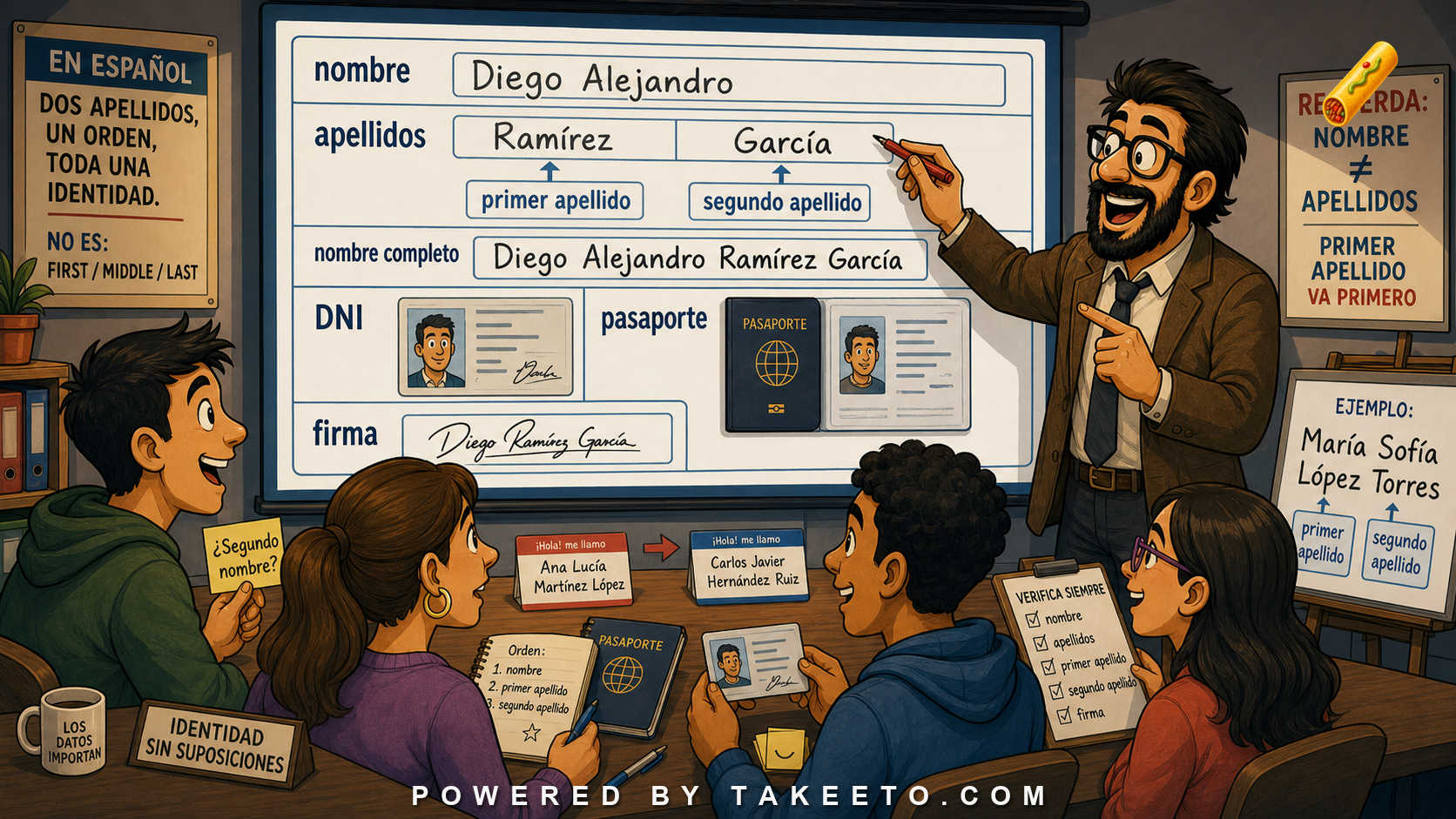
The reader can parse Spanish-name fields and avoid English assumptions about first, middle, and last names.
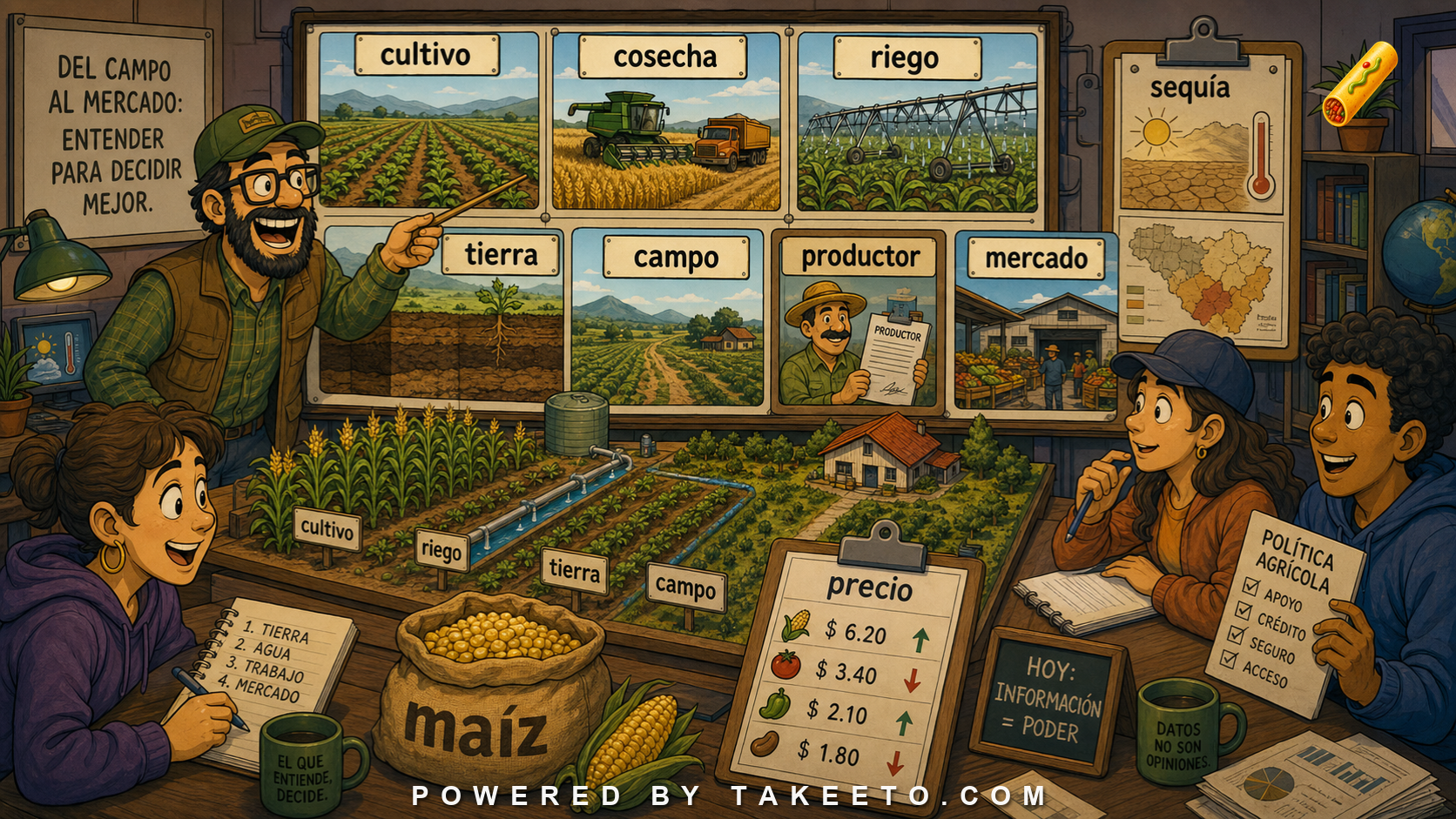
The reader can parse agriculture-related Spanish in news, policy, and trade.
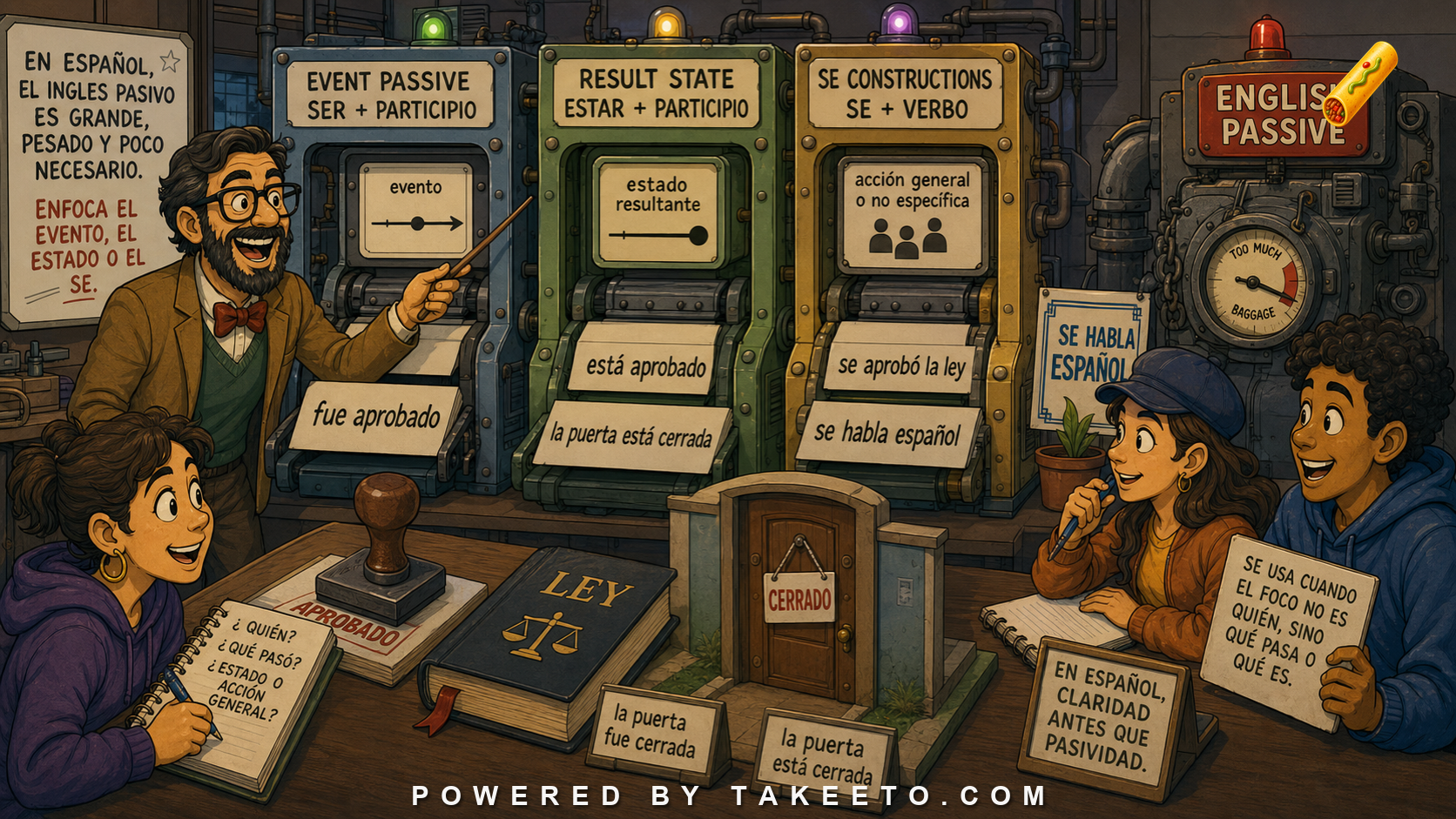
The reader can distinguish event passive, resultative state, and se constructions.
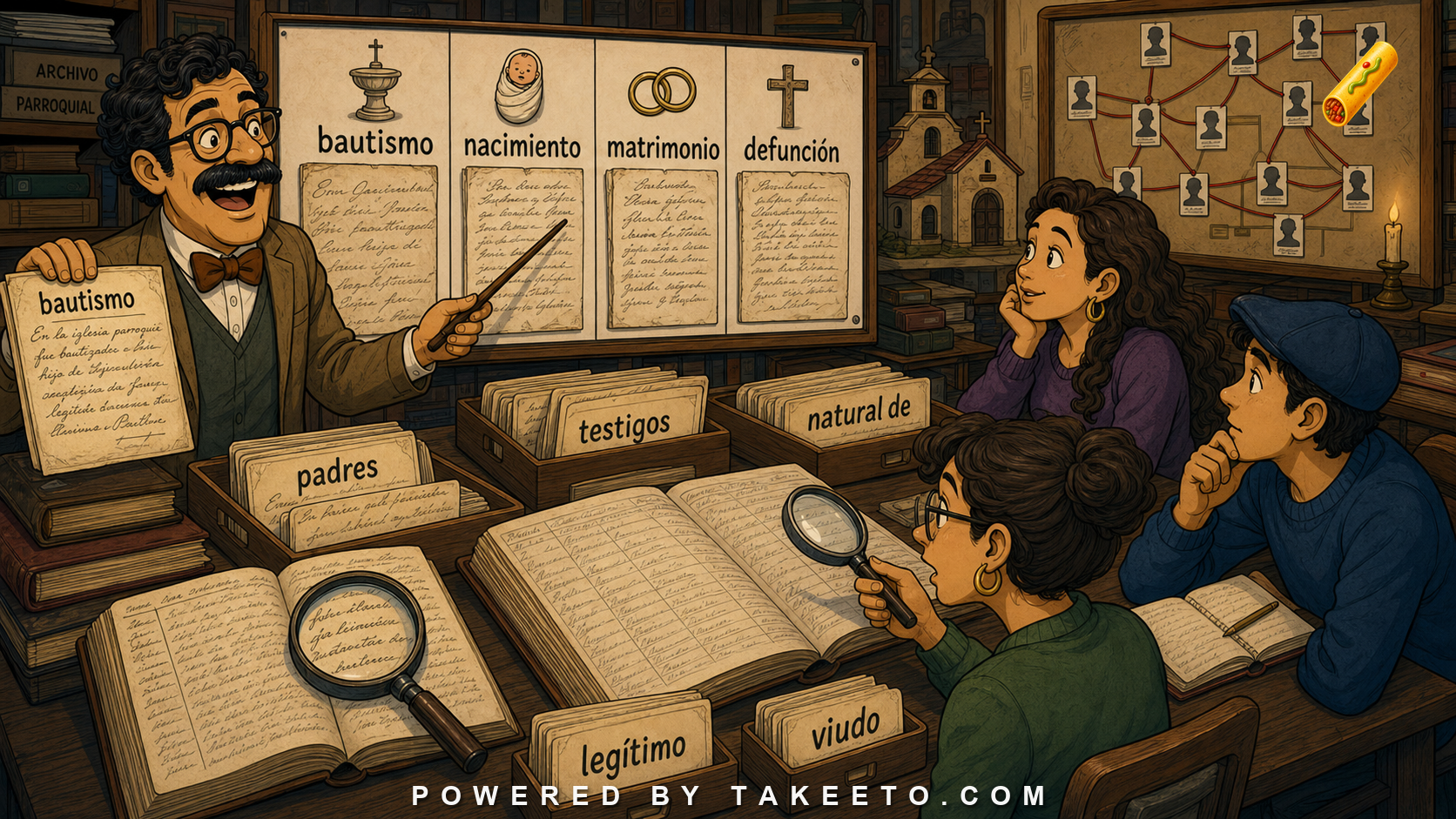
The reader can identify common terms in Spanish genealogical records.
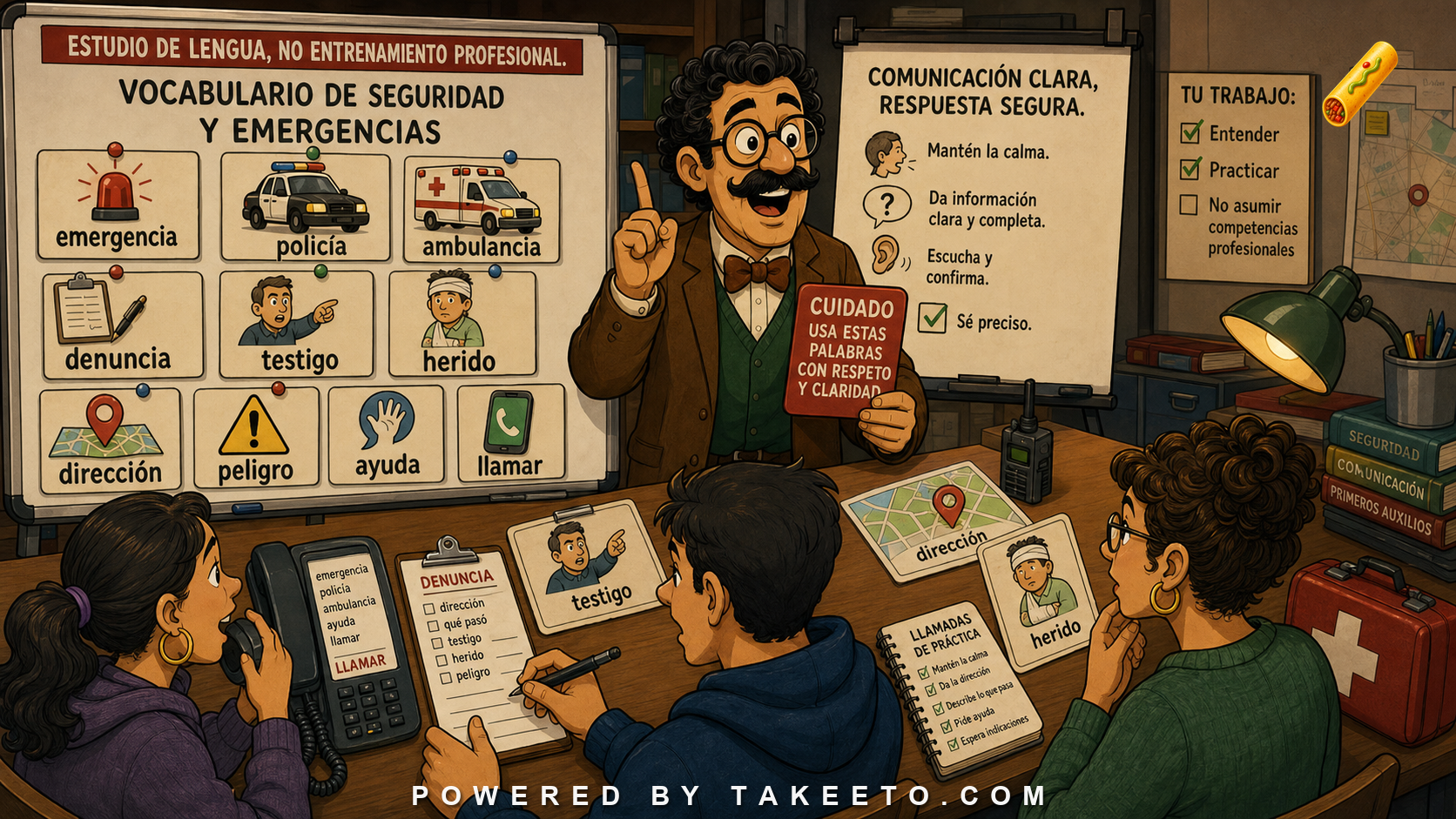
The reader can understand basic safety and emergency vocabulary without overclaiming professional competence.
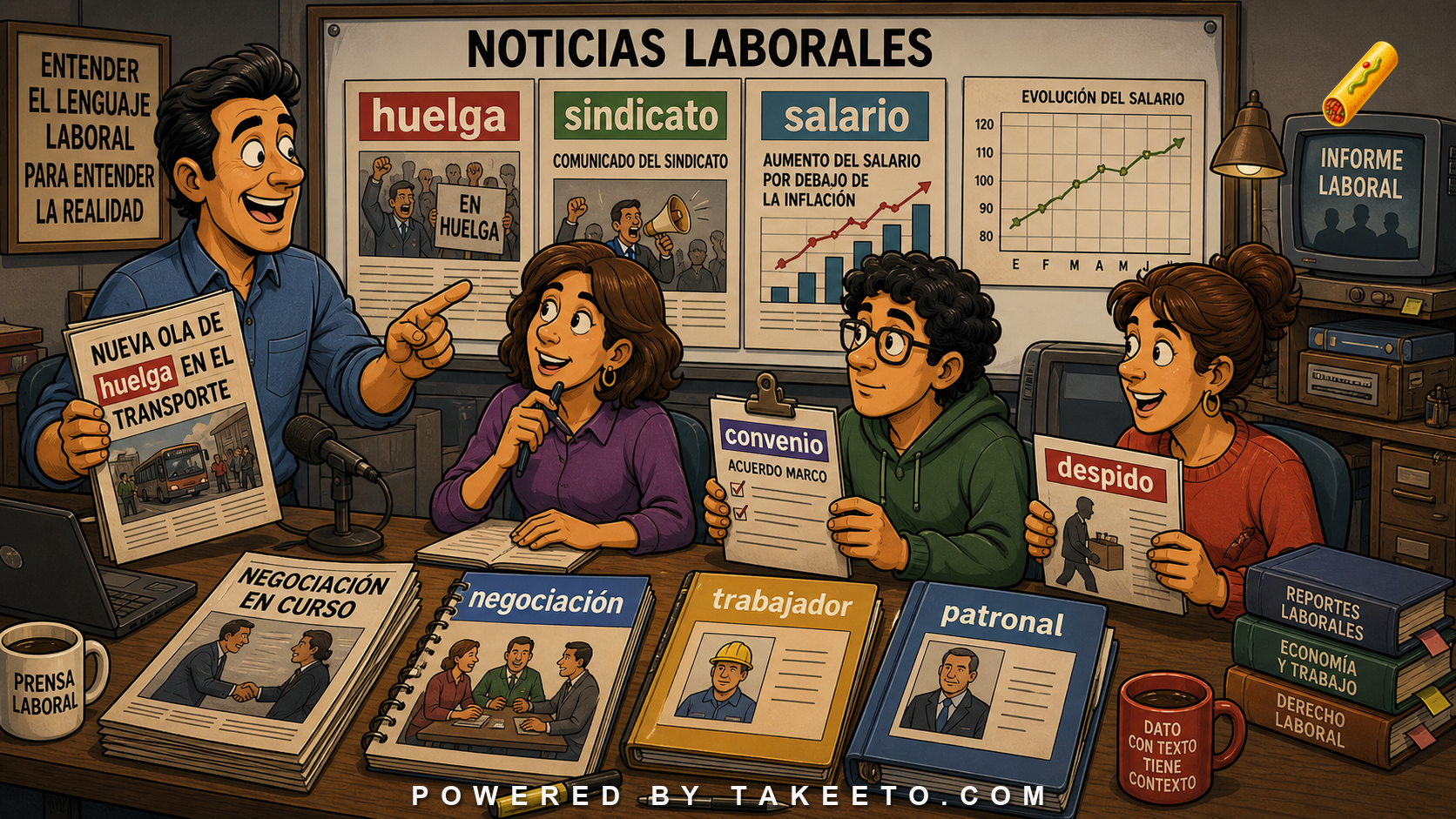
The reader can understand labor reporting and union statements.
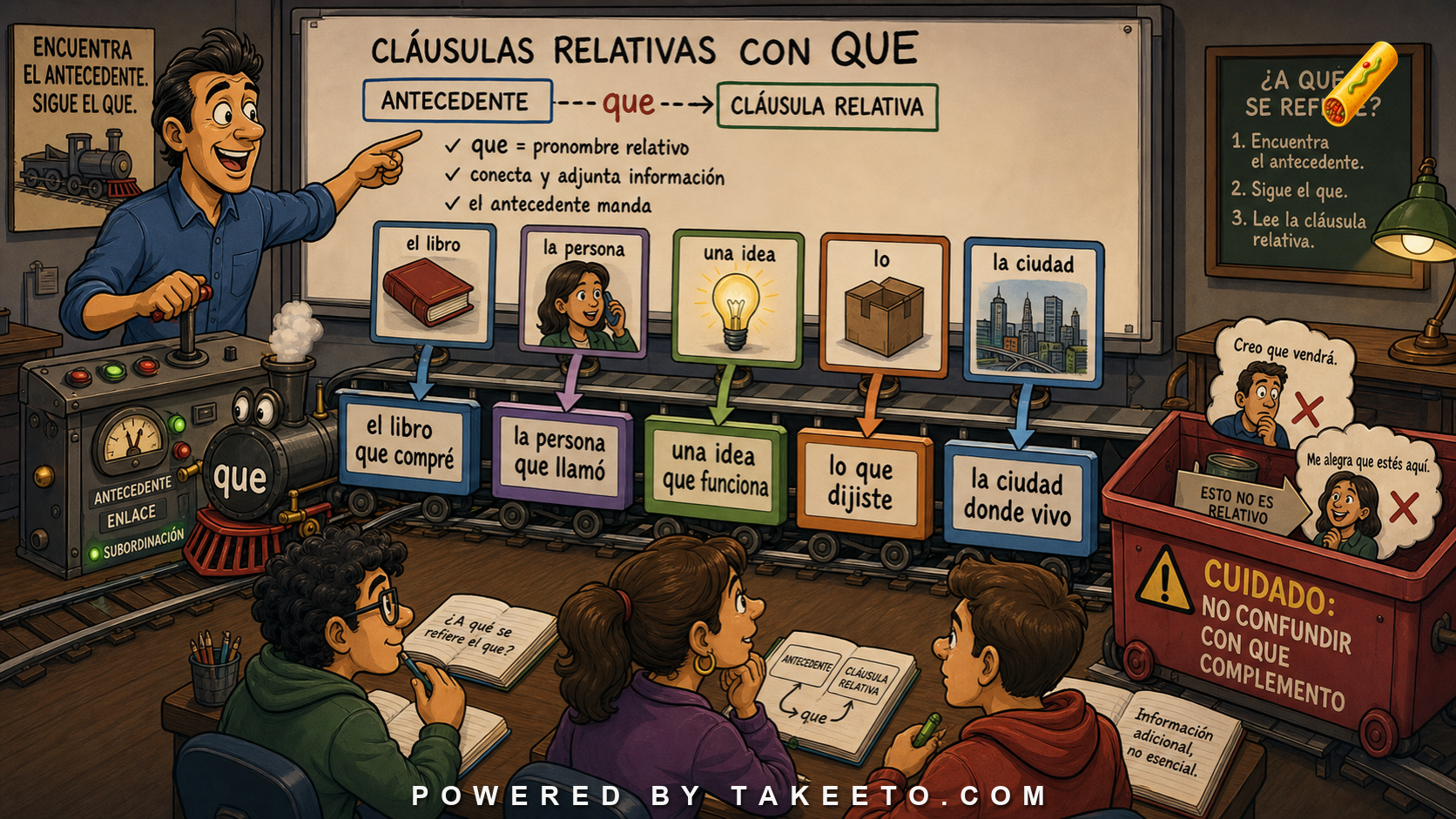
The reader can parse que relative clauses, find their antecedents, and avoid confusing relative que with complement que.
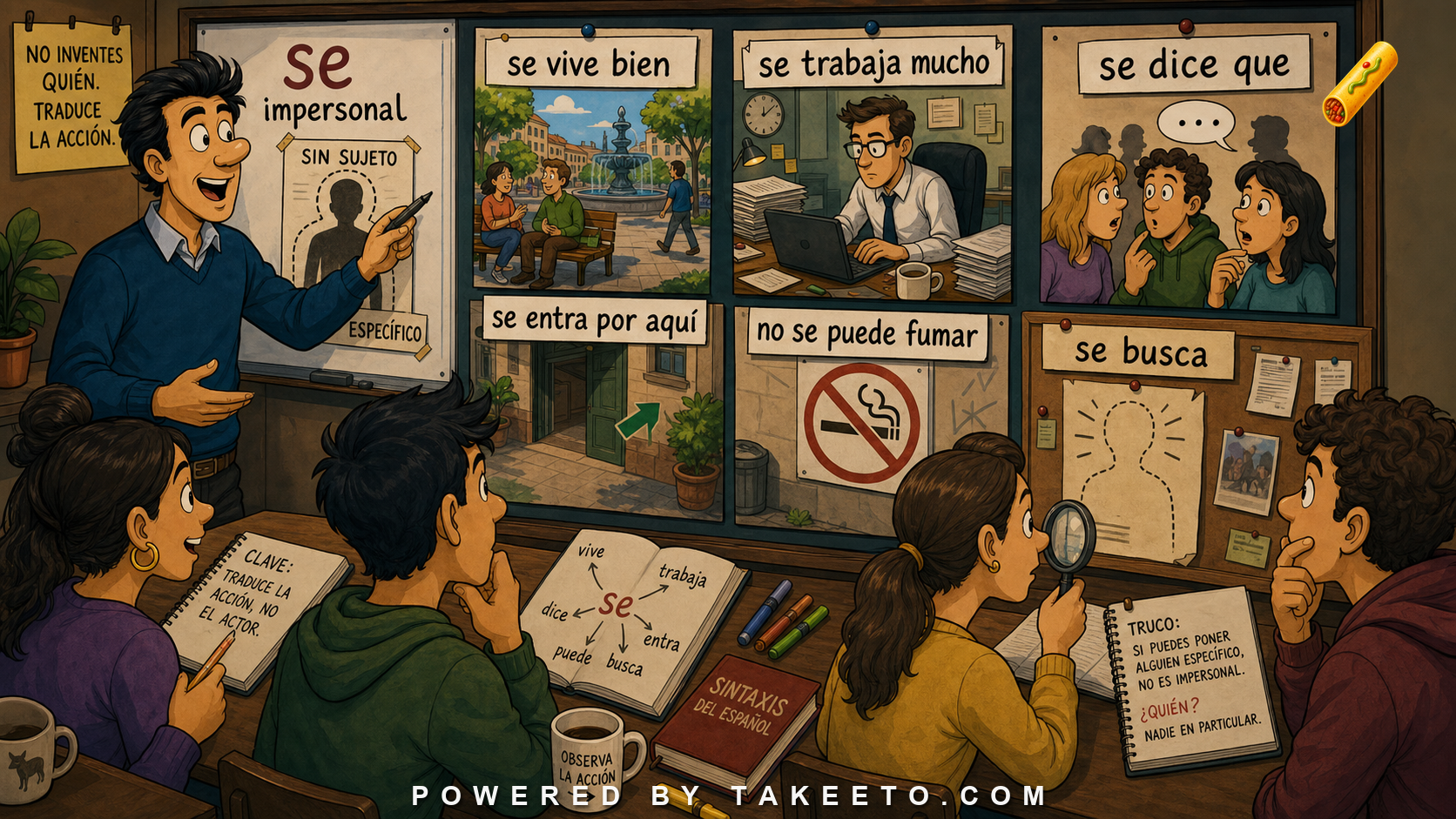
The reader can identify impersonal se and translate it without inventing a specific agent.
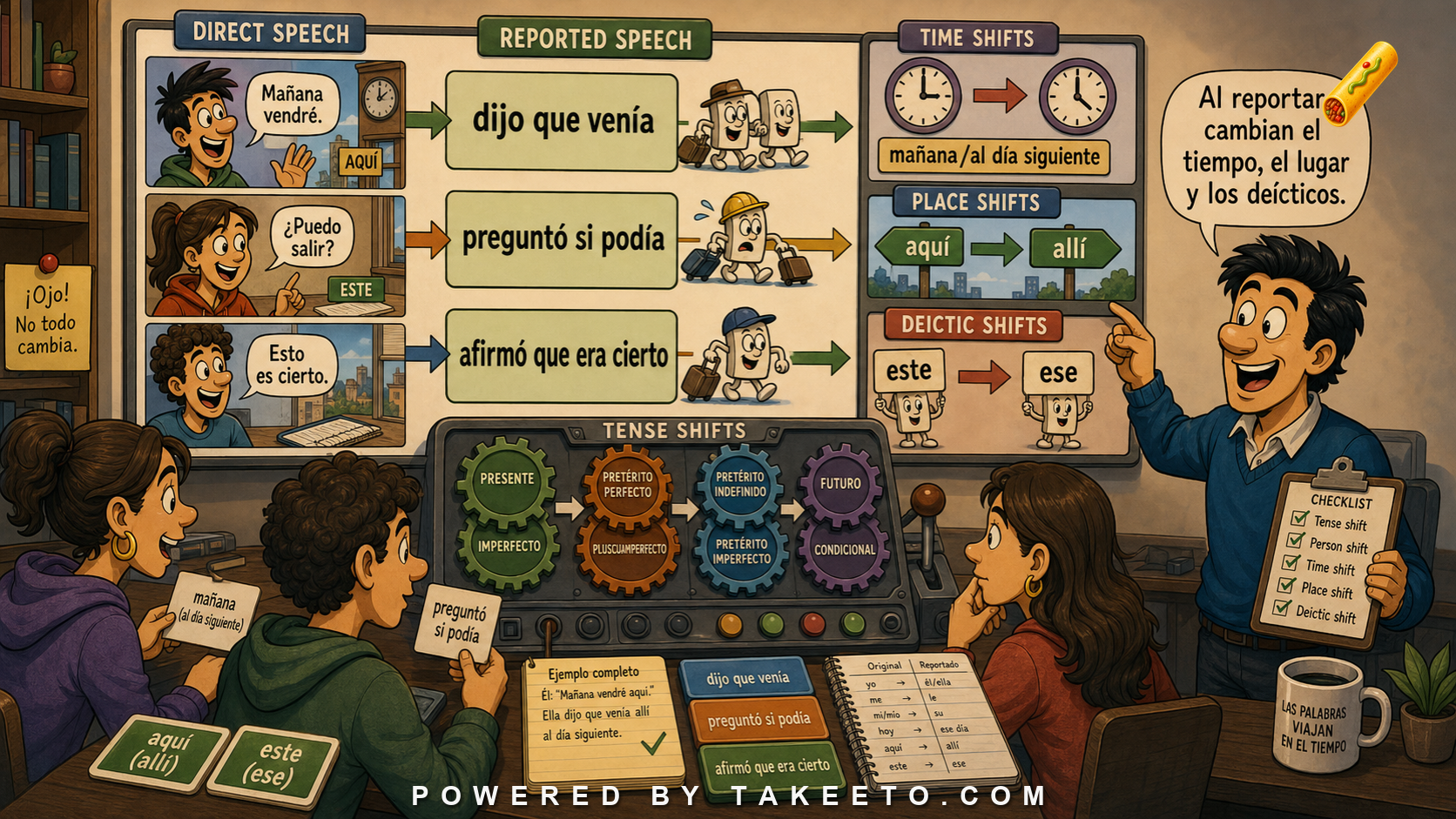
The reader can transform direct speech into reported speech while tracking tense, person, and time references.
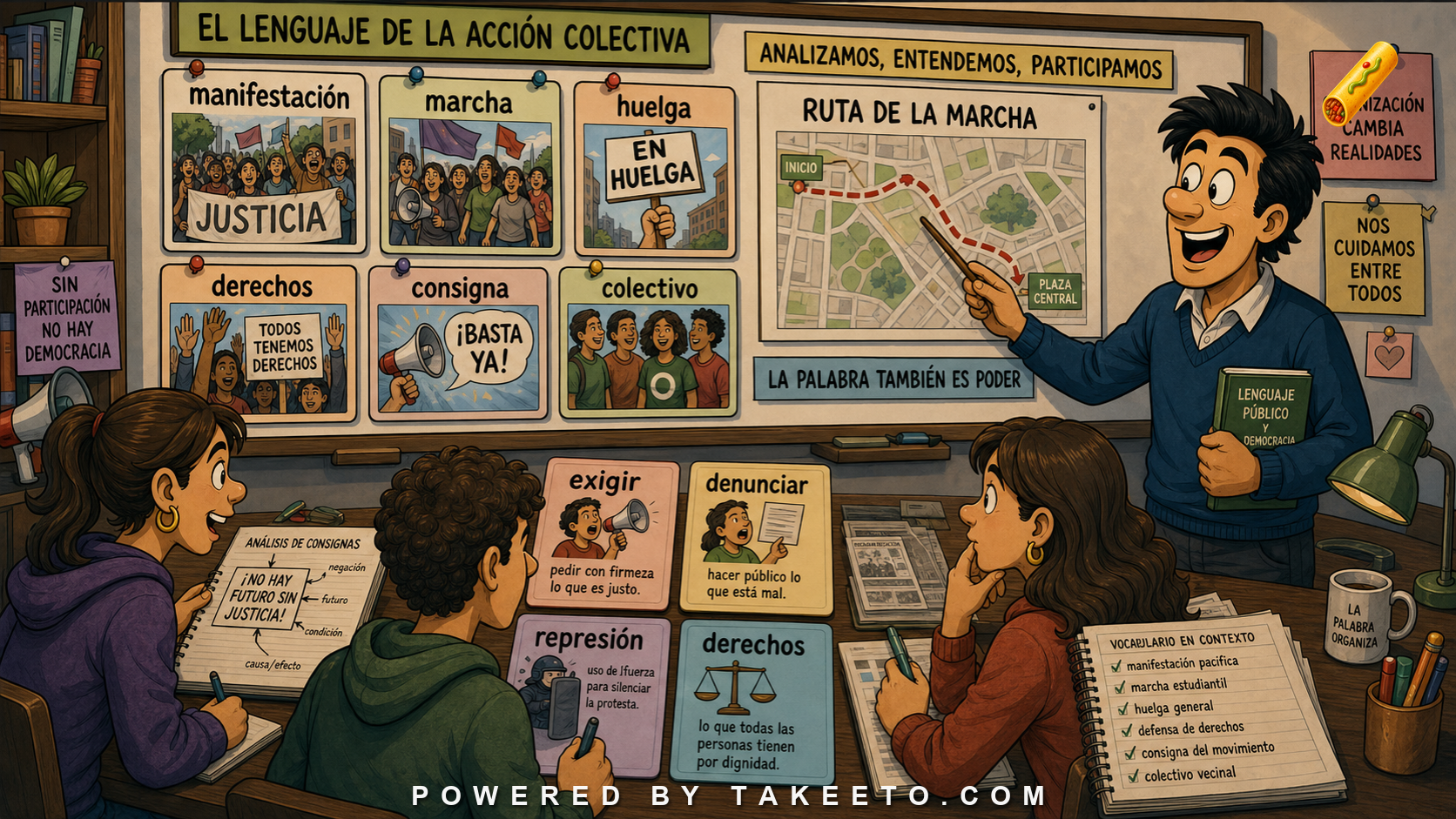
The reader can understand demonstration, activism, and rights language.
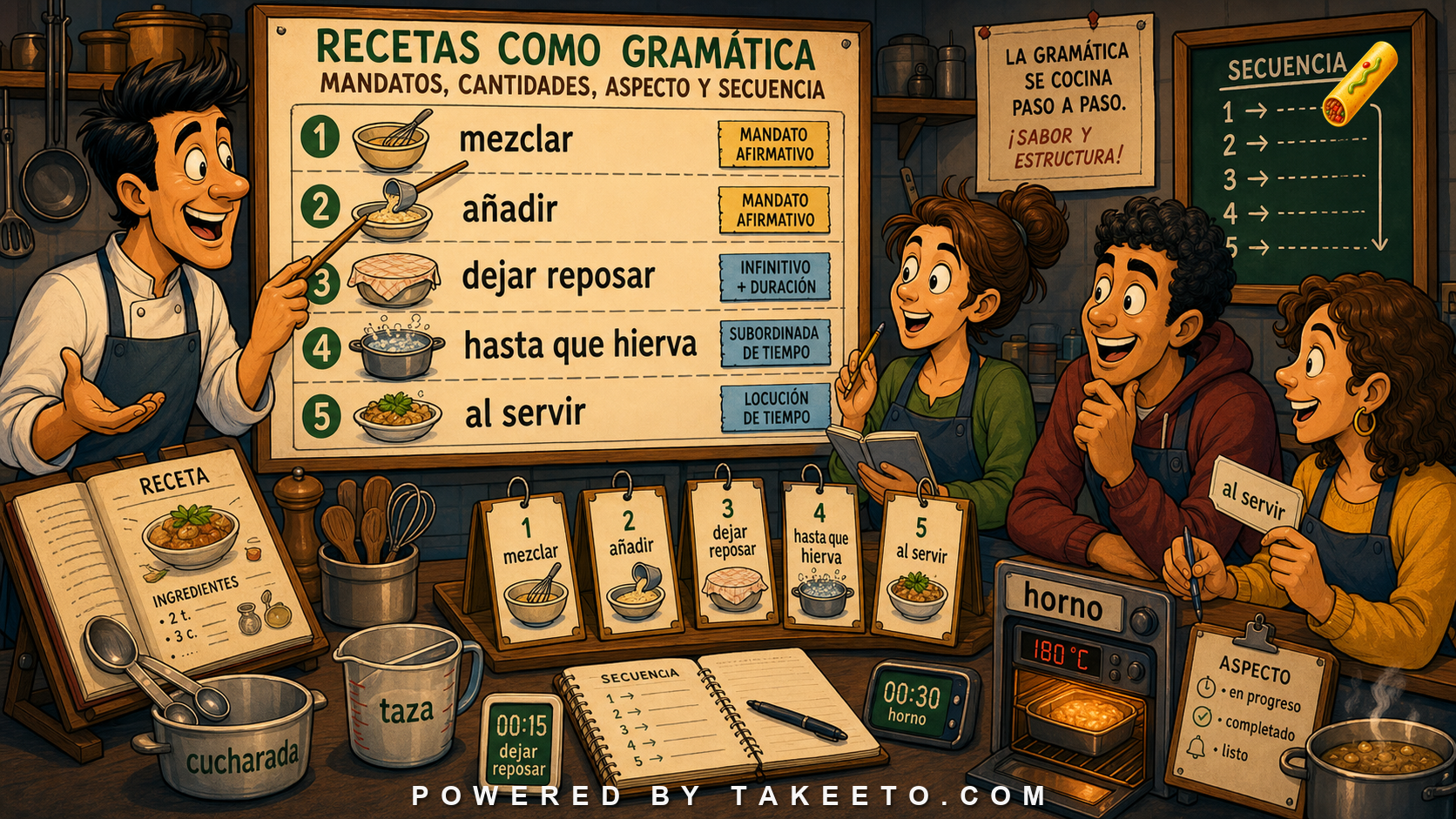
The reader can use recipes to study imperative, infinitive, and sequence structures.
The reader can recognize basic legal structures without mistaking them for everyday grammar.
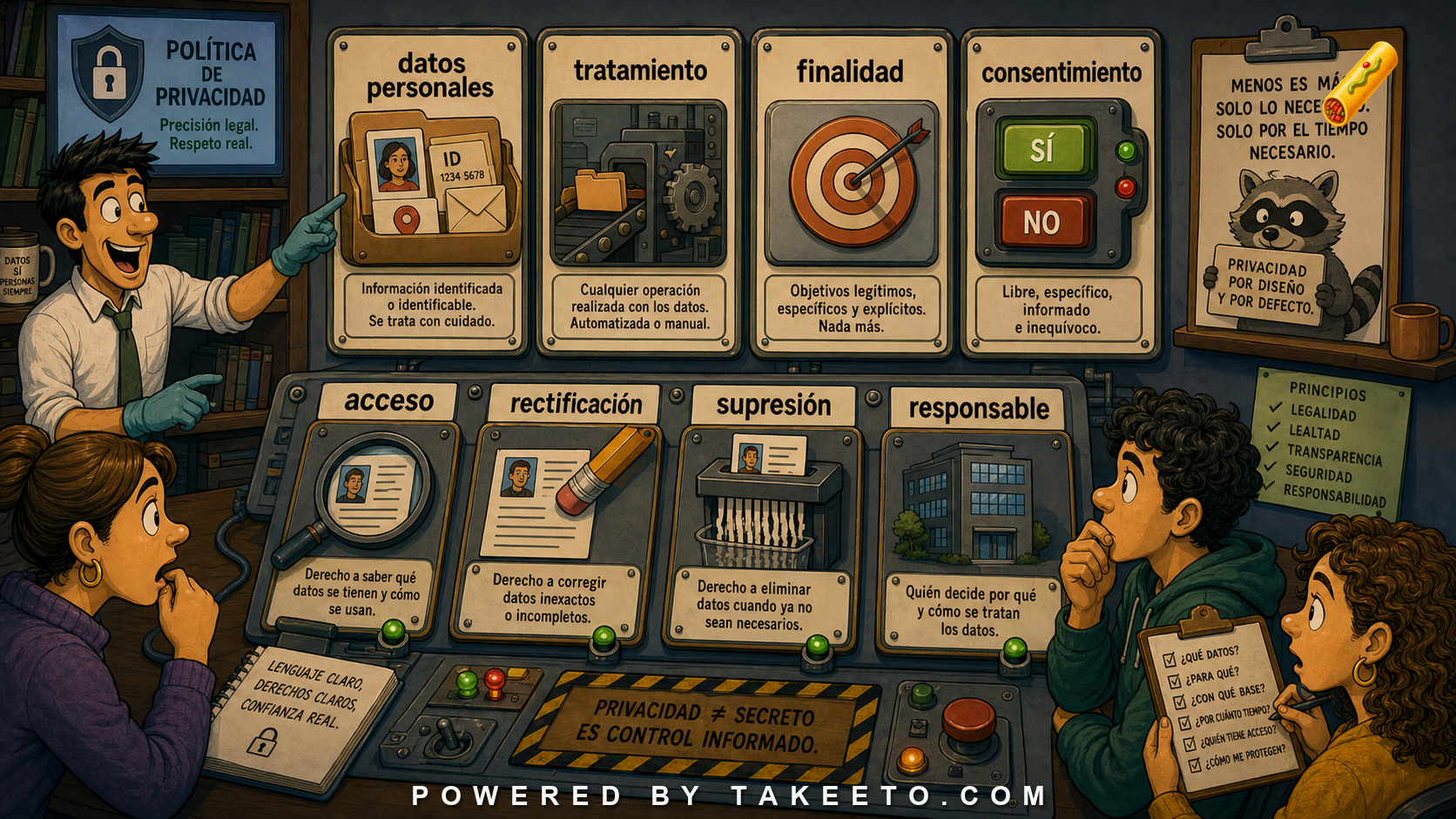
The reader can recognize core privacy and data-protection vocabulary.
The reader can interpret signs as compressed institutional speech, not as incomplete textbook sentences.
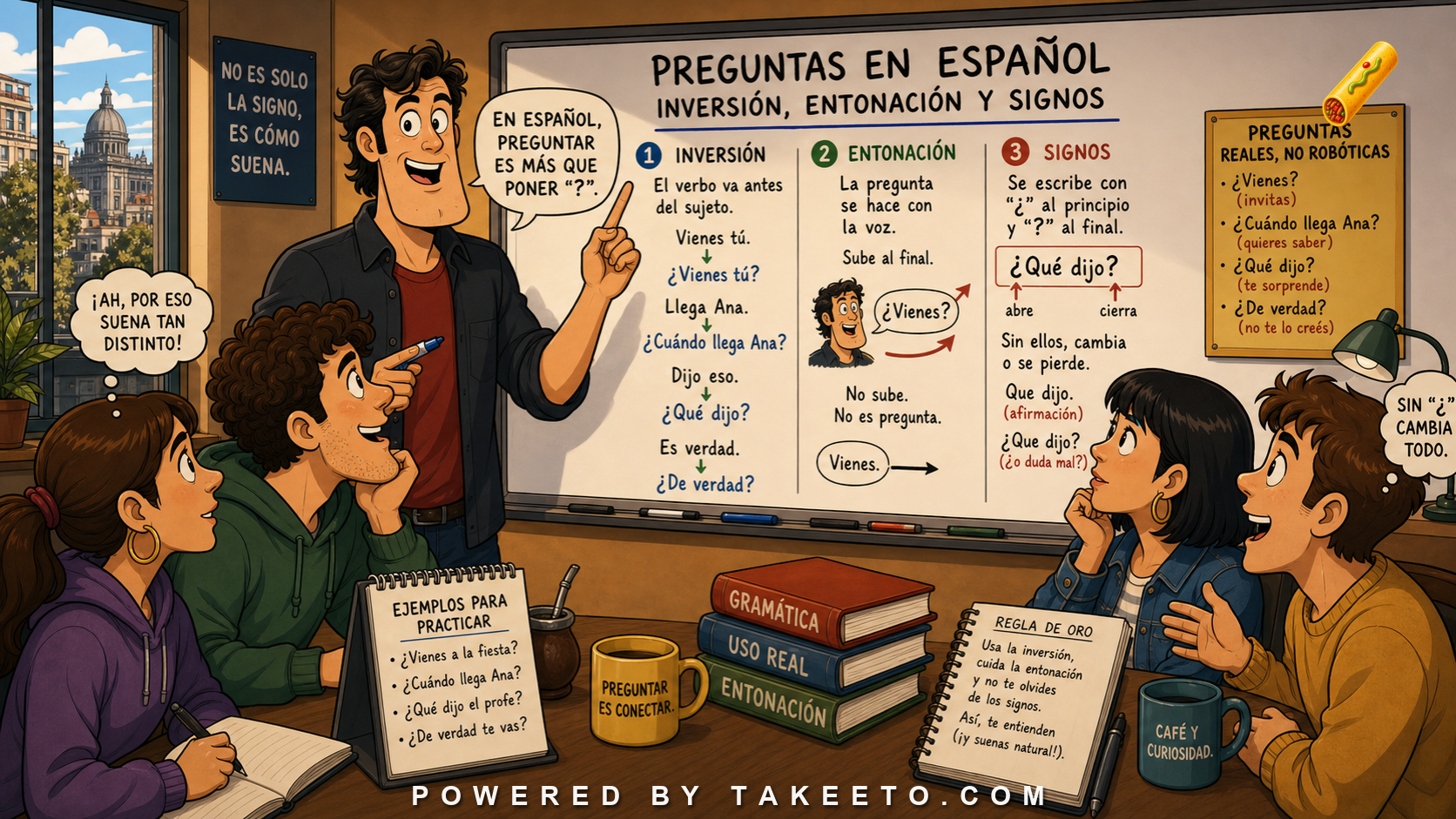
The reader understands Spanish question formation beyond adding question marks.
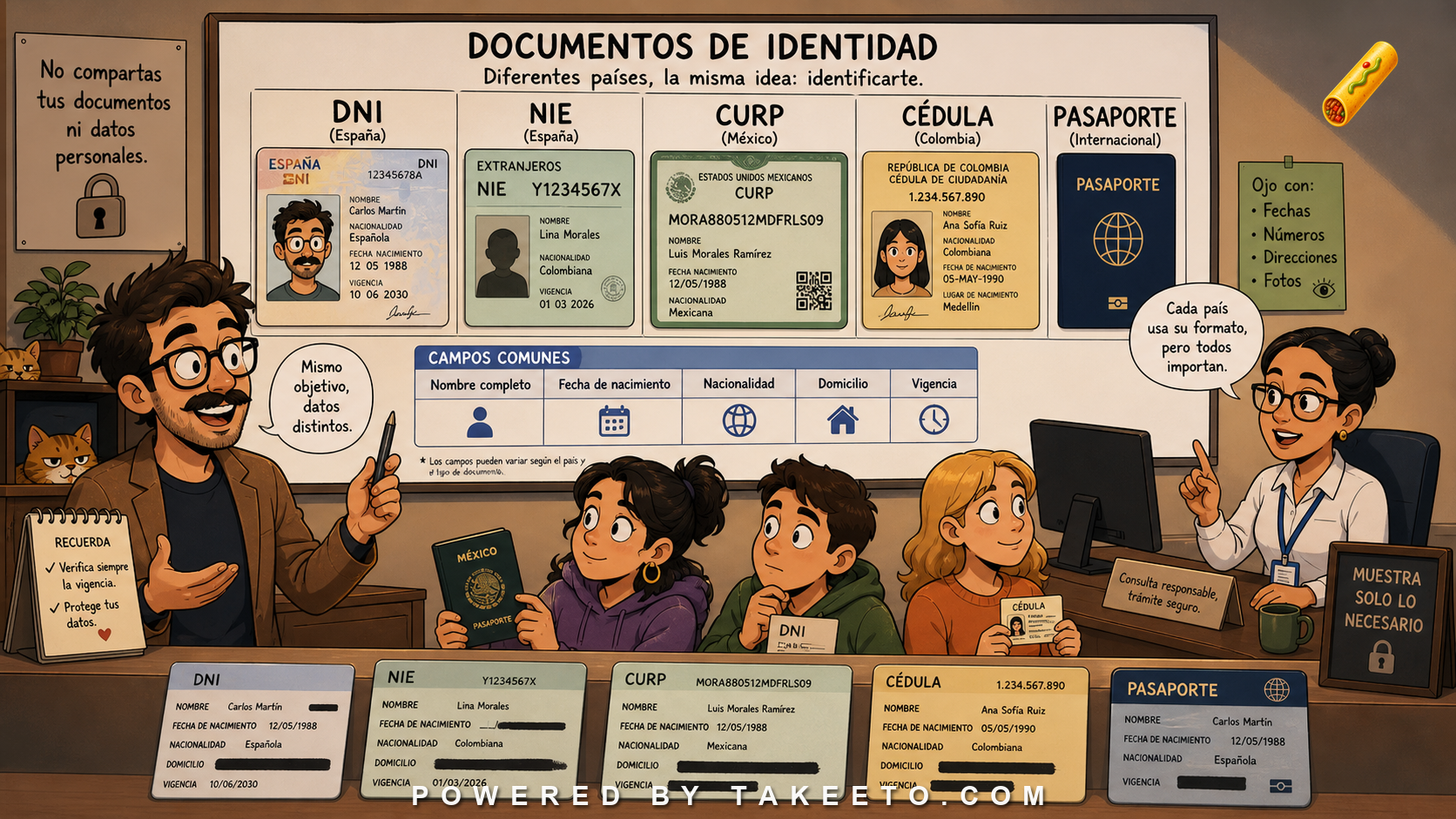
The reader can recognize identity-document vocabulary across countries and understand common fields with privacy caution.
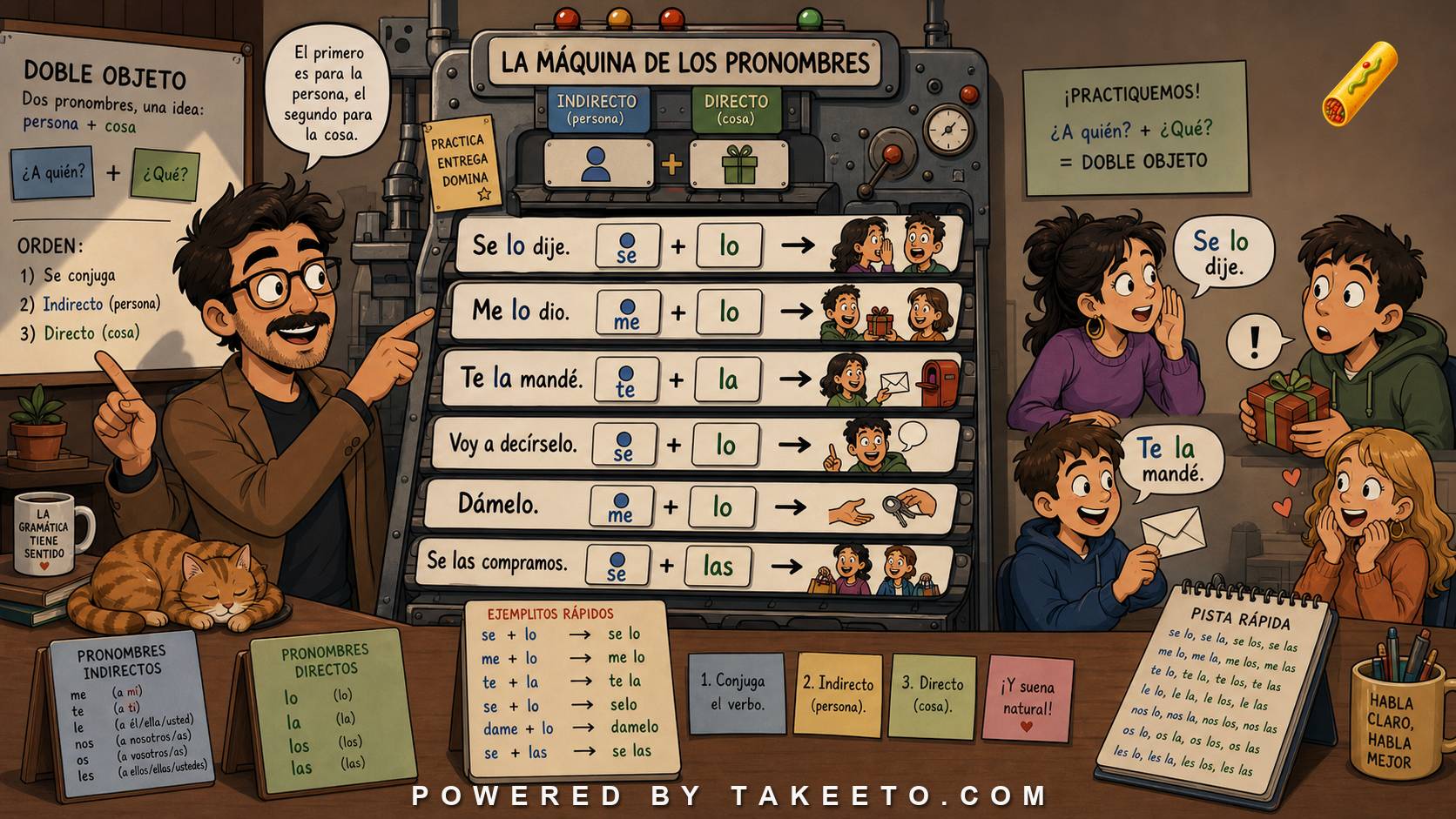
The reader can form and parse Spanish double-pronoun sequences.
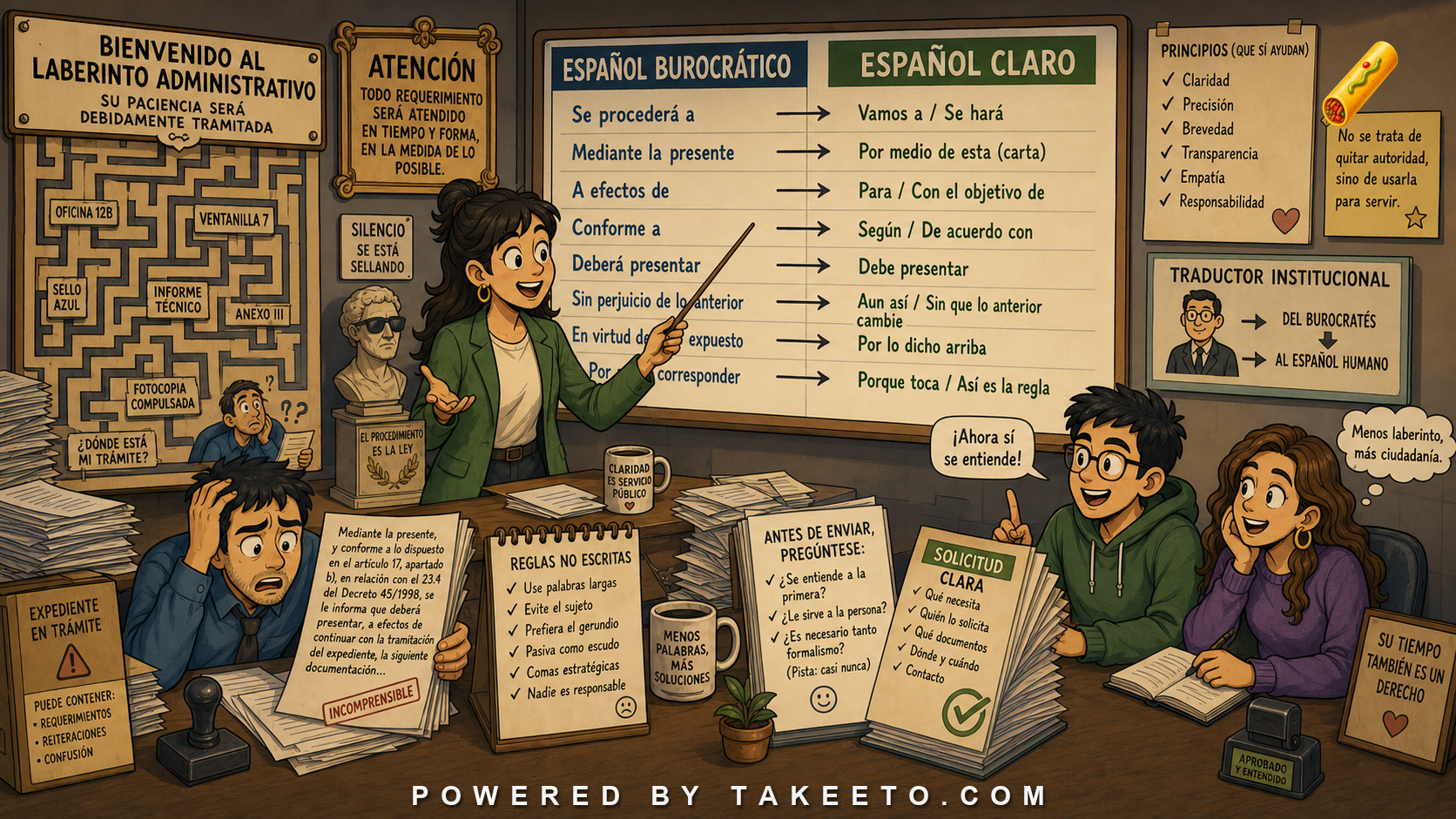
The reader can unpack bureaucratic Spanish without adopting its worst habits.
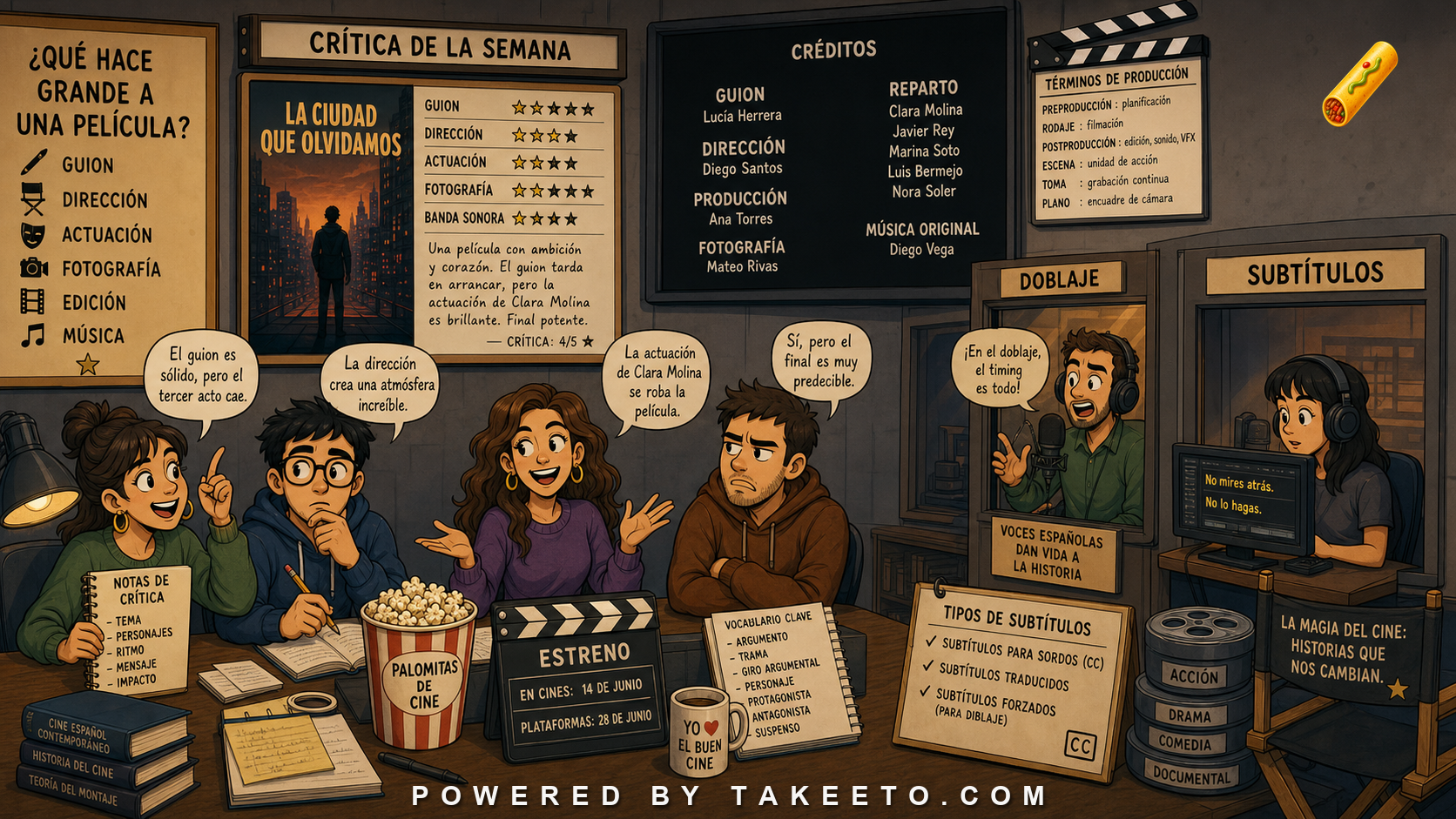
The reader can read reviews, credits, and production descriptions.
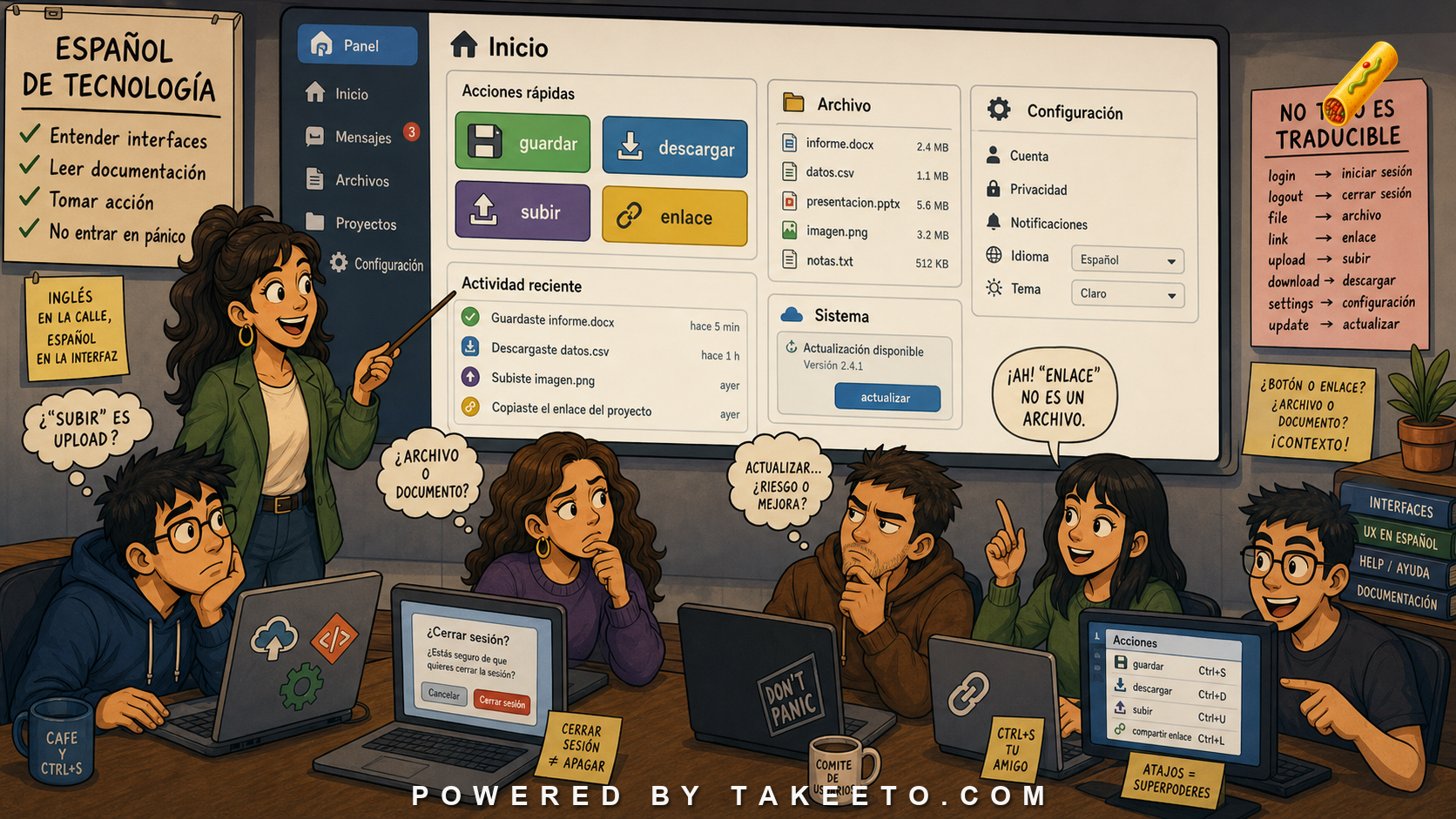
The reader can parse Spanish software interfaces and tech writing.
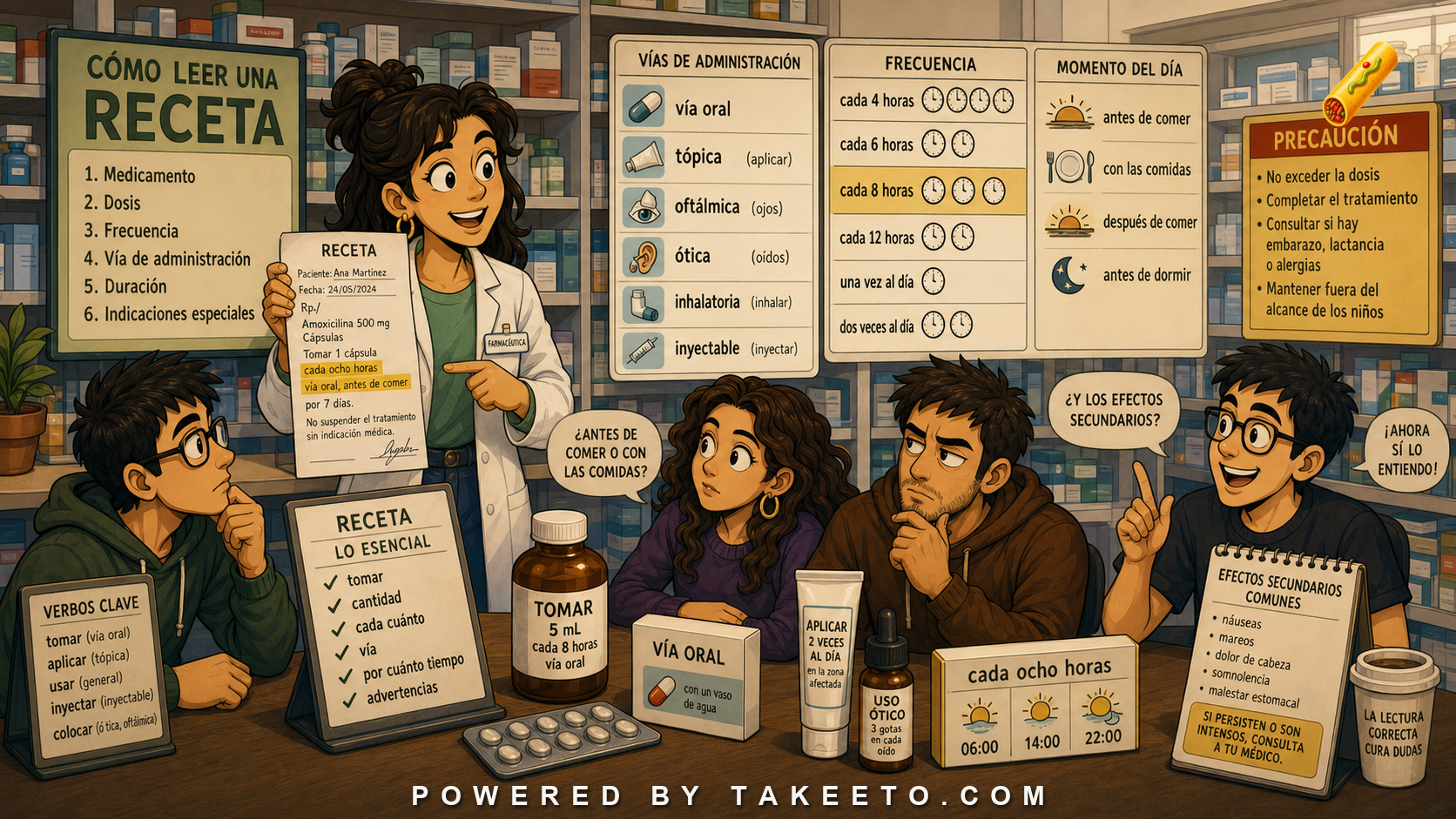
The reader can read dosage, frequency, route, warnings, and duration in Spanish medication texts.
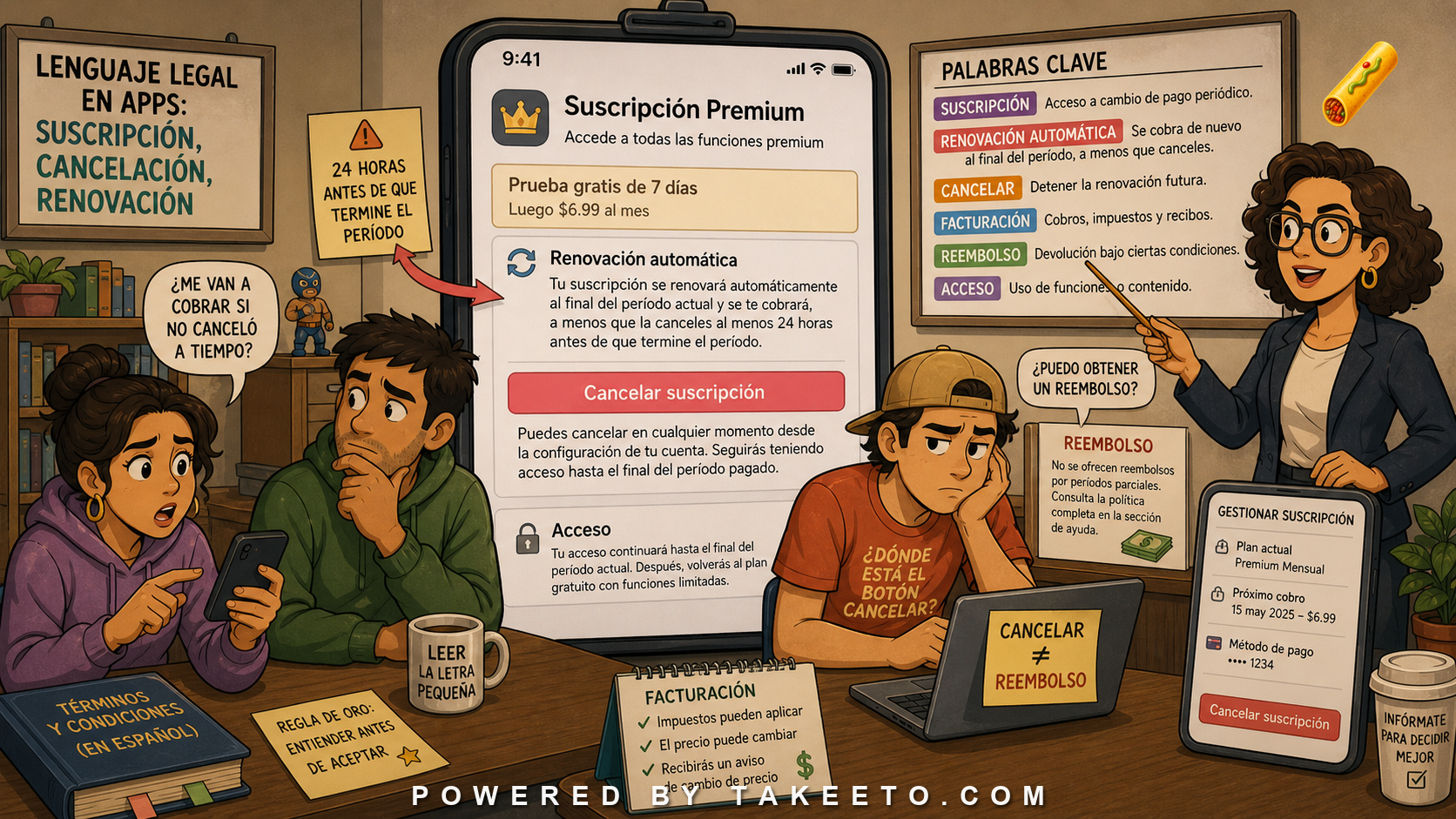
The reader can understand Spanish subscription notices, renewal language, cancellation conditions, billing terms, and user obligations.
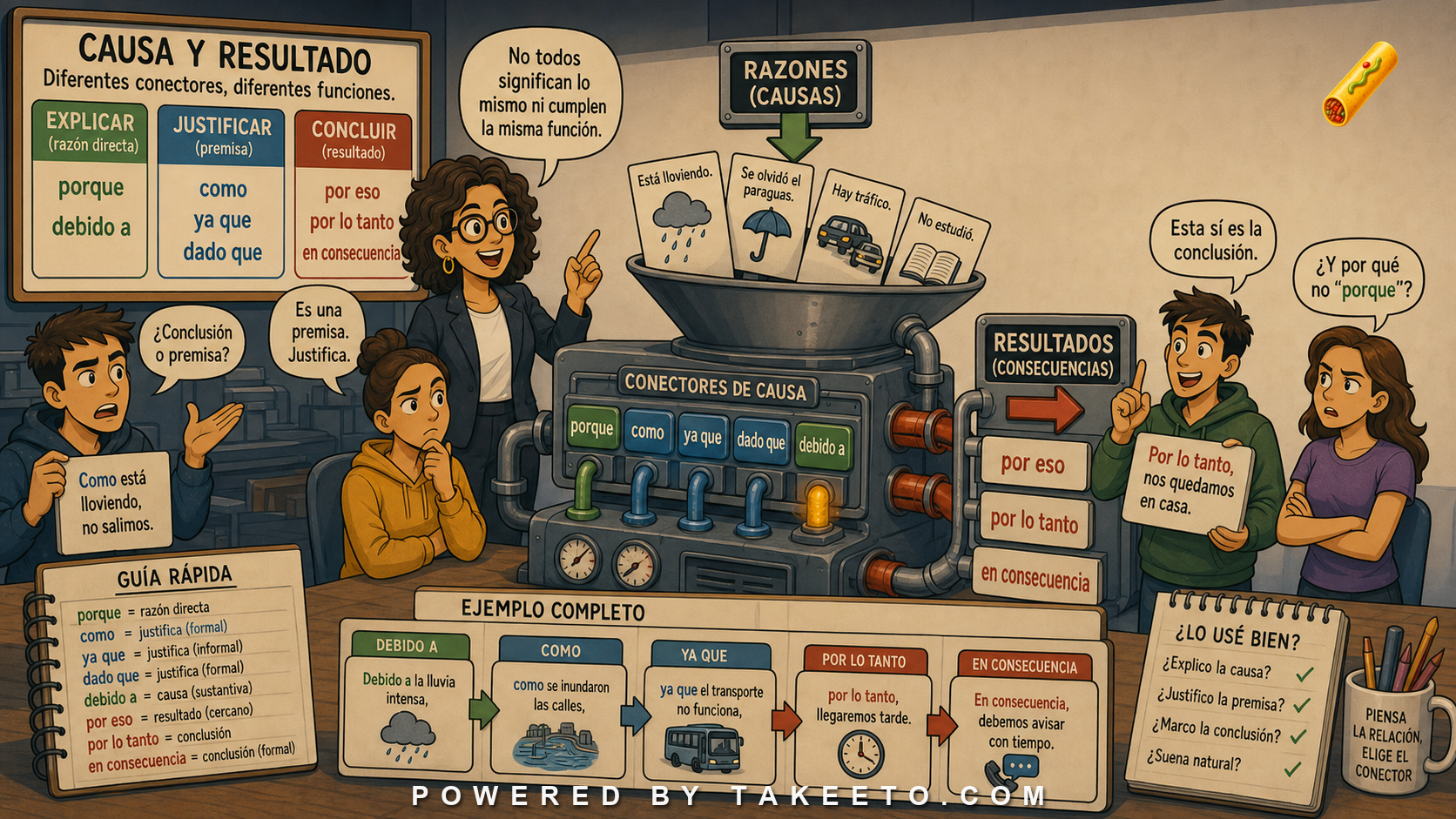
The reader can distinguish causal explanation, premise, and conclusion in Spanish.
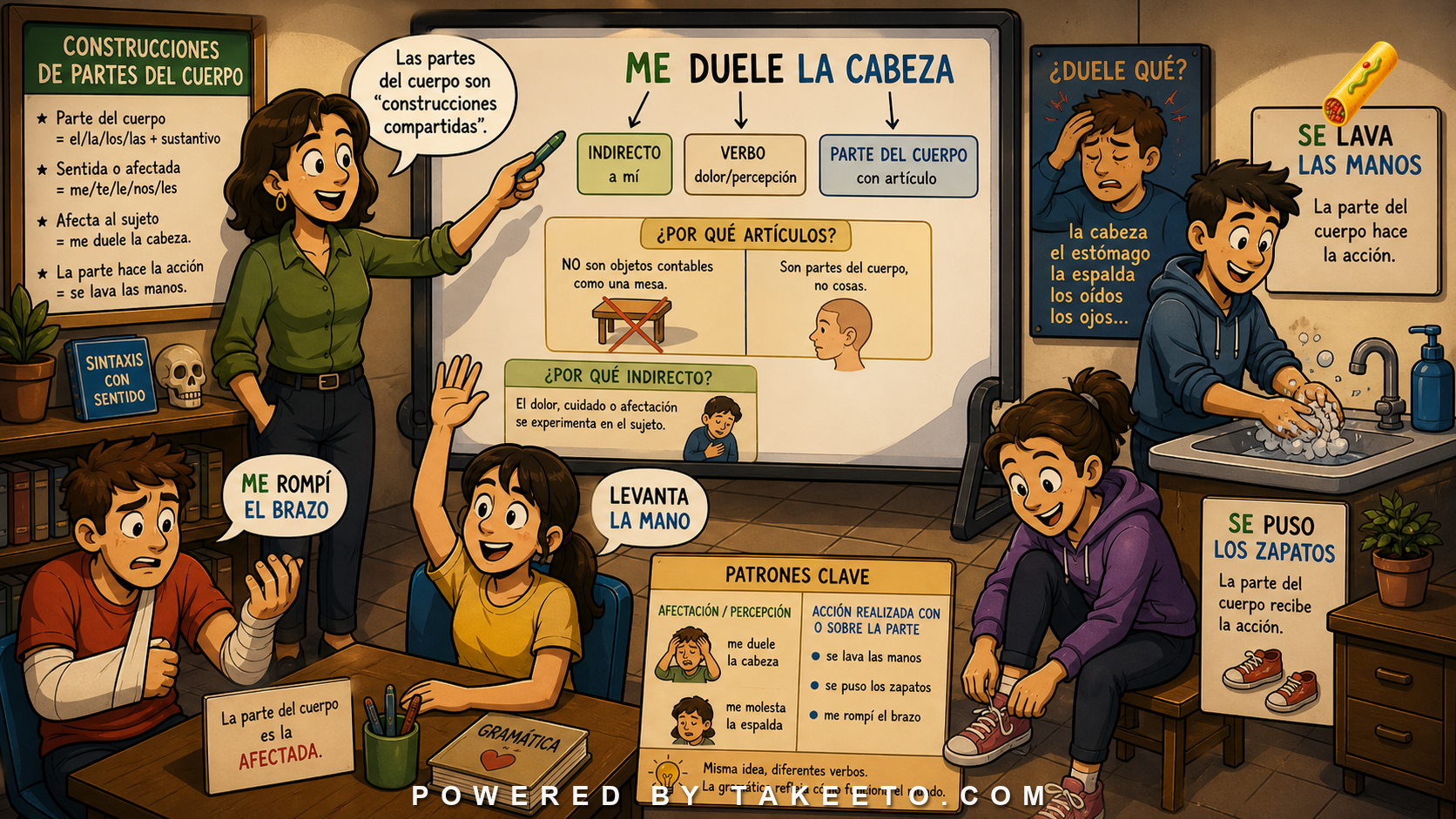
The reader understands why Spanish uses articles and indirect objects with body parts.
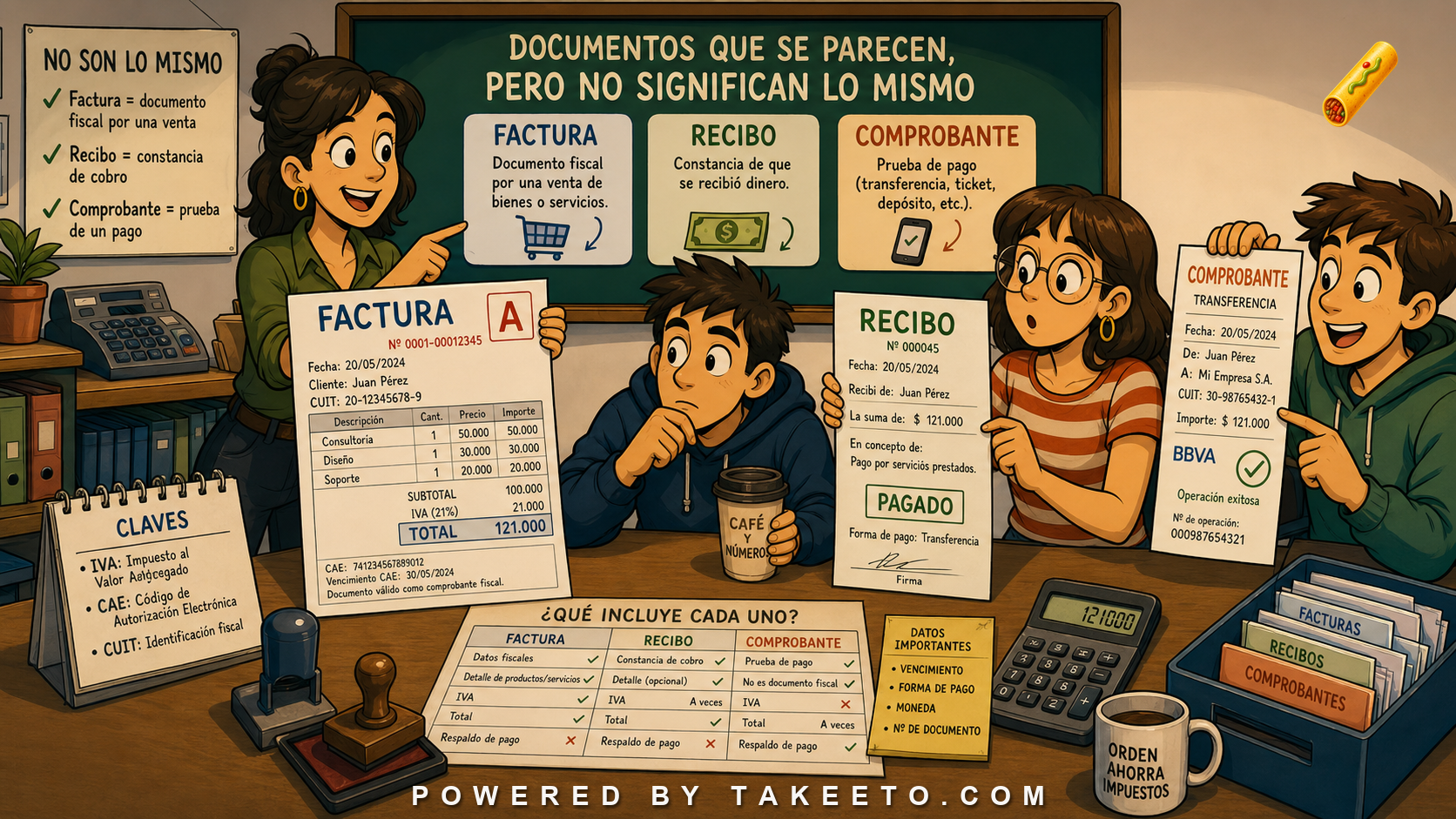
The reader can distinguish invoice, receipt, proof of payment, and tax document.
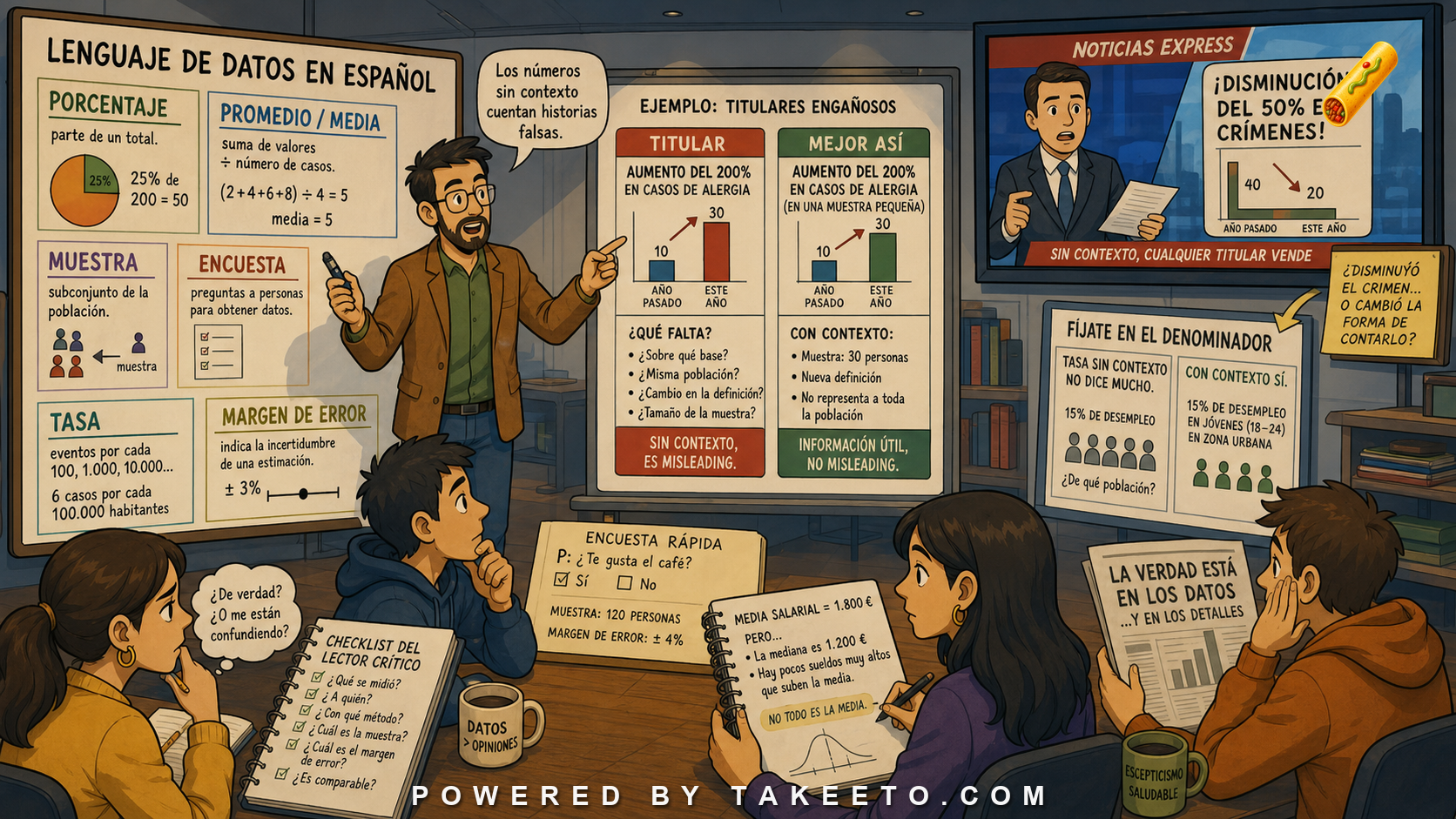
The reader can read basic statistical claims in Spanish without being misled by vague comparison, weak denominators, or media framing.
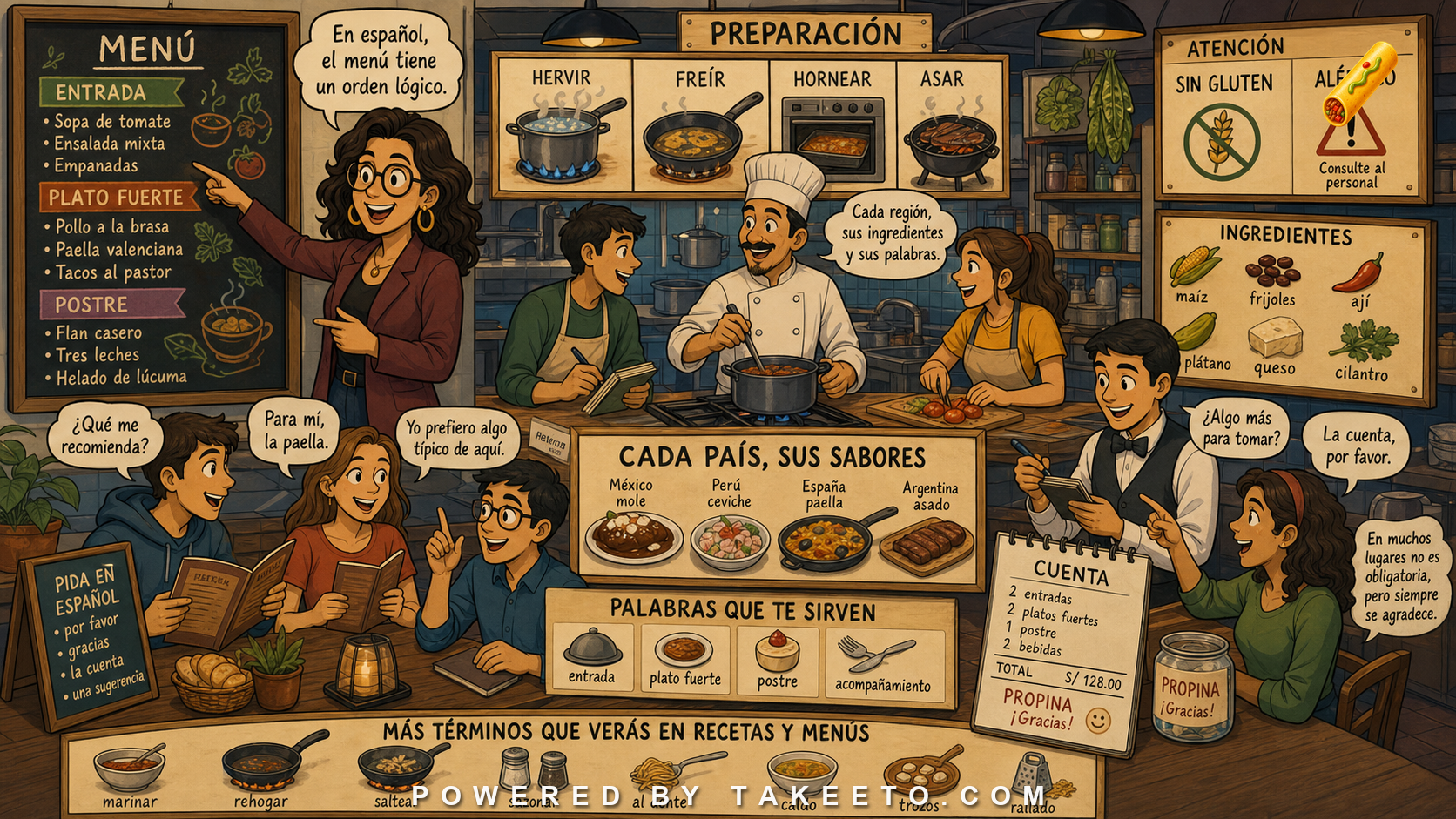
The reader can read menus and recipes with attention to regional variation.
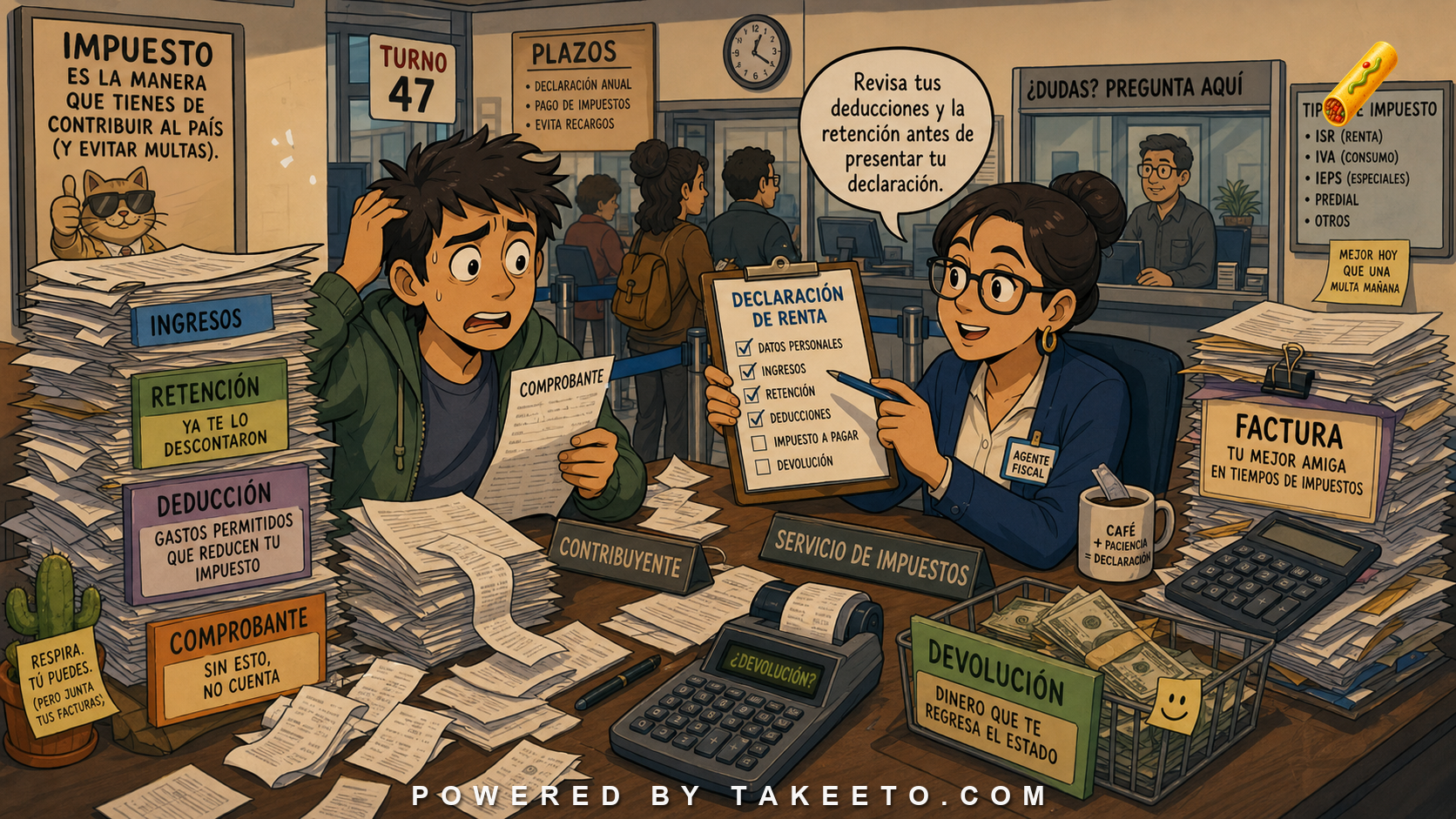
The reader can recognize basic tax vocabulary across Spanish-speaking contexts.

The reader can parse Spanish gaming vocabulary and its heavy English contact.
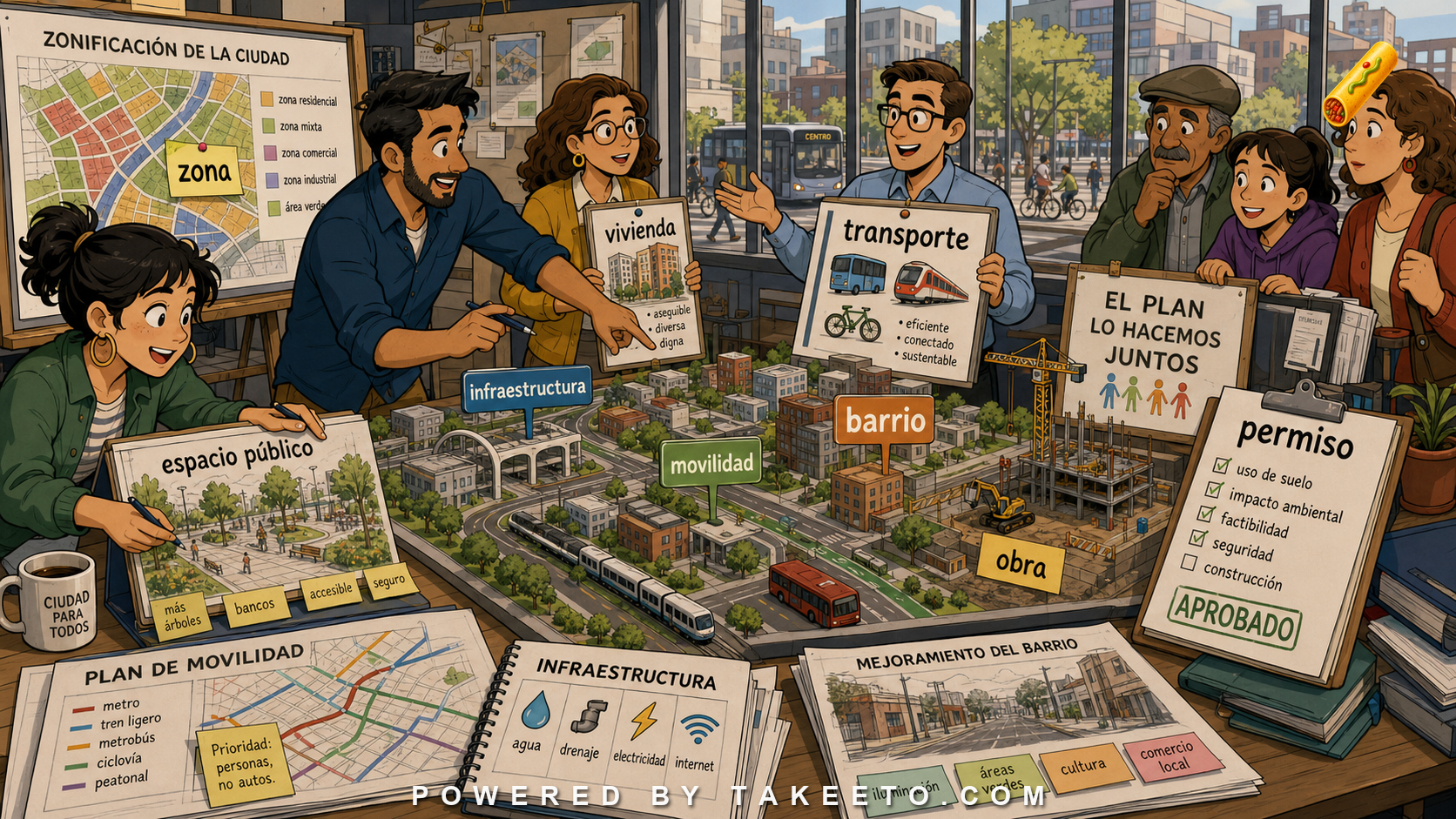
The reader can understand city-planning and municipal Spanish.

The reader can identify reflexive se and distinguish it from other se uses.
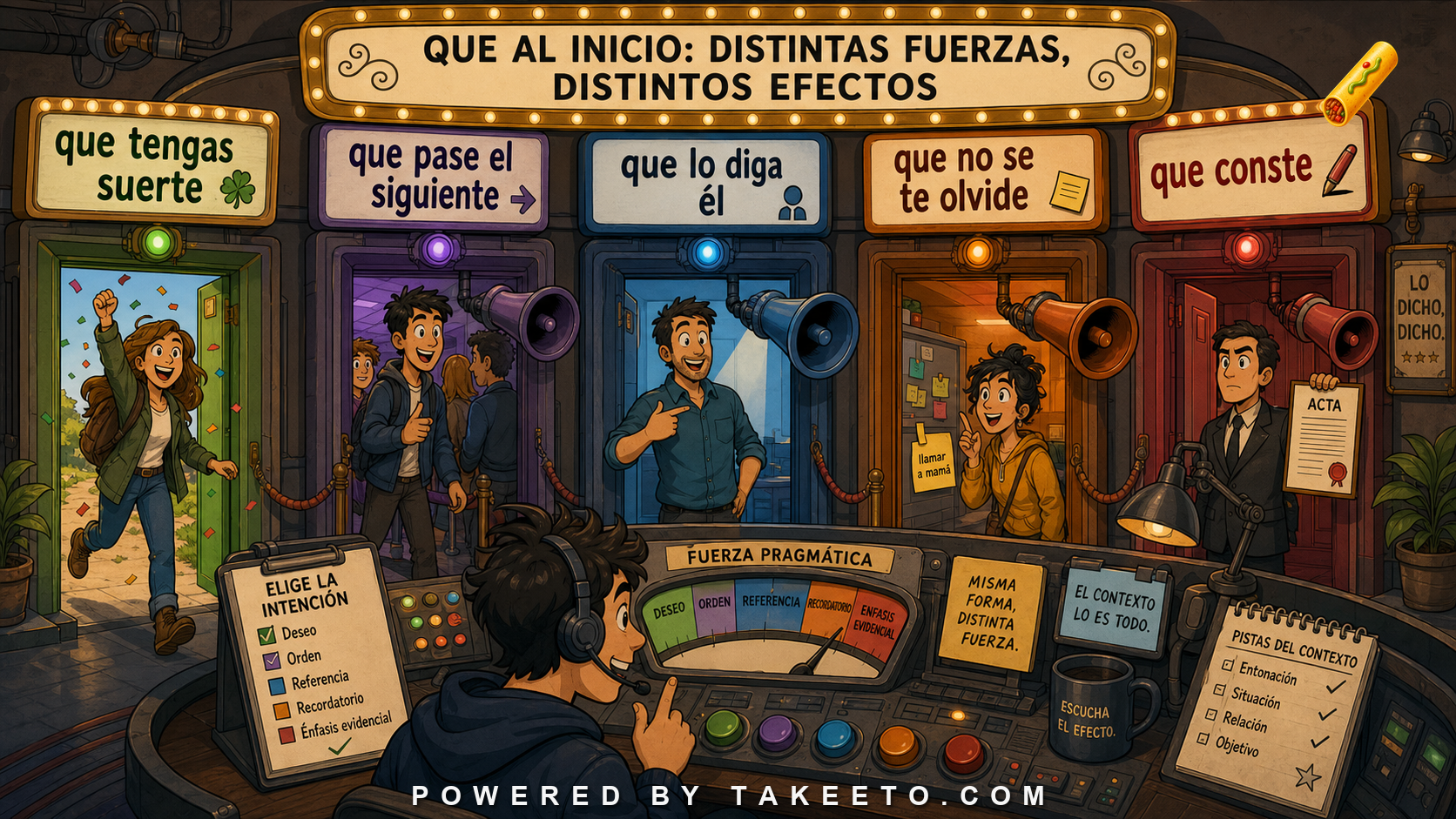
The reader can interpret independent que clauses and their pragmatic force.
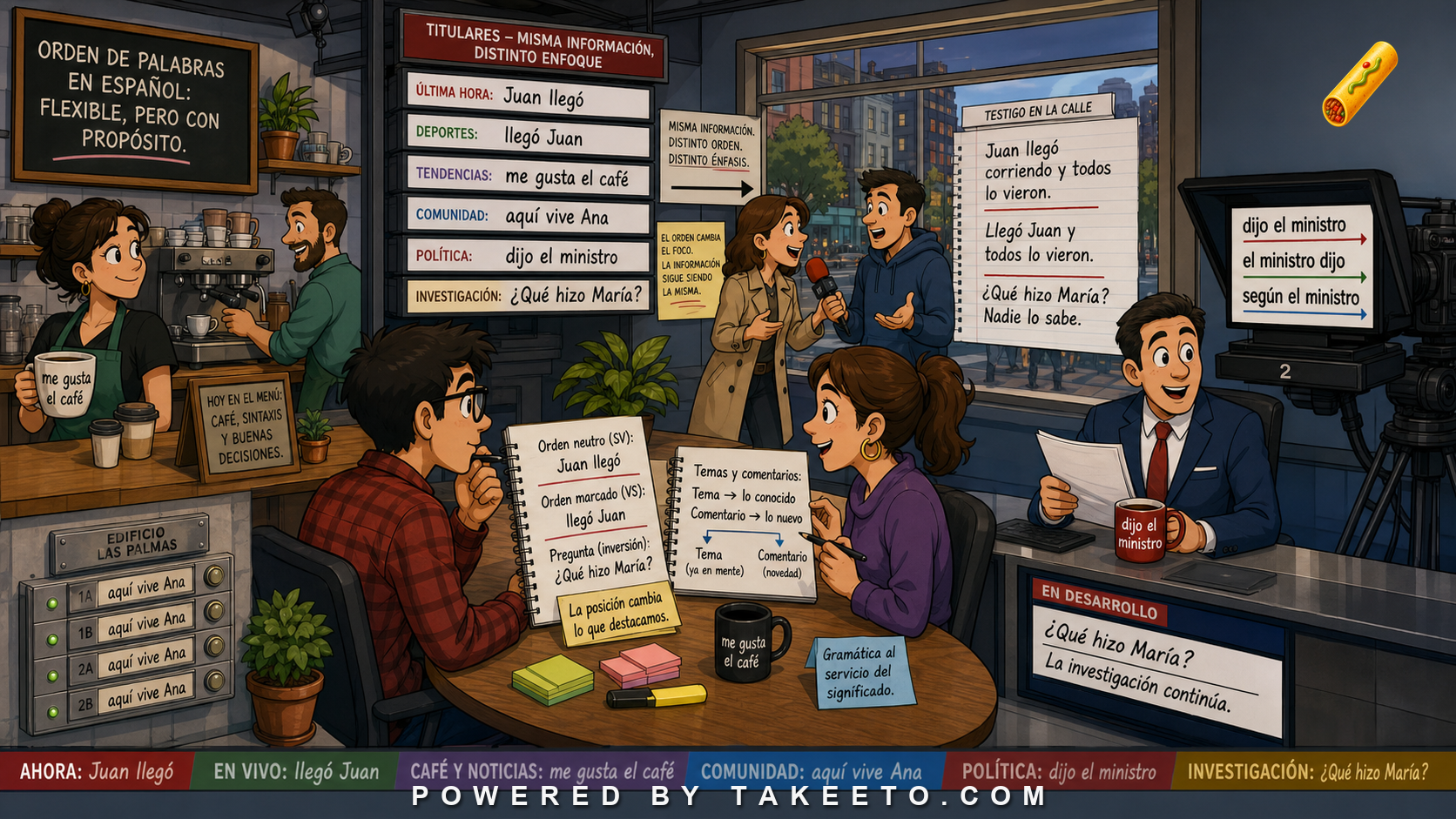
The reader understands Spanish word order as flexible but motivated by grammar and information flow.
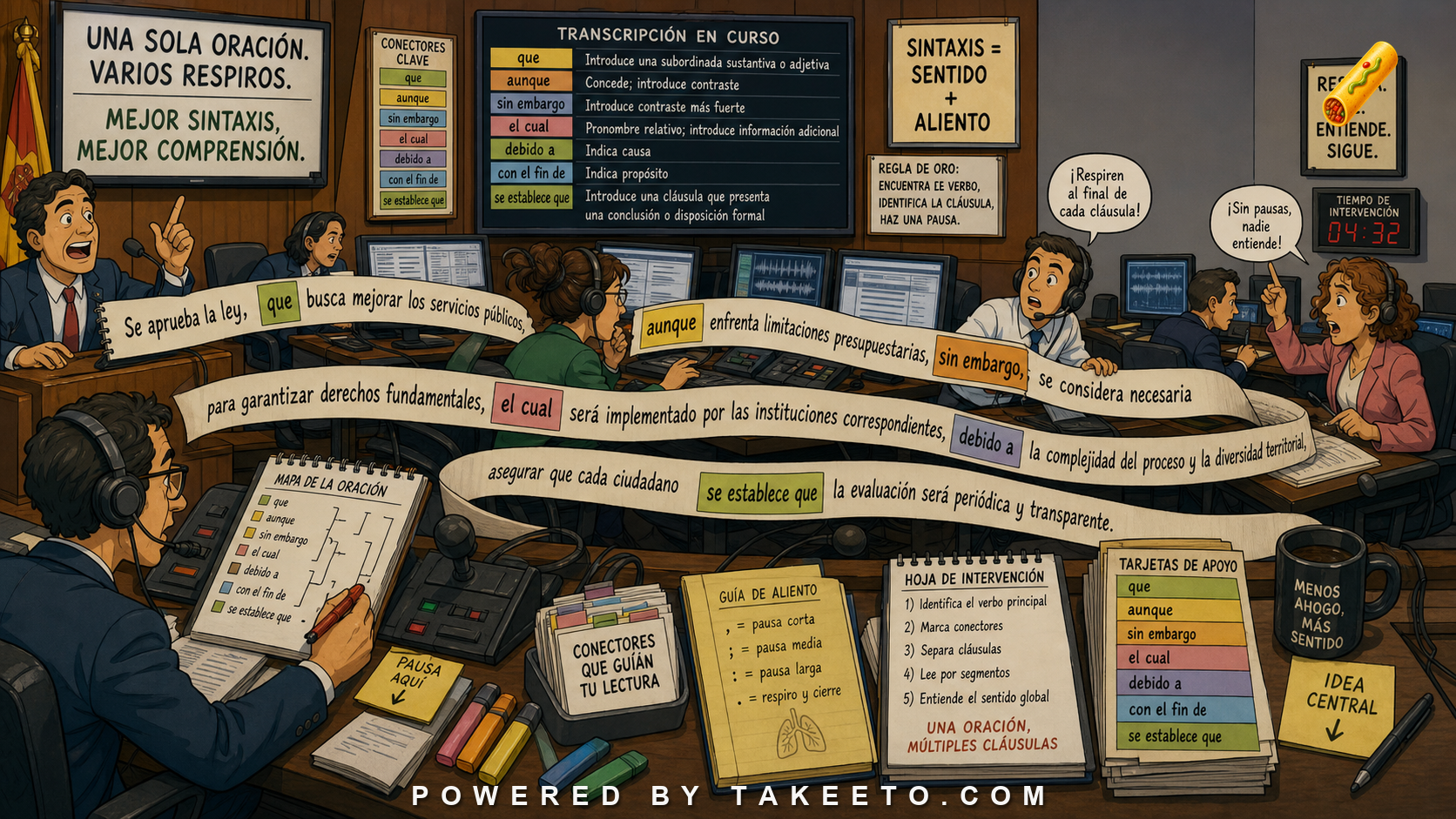
The reader can read long Spanish sentences by identifying clause structure.
The reader can read public education debates in Spanish.
The reader can use neuter relative structures to refer to actions, ideas, facts, and whole propositions.
The reader can distinguish passive se from impersonal se by agreement and noun phrase behavior.
The reader can decide between infinitive complements and finite que clauses.
The reader can read Spanish forecasts and weather alerts.
The reader can distinguish everyday health vocabulary from clinical terminology.
The reader can identify actors, decisions, deadlines, and appeal language in official Spanish.
The reader can read museum labels, captions, and curatorial prose by separating object data, interpretation, provenance, and uncertainty.
The reader can distinguish interrogative/exclamative words from relative and conjunction forms.
The reader can identify core fields in vital records while understanding when official translation or legal help is needed.
The reader can use personal a as differential object marking, not as a translation of "to."
The reader can use mood in relative clauses to distinguish known referents from hypothetical or desired ones.
The reader can read school and university Spanish across countries.
The reader can recognize basic lab-report structure without attempting diagnosis.
The reader can identify major object-pronoun variation and its social meaning.
The reader can understand Spanish scientific prose at a structural level, especially how claims are made cautiously.
The reader can analyze U.S. Spanish as a real Spanish-speaking ecology.
The reader can handle travel Spanish in forms, notices, and unexpected changes.
The reader can parse the density of official and academic Spanish.
The reader can parse basic employment-contract Spanish.
The reader can understand public-transport Spanish in signage and announcements.
The reader recognizes future subjunctive forms in legal, proverbial, and archaic Spanish.
The reader can recognize religious vocabulary across formal and everyday contexts.
The reader can place object and reflexive pronouns correctly across finite and nonfinite verbs.
The reader understands why el agua is grammatically feminine and why agreement still matters.
The reader can identify the basic architecture of a Spanish contract.
The reader can analyze public-health messaging in Spanish.
The reader can choose relative pronouns based on animacy, preposition, clarity, and formality.
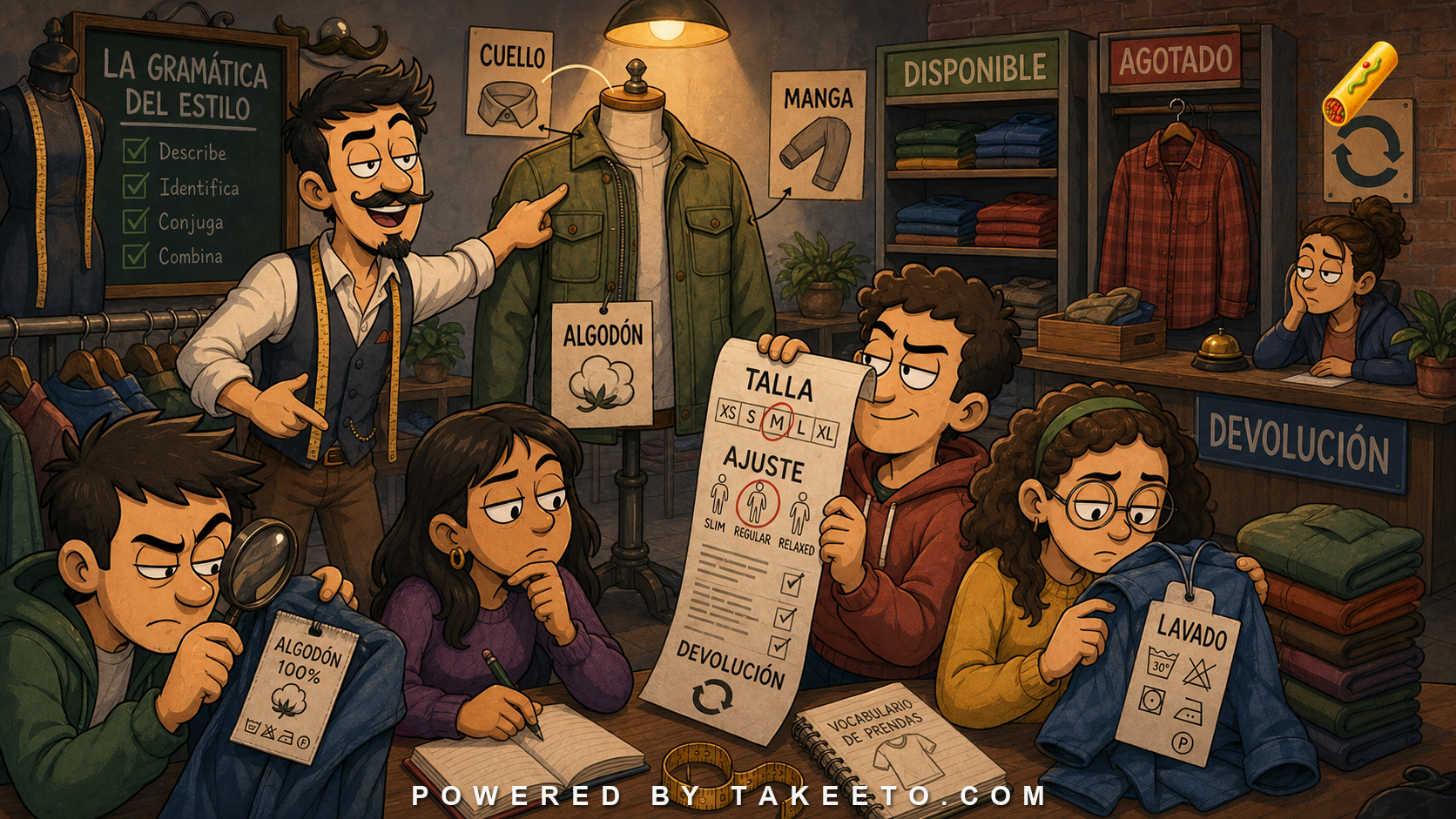
The reader can parse product descriptions, sizes, fabrics, fit, care instructions, and return-policy language.
The reader can recognize event nouns packaged with light verbs.
The reader can parse sports reporting and live commentary.
The reader can track gender and number agreement as part of sentence architecture.
The reader can parse Spanish finance and banking language in real documents.
The reader can parse basic incident-report structure and vocabulary.
The reader can read tourism Spanish critically as promotional place-making rather than neutral description.
The reader can use Spanish negative concord without treating it as faulty logic.
The reader can distinguish self-directed and mutual actions.
The reader can understand documentation-chain vocabulary without confusing informal translation with official validity.
The reader understands gustar-like verbs as predicates organized around experiencers and stimuli.
The reader can discuss courses, requirements, research, and academic support in Spanish.
The reader can identify core immigration vocabulary in Spanish documents.