
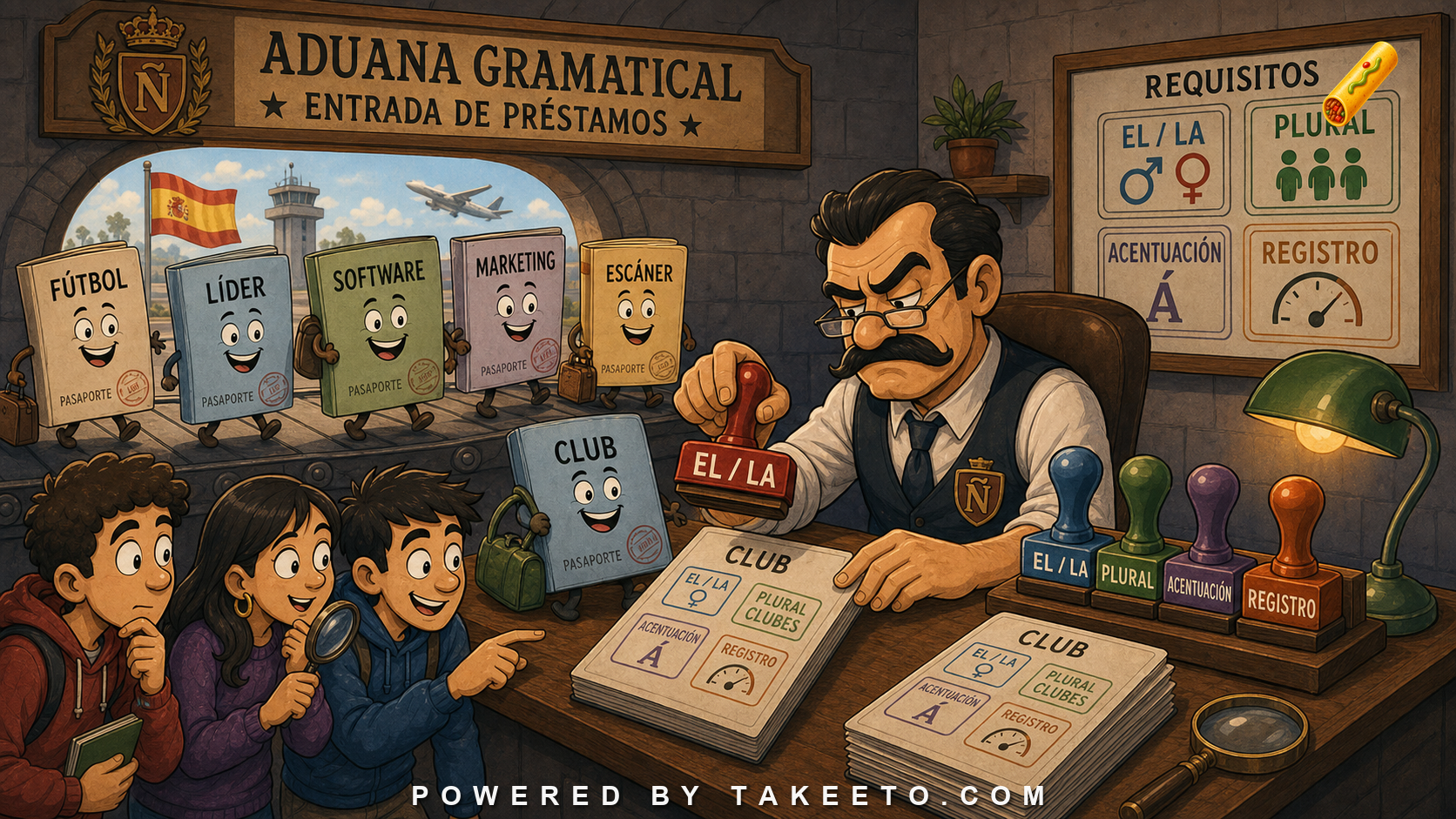
Loanwords in Spanish: Adaptation, Gender, Plural, and Register
The reader can analyze how borrowed words enter Spanish and become grammatical.
Long-form Spanish articles for learners who want structure, evidence, examples, and linguistic explanations that do not collapse into slogans.
163 articles tagged Grammar.
The reader can analyze how borrowed words enter Spanish and become grammatical.
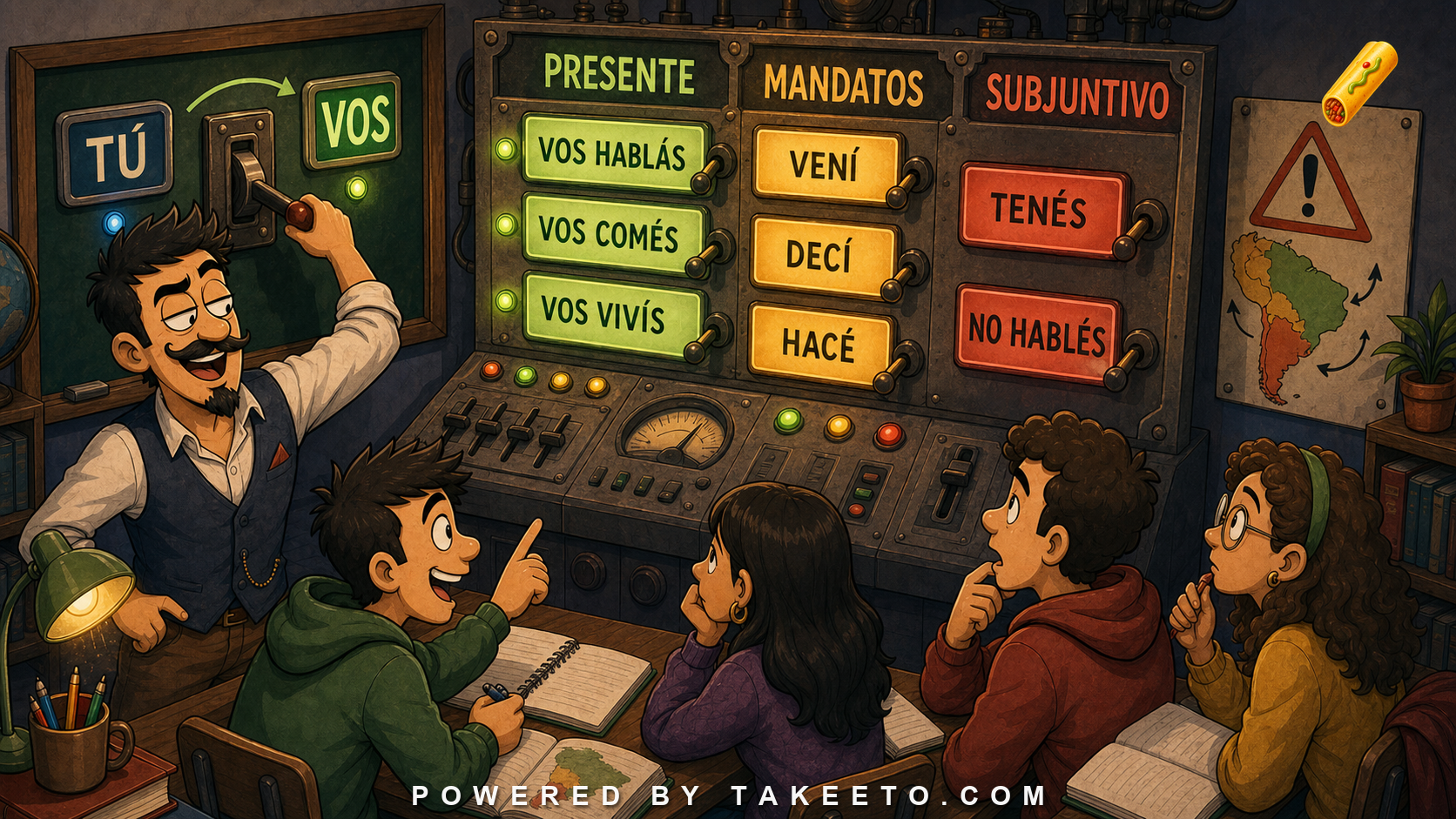
The reader can conjugate and recognize voseo forms in major patterns.
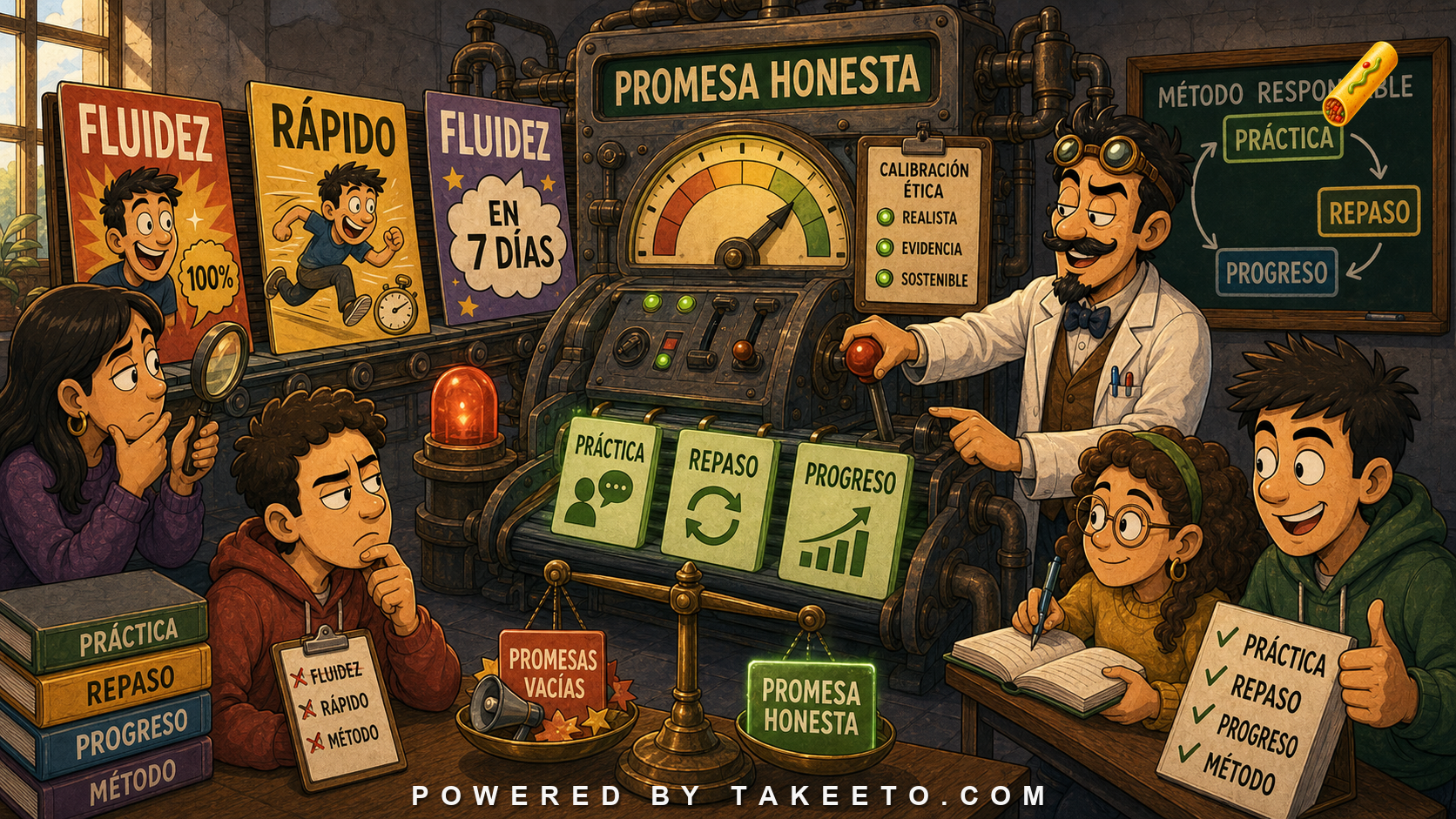
The reader can evaluate Spanish-learning claims critically and replace vague promises with honest, evidence-aware product language.
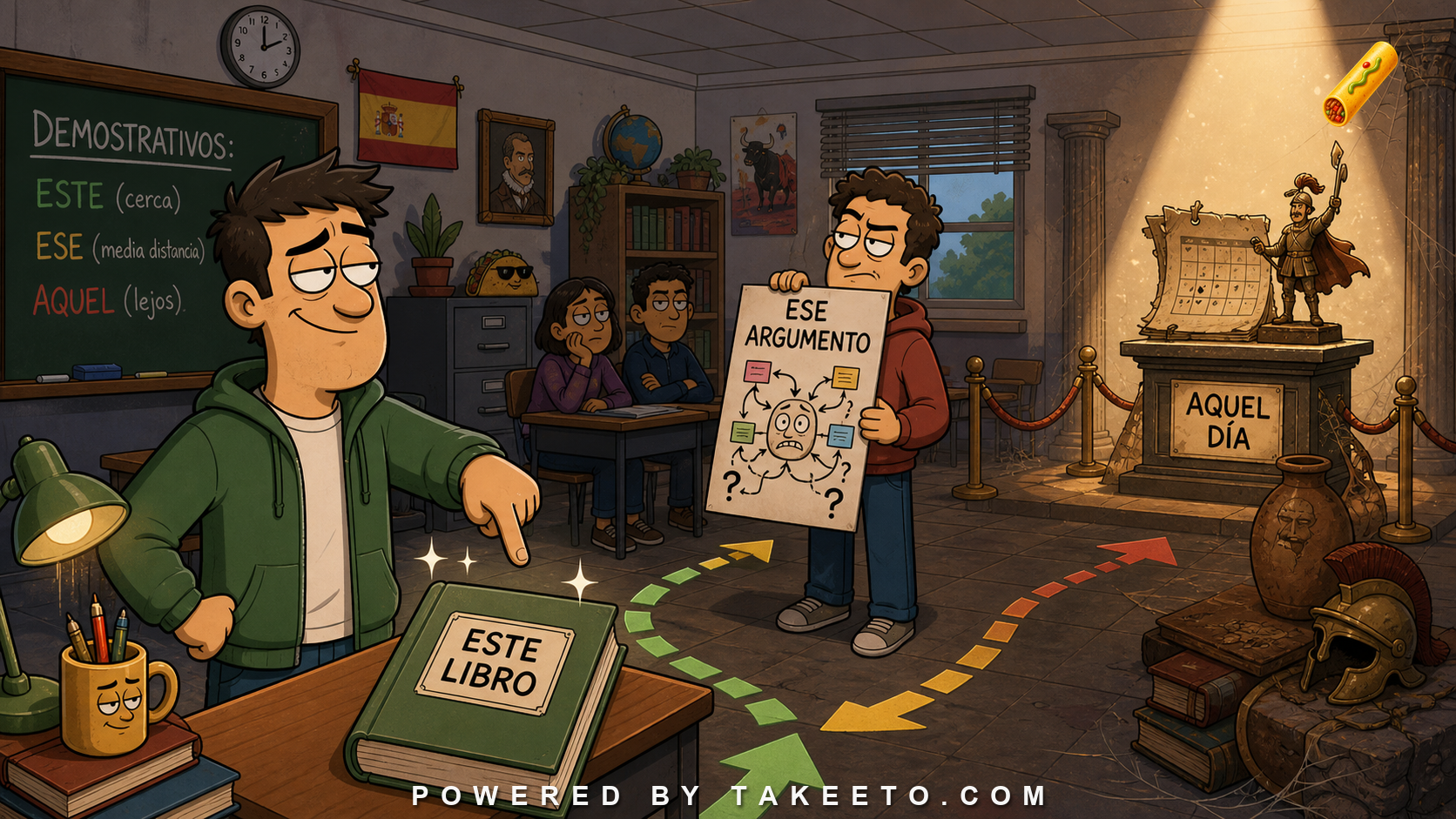
The reader can use demonstratives for physical, temporal, textual, and emotional distance.
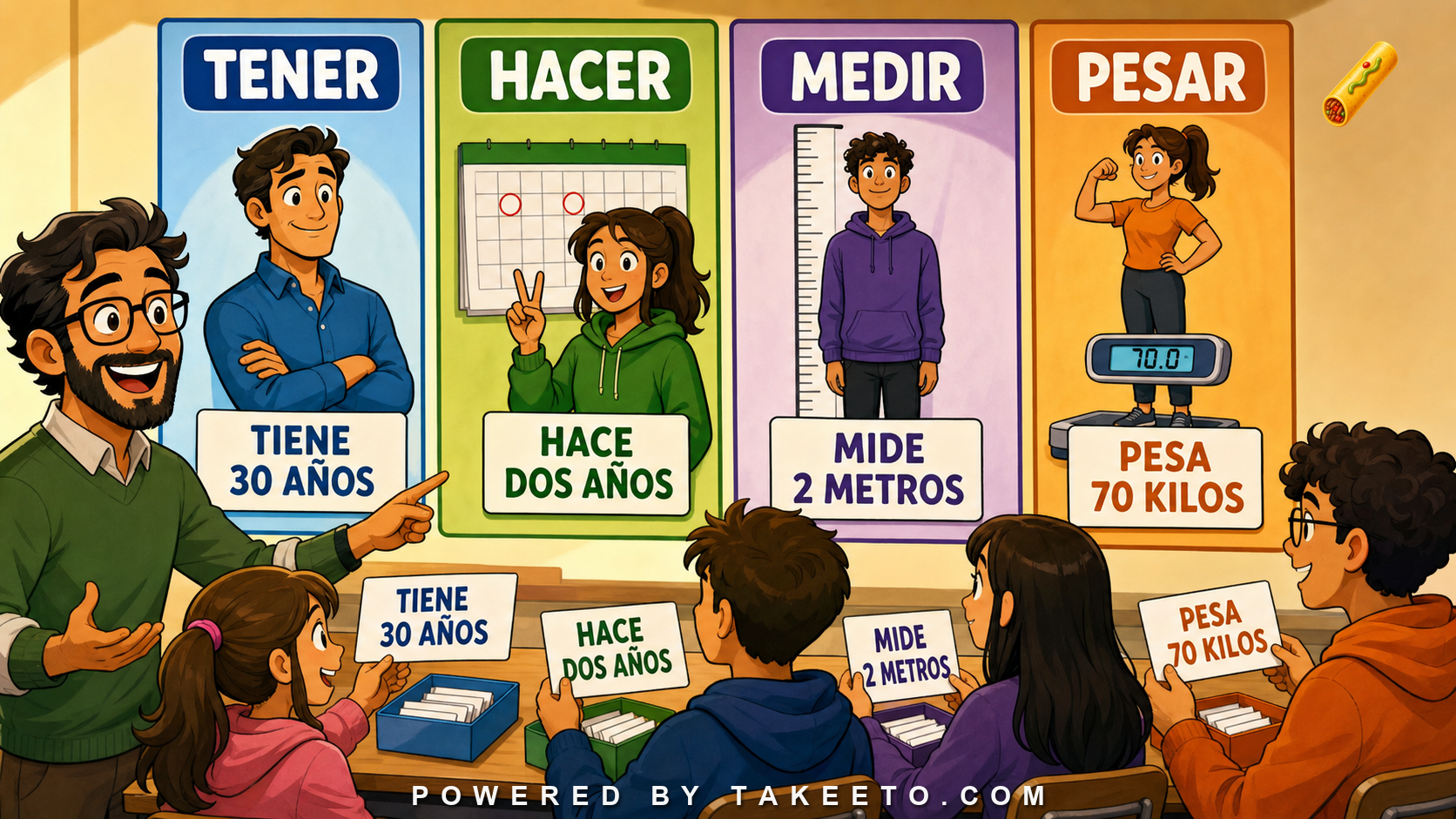
The reader can express age, duration, height, weight, and measurements naturally.
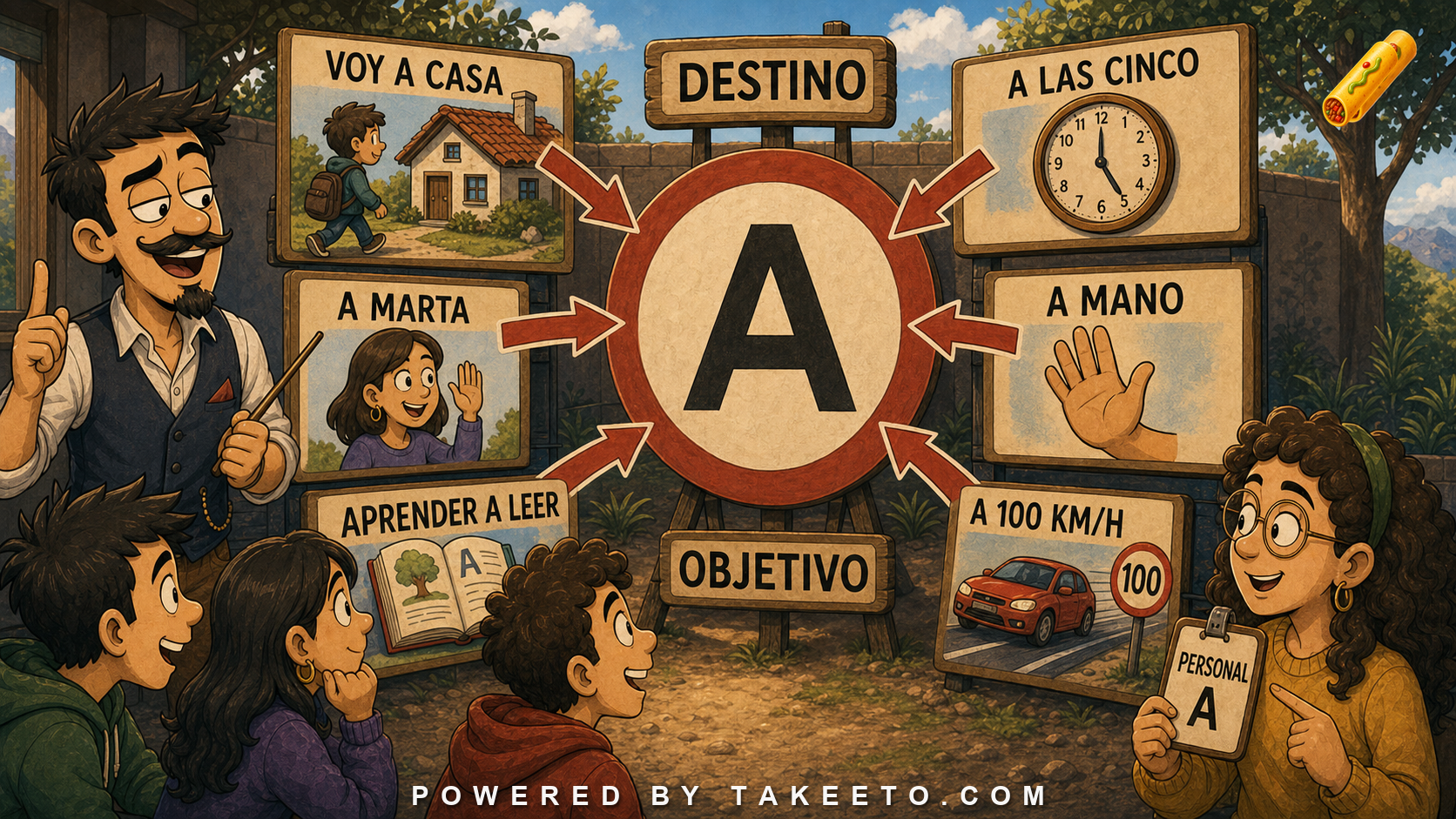
The reader can unify the many uses of a around endpoint, target, and relation.
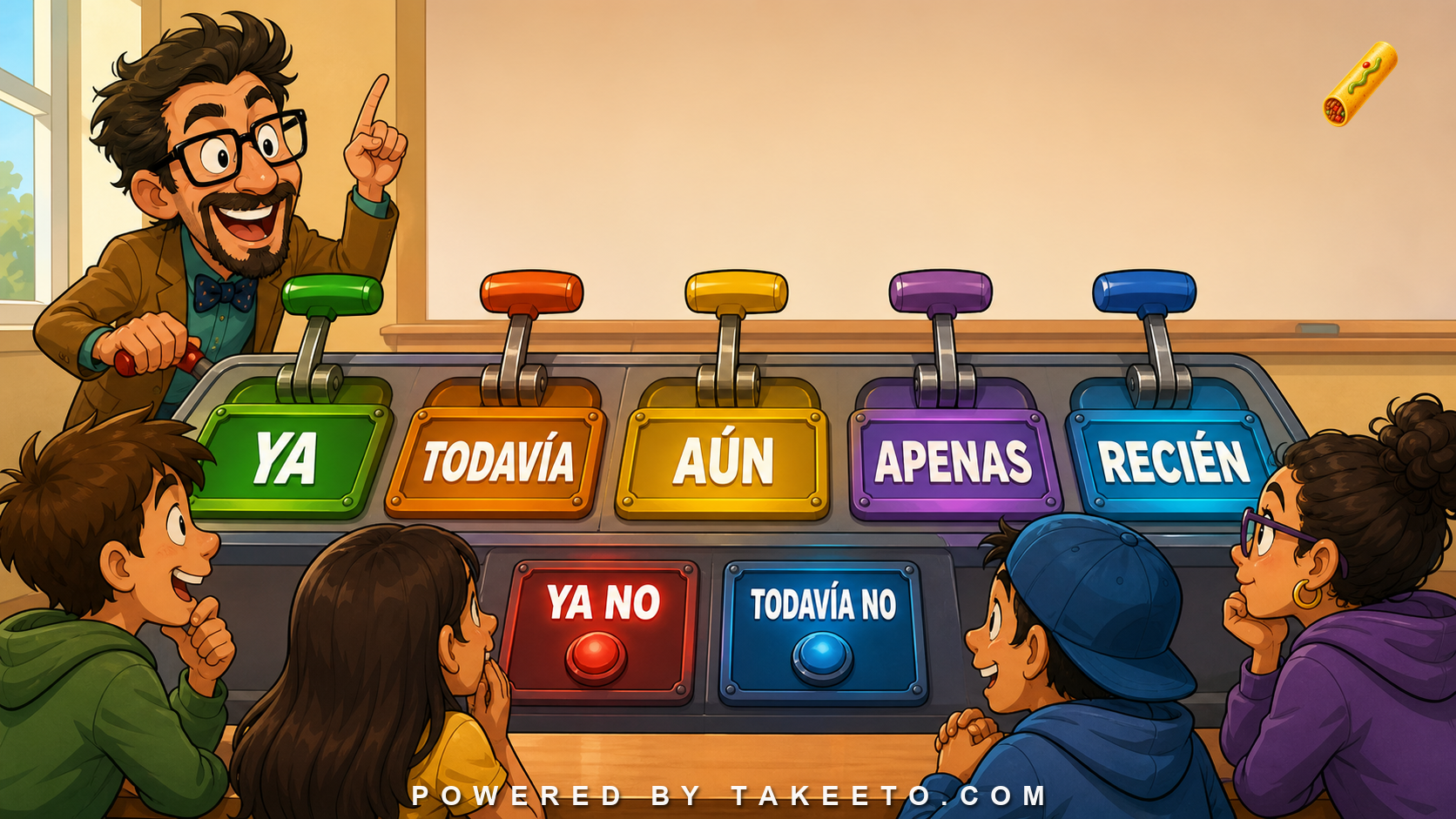
The reader can interpret temporal adverbs that manage expectation and sequence.
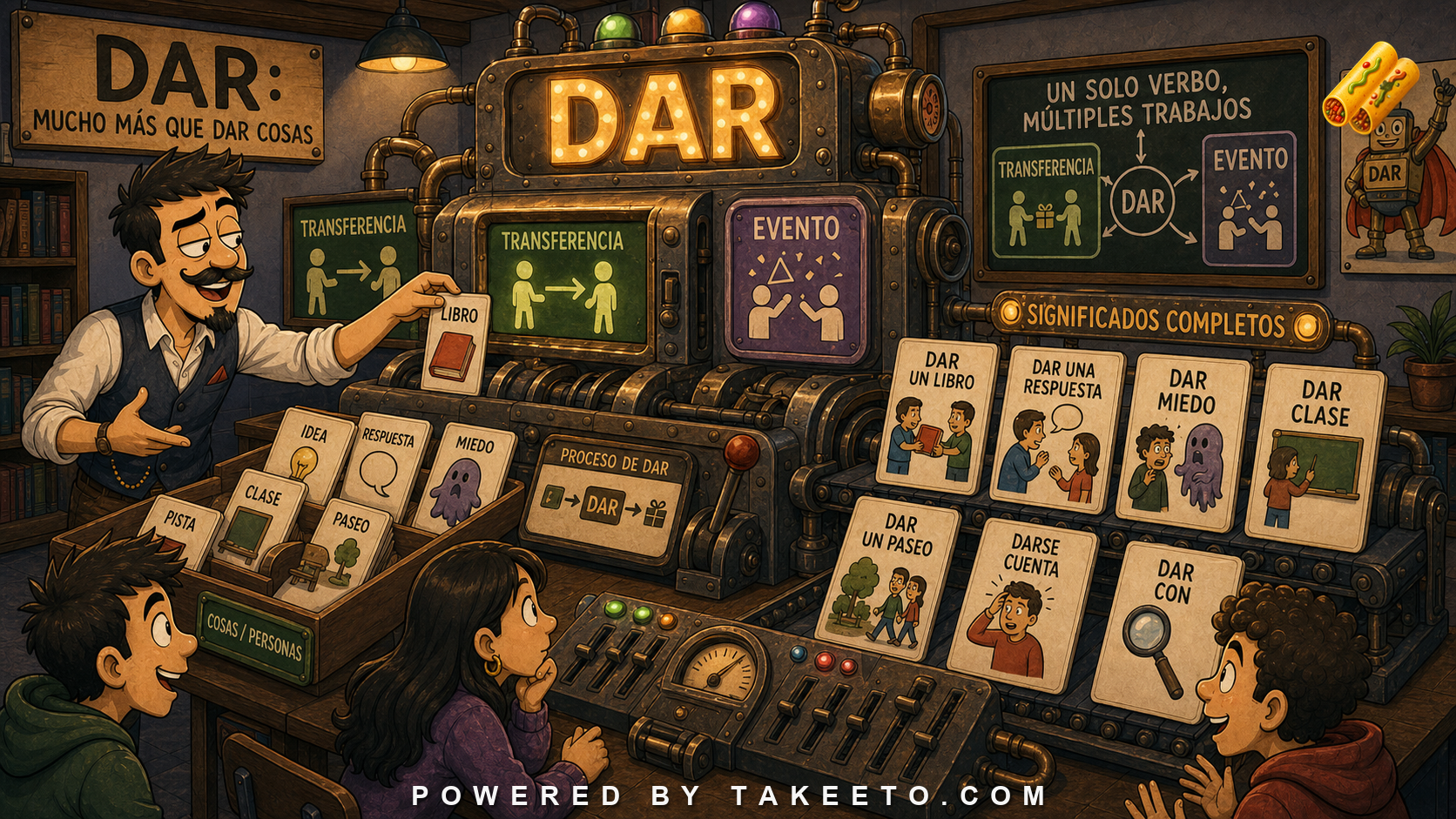
The reader can recognize dar in literal transfer and abstract event constructions.
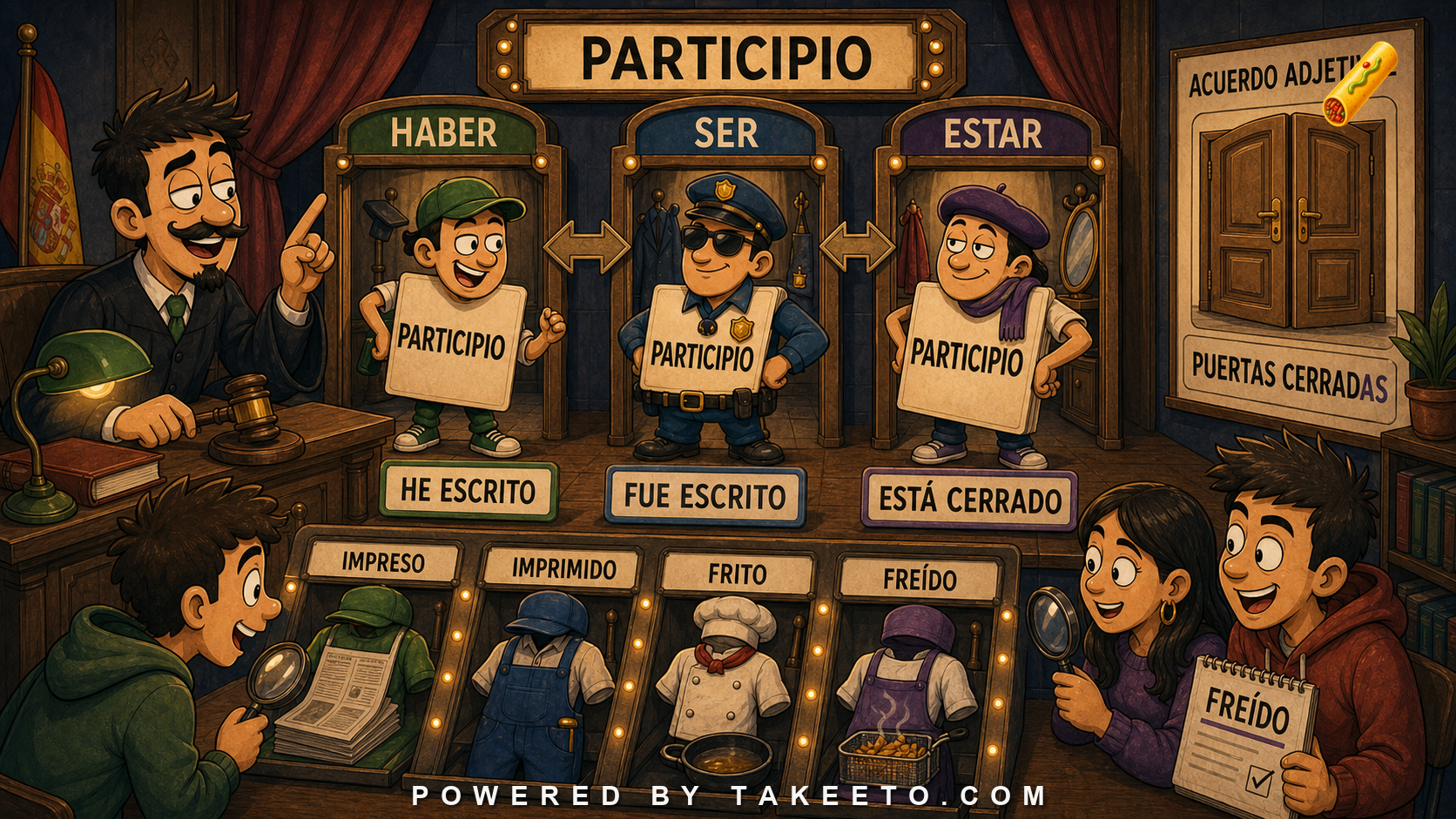
The reader can distinguish participles in perfect constructions, passive clauses, and adjectives.
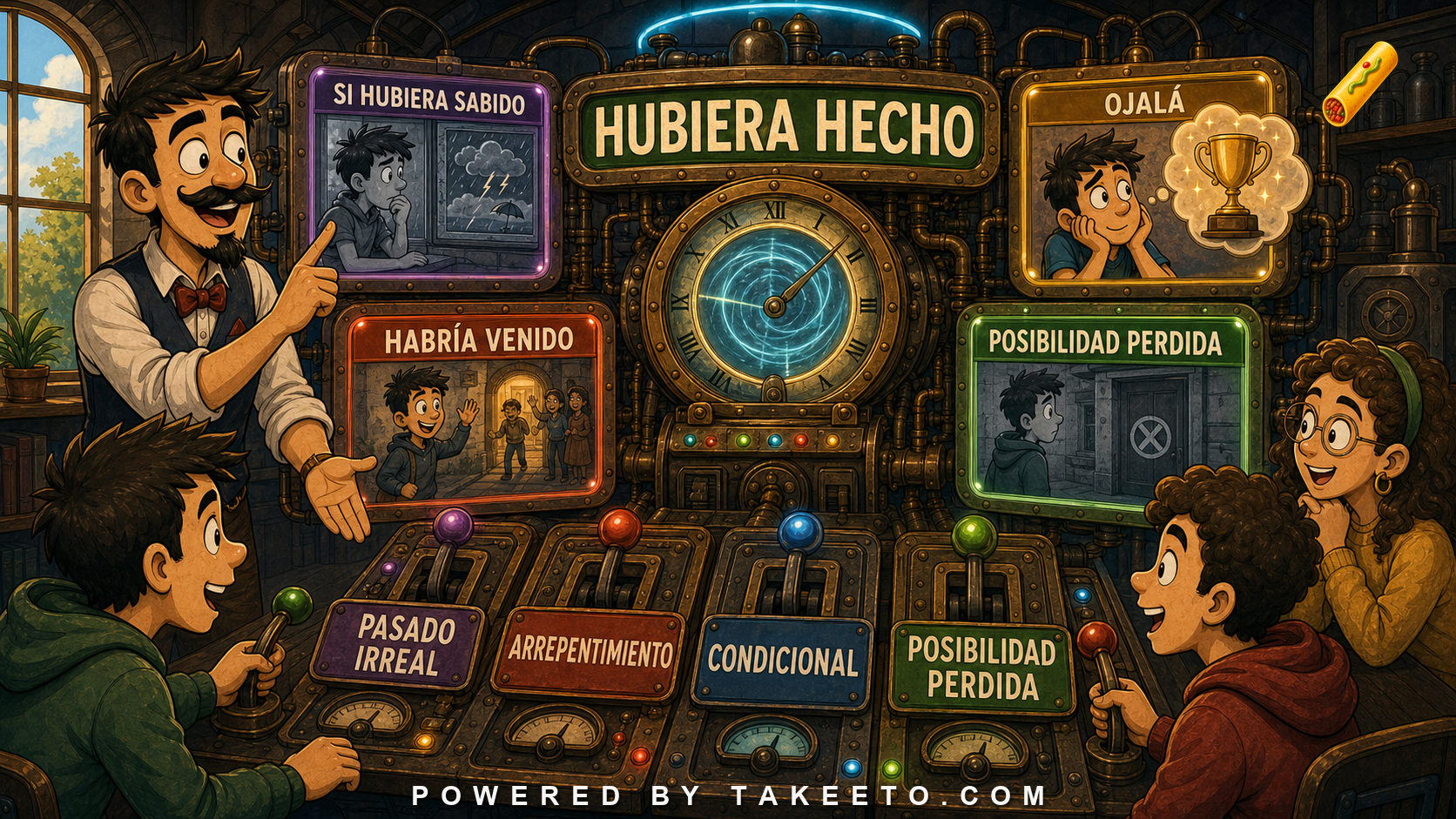
The reader can interpret past unreal conditions and regrets in Spanish.
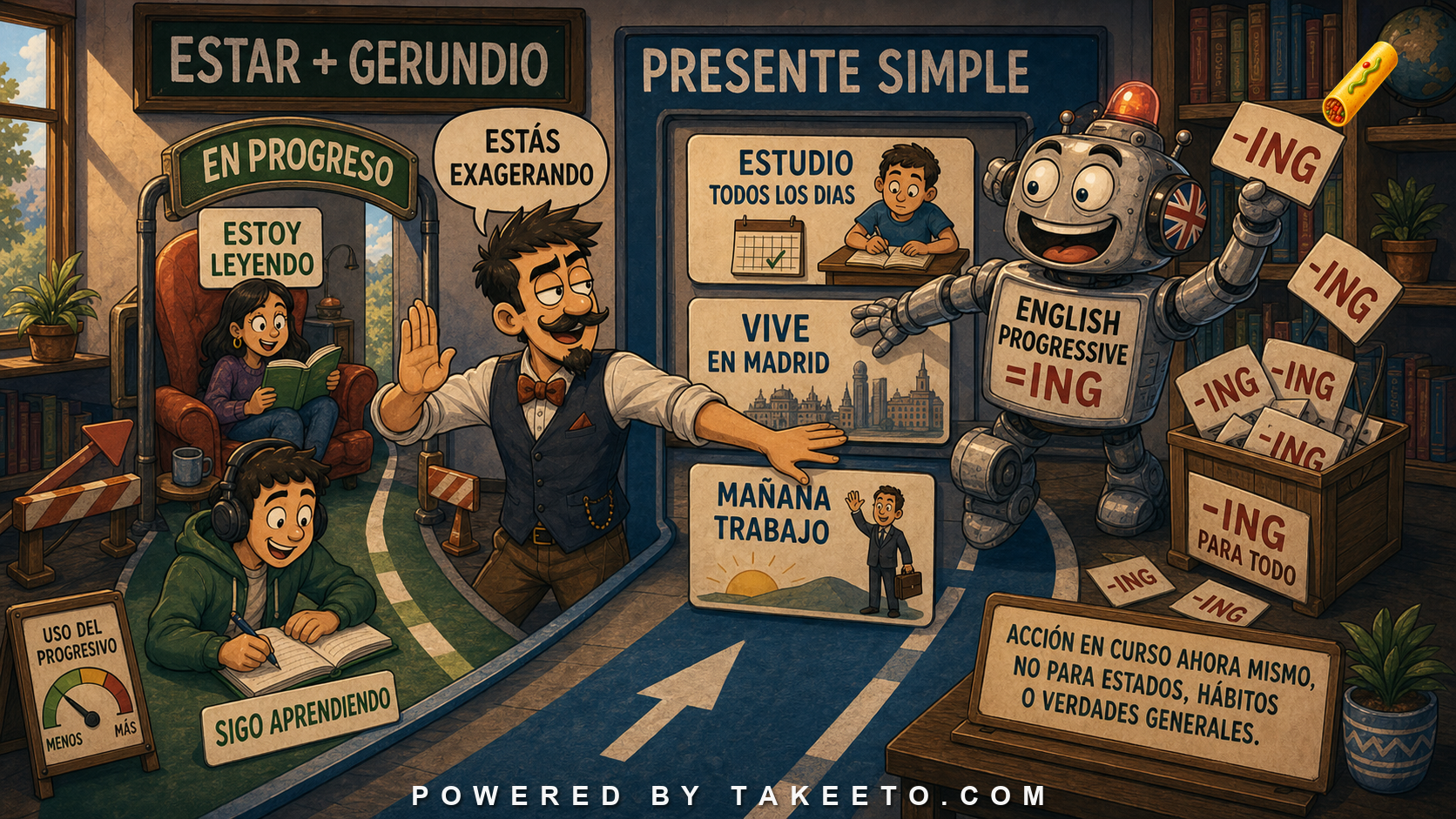
The reader can use the Spanish progressive for ongoing action without overextending it.
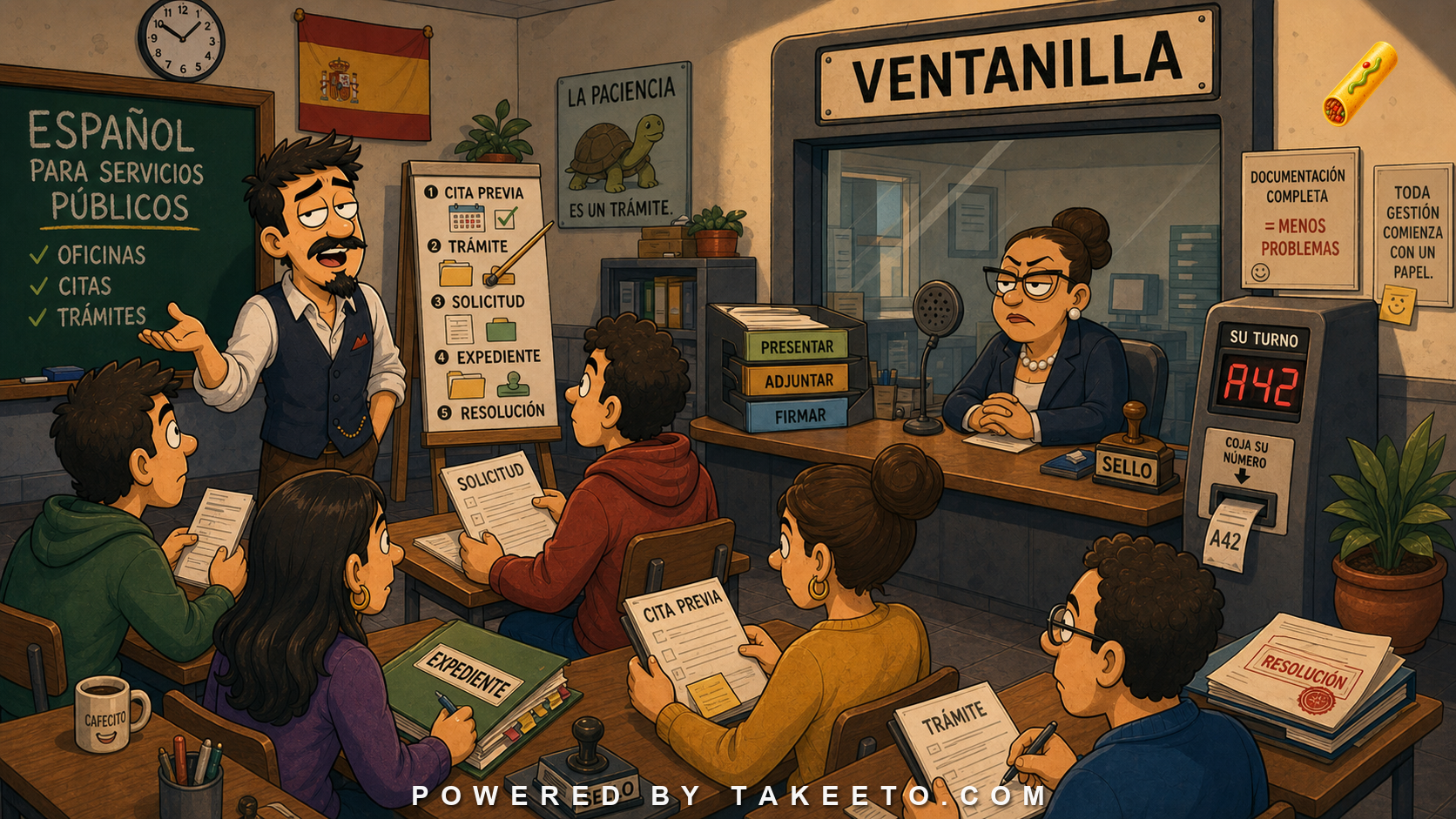
The reader can follow government-office Spanish and procedural instructions.
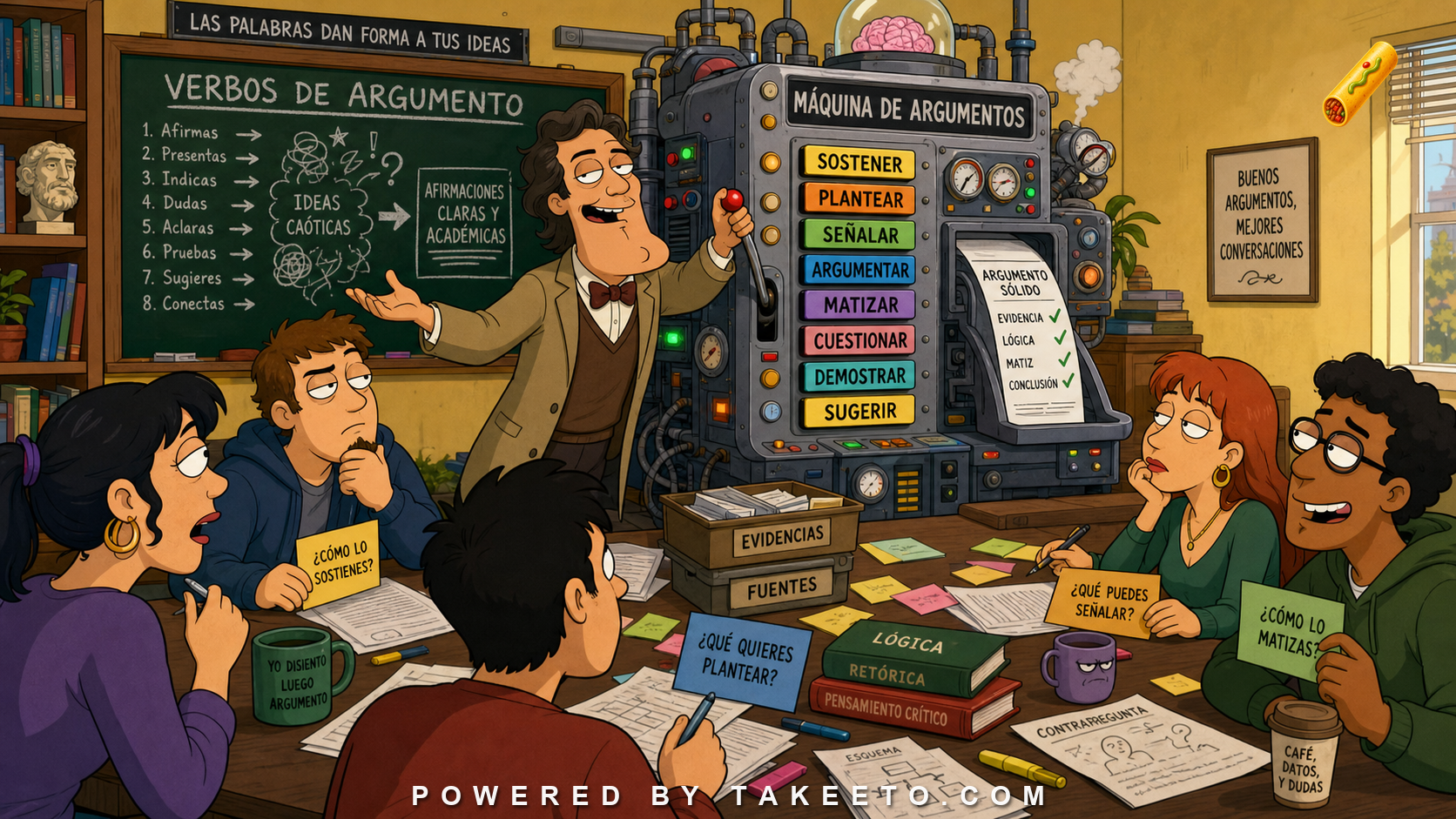
The reader can follow scholarly argument through reporting verbs.
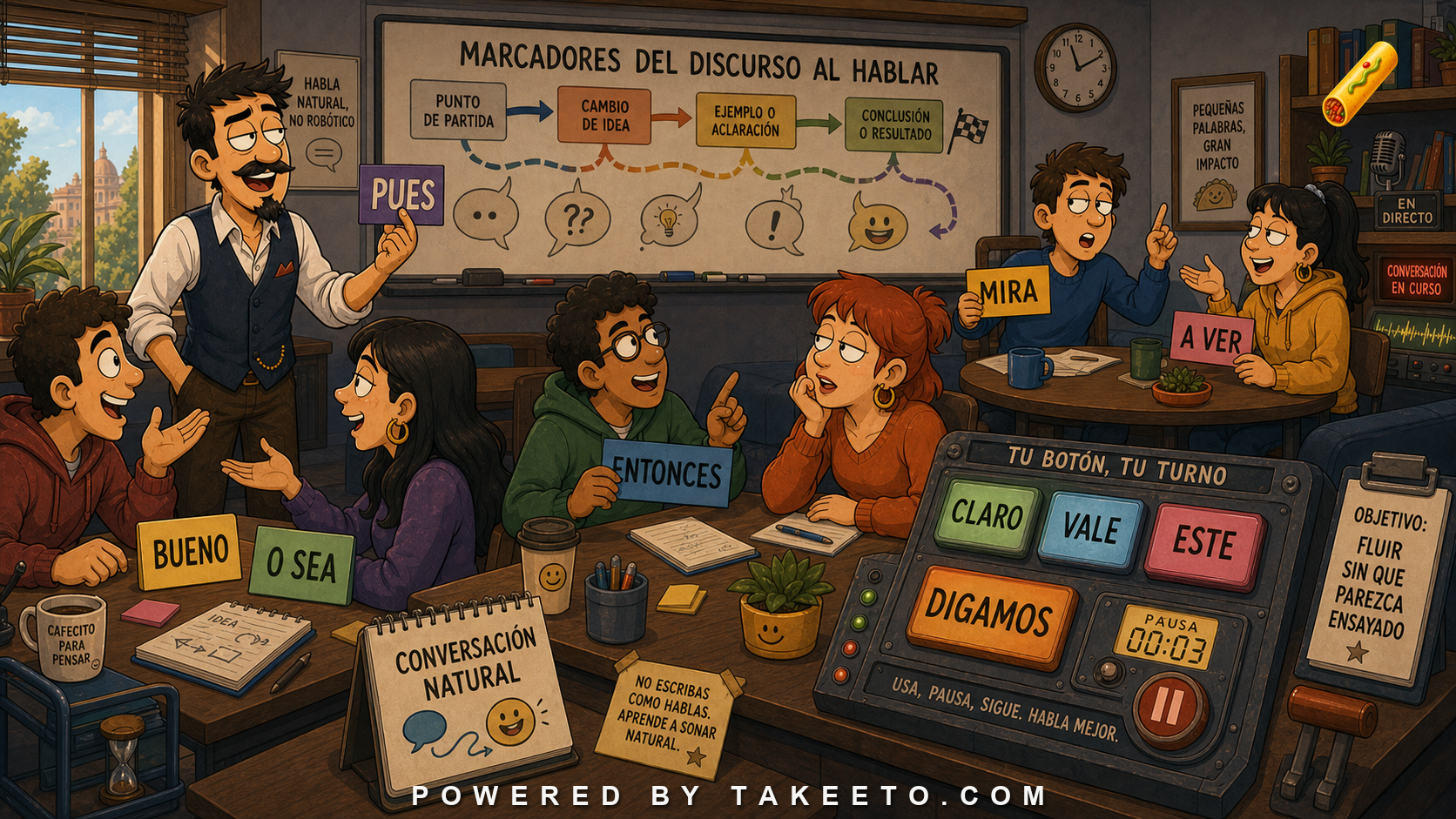
The reader can hear discourse markers as conversation-management tools rather than filler.
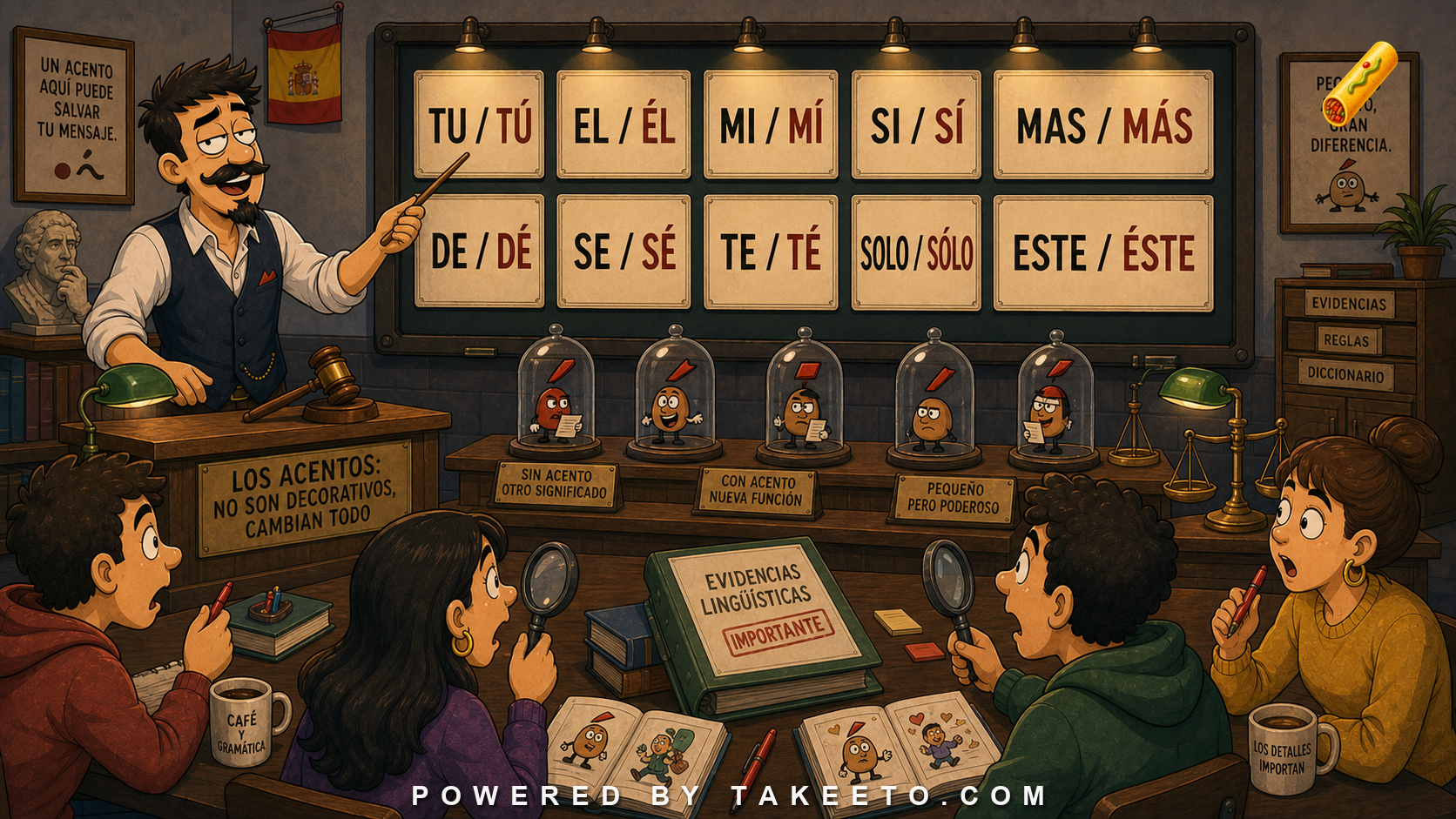
The reader sees diacritical accents as grammatical signs, not pronunciation aids alone.
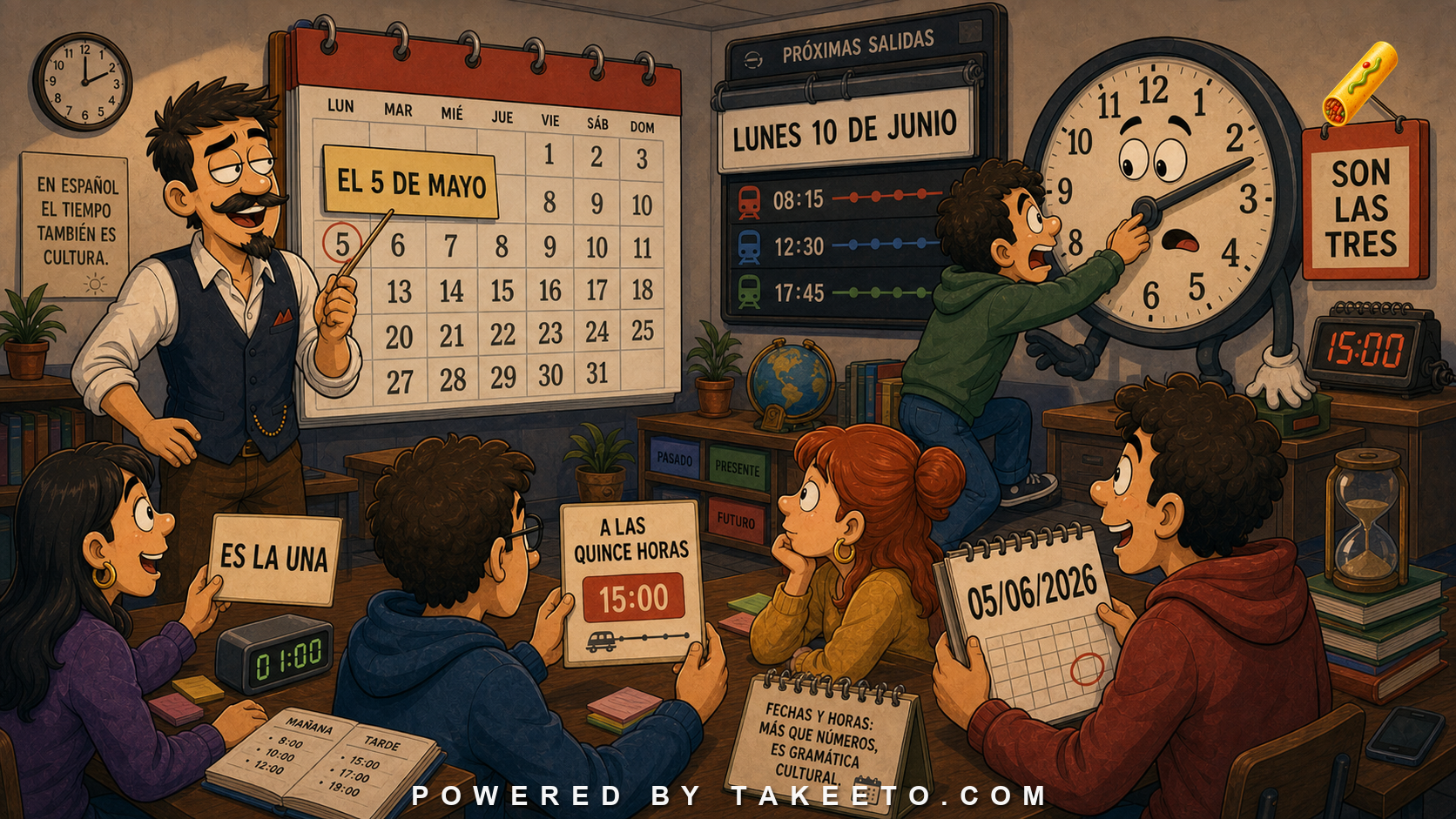
The reader can read and produce dates, clock times, and calendar phrases in Spanish.
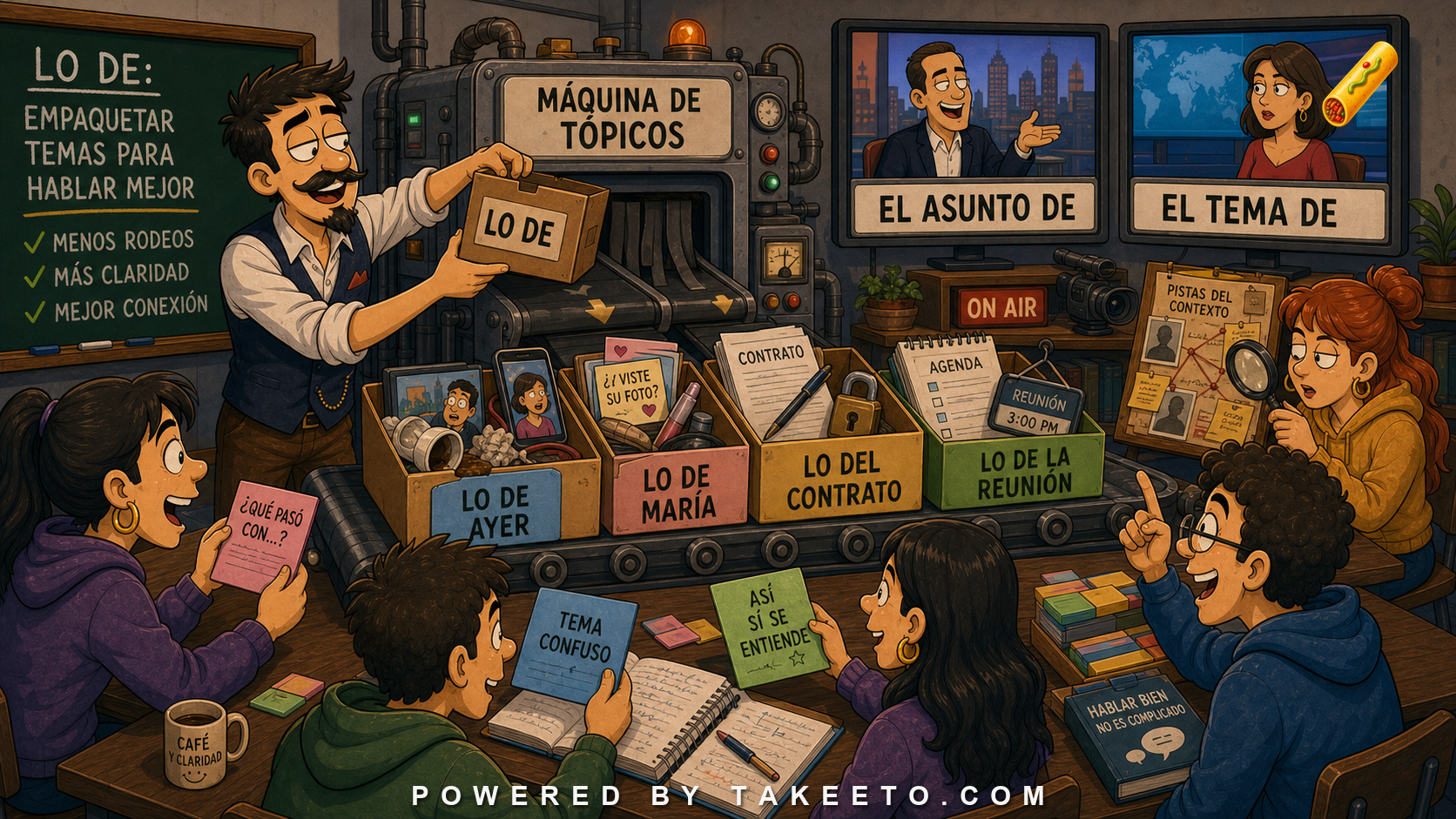
The reader can interpret lo de as a compact reference to events, issues, and topics.
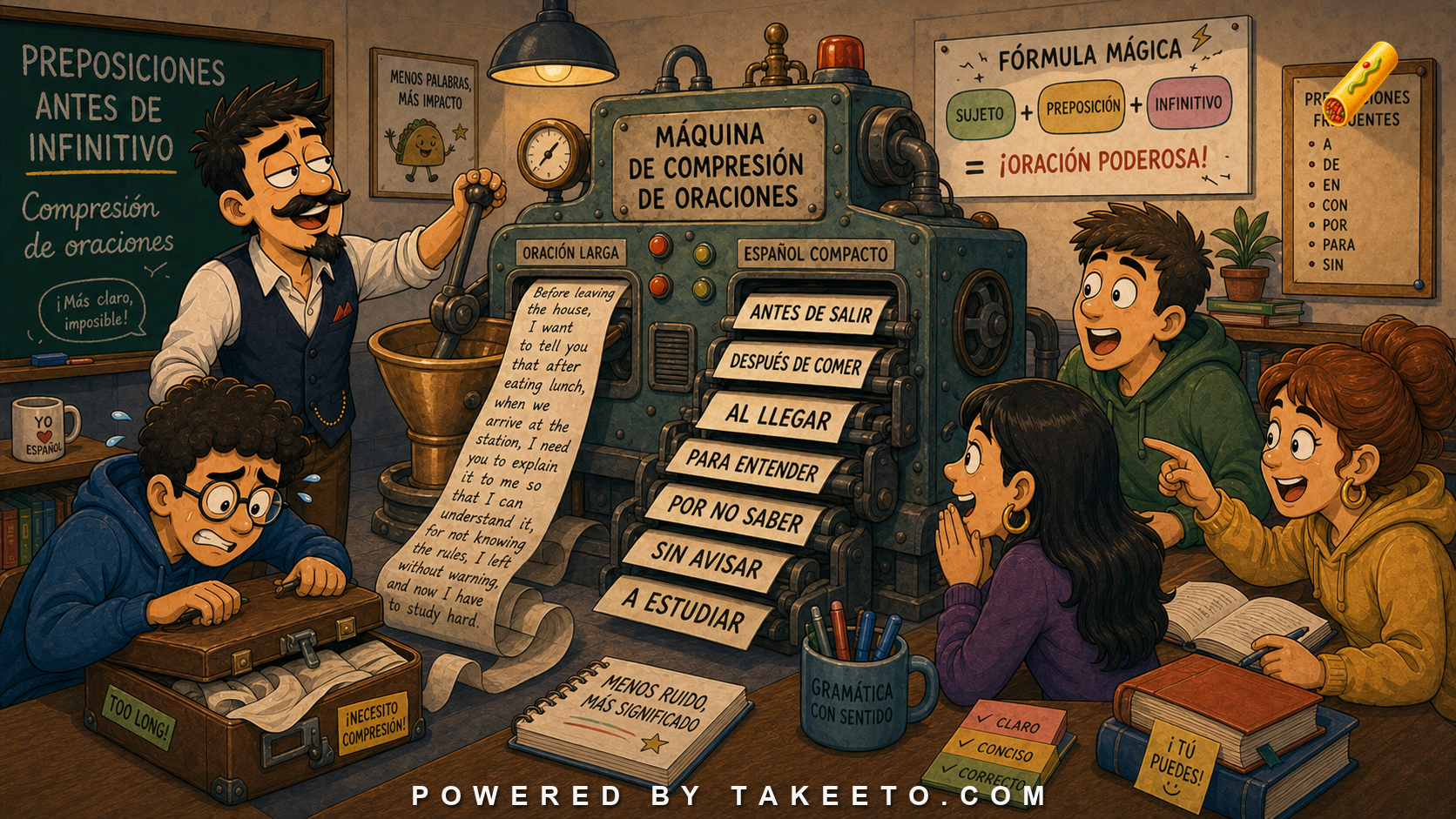
The reader can read and produce preposition + infinitive structures in dense Spanish.
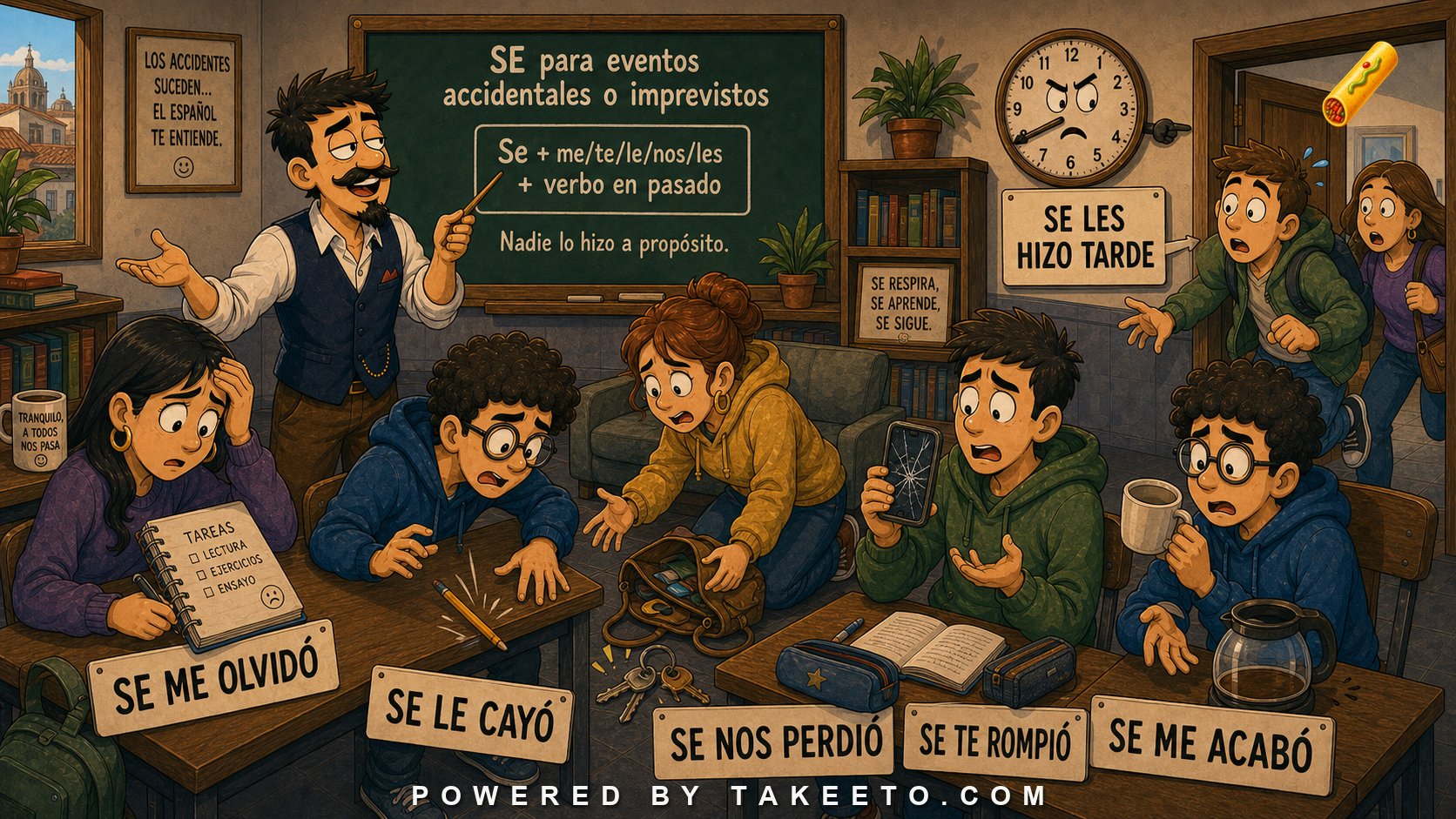
The reader can interpret se constructions that background agency and foreground affected participants.
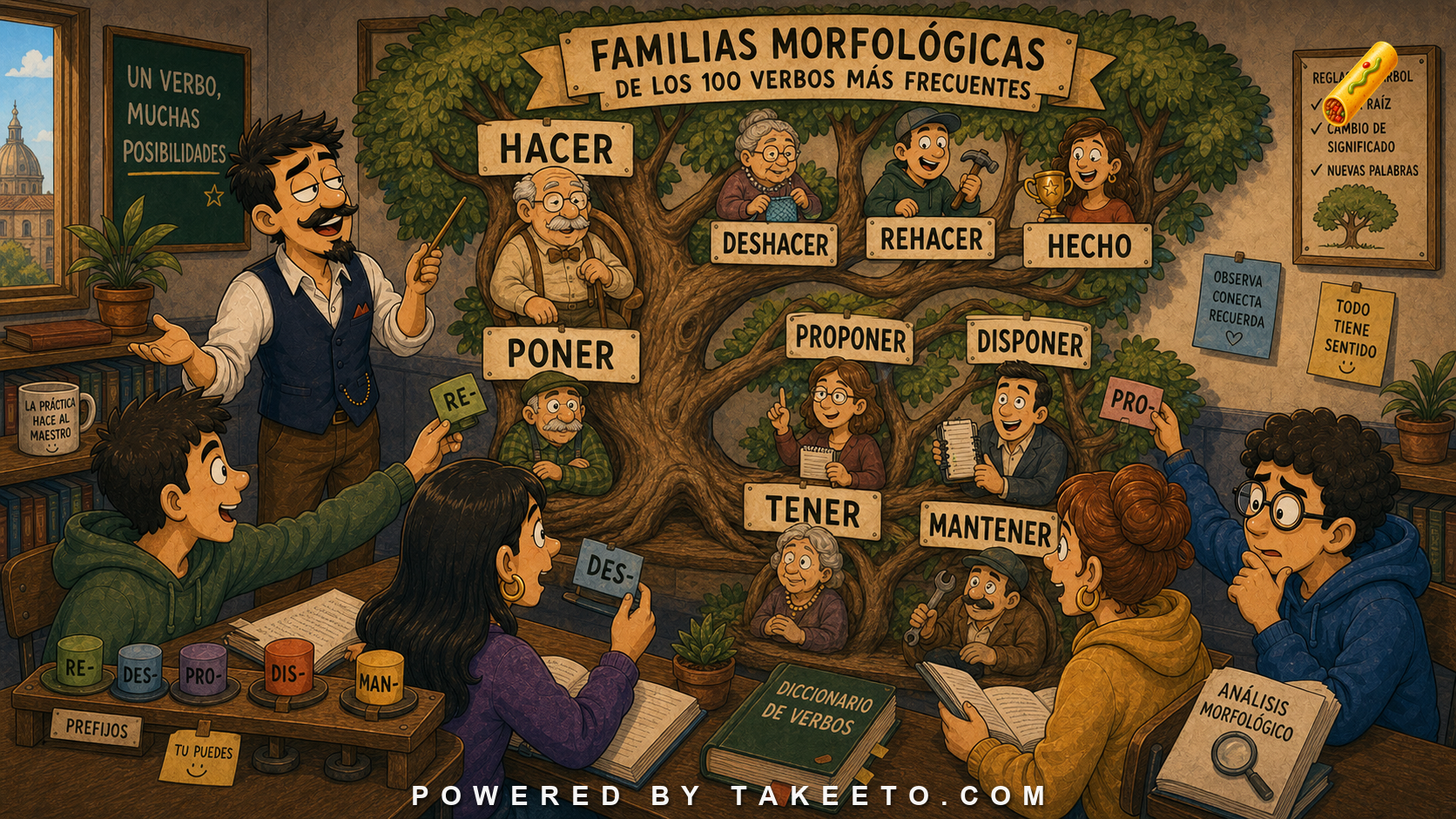
The reader can use high-frequency verbs as roots for broad lexical growth.
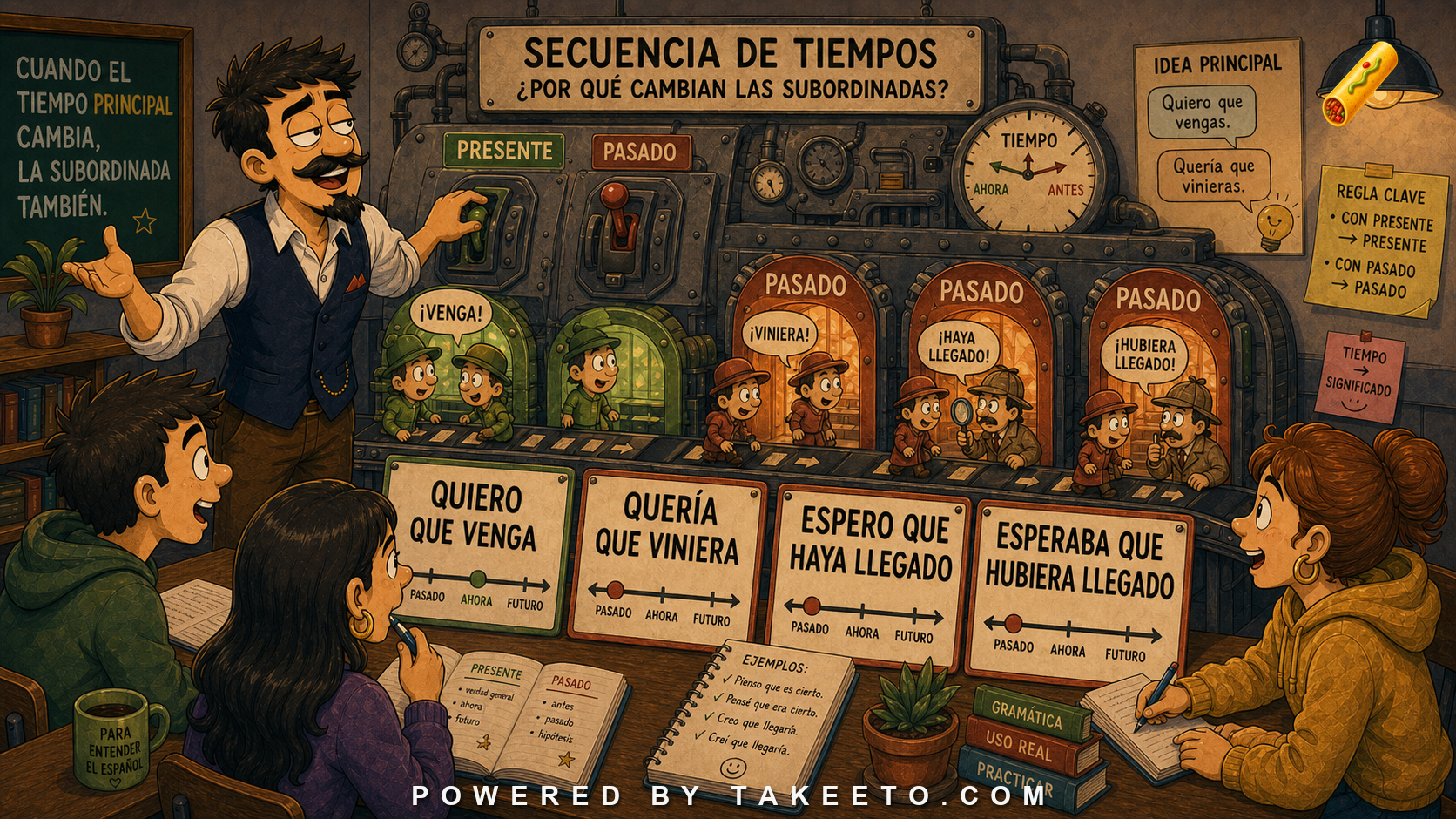
The reader can manage tense relationships across main and subordinate clauses.
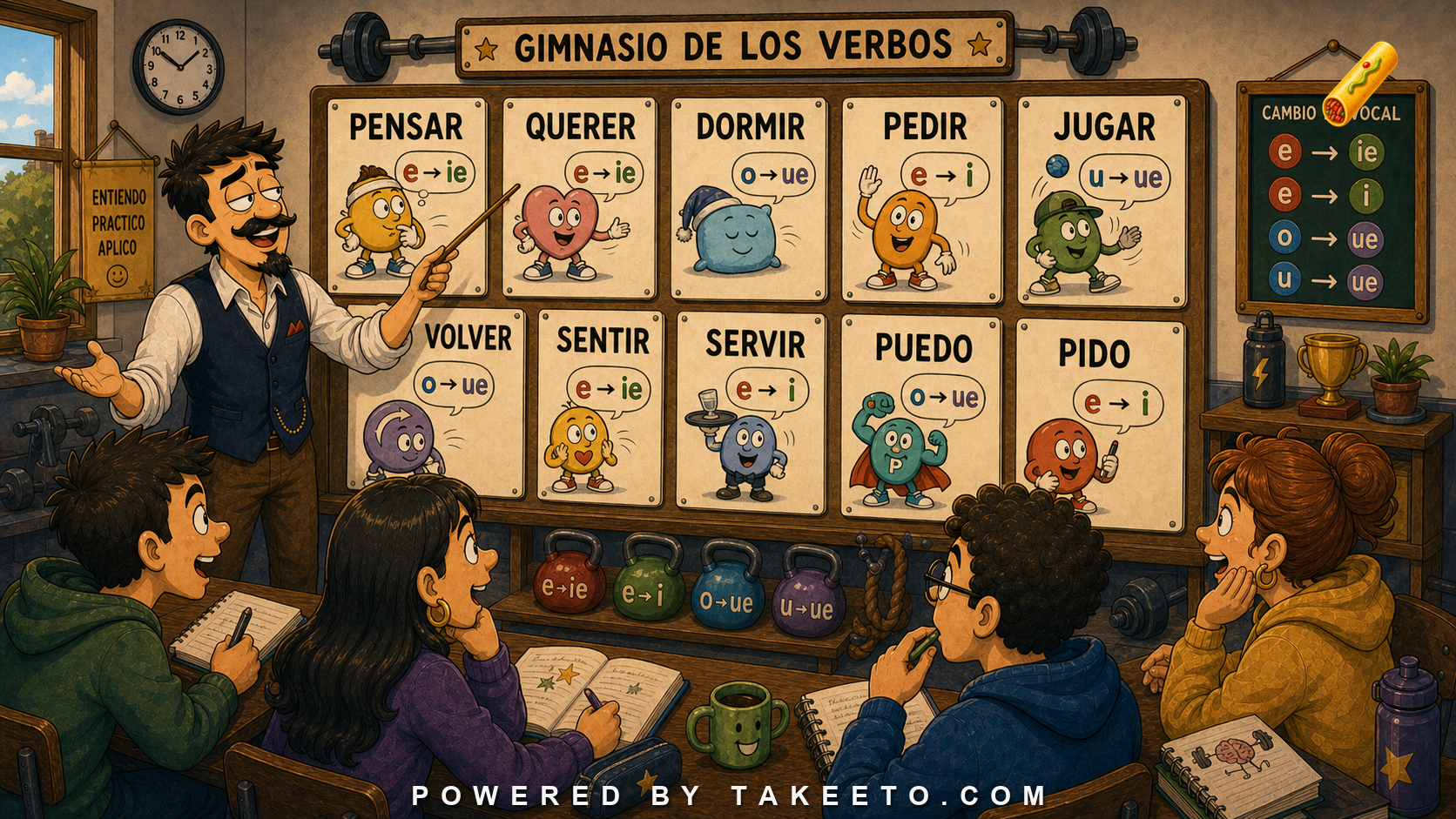
The reader can predict where and why stem changes appear in present and related forms.
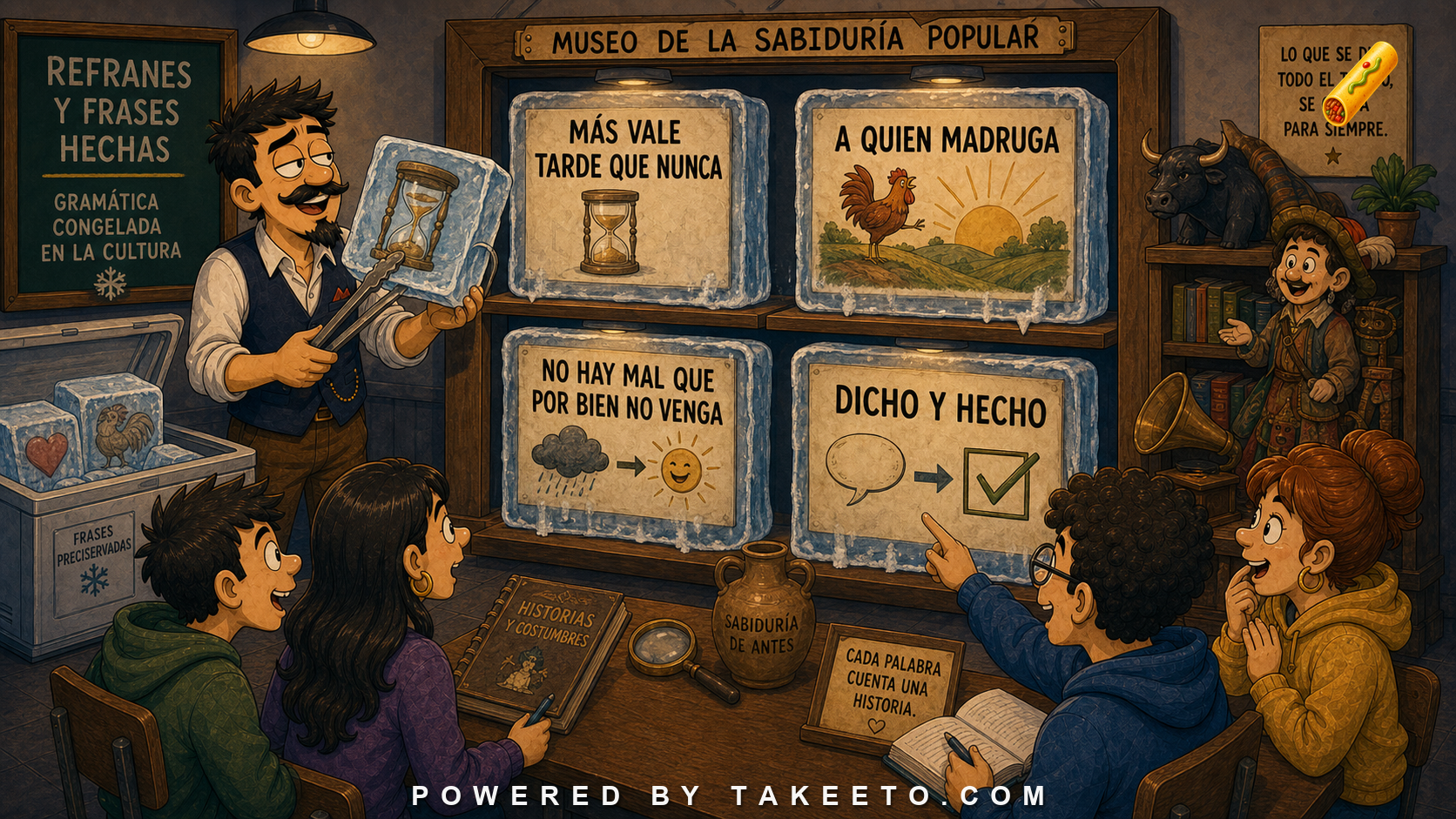
The reader can analyze proverbs as fixed expressions with grammar, history, and pragmatic force.
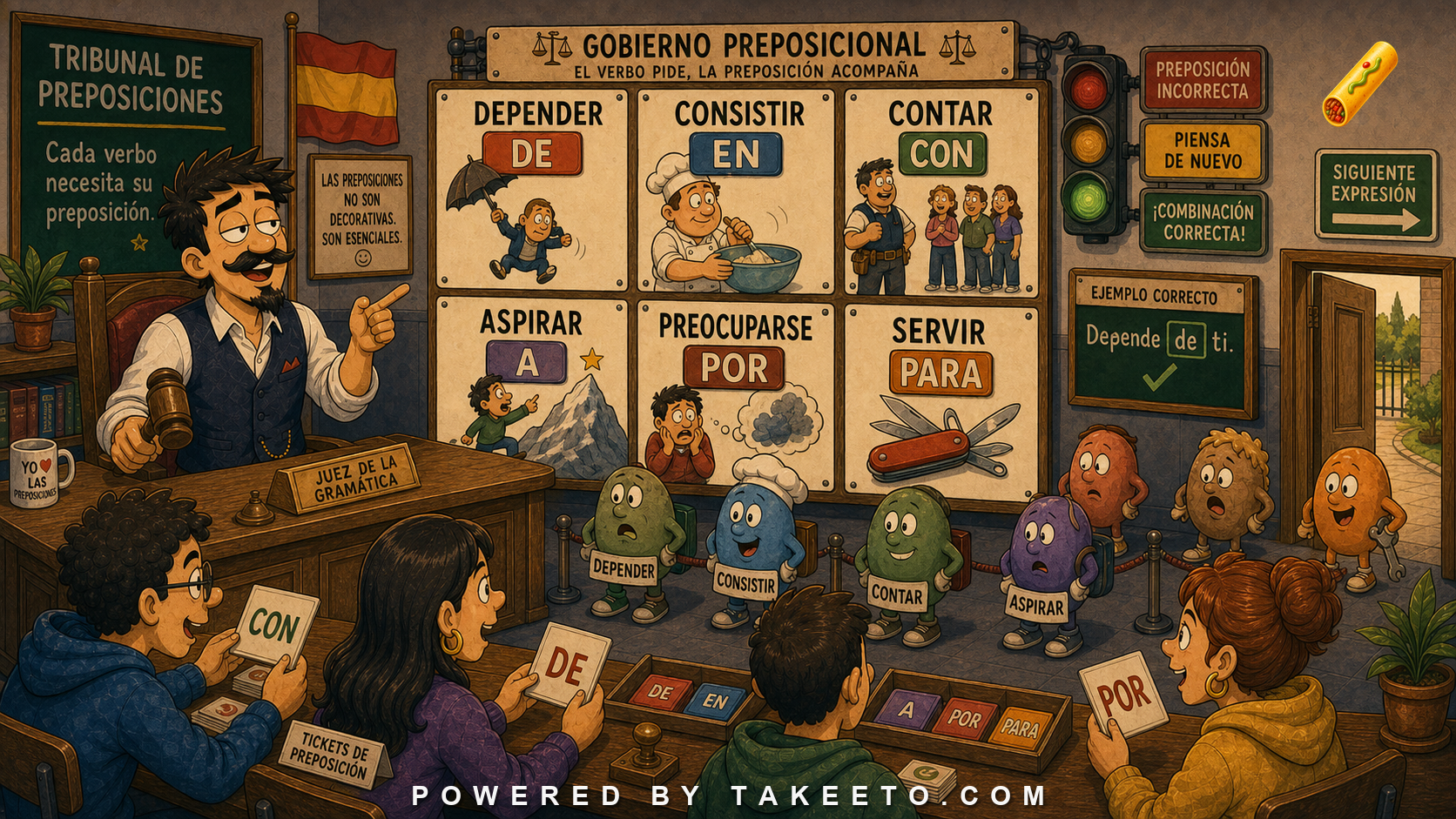
The reader can learn verb-preposition pairs as part of lexical competence.
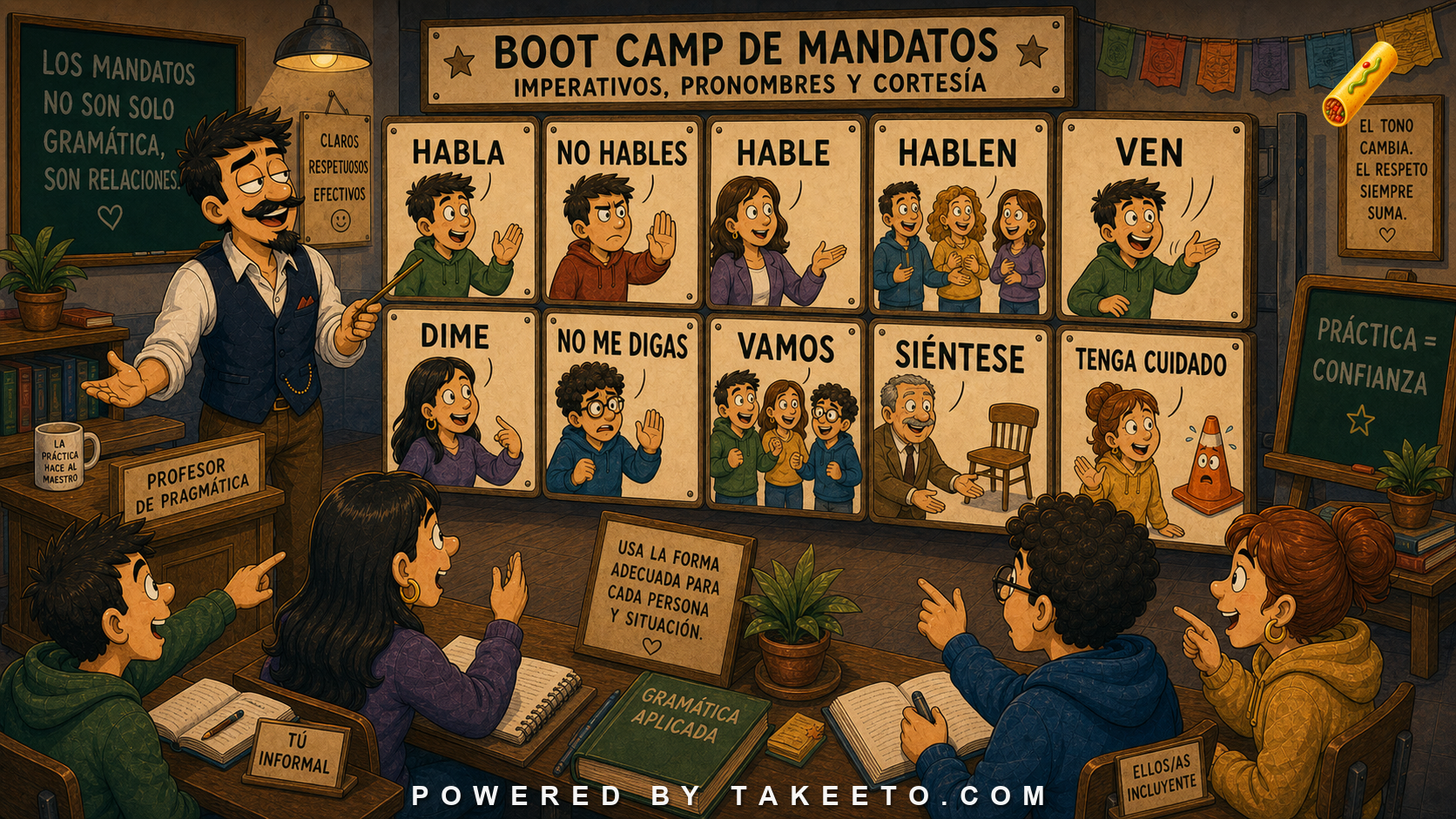
The reader can form commands and understand their social force.
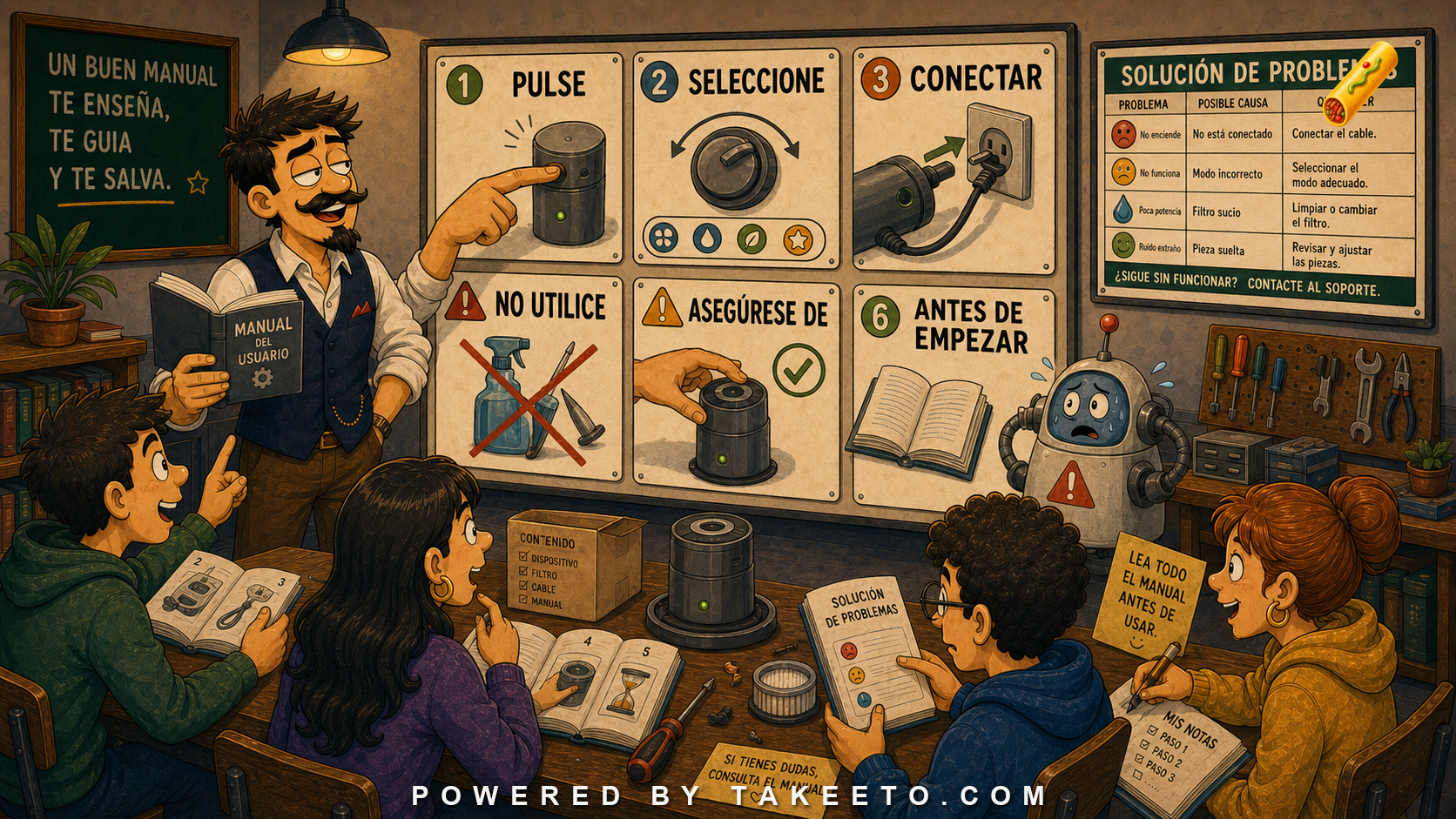
The reader can read and write Spanish instructions clearly.
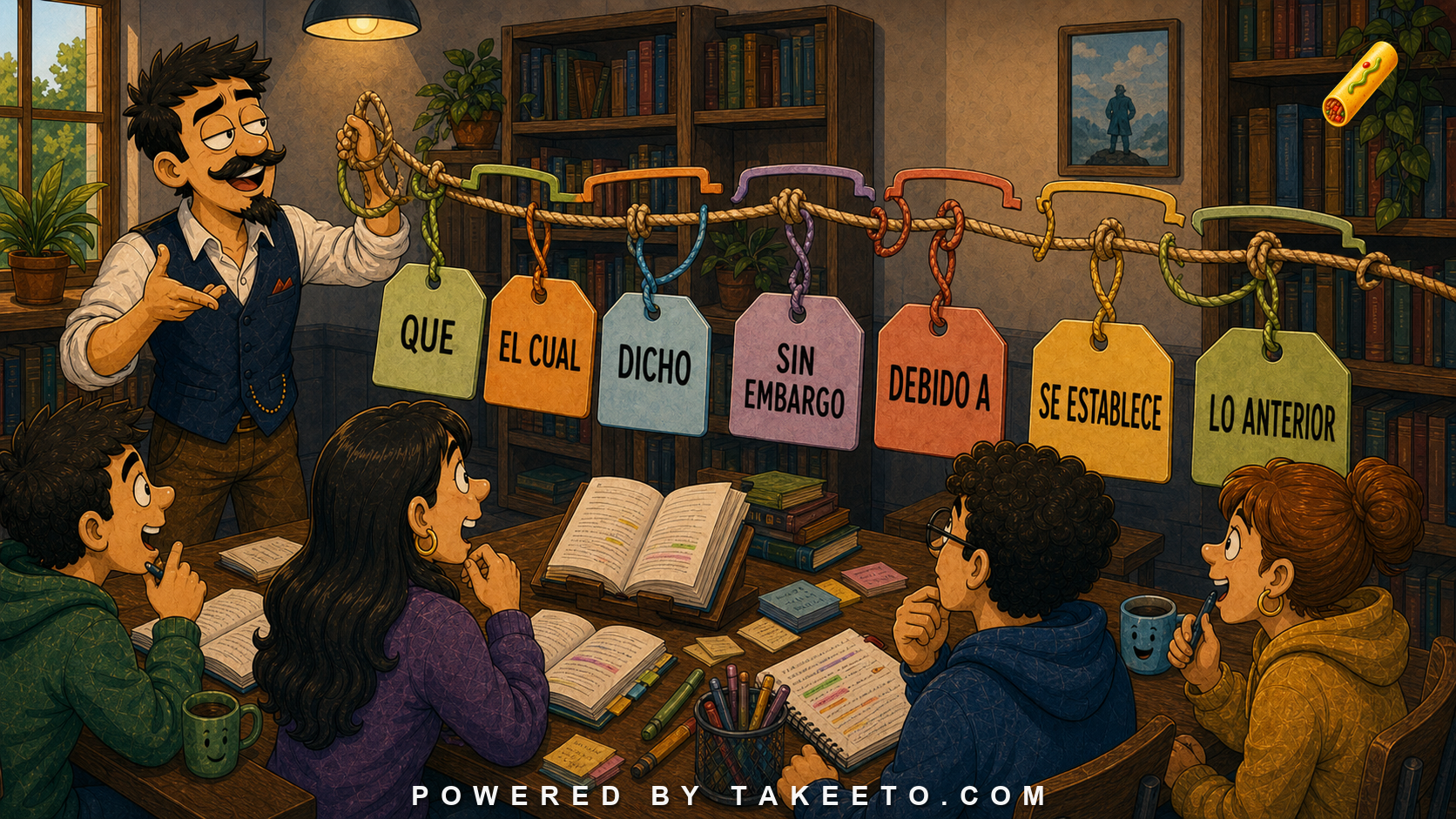
The reader can approach long Spanish sentences through clause structure, reference chains, and discourse markers.
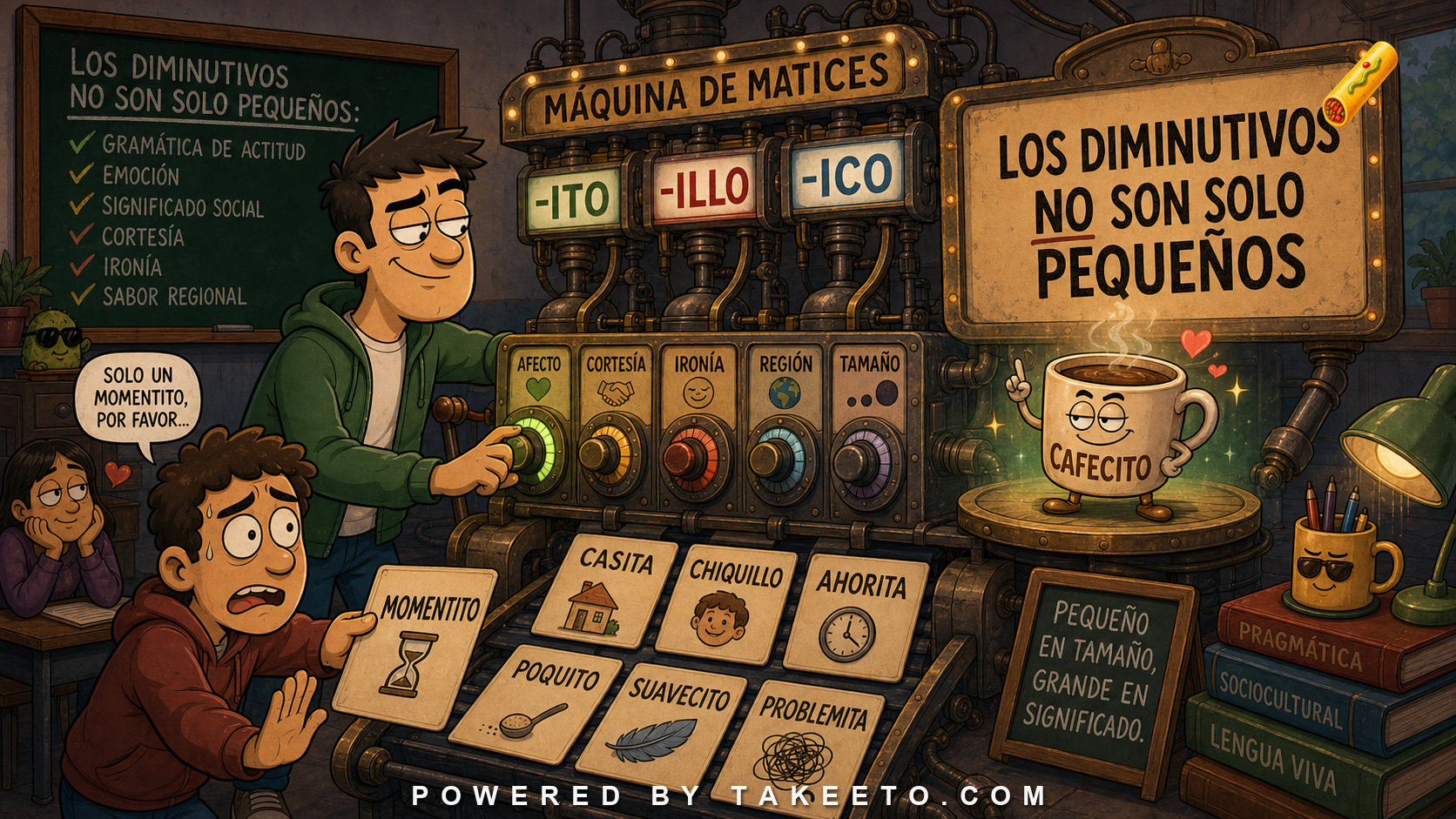
The reader understands diminutives as emotional, social, and regional markers, not only markers of small size.
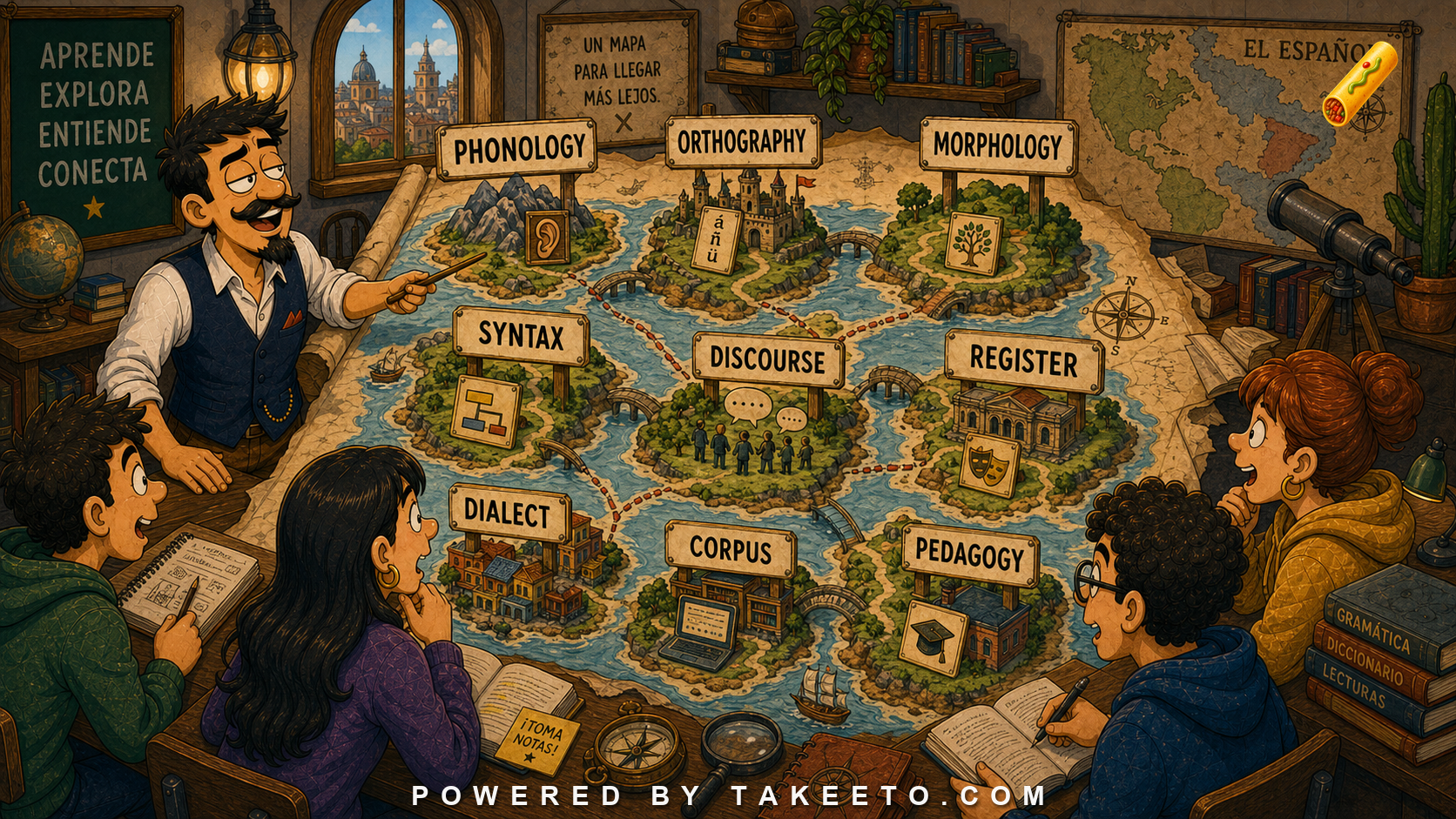
The reader sees the full 365-article project as a connected map of Spanish literacy.
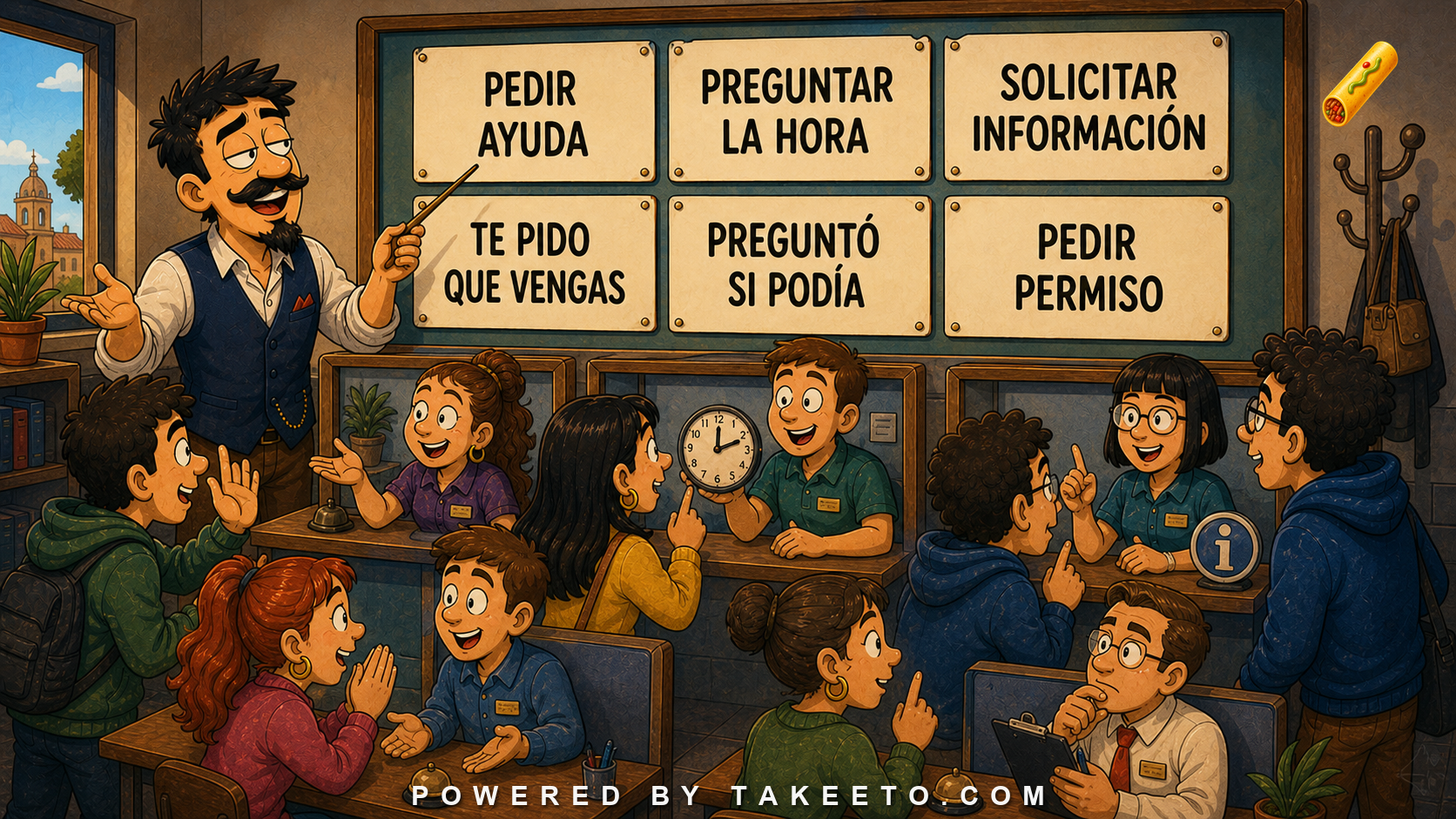
The reader can avoid the common error of using preguntar for requests.
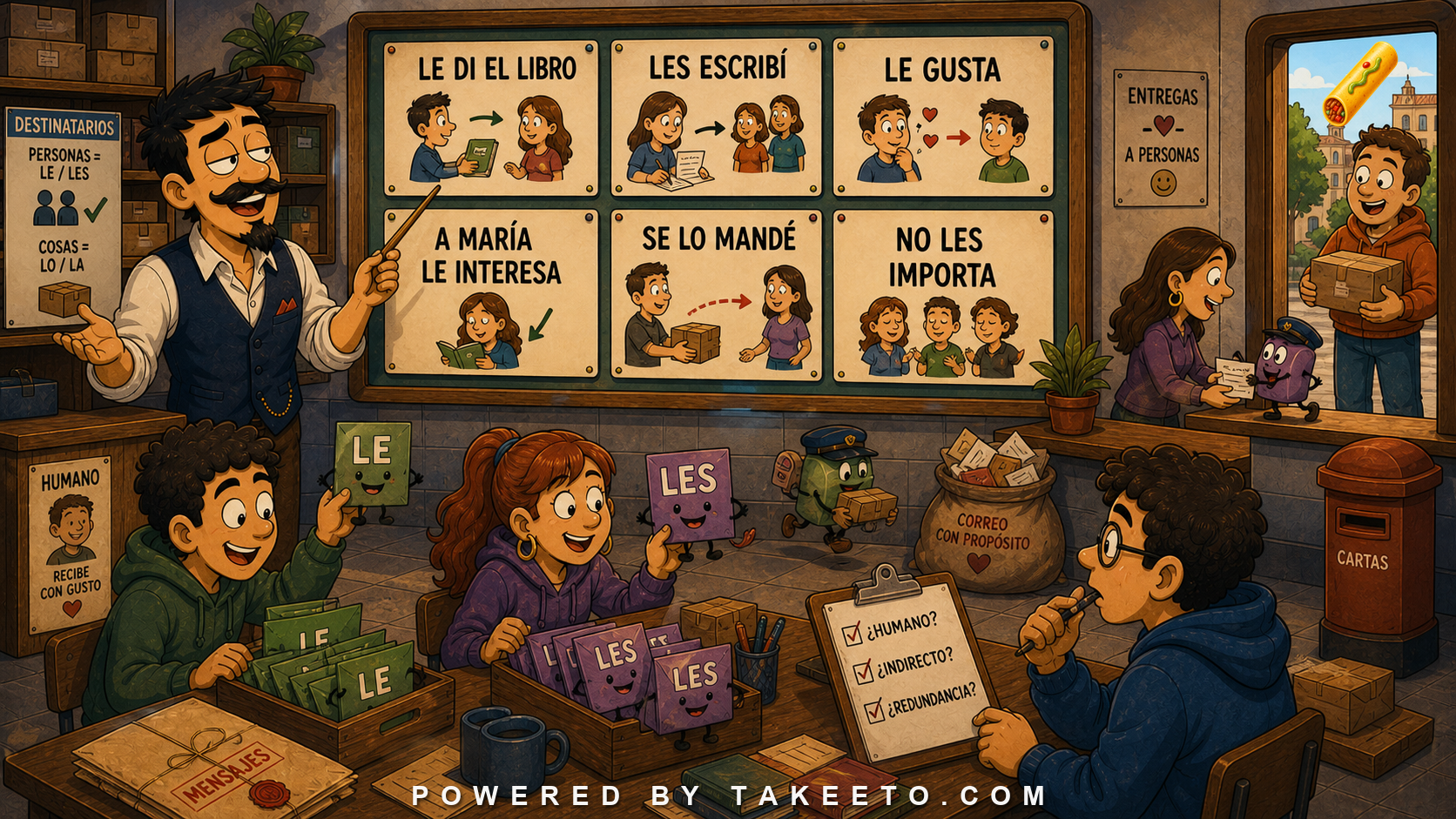
The reader understands indirect object pronouns as core argument markers, not optional clutter.
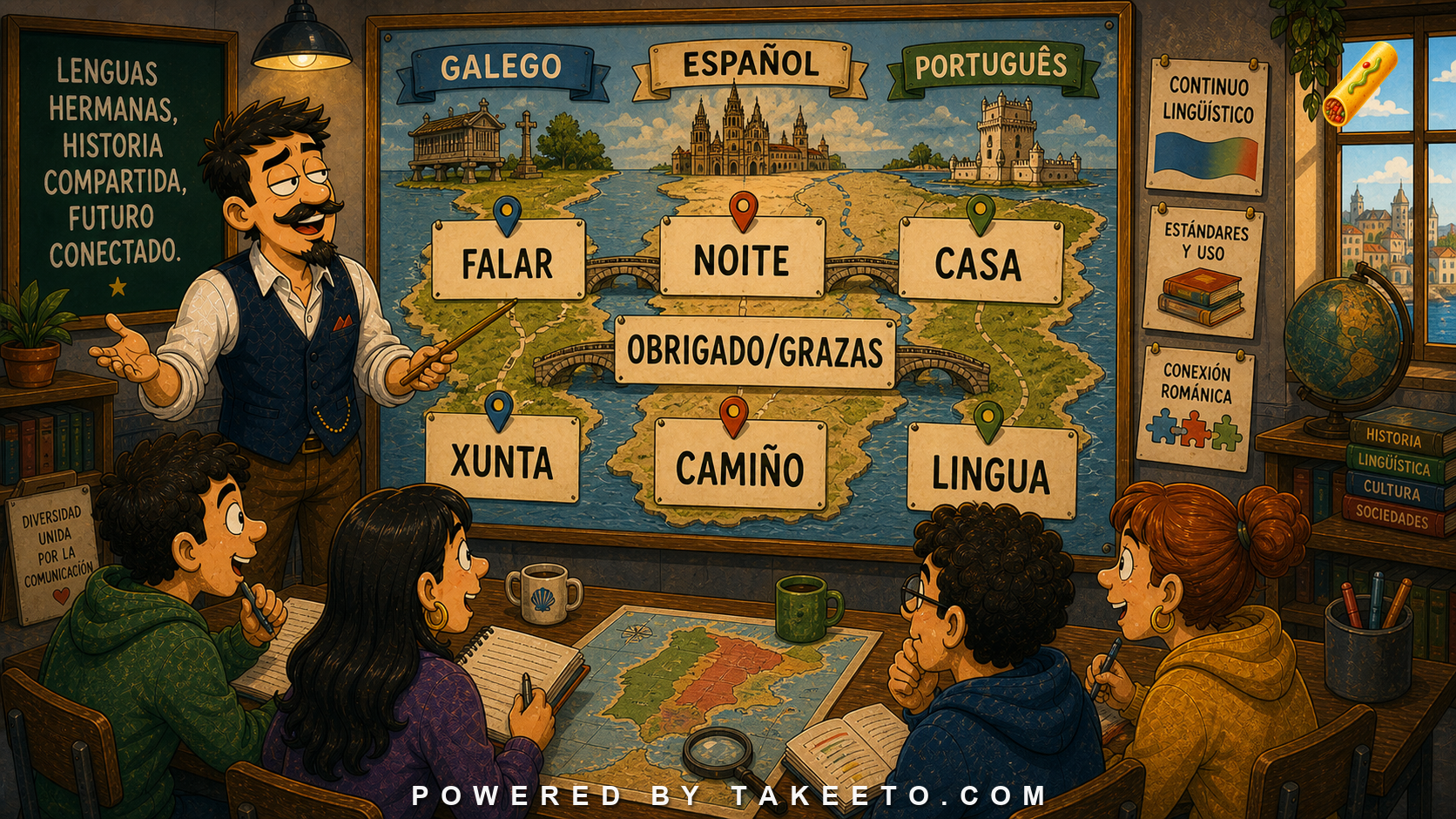
The reader can place Galician in the Romance landscape and understand its relation to Spanish and Portuguese.
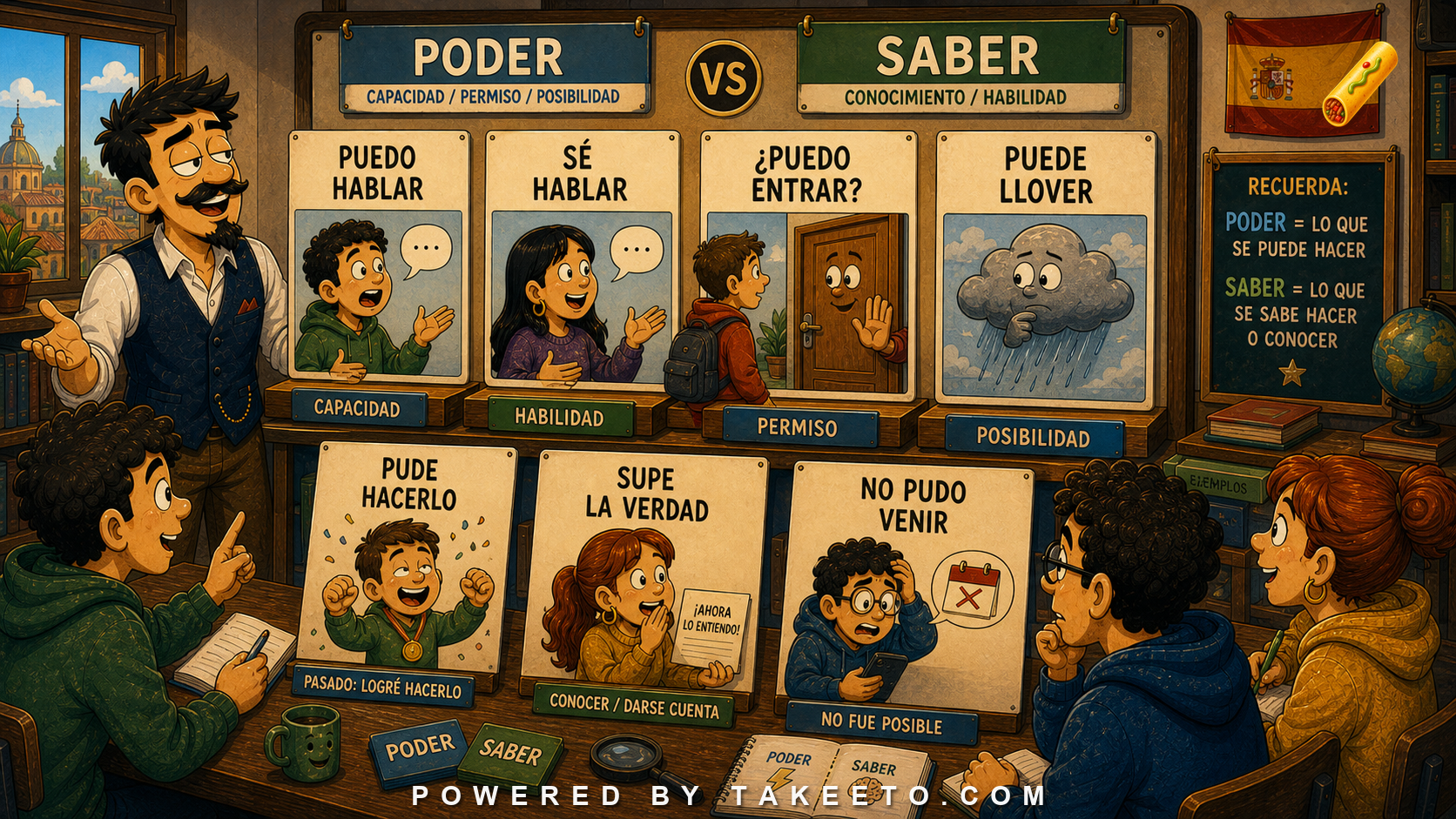
The reader can distinguish capacity, permission, possibility, and learned skill.
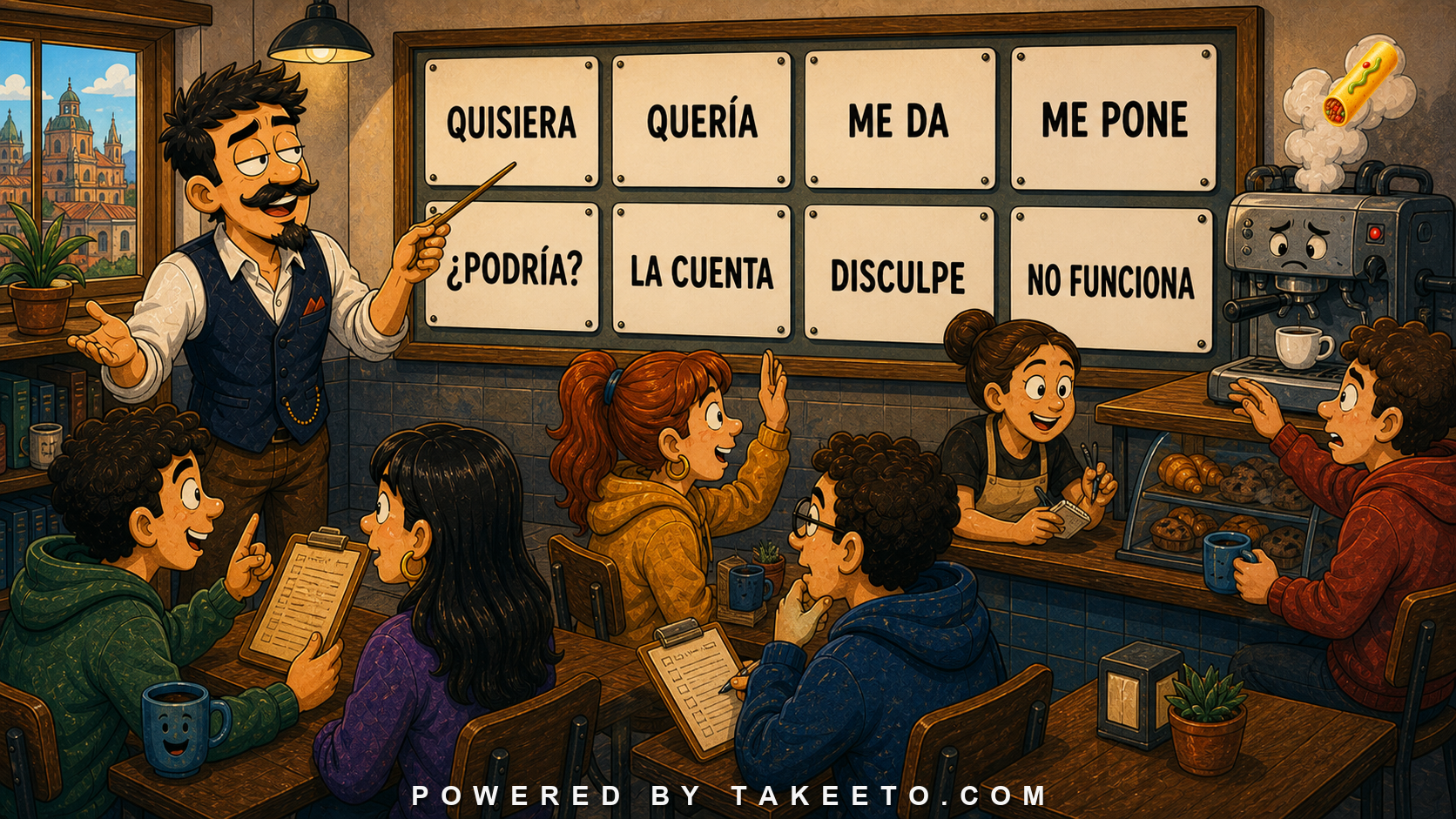
The reader can manage service interactions respectfully and precisely.
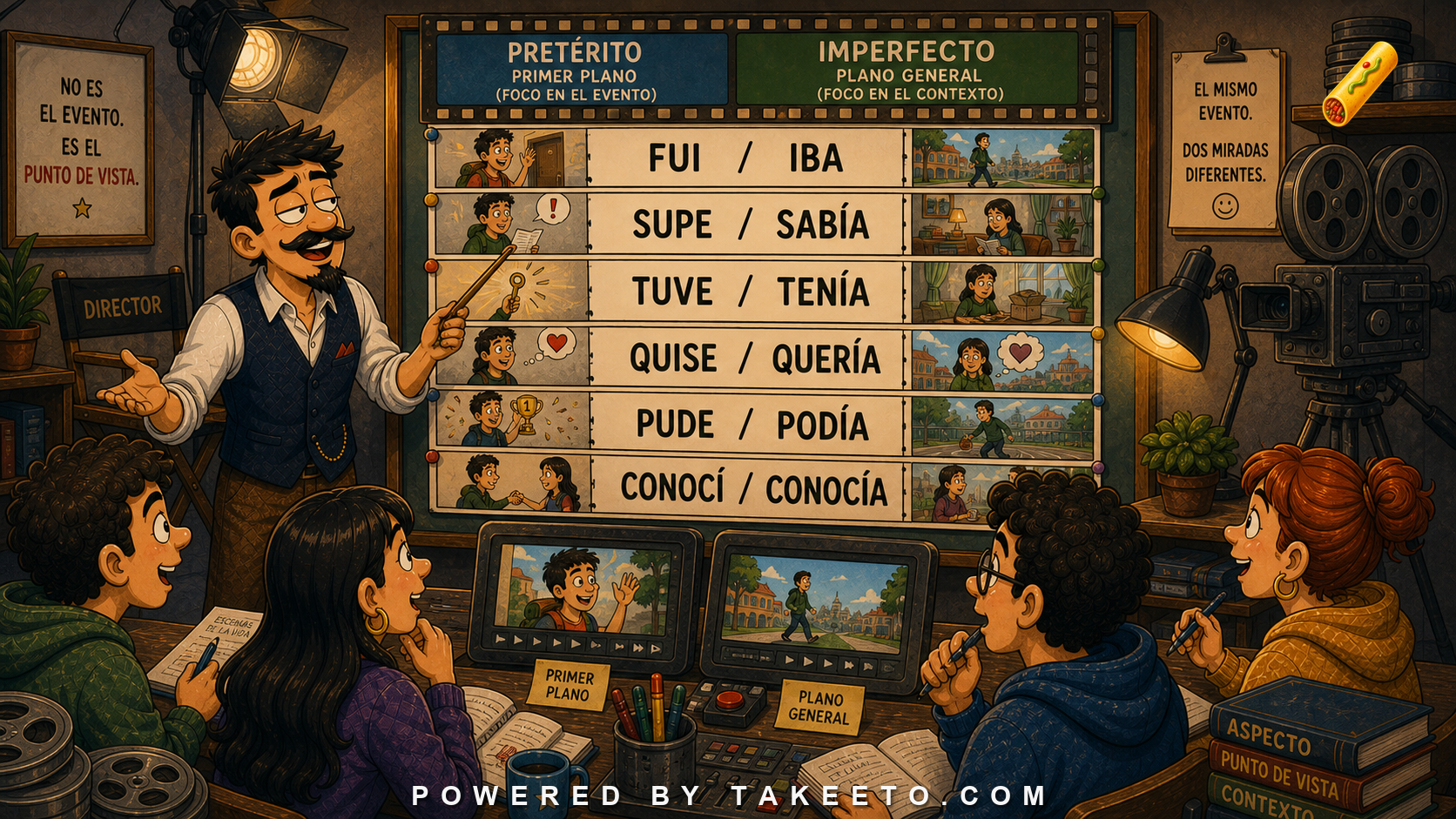
The reader learns to choose between preterite and imperfect by narrative viewpoint rather than vocabulary lists.
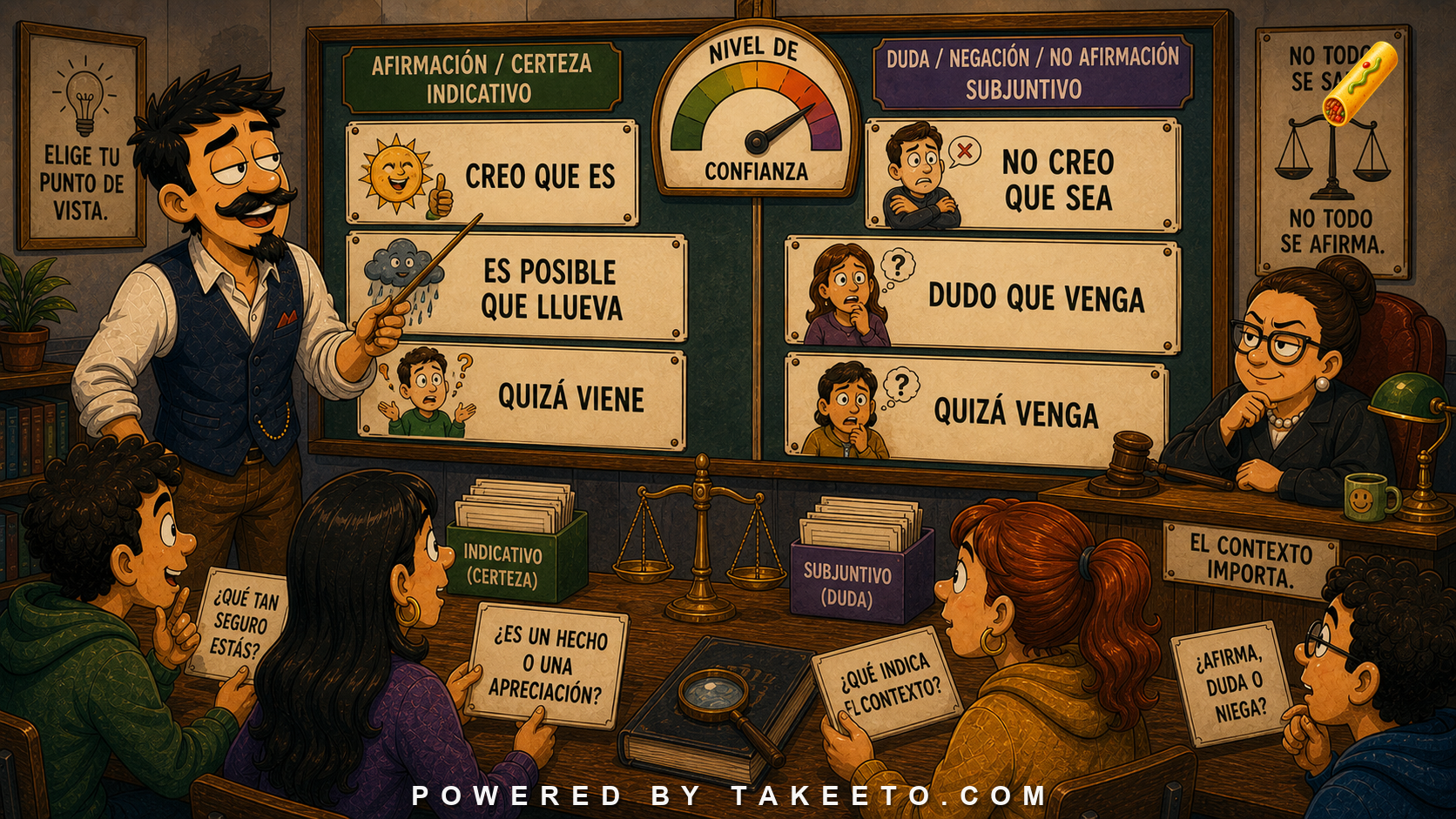
The reader can explain why negated belief and uncertainty often select subjunctive.
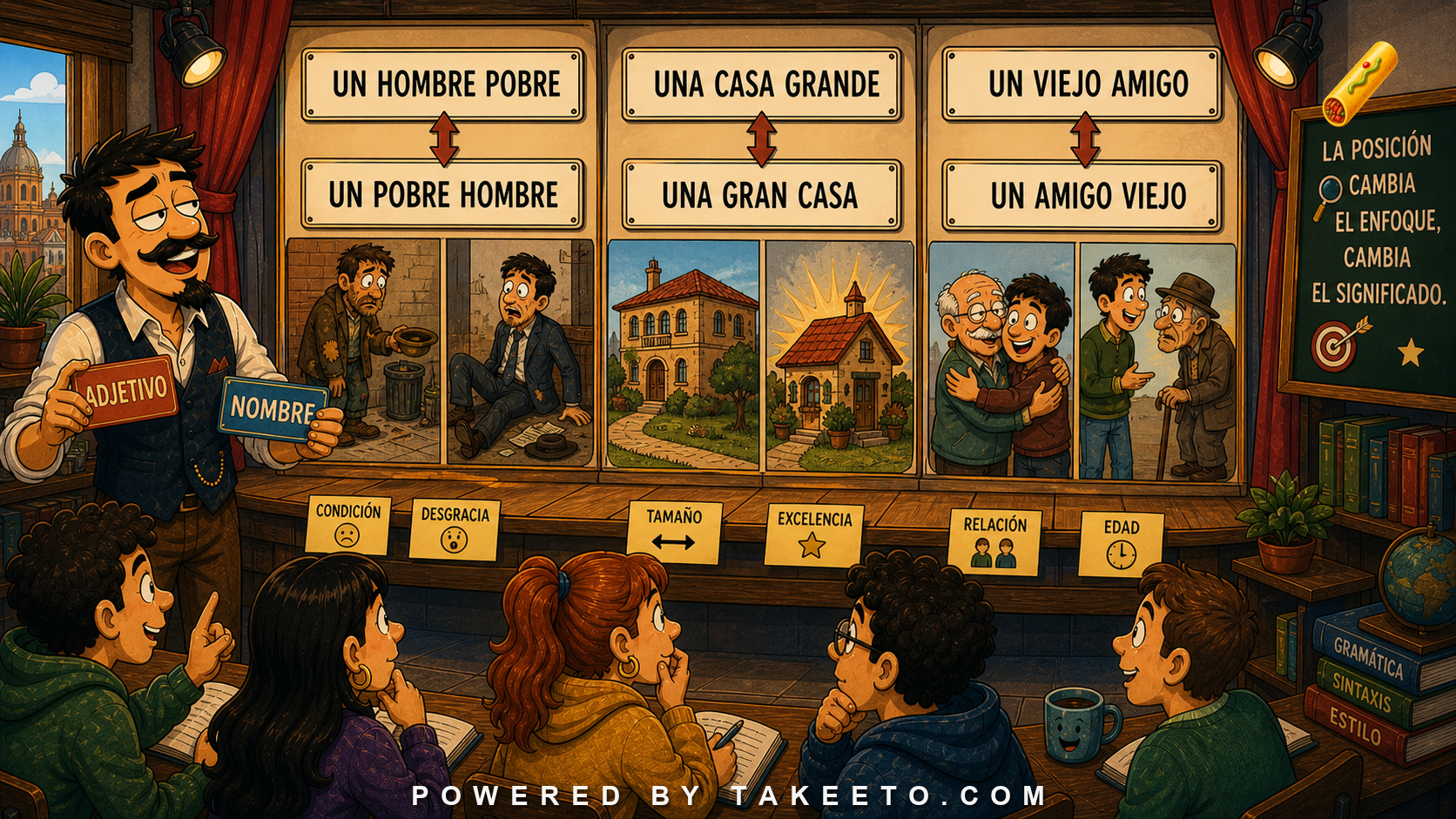
The reader understands how adjective placement affects meaning, evaluation, and discourse.
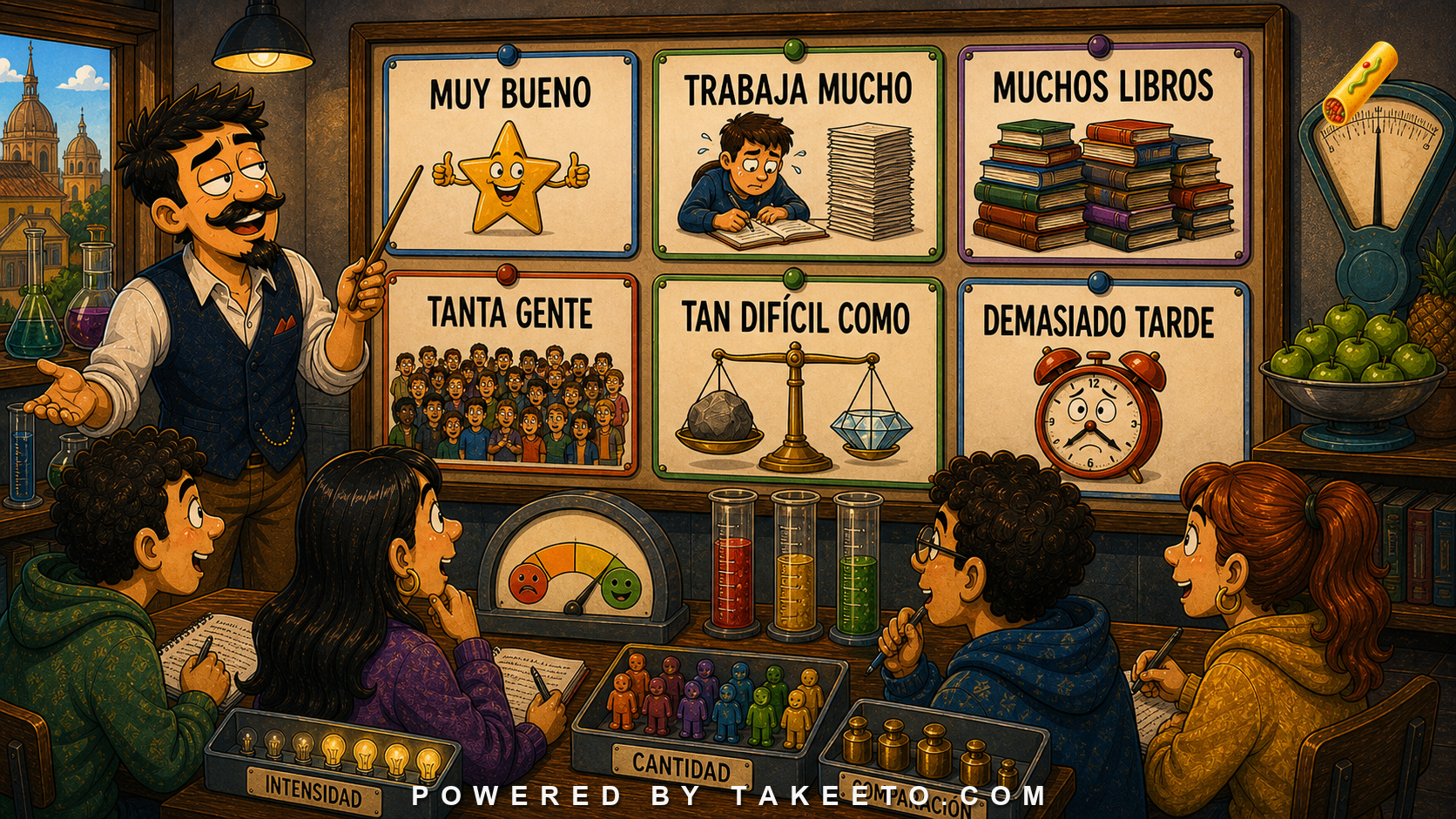
The reader can distinguish intensifiers, quantifiers, and comparison structures.
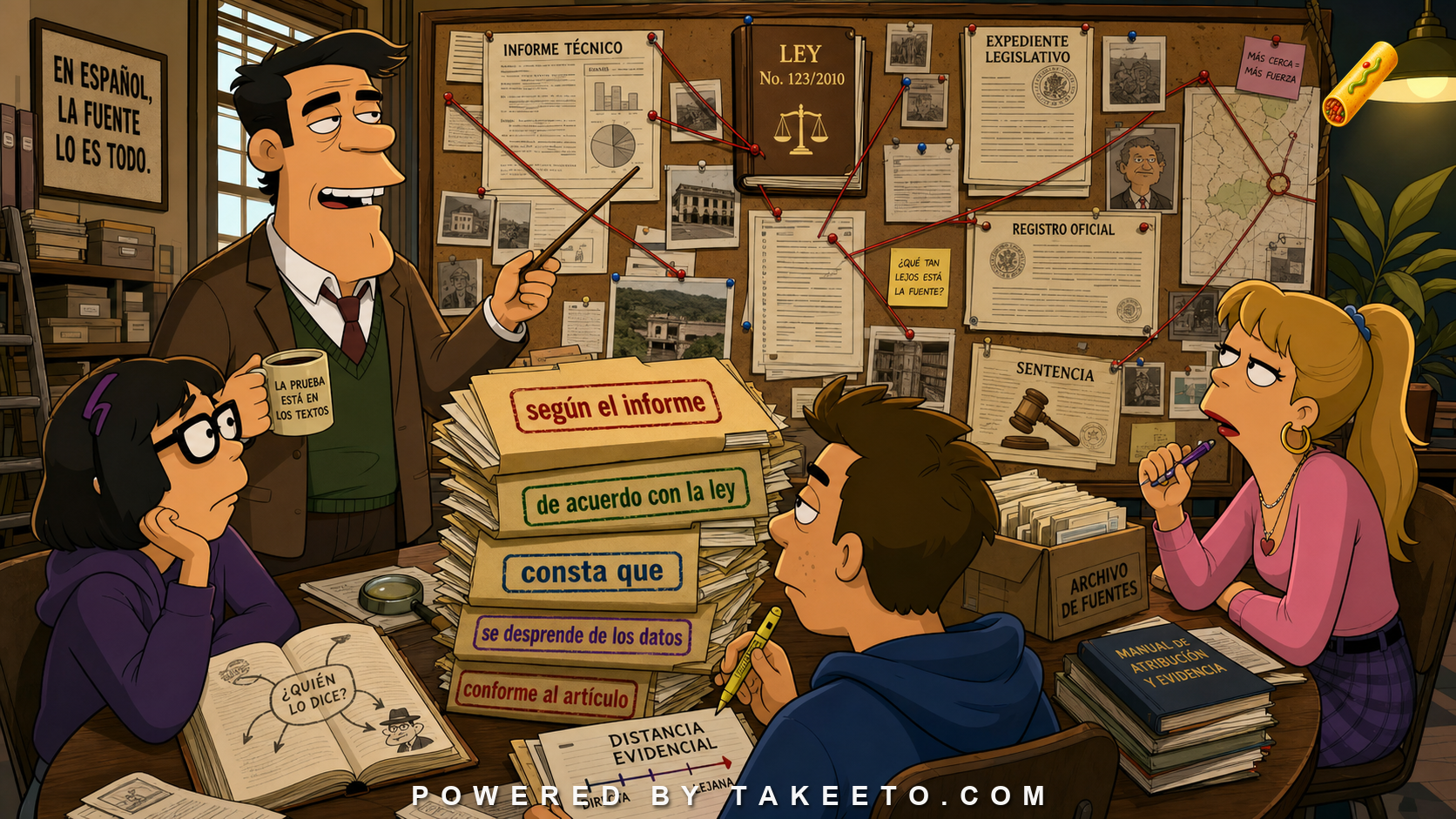
The reader can identify source attribution, documentary evidence, and evidential distance.
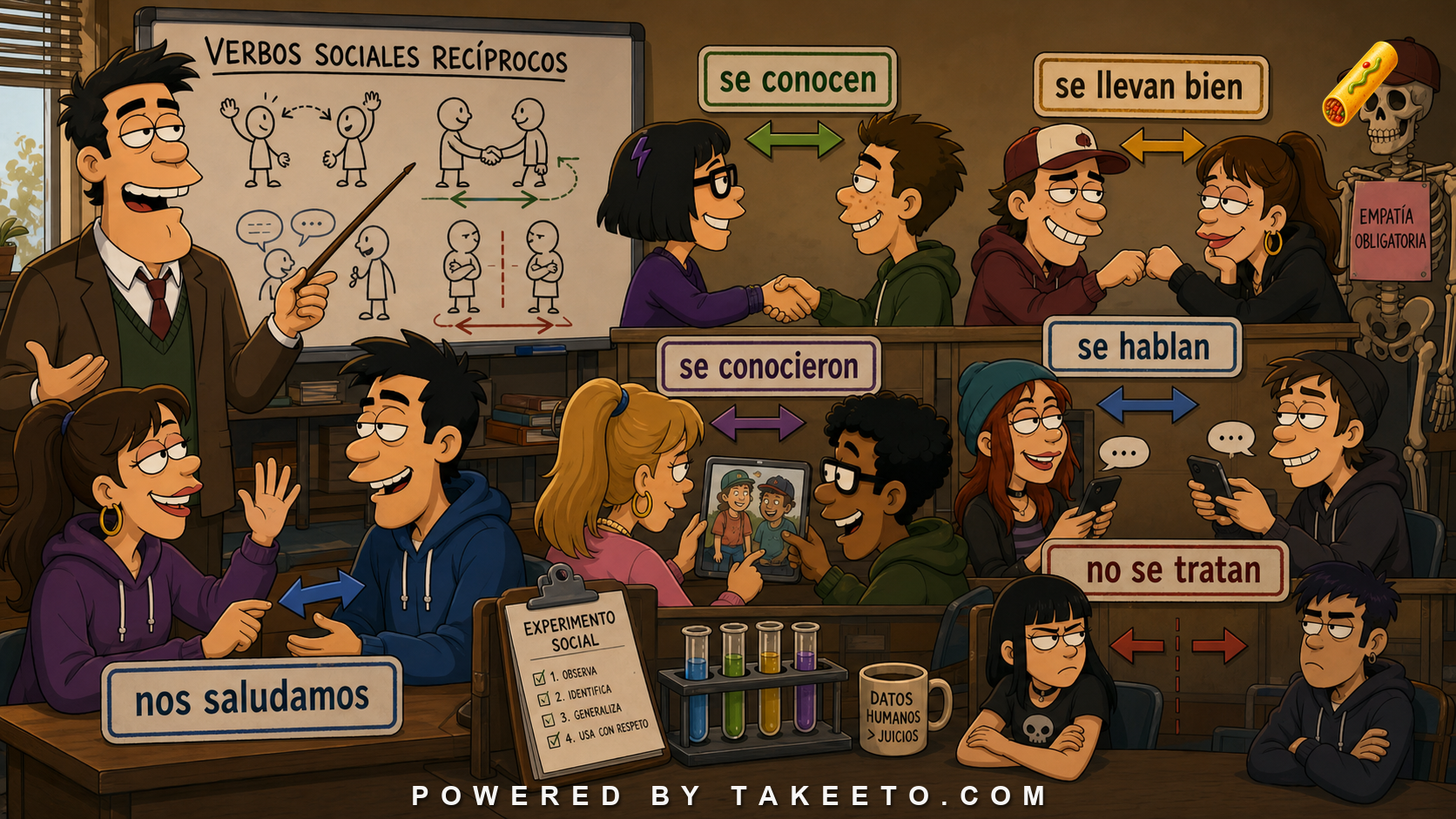
The reader can interpret reciprocal social actions and relationship predicates.
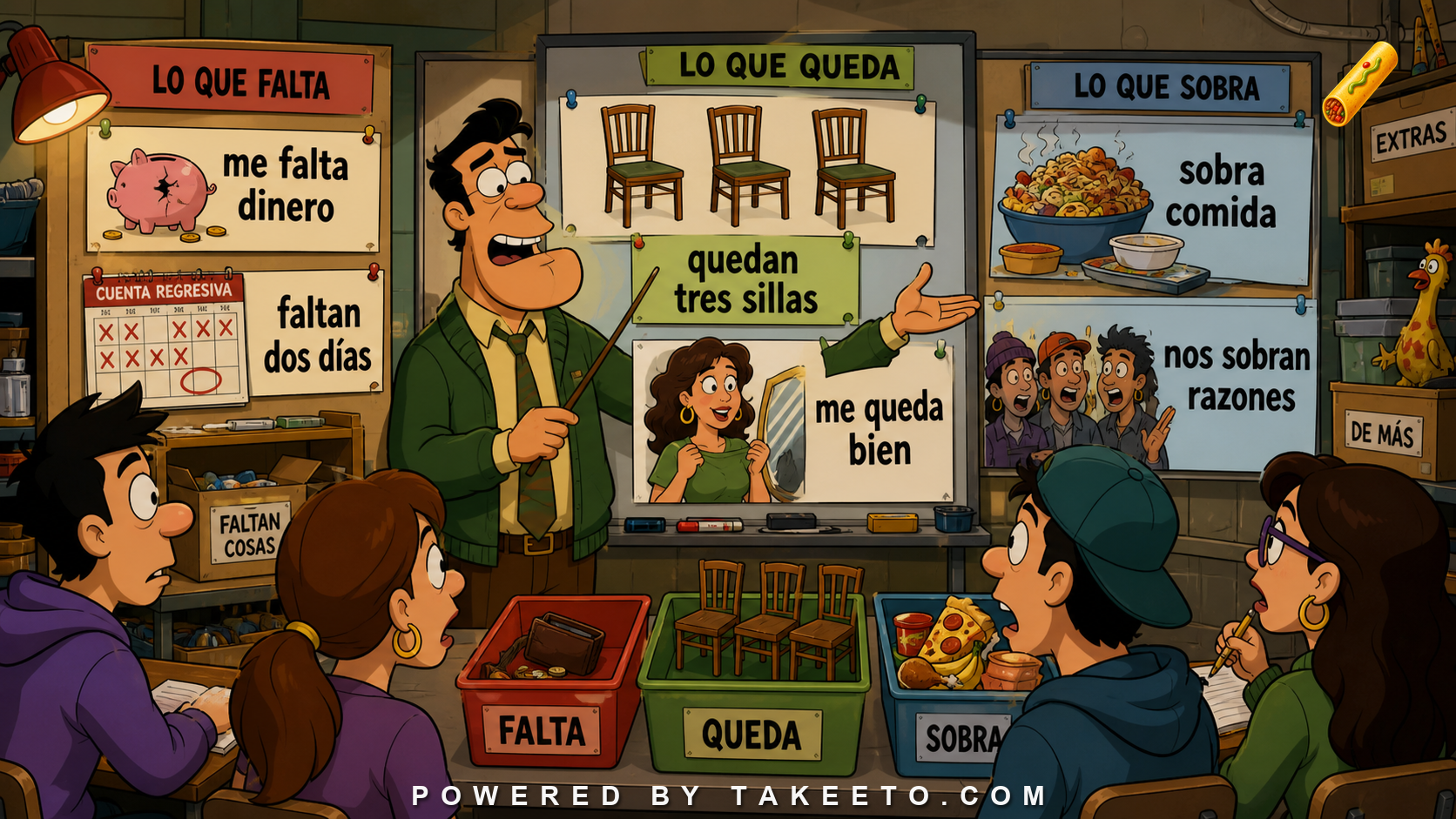
The reader can parse quantity-state verbs that often confuse English speakers.
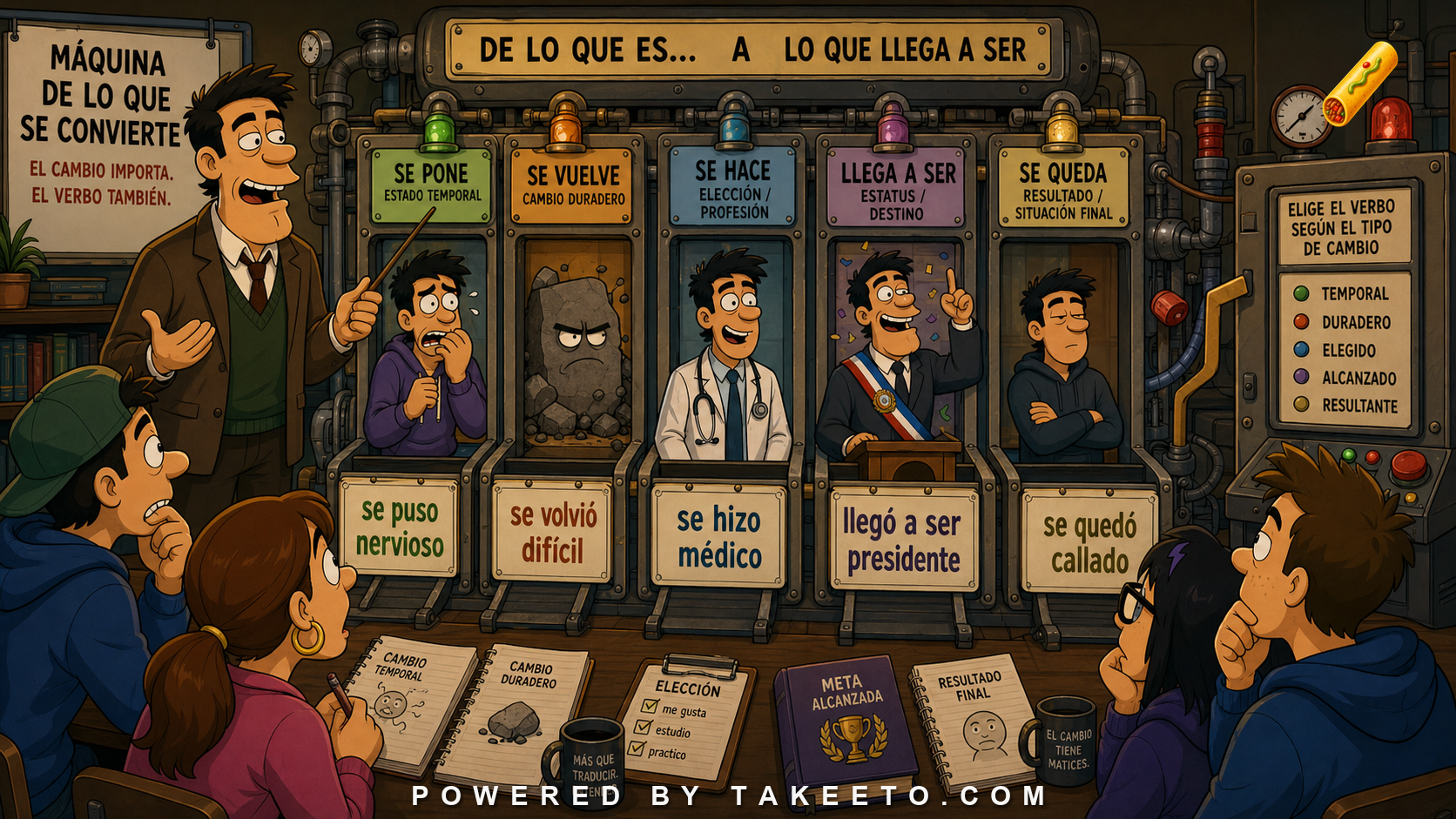
The reader can choose among Spanish becoming verbs based on type of change.
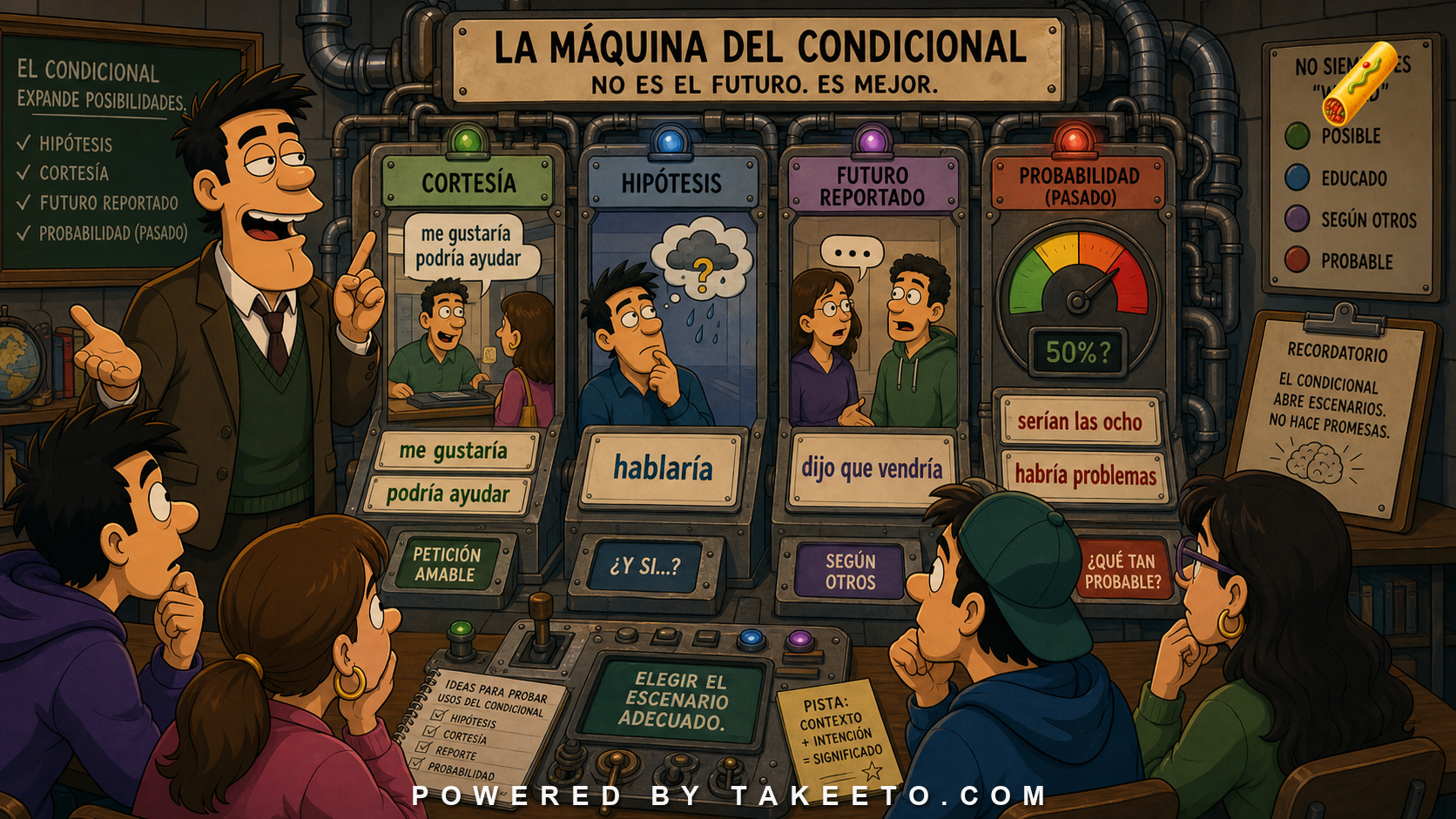
The reader can interpret the Spanish conditional beyond “would.”
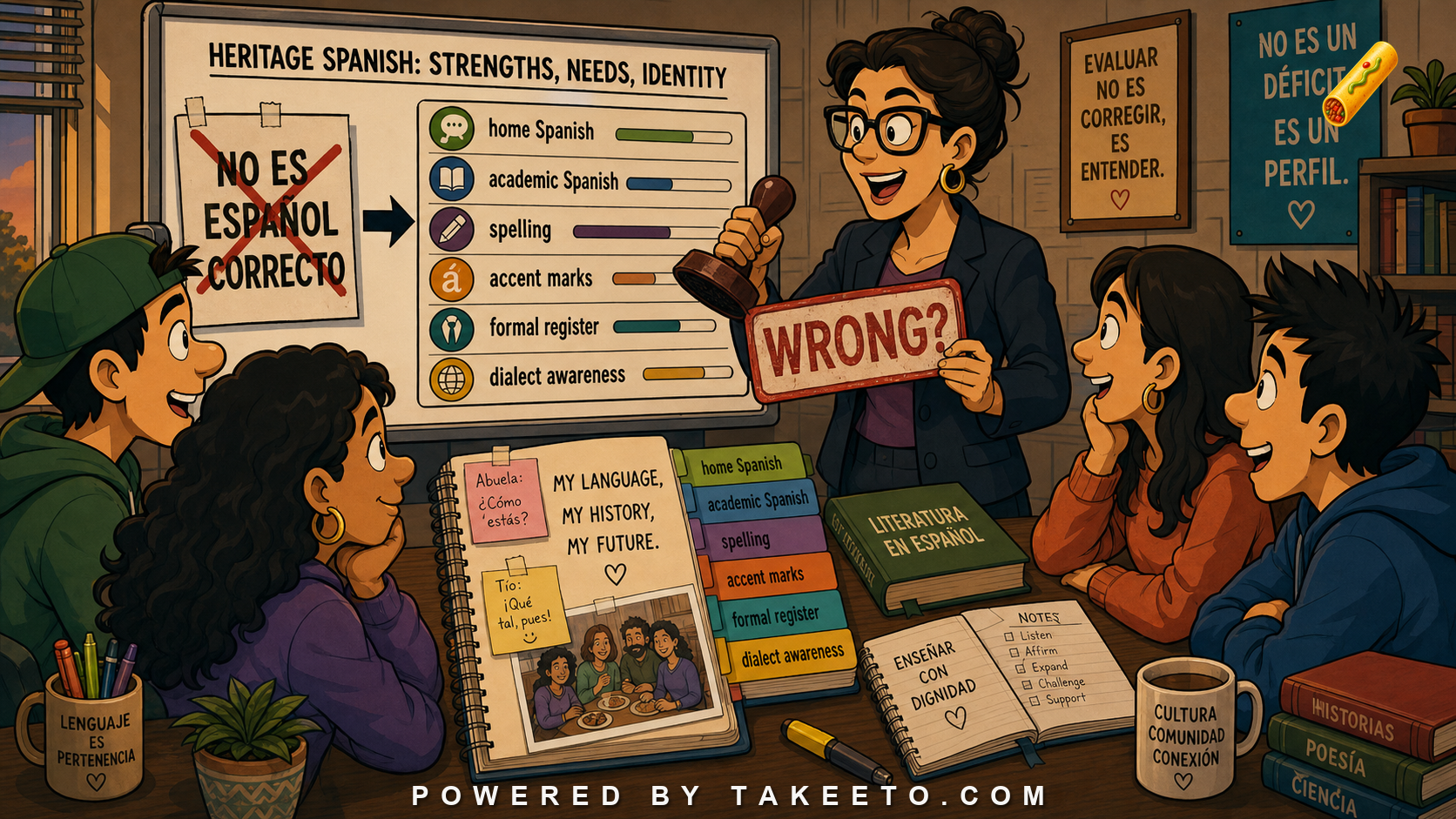
The reader understands heritage Spanish as a legitimate linguistic profile with specific learning needs.
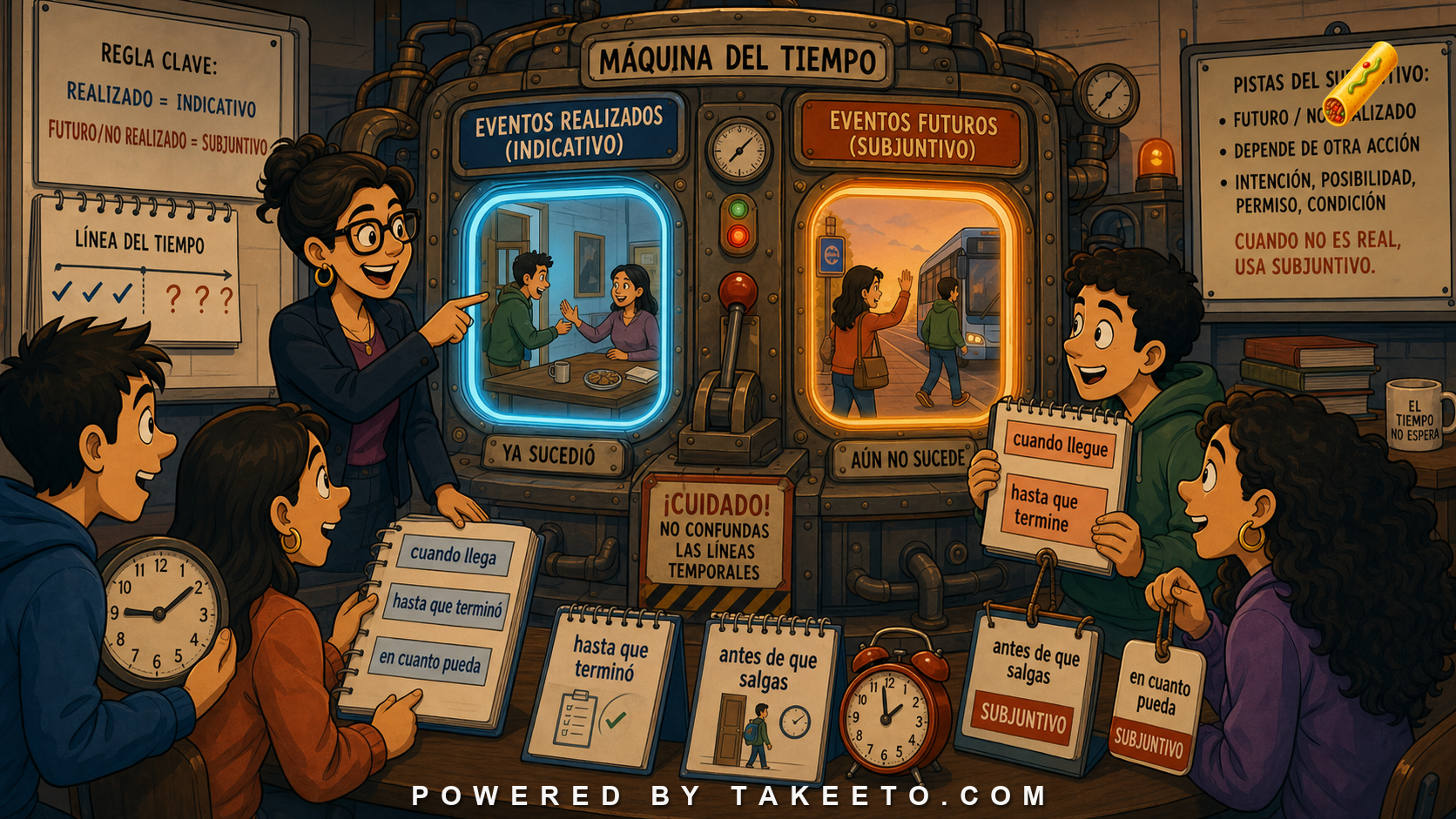
The reader can choose indicative or subjunctive in temporal clauses based on realized versus future events.
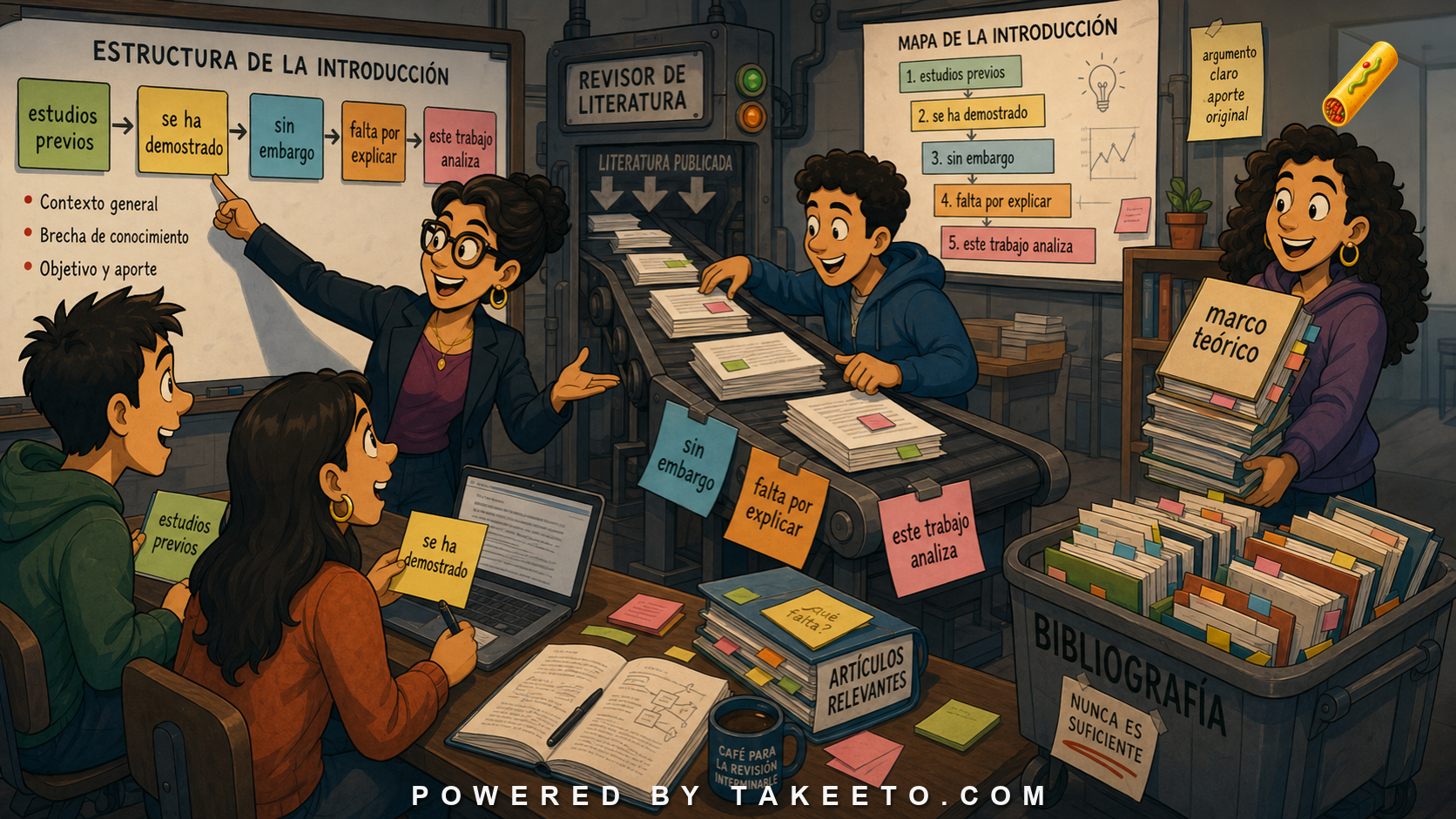
The reader can follow how Spanish academic articles establish a problem and prior research.
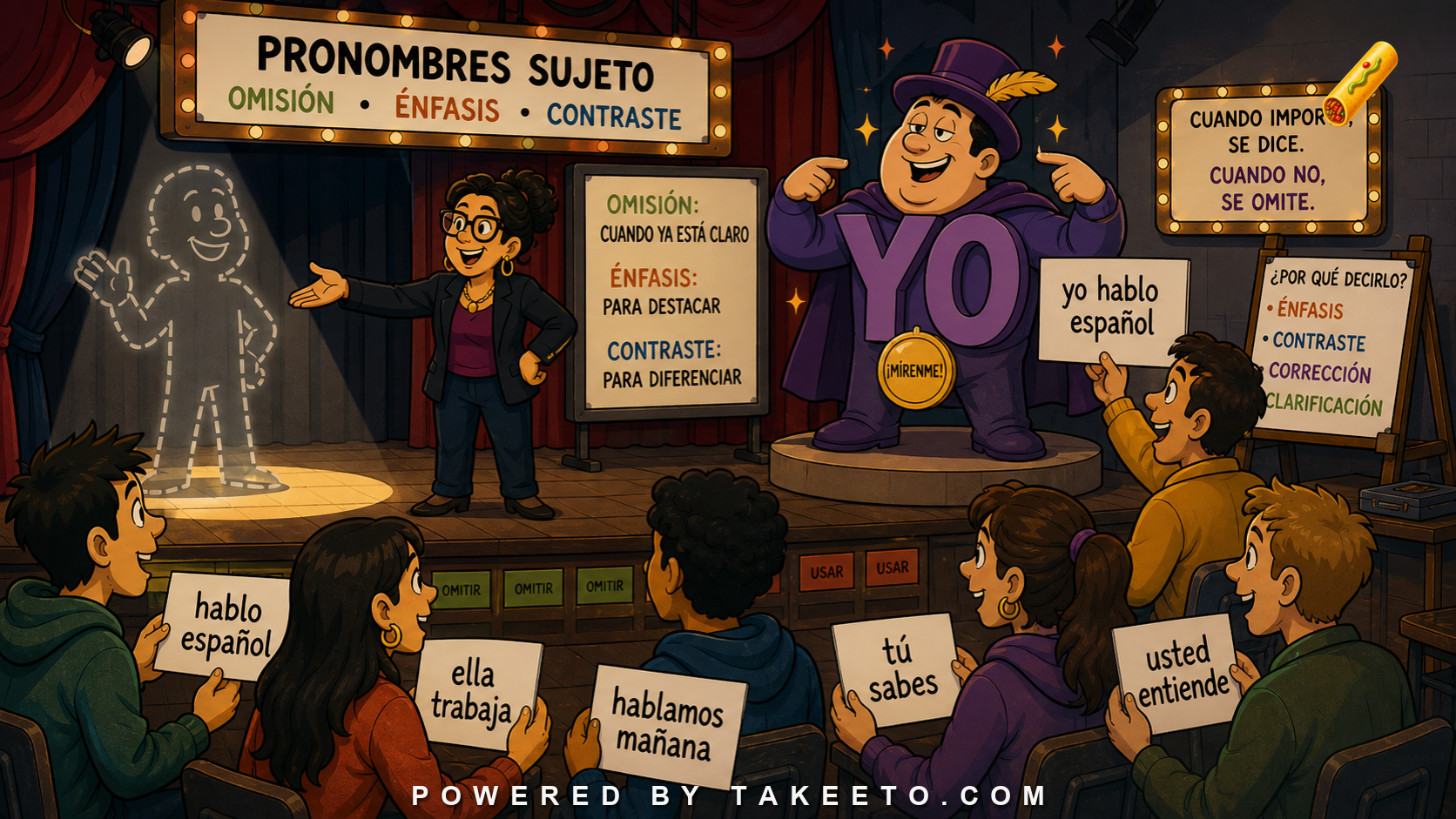
The reader can explain when Spanish omits subject pronouns and when explicit pronouns carry meaning.
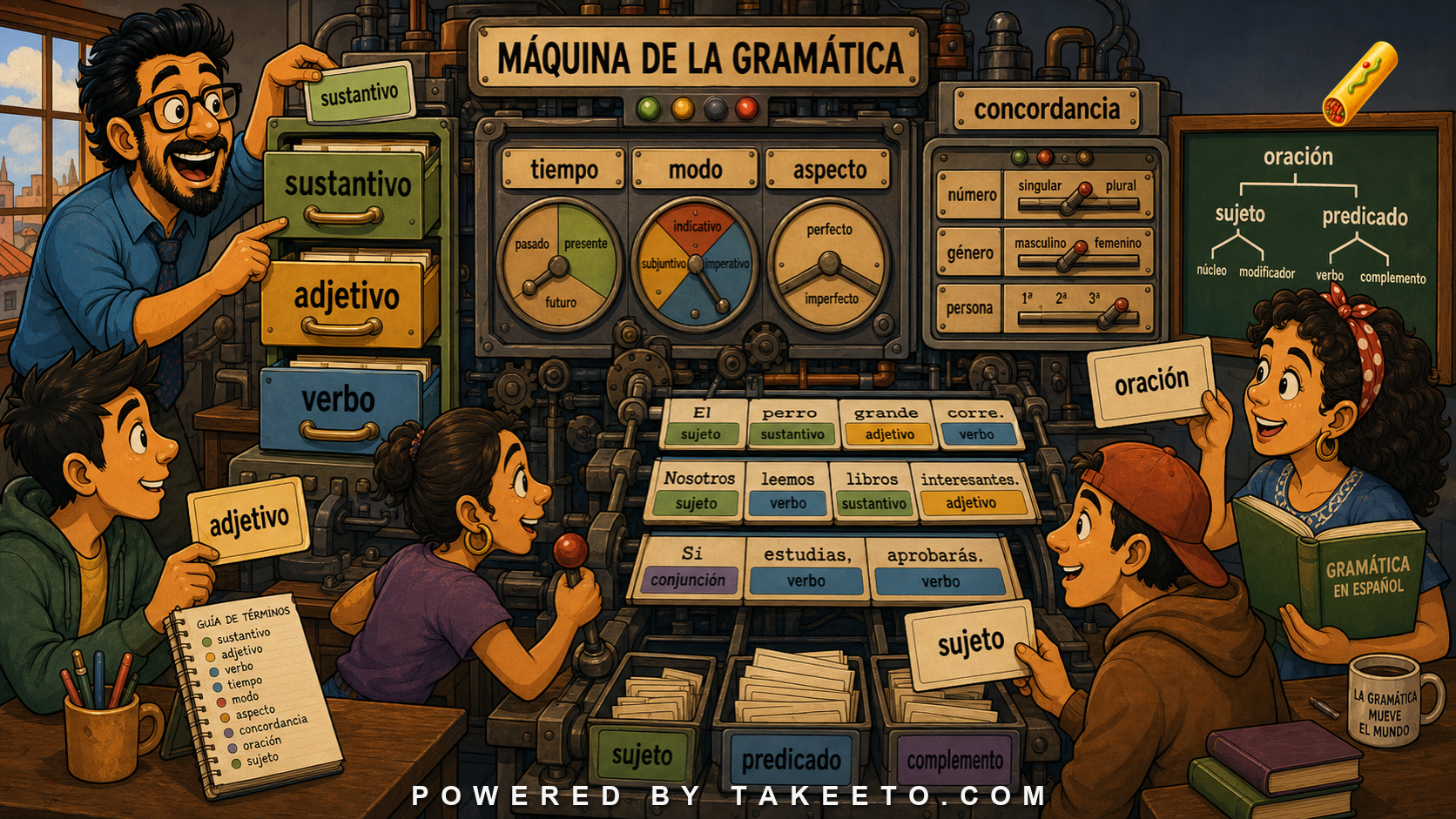
The reader can read Spanish grammar explanations written in Spanish by recognizing key terminology for parts of speech, verbs, agreement, and clauses.
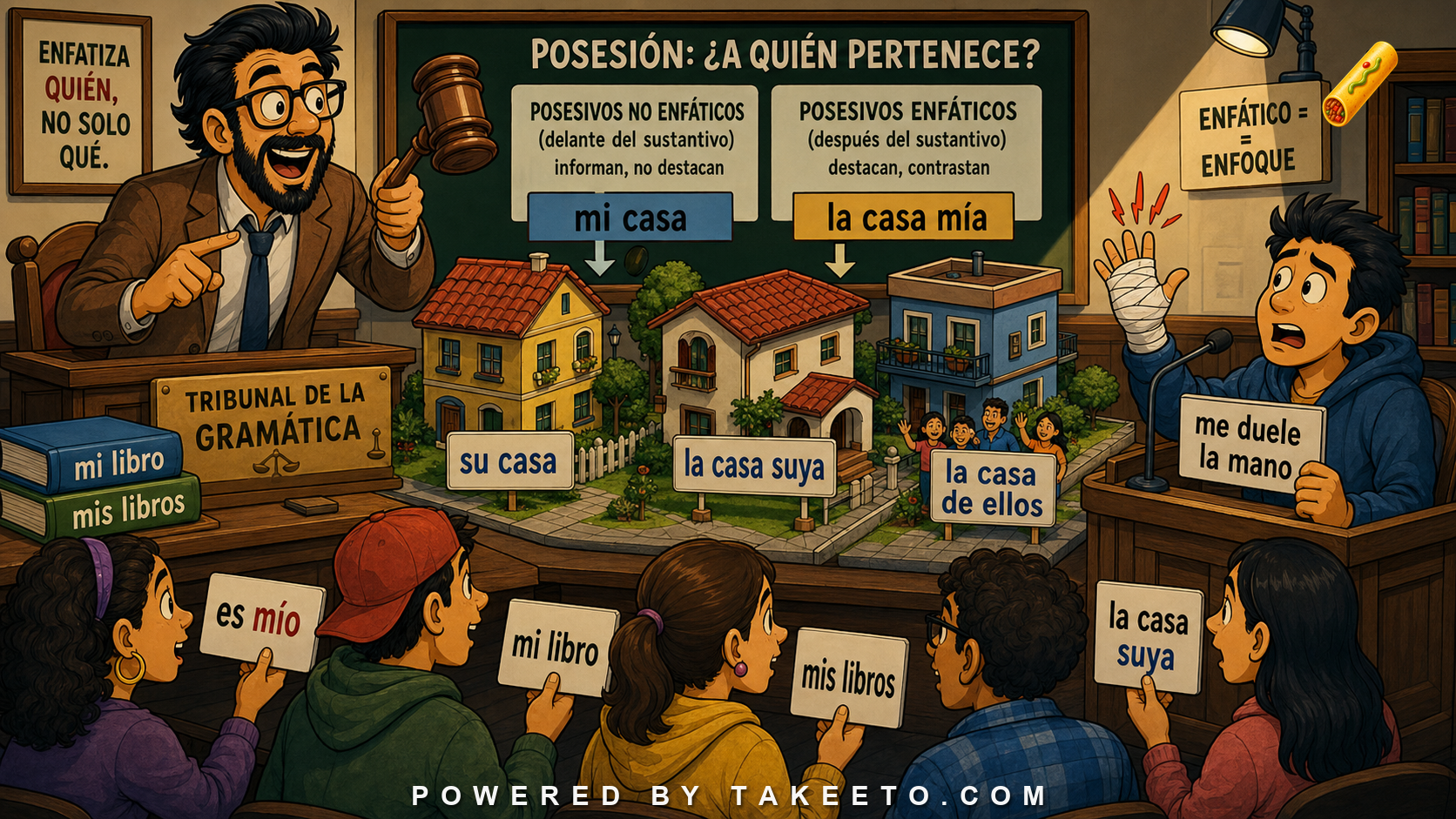
The reader can distinguish unstressed and stressed possessives and their discourse effects.
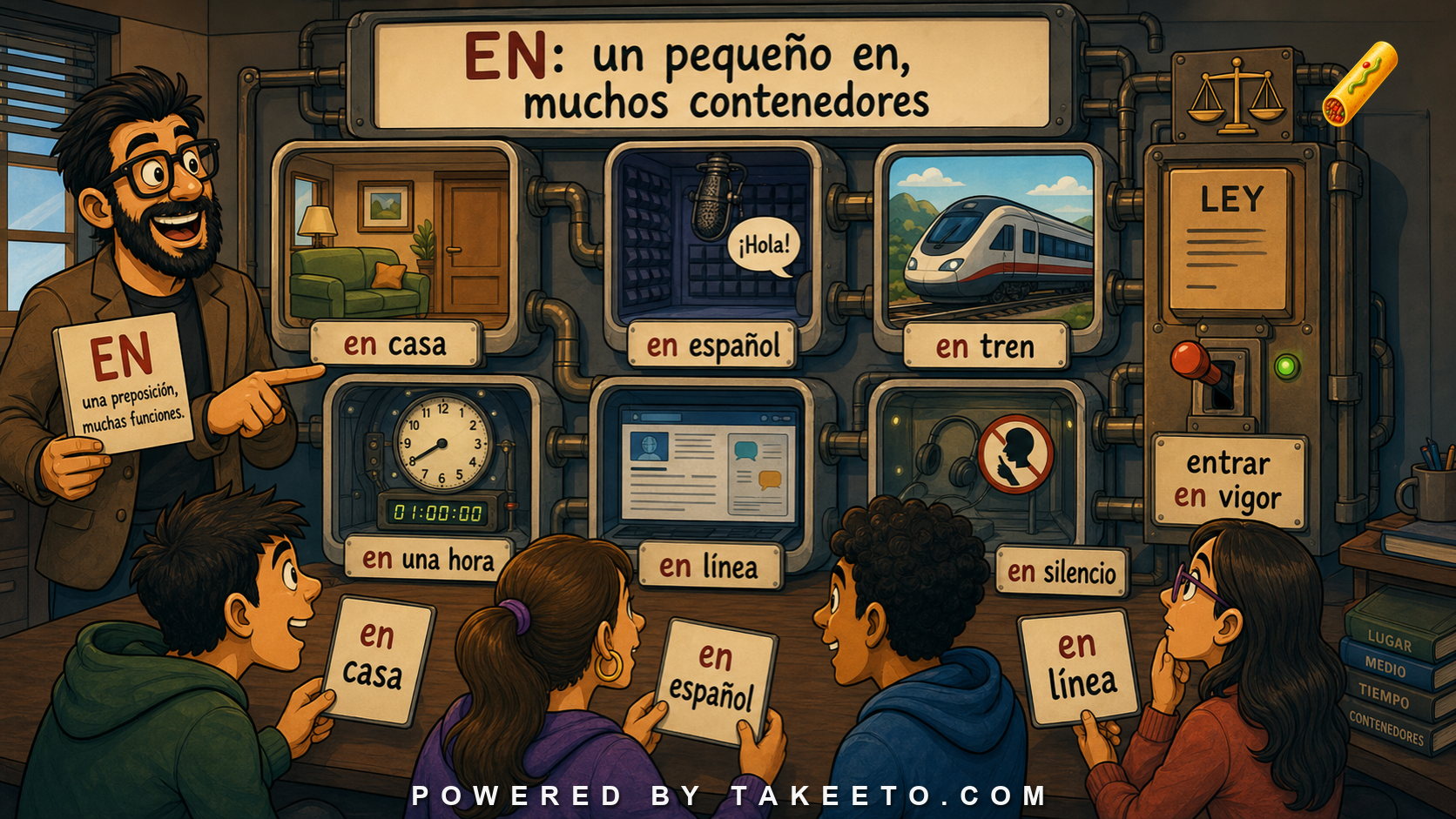
The reader can parse en across physical, temporal, and abstract contexts.
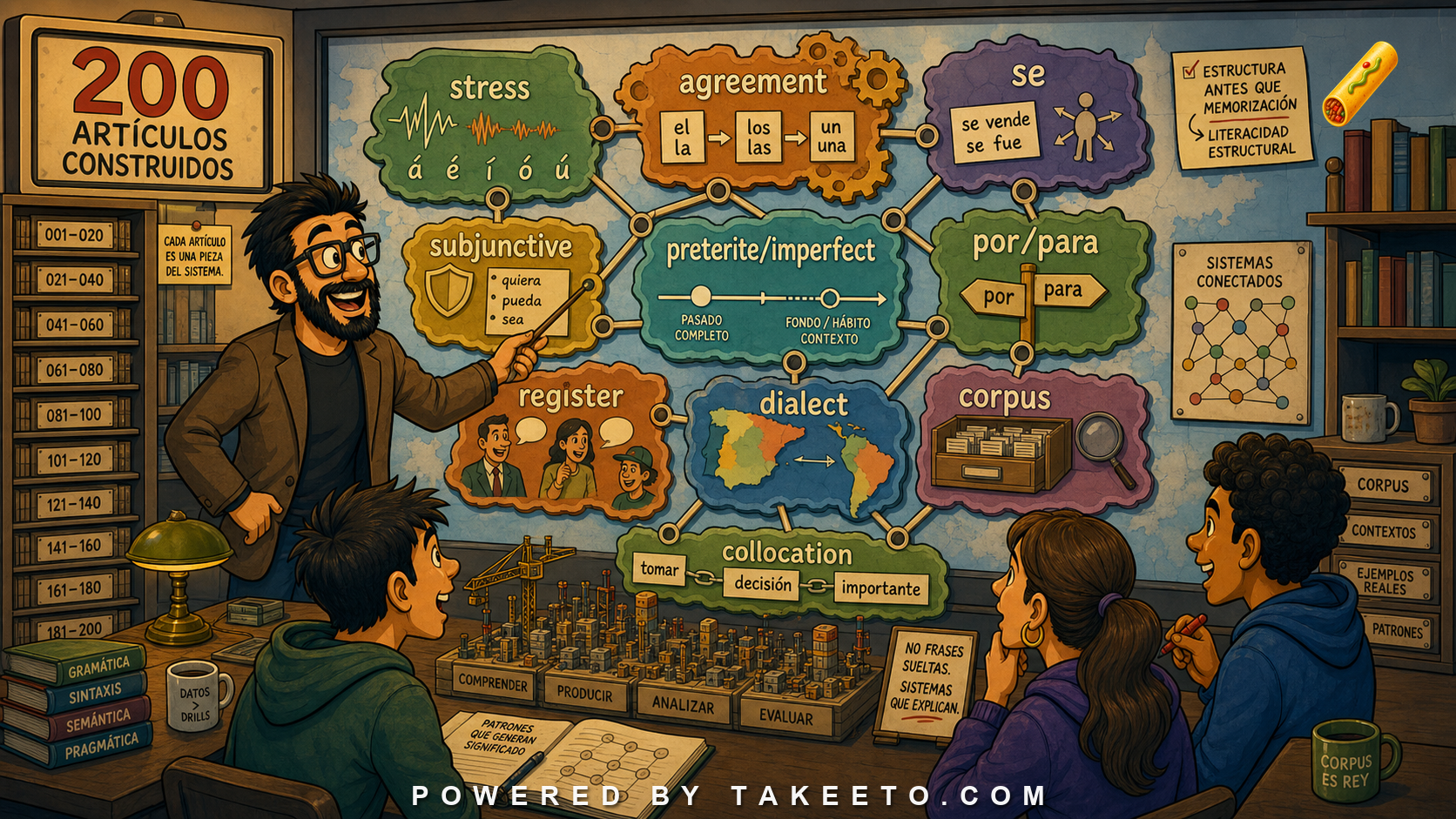
The reader sees Spanish study as cumulative structural literacy rather than memorized phrases.
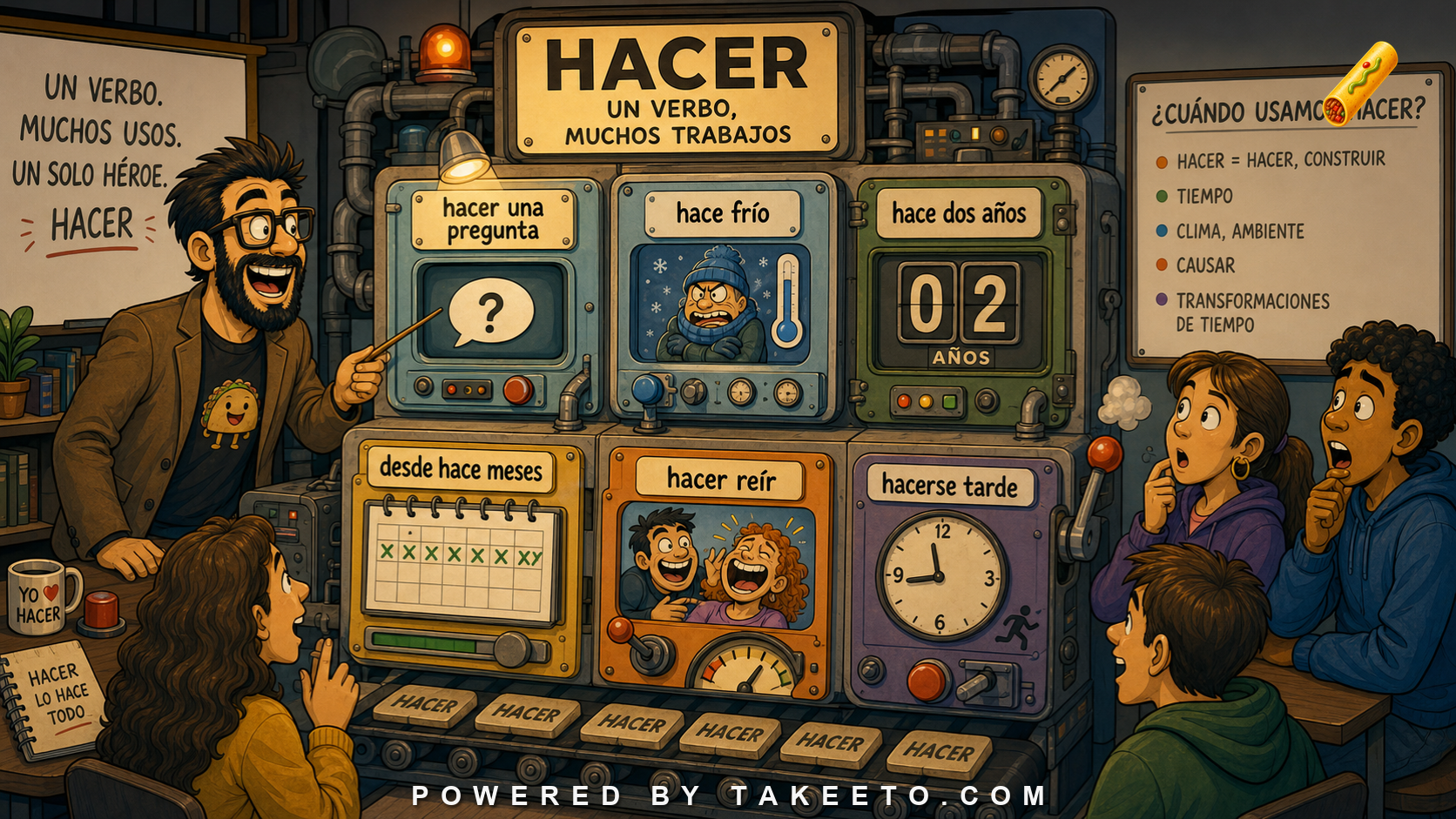
The reader can parse hacer across concrete, temporal, environmental, and causative uses.
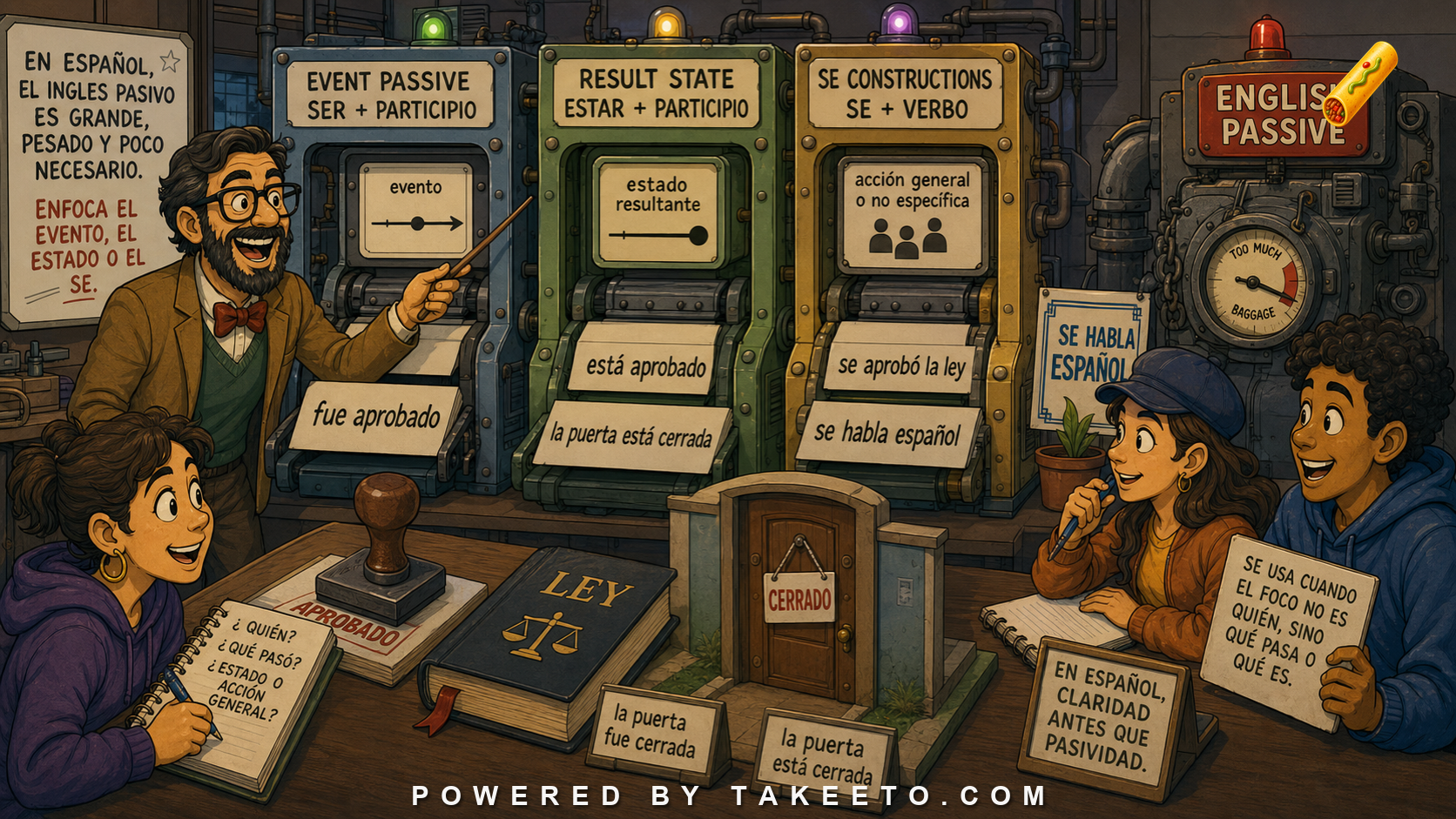
The reader can distinguish event passive, resultative state, and se constructions.
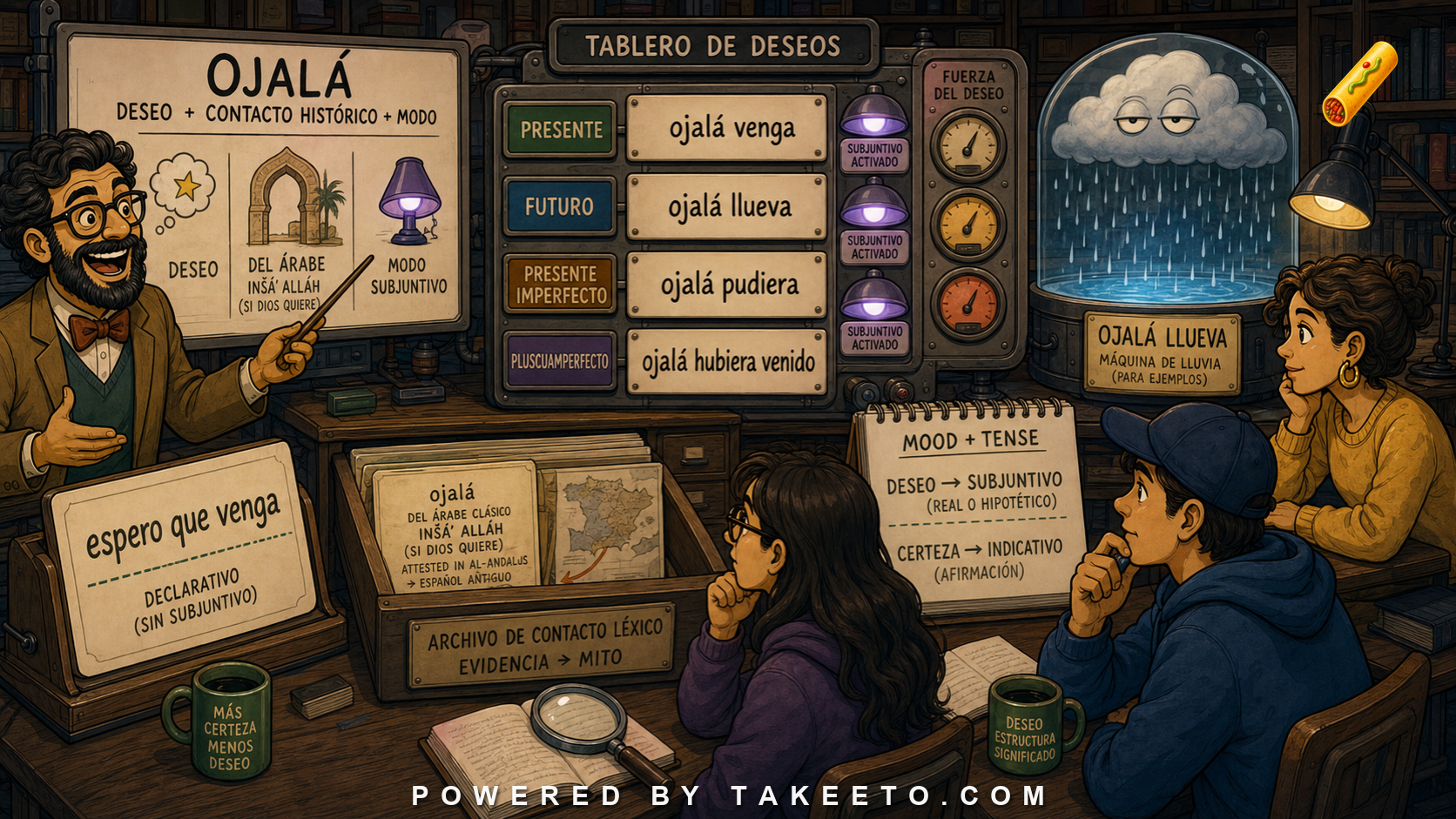
The reader understands ojalá as a desire marker tied to mood, tense, and historical contact.
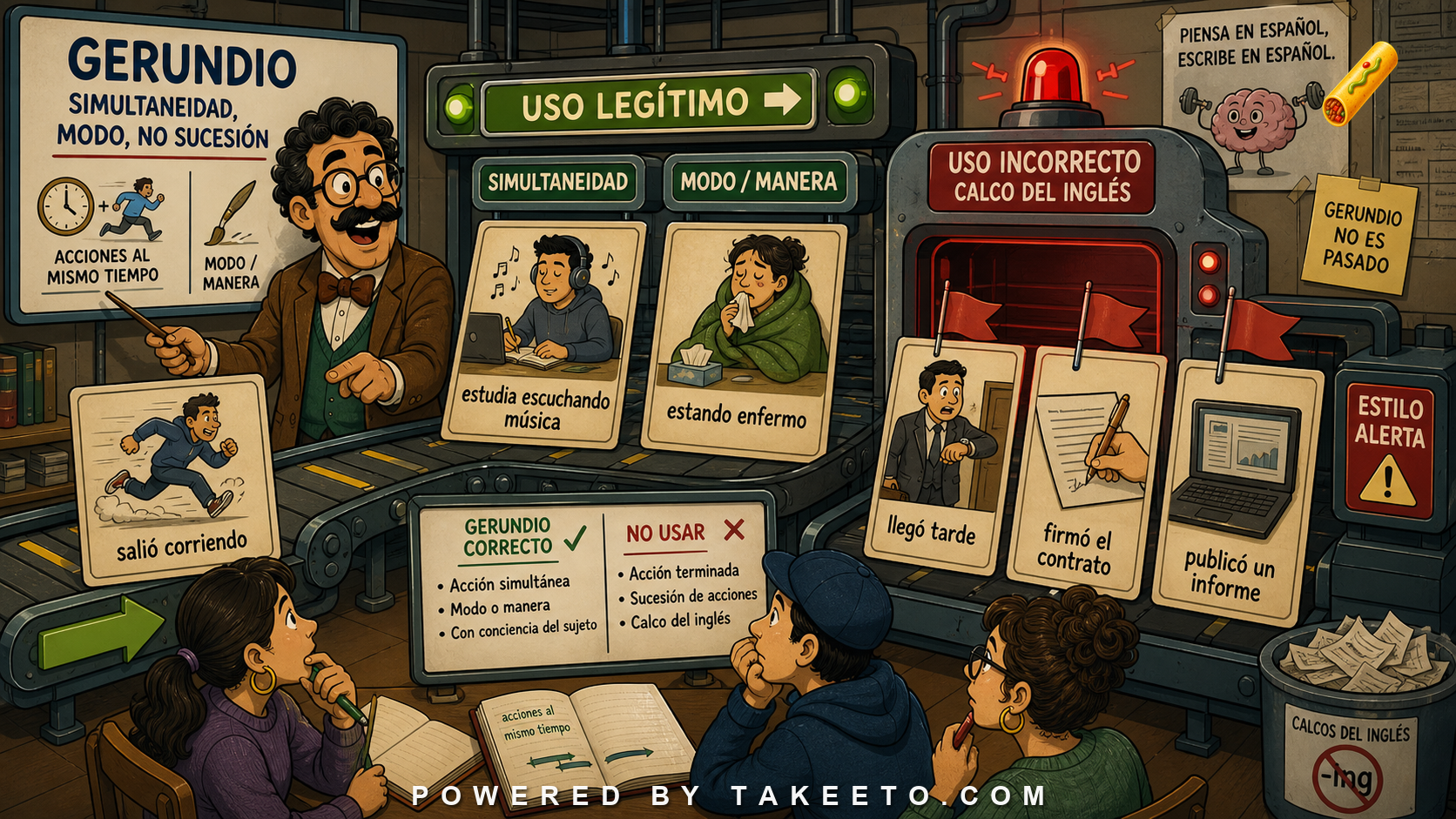
The reader can identify legitimate Spanish gerund use and avoid English-shaped participial clauses.
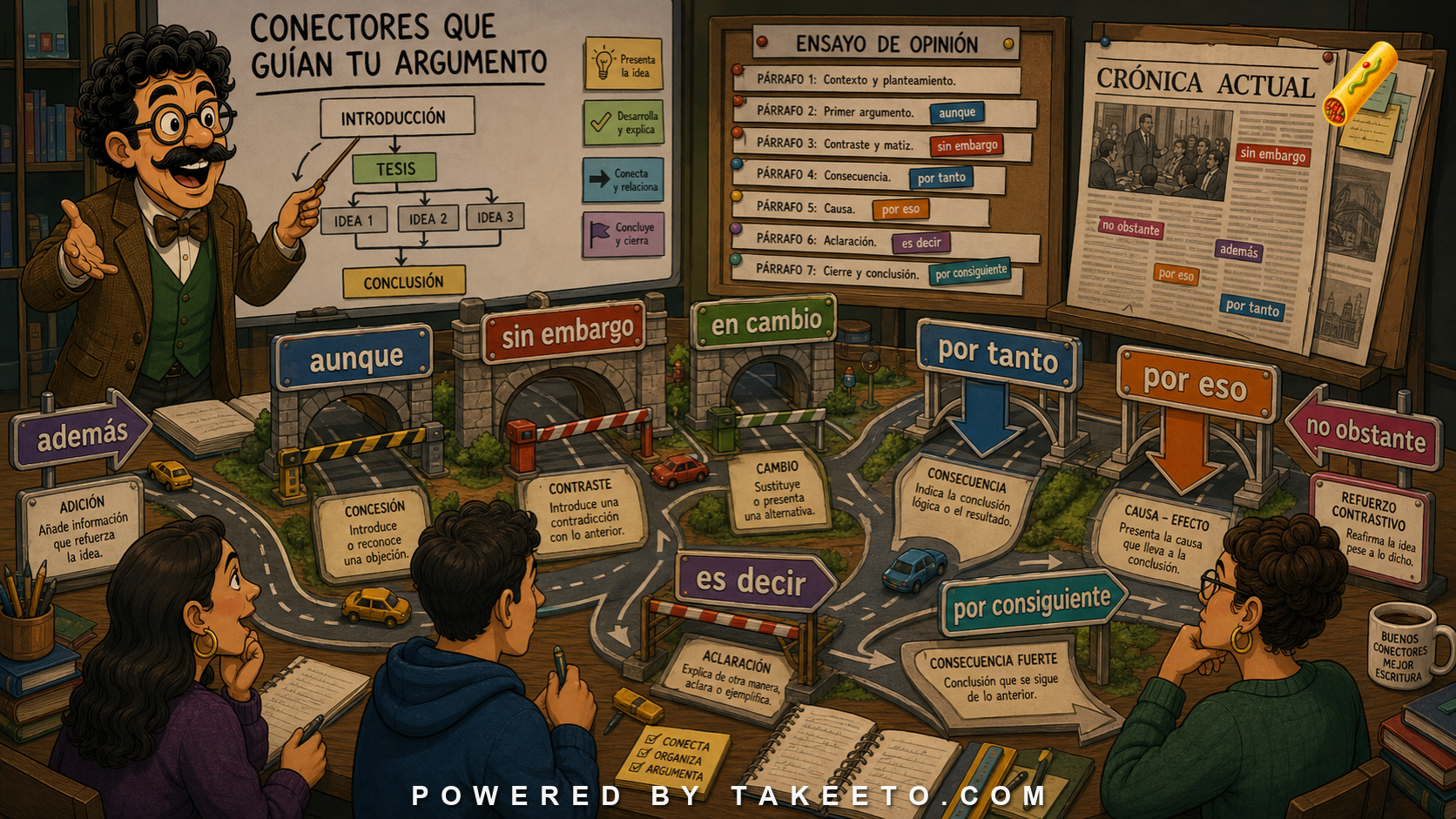
The reader can follow argument structure in essays, journalism, and academic prose.
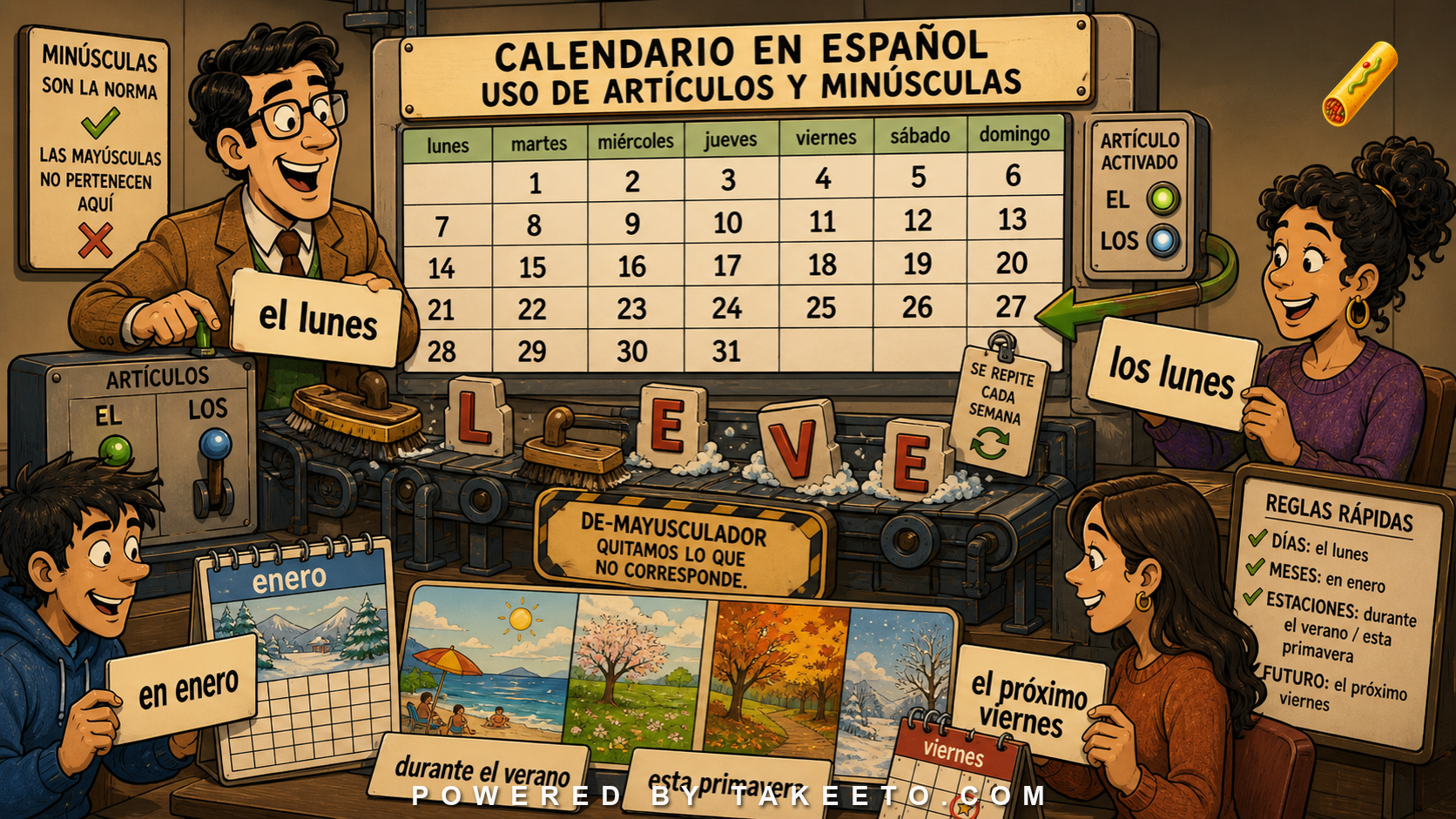
The reader can use calendar vocabulary in natural Spanish.
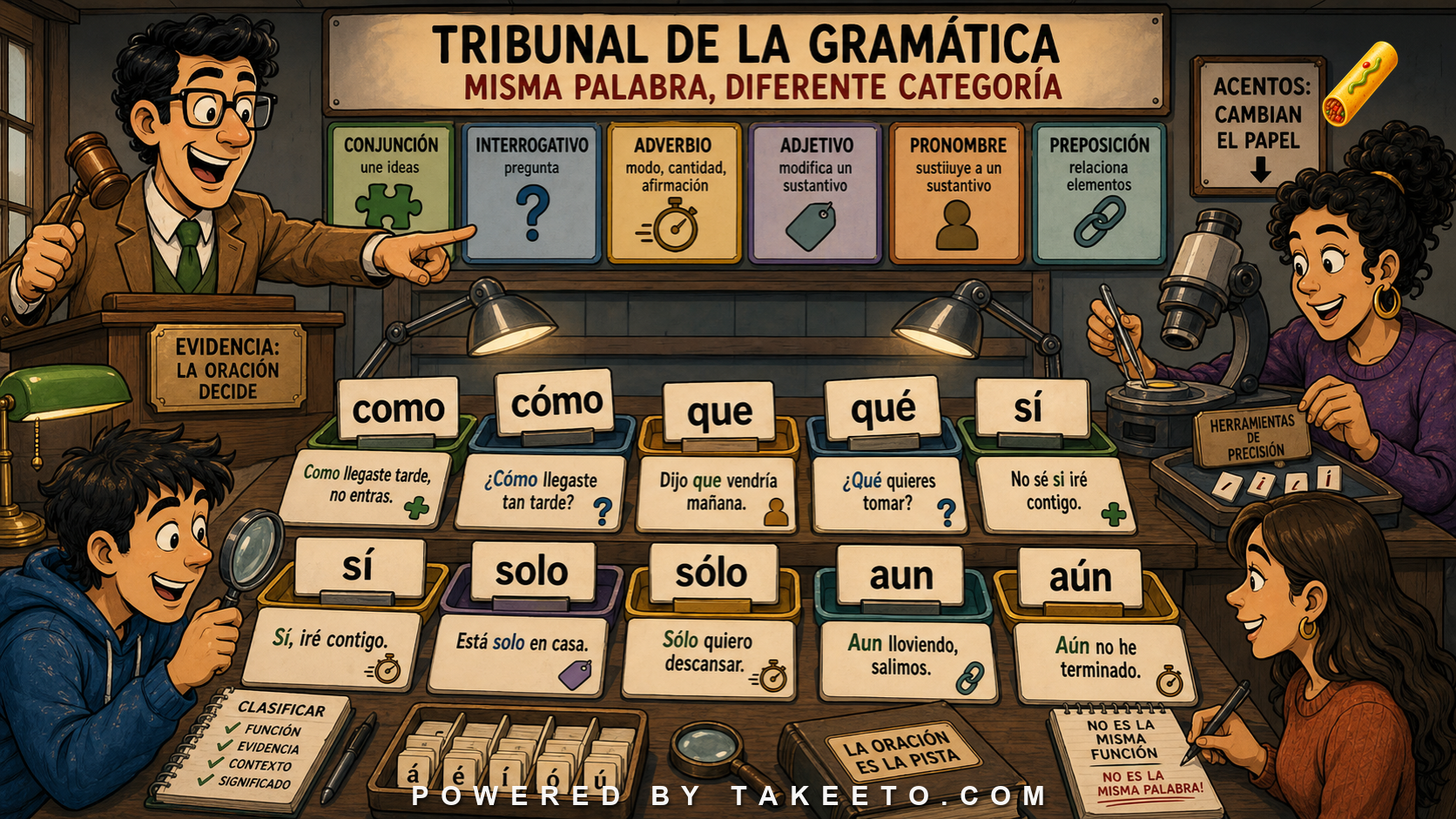
The reader can classify high-frequency forms by syntactic role rather than spelling alone.

The reader can pursue a serious three-month program that balances structure and volume.
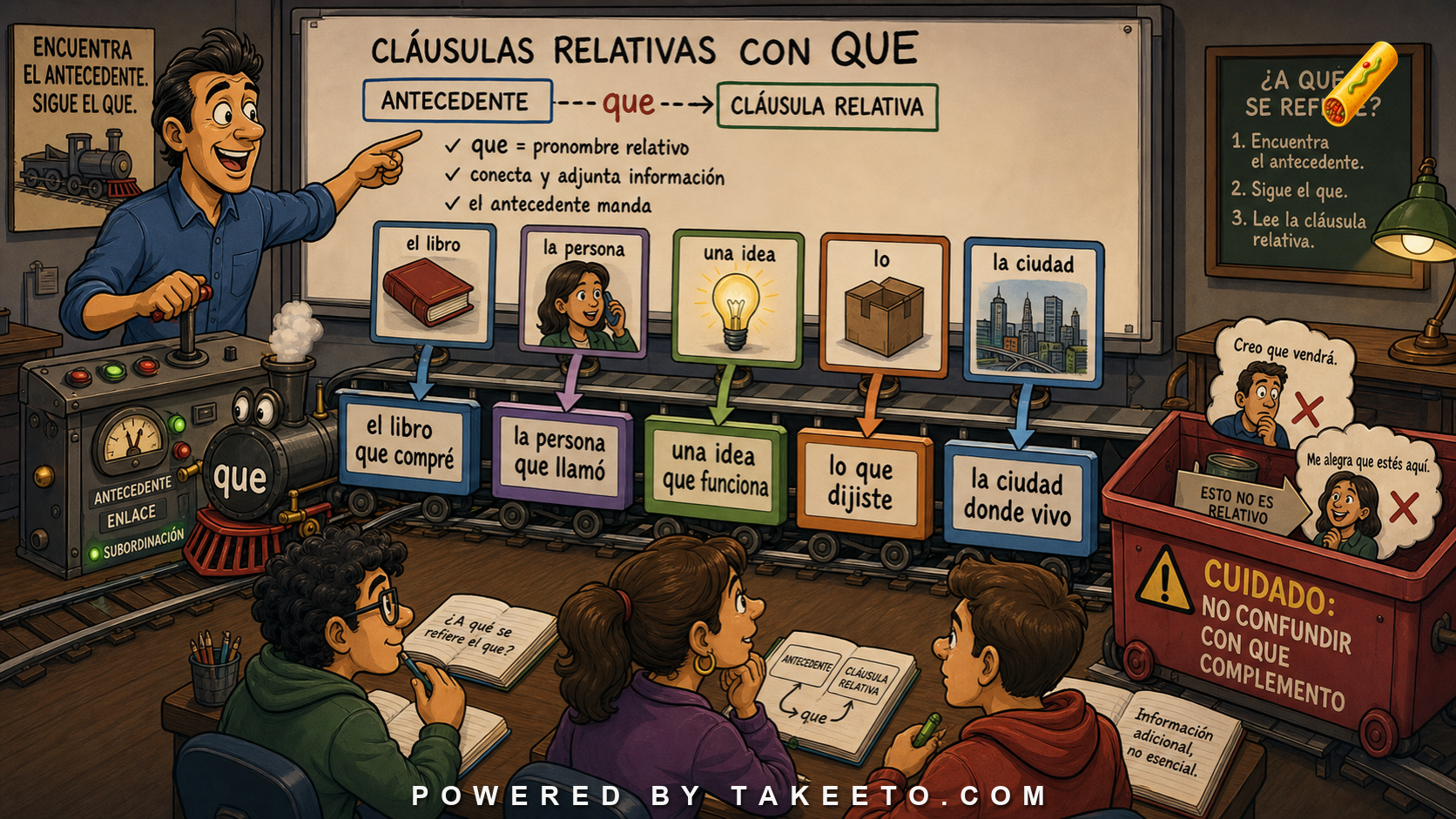
The reader can parse que relative clauses, find their antecedents, and avoid confusing relative que with complement que.
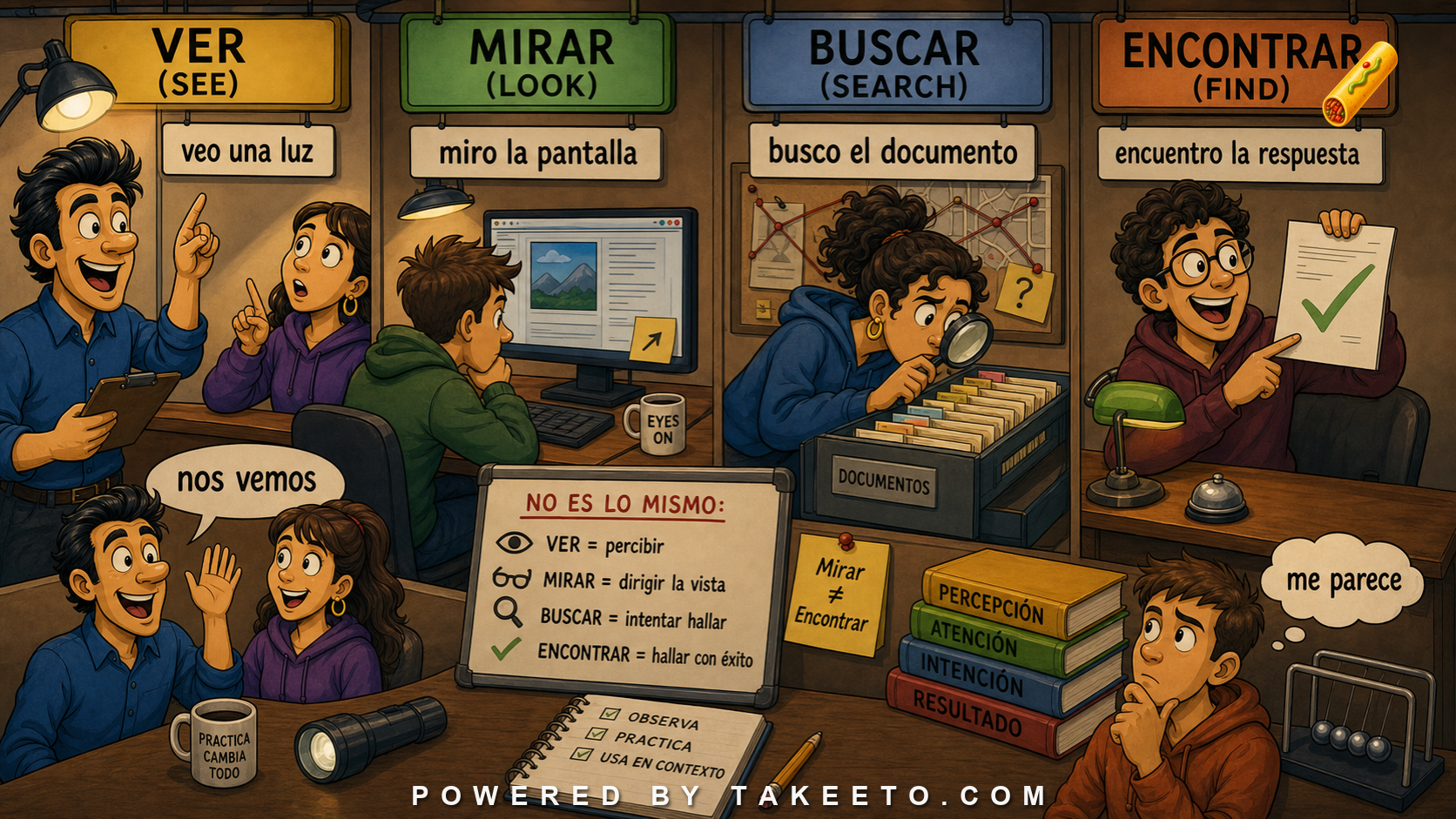
The reader can distinguish seeing, looking, searching, and finding.
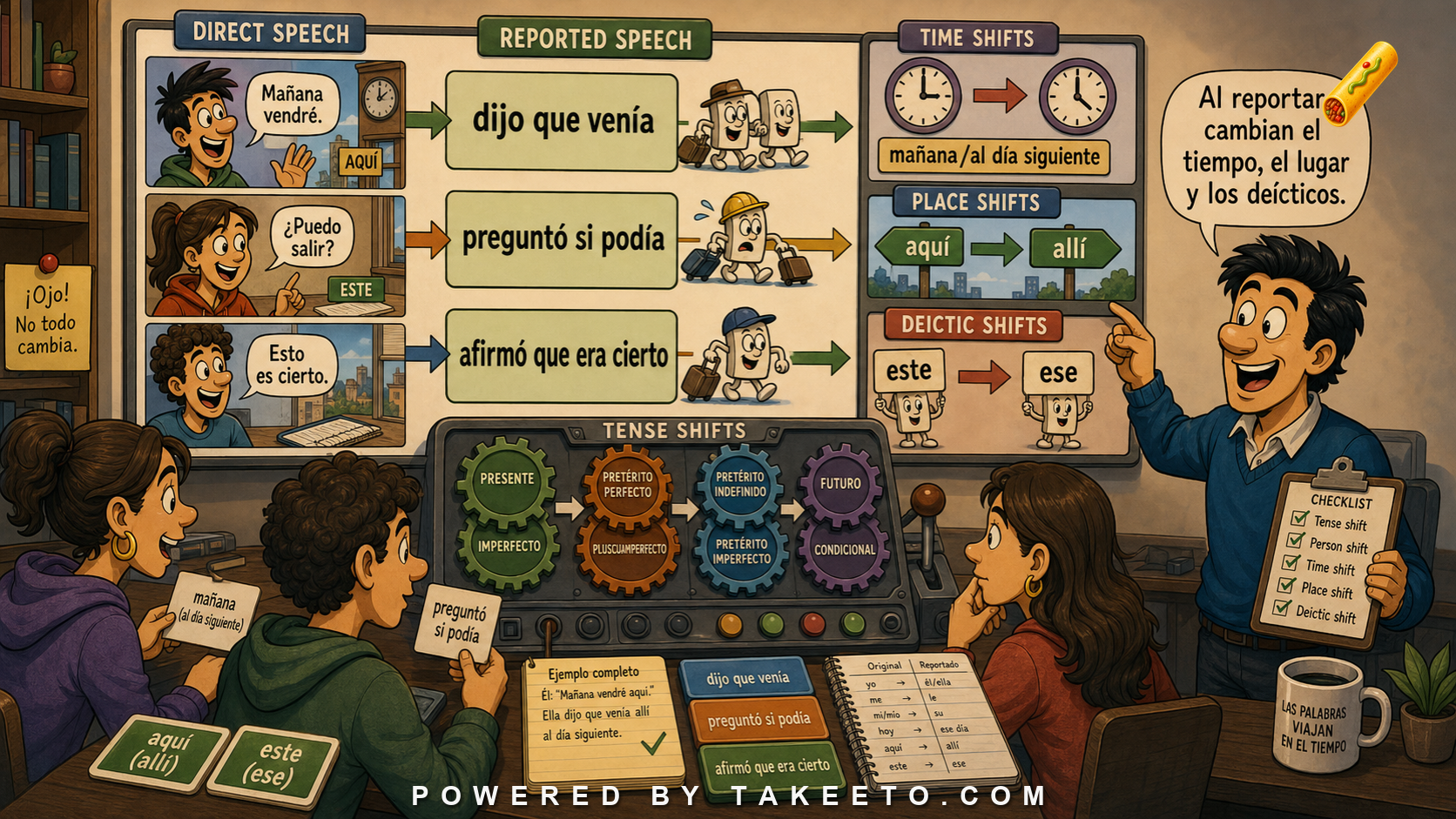
The reader can transform direct speech into reported speech while tracking tense, person, and time references.
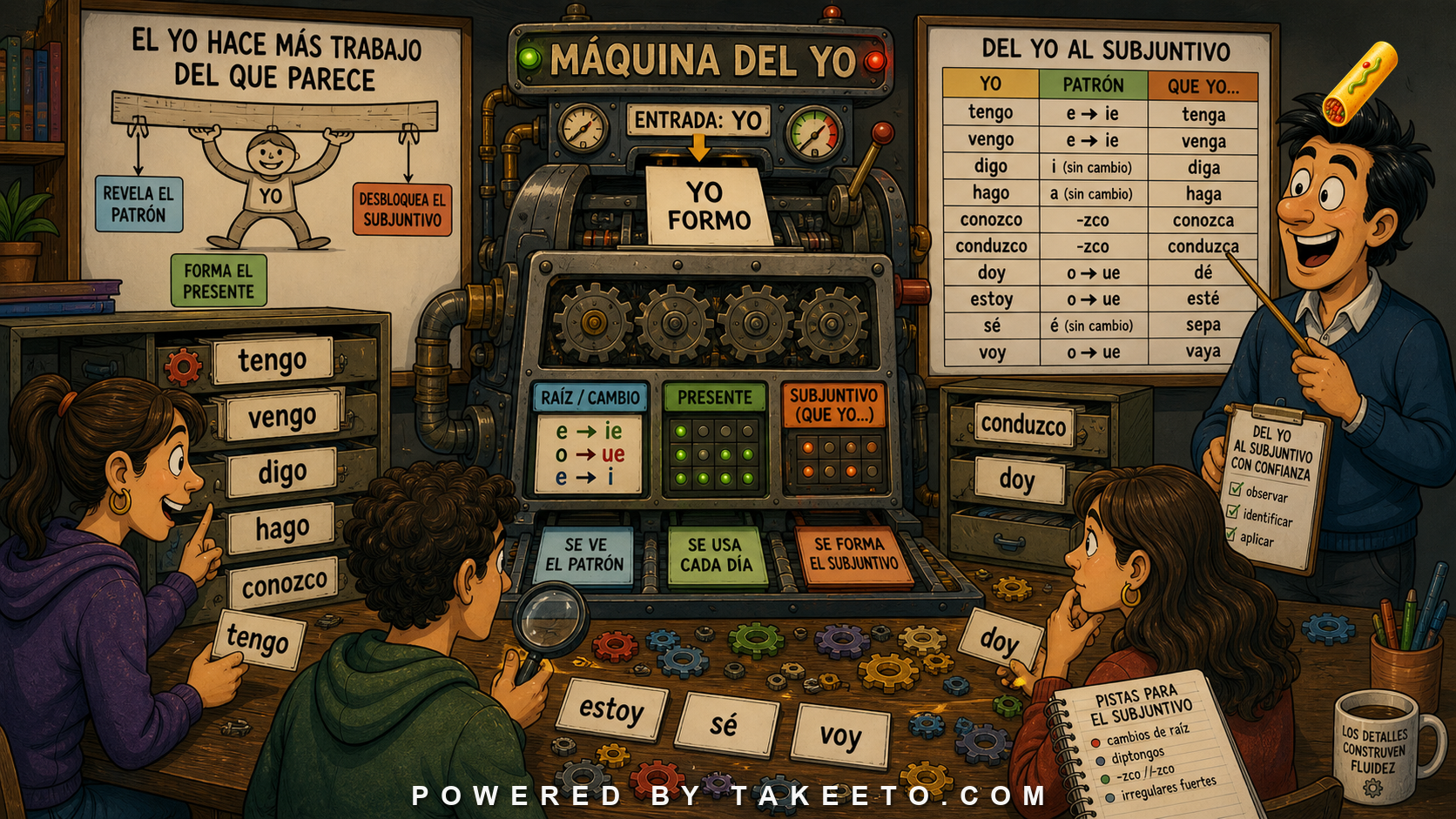
The reader understands common present-tense irregularities and their role in subjunctive formation.
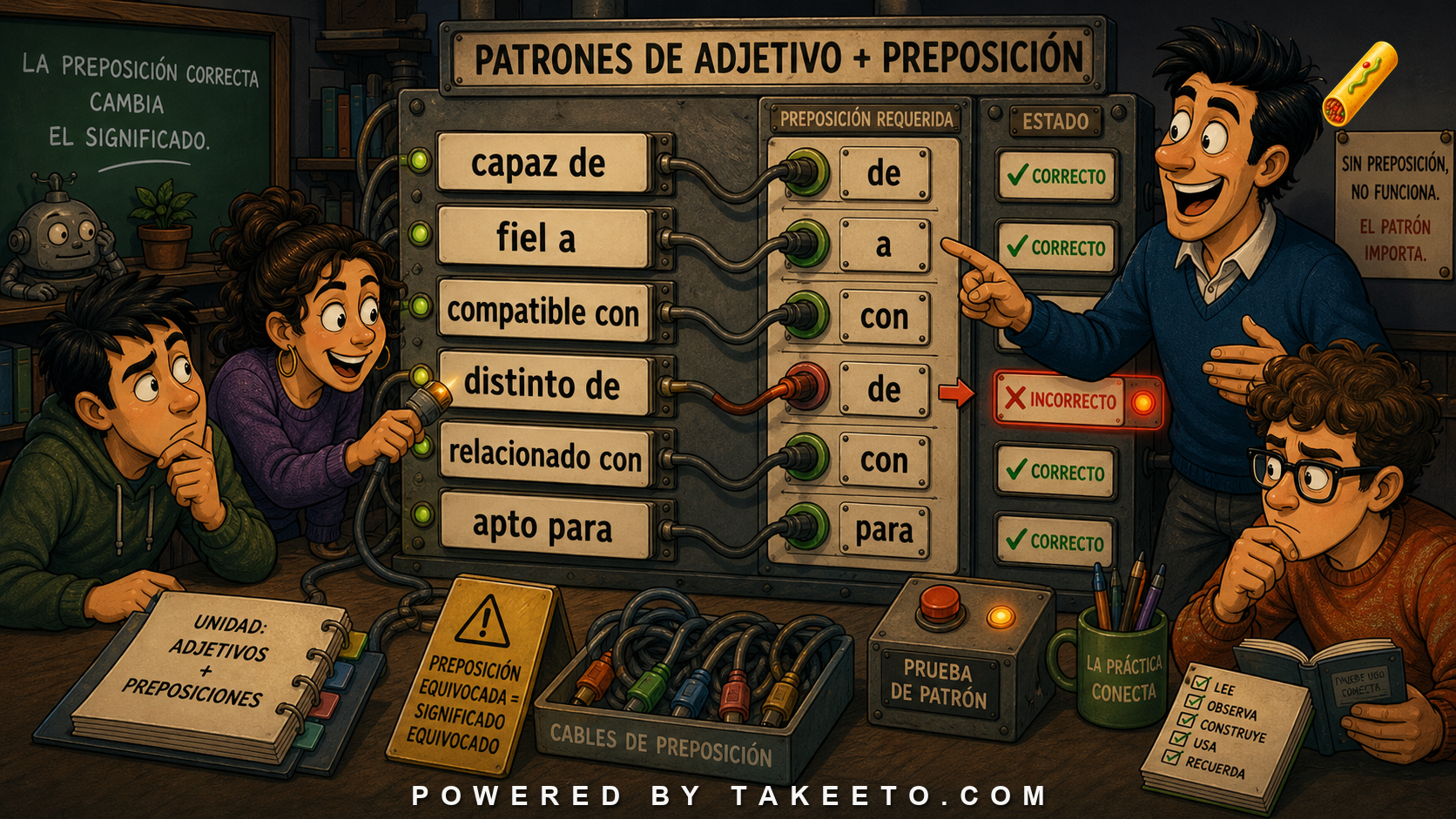
The reader can use adjective-preposition patterns accurately.
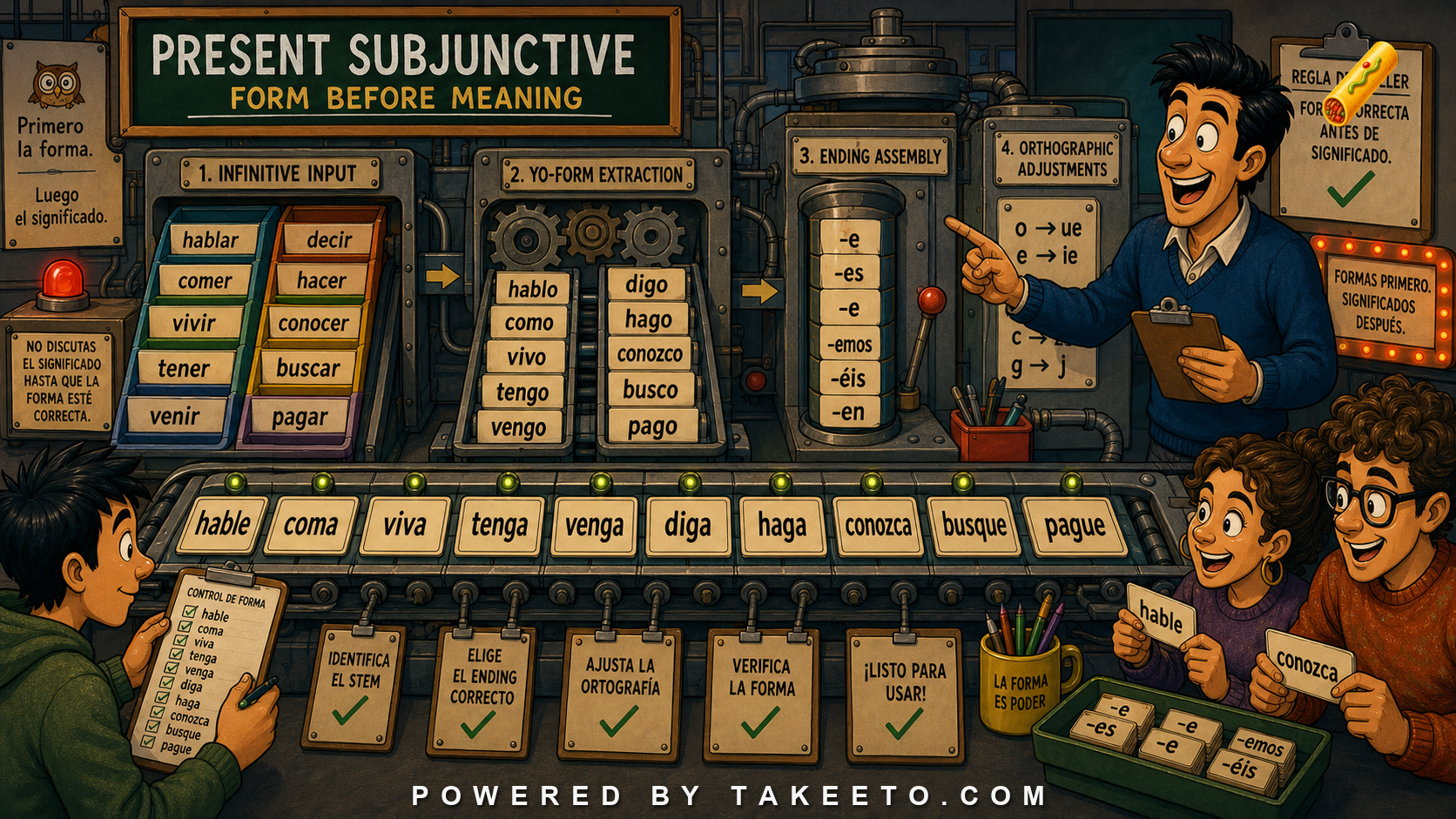
The reader can form the present subjunctive accurately before confronting its semantic range.
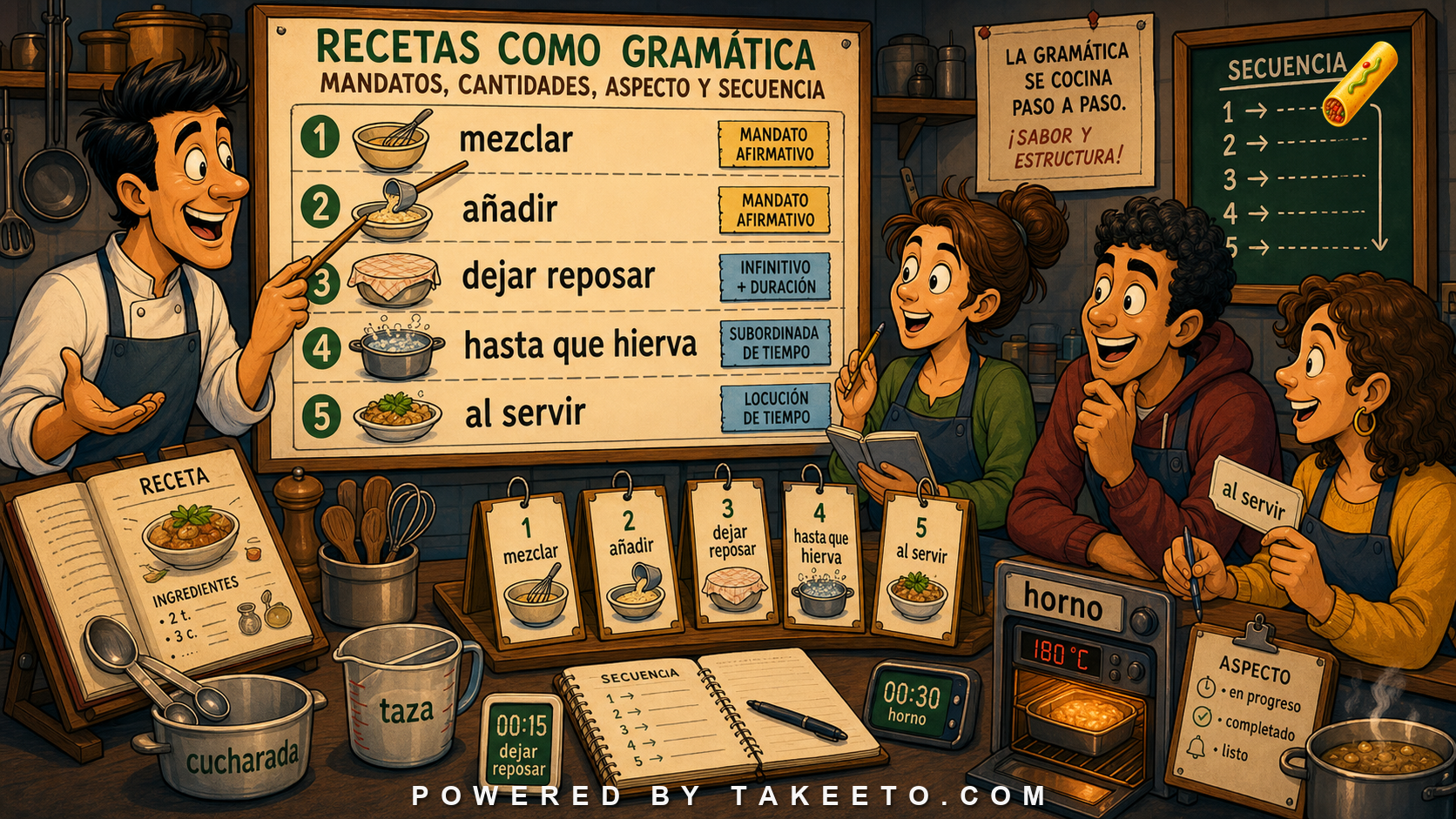
The reader can use recipes to study imperative, infinitive, and sequence structures.
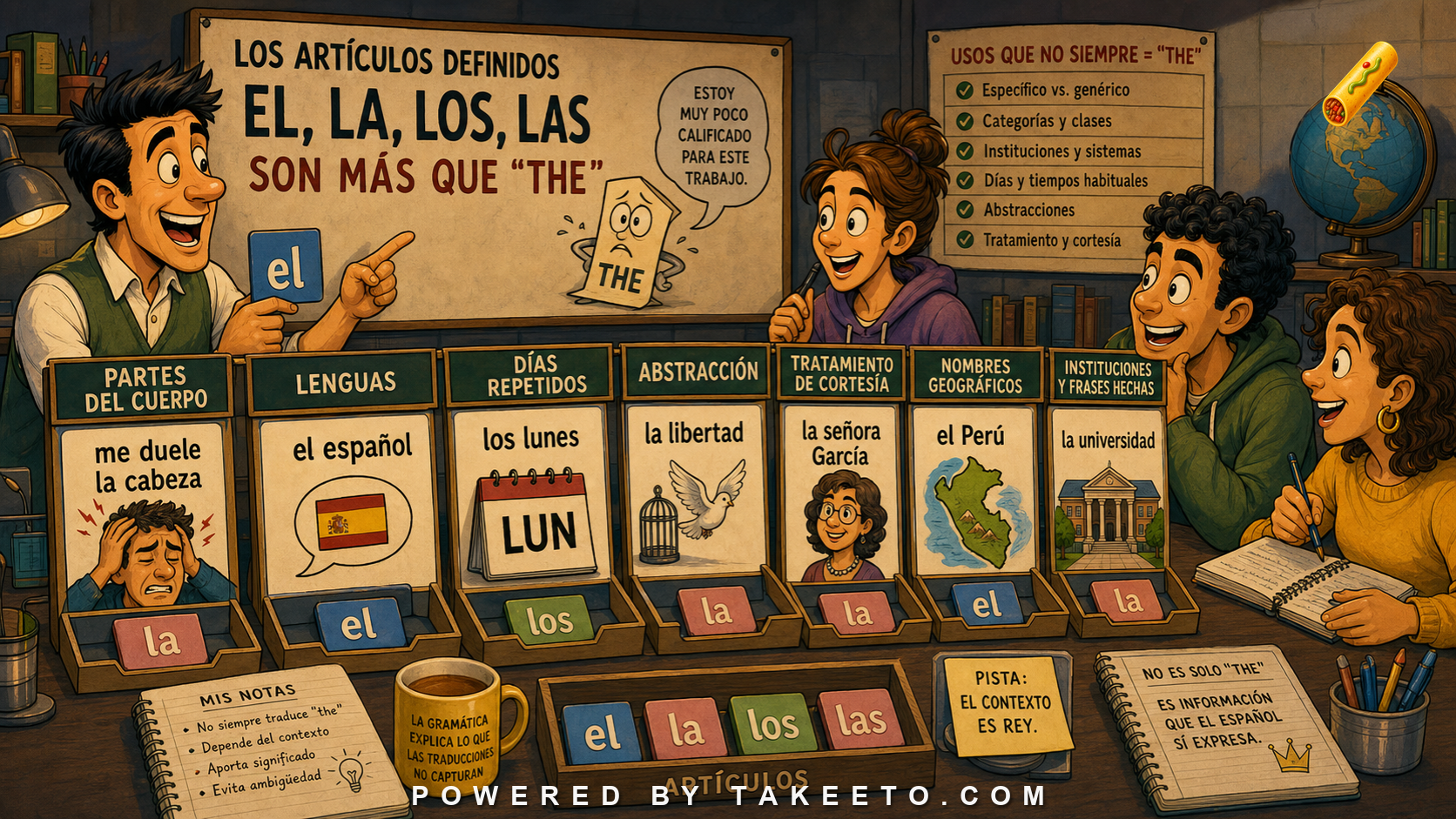
The reader can explain major Spanish article uses that do not map neatly onto English.
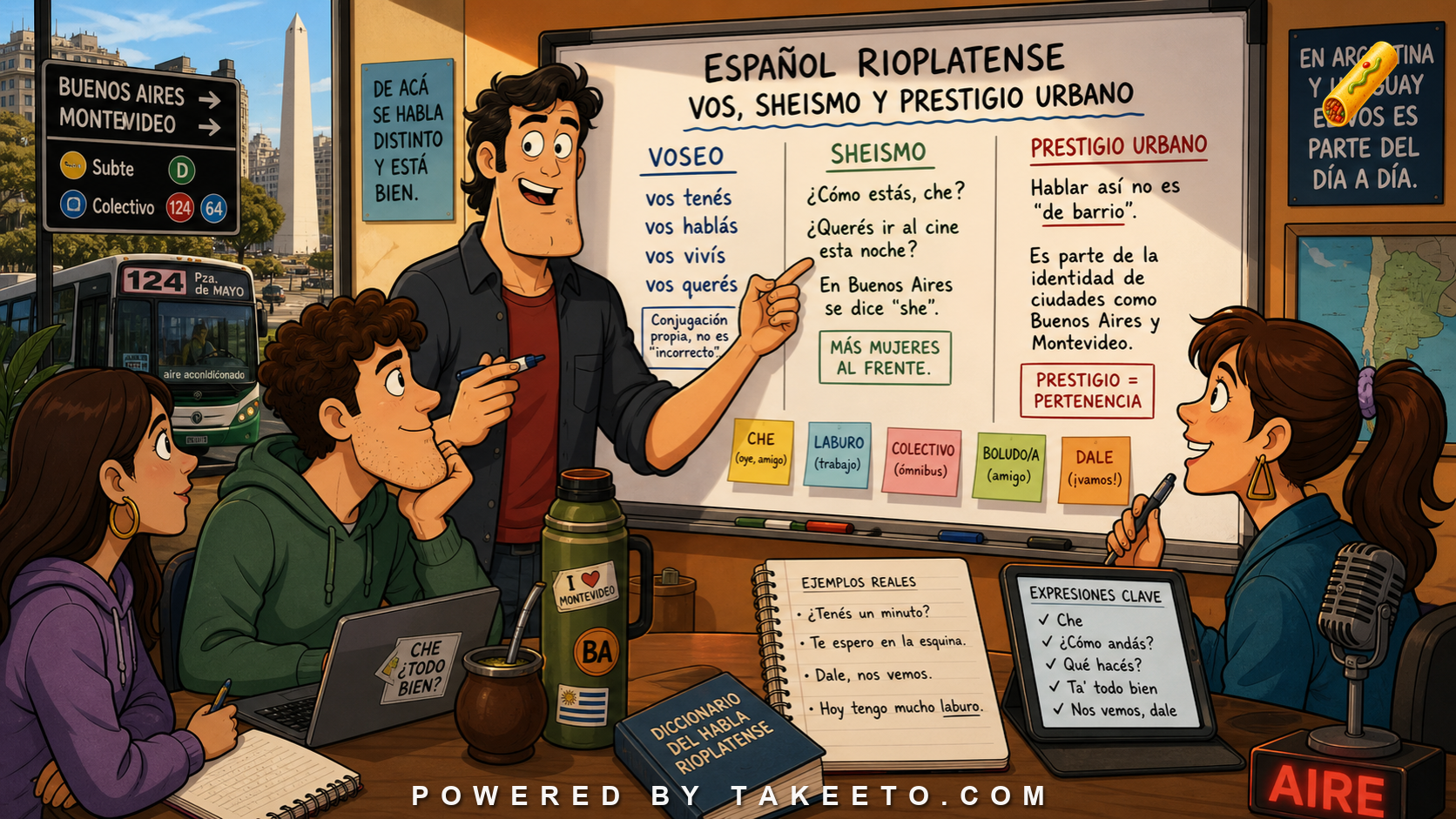
The reader can identify major features of Argentine and Uruguayan Spanish.
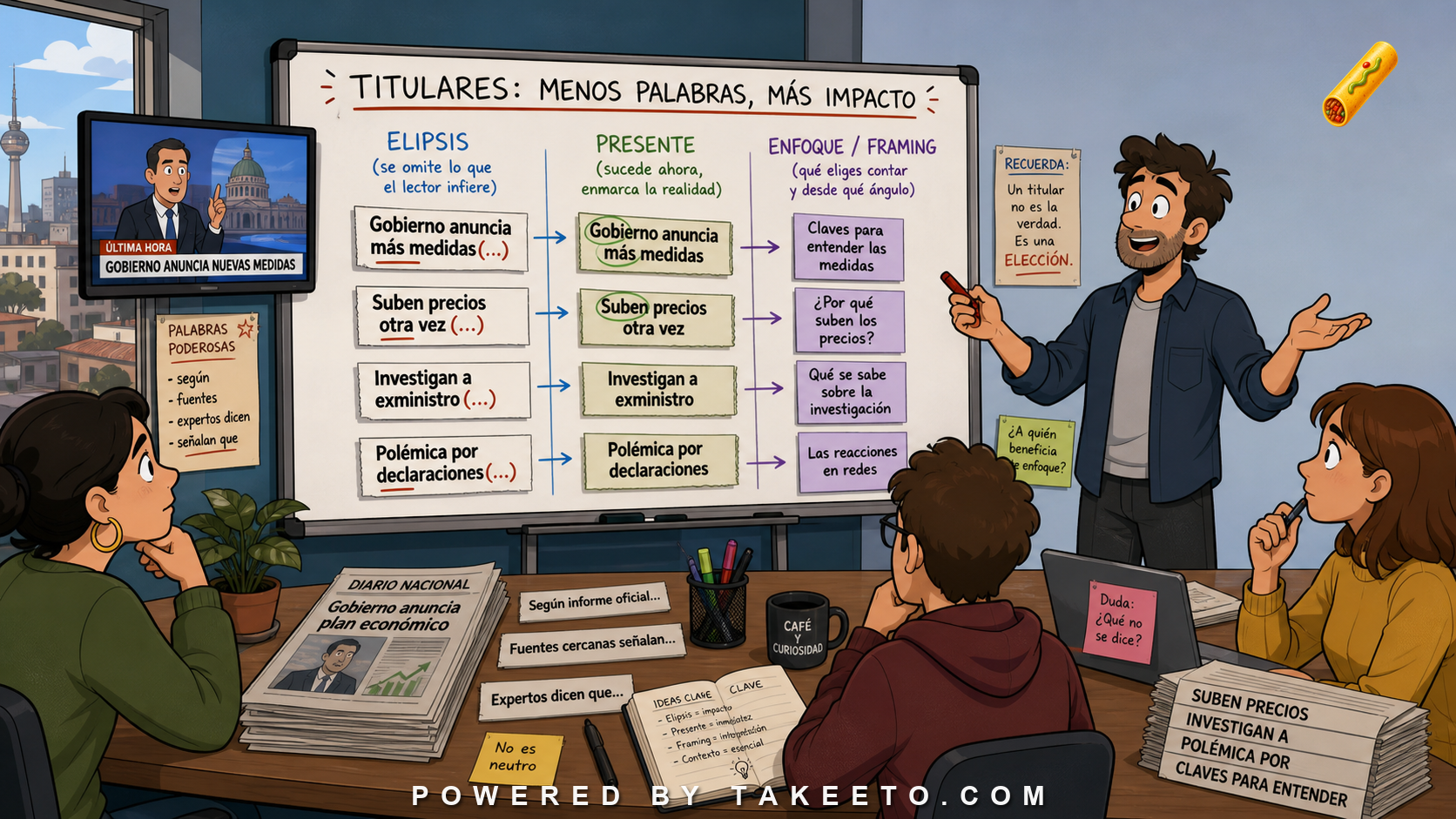
The reader can unpack Spanish headlines into full propositions and identify stance.
The reader can distinguish factual/skill knowledge from familiarity and acquaintance.
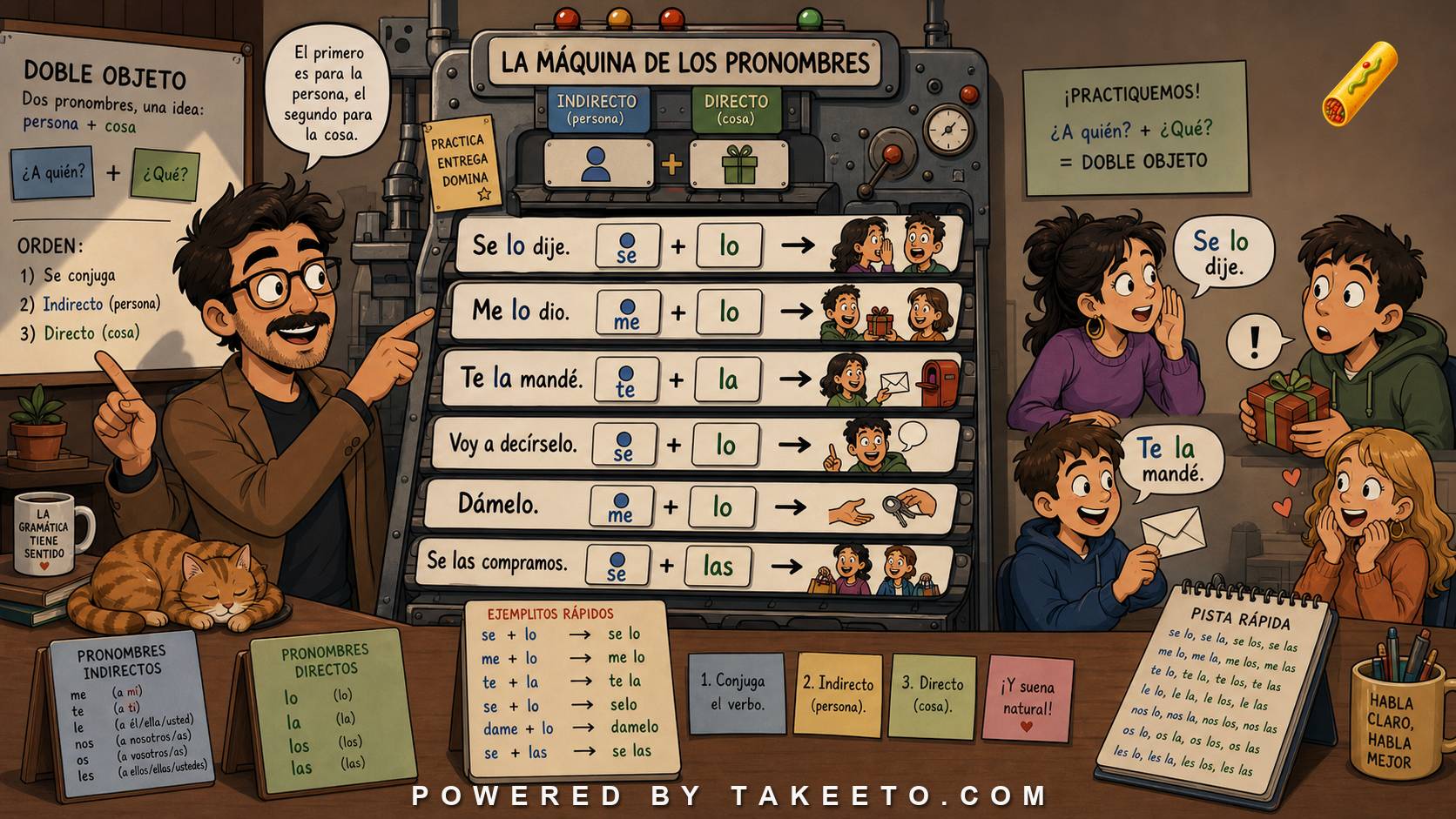
The reader can form and parse Spanish double-pronoun sequences.
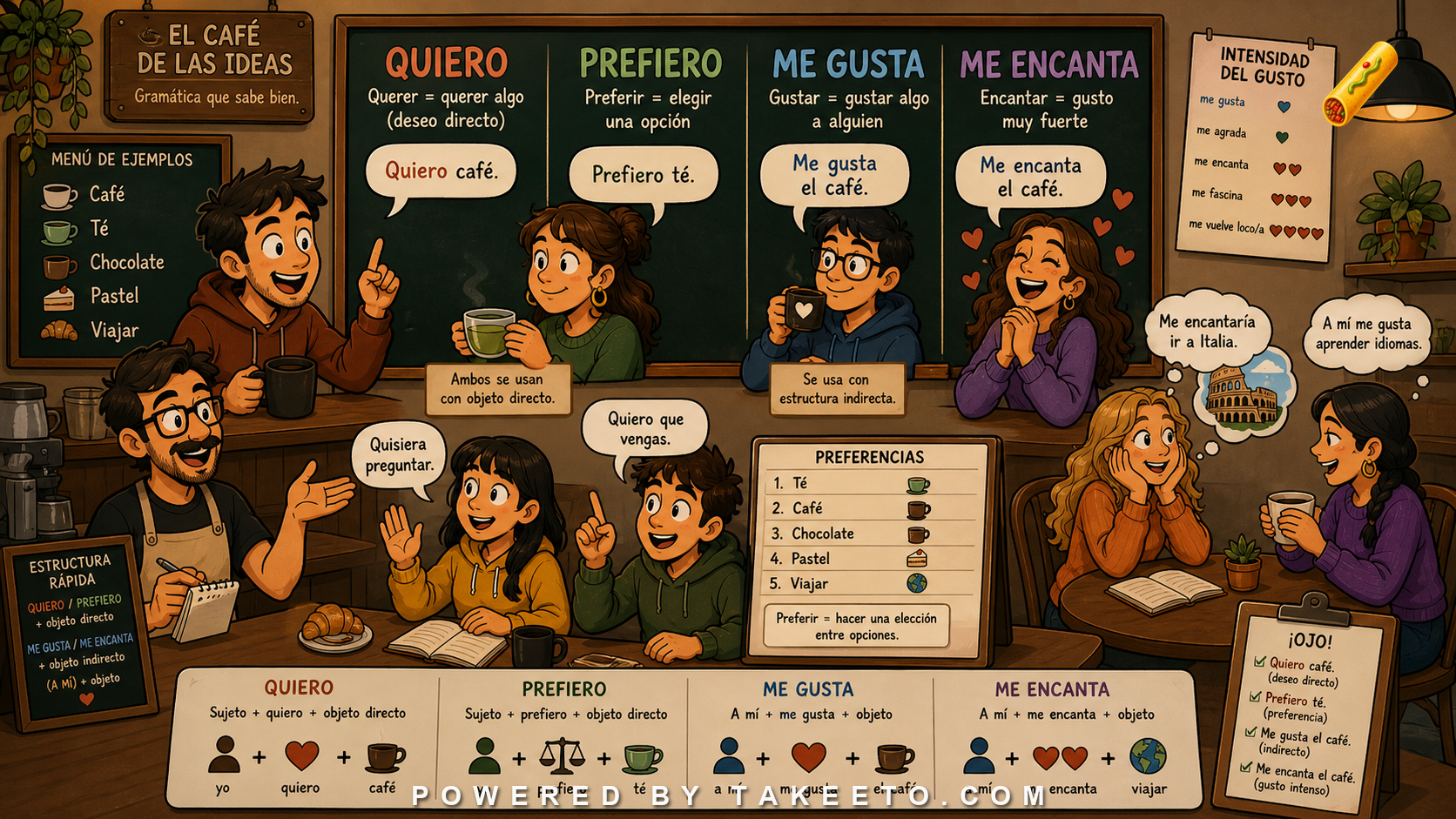
The reader can separate wanting, liking, preference, and affective intensity.
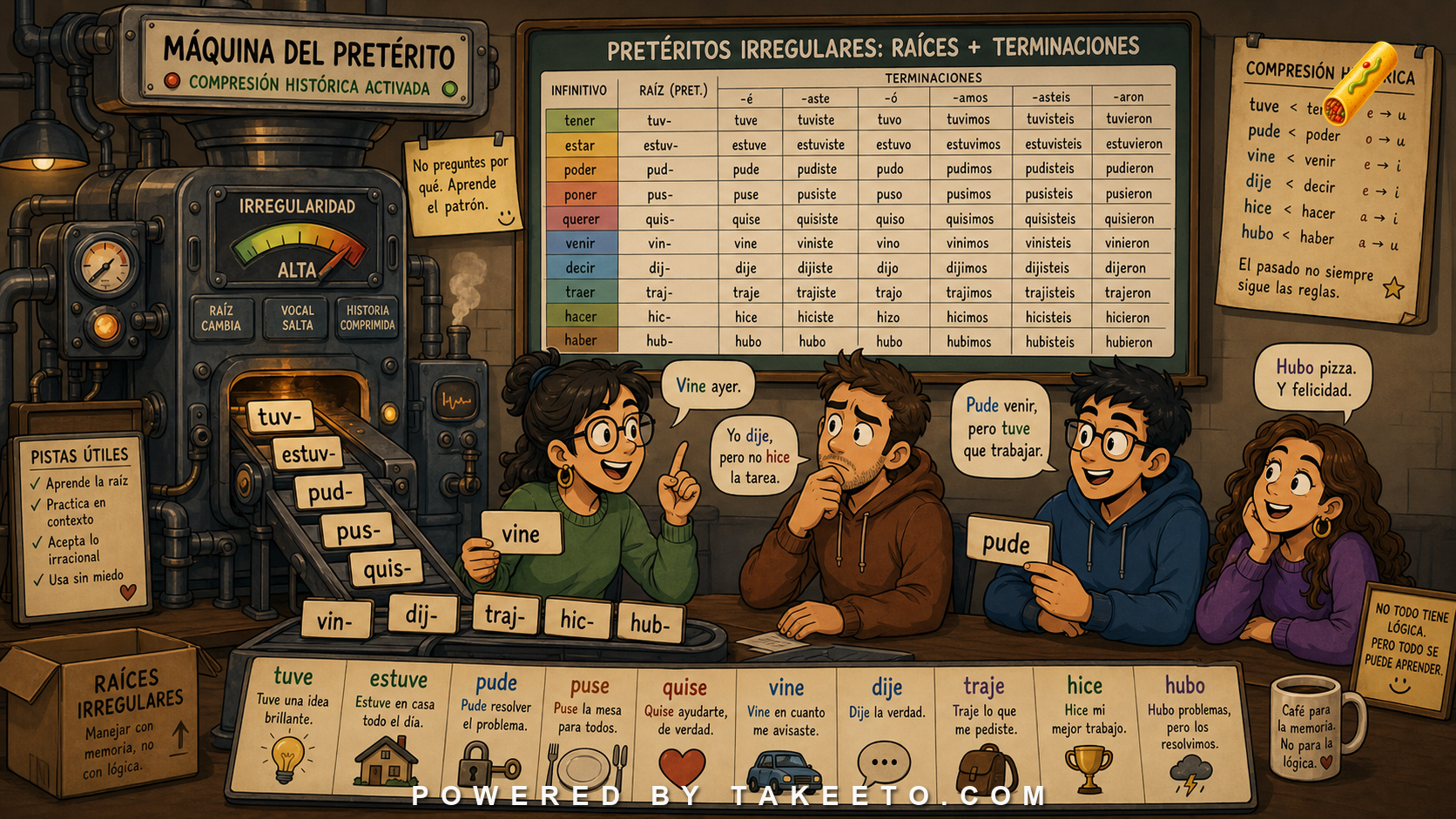
The reader can recognize and organize high-frequency irregular preterite stems.
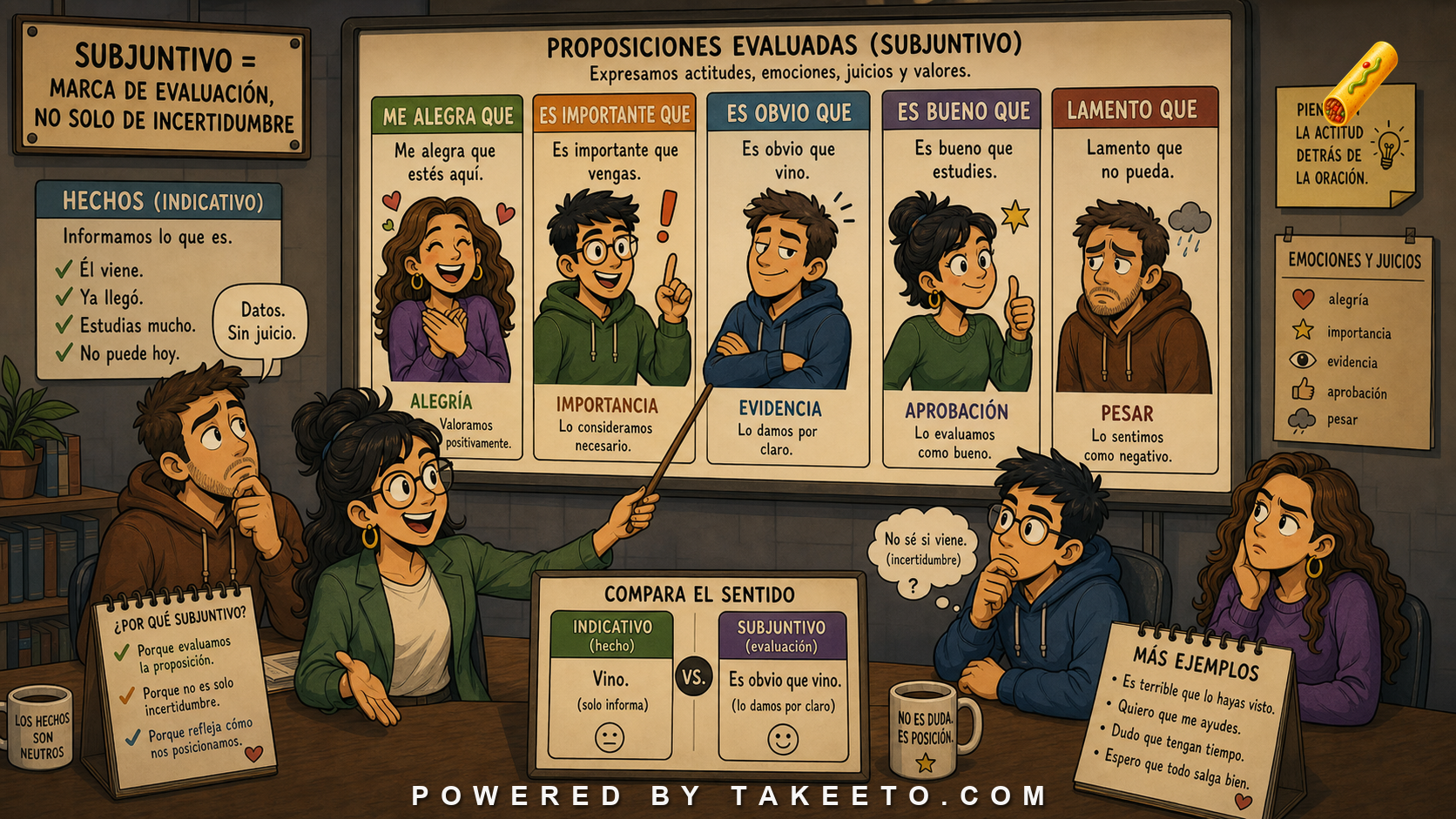
The reader sees subjunctive as marking evaluated propositions rather than simply uncertainty.
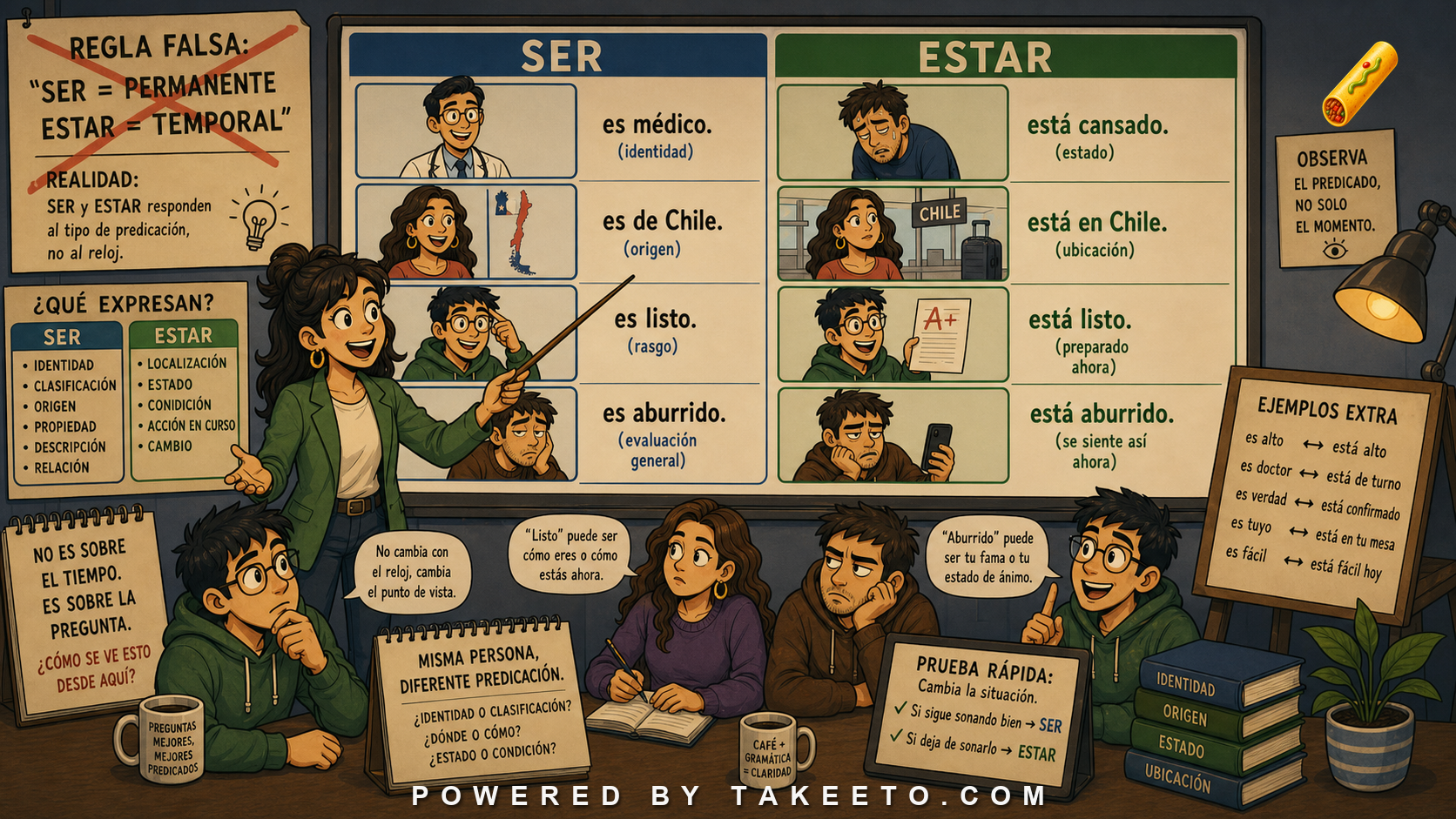
The reader replaces the permanent/temporary shortcut with a more accurate account of predication.
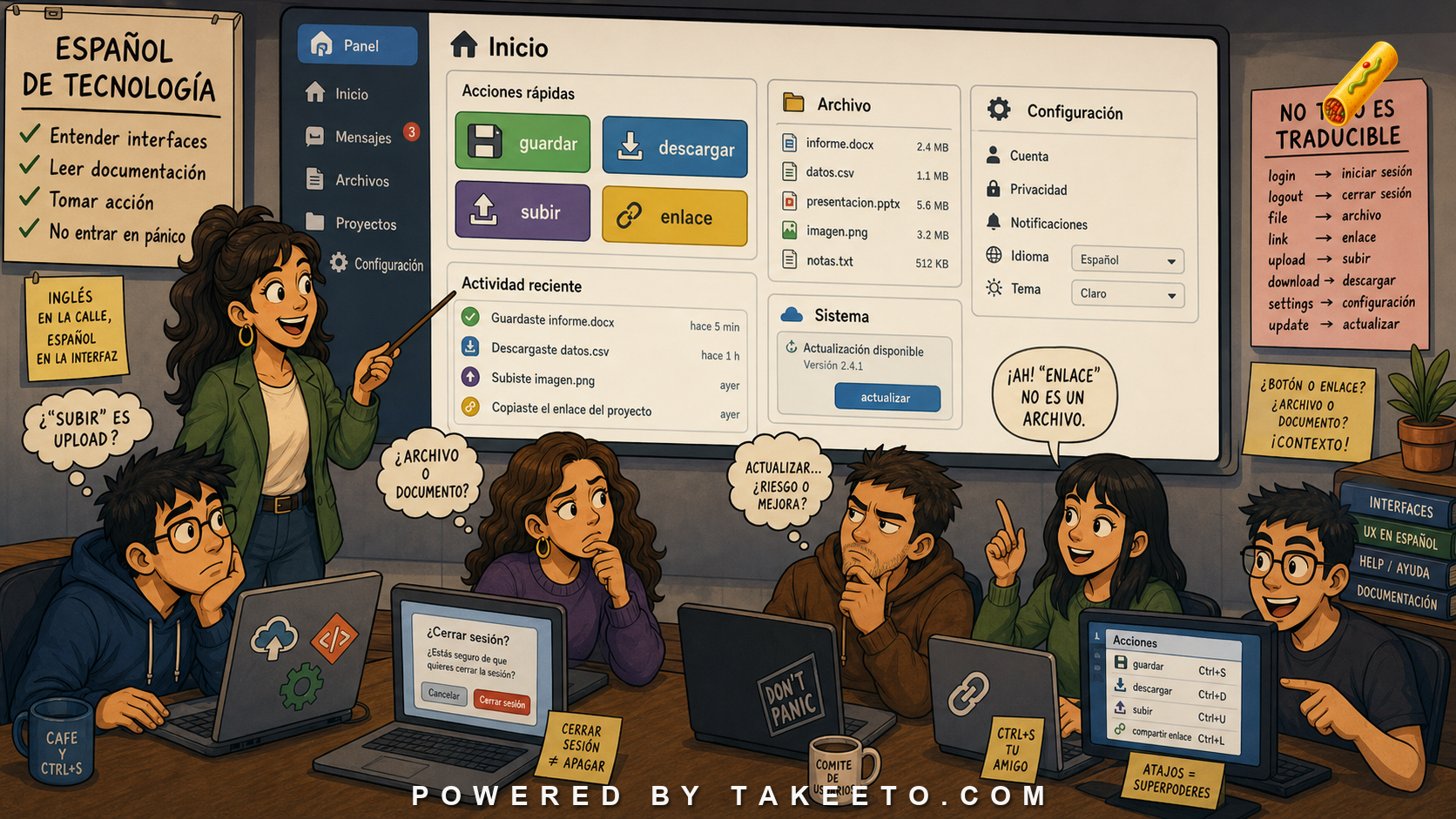
The reader can parse Spanish software interfaces and tech writing.
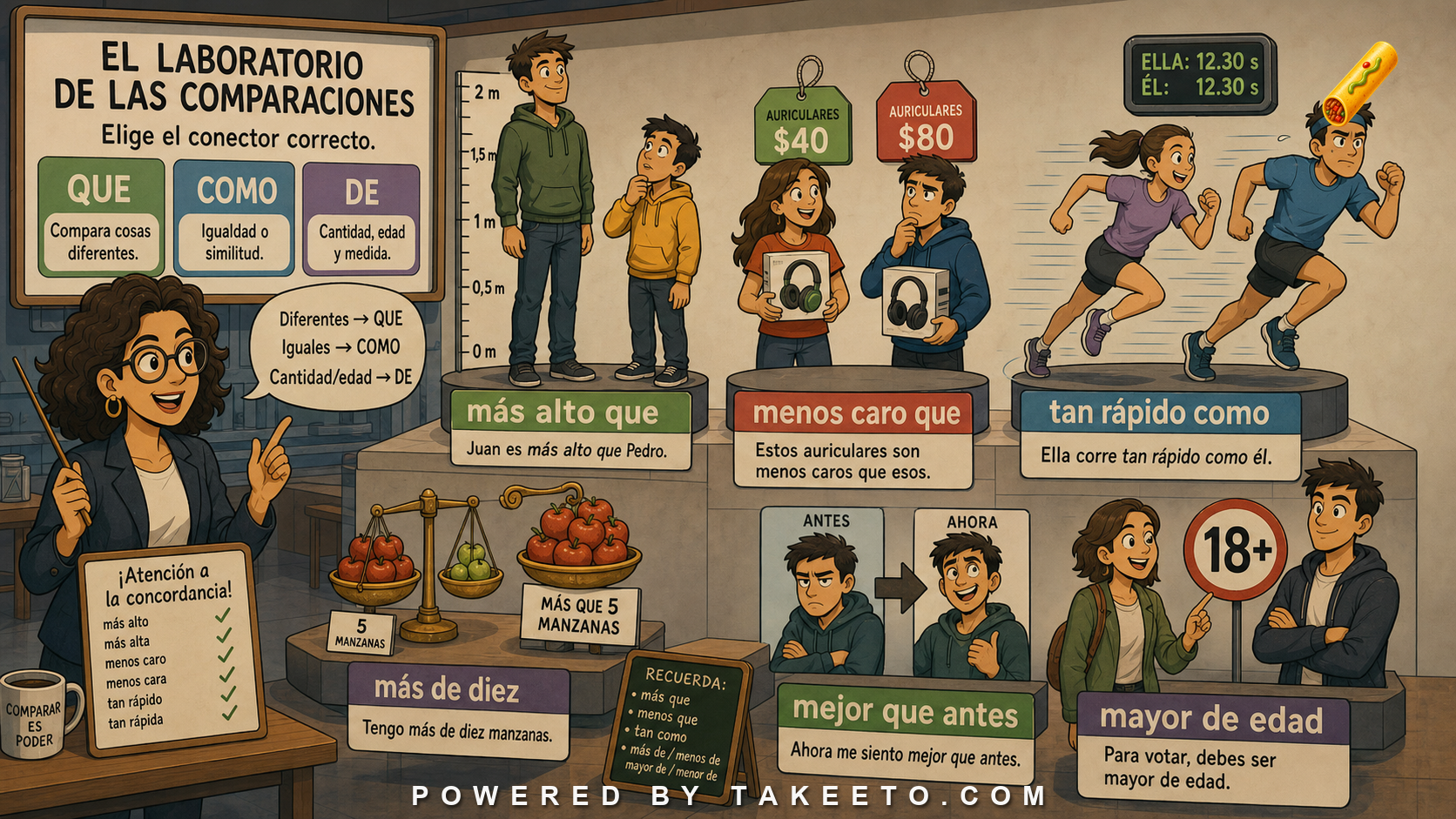
The reader can form Spanish comparisons with correct connectors and agreement.
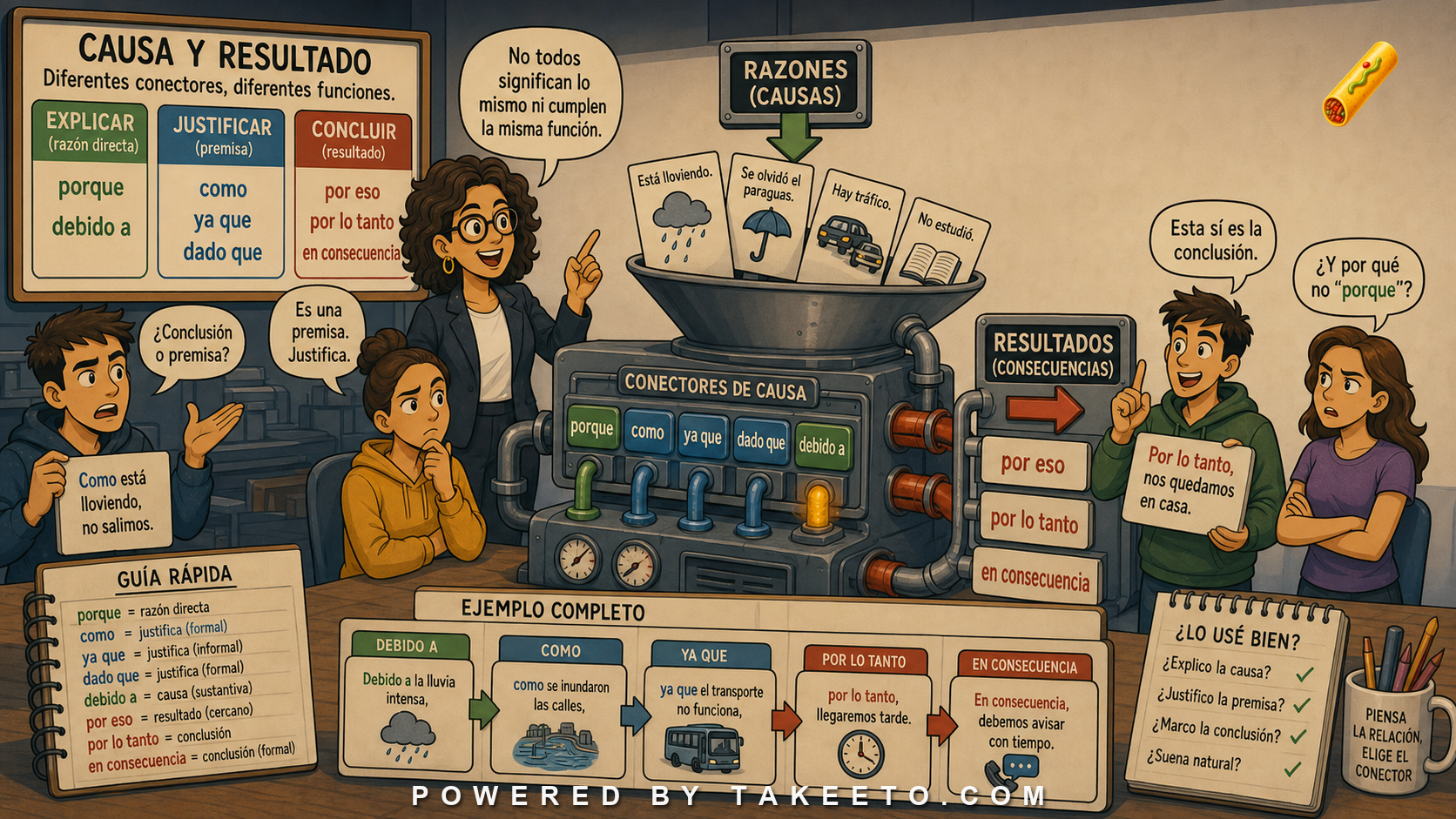
The reader can distinguish causal explanation, premise, and conclusion in Spanish.
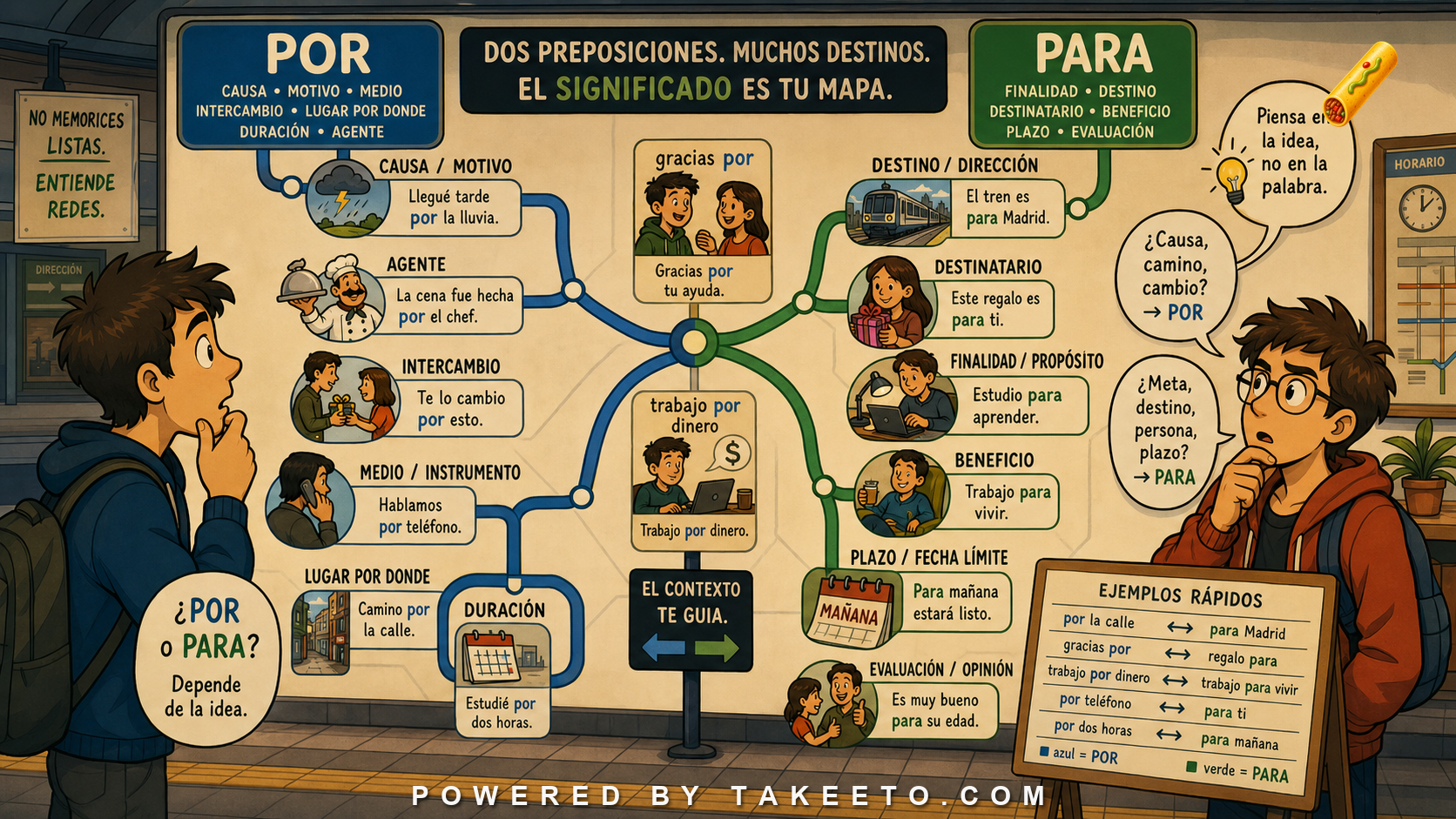
The reader replaces memorized lists with semantic networks for por and para.
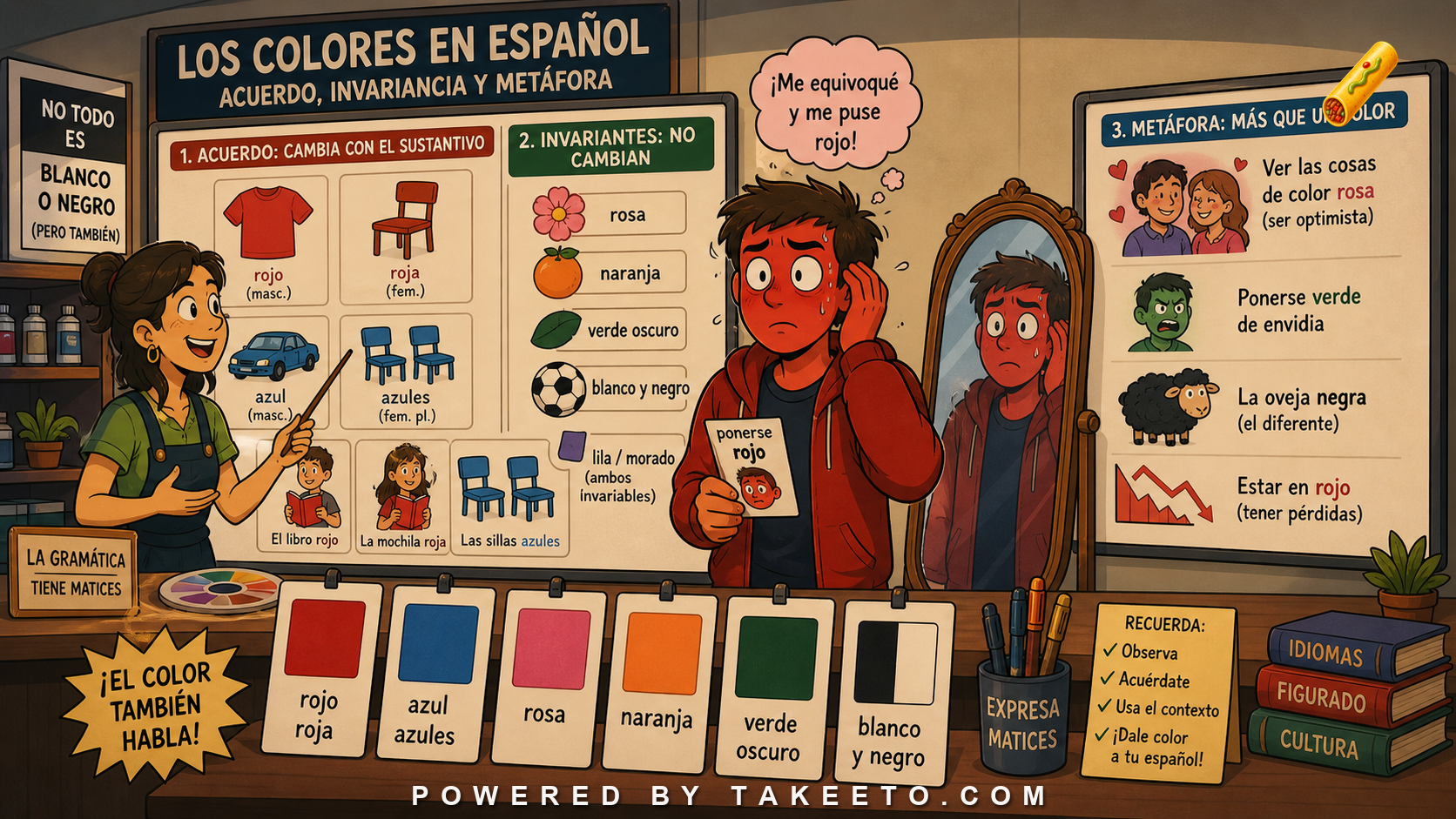
The reader can use color adjectives and interpret figurative color language.
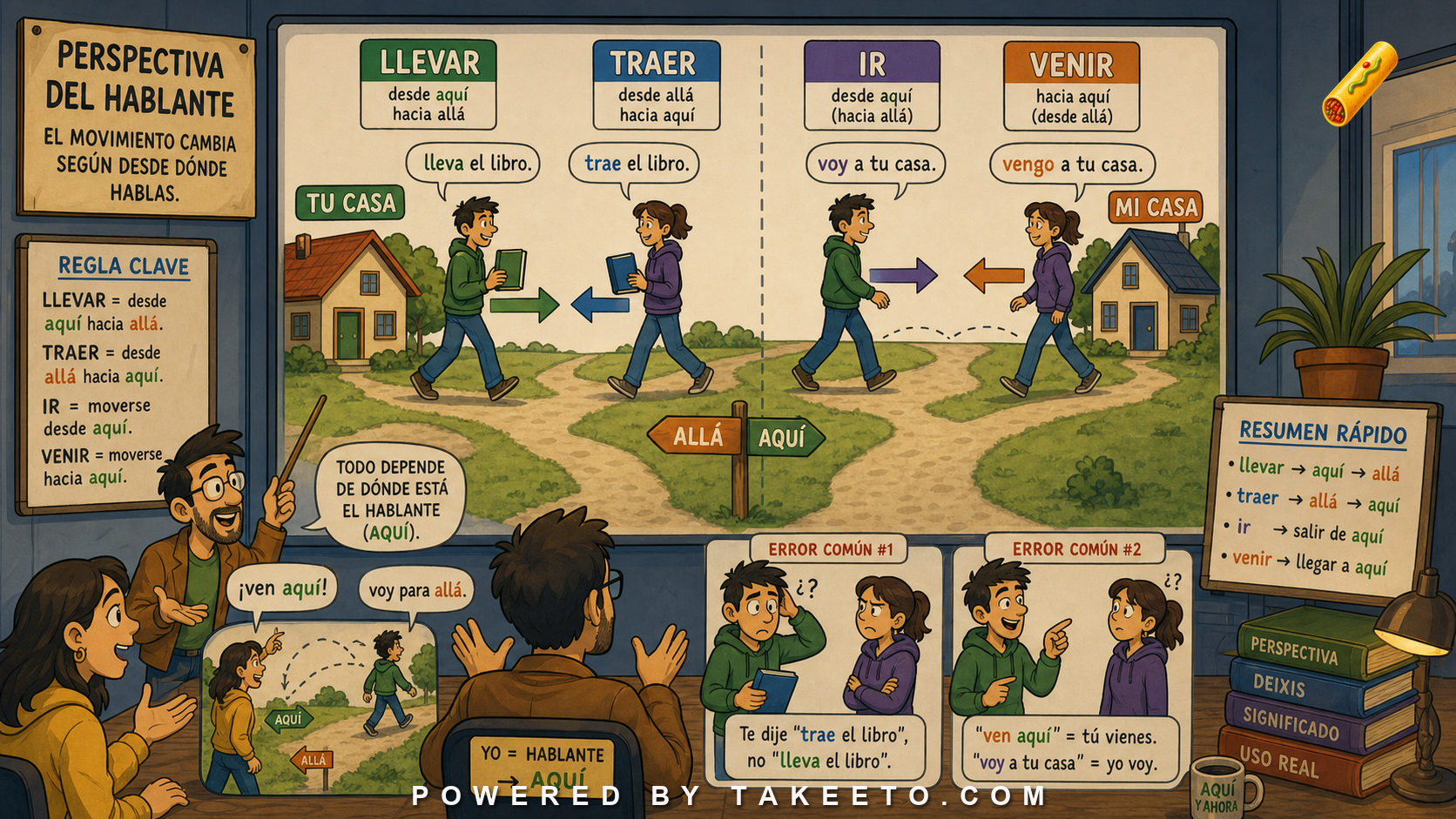
The reader can use motion and transfer verbs from the correct perspective.
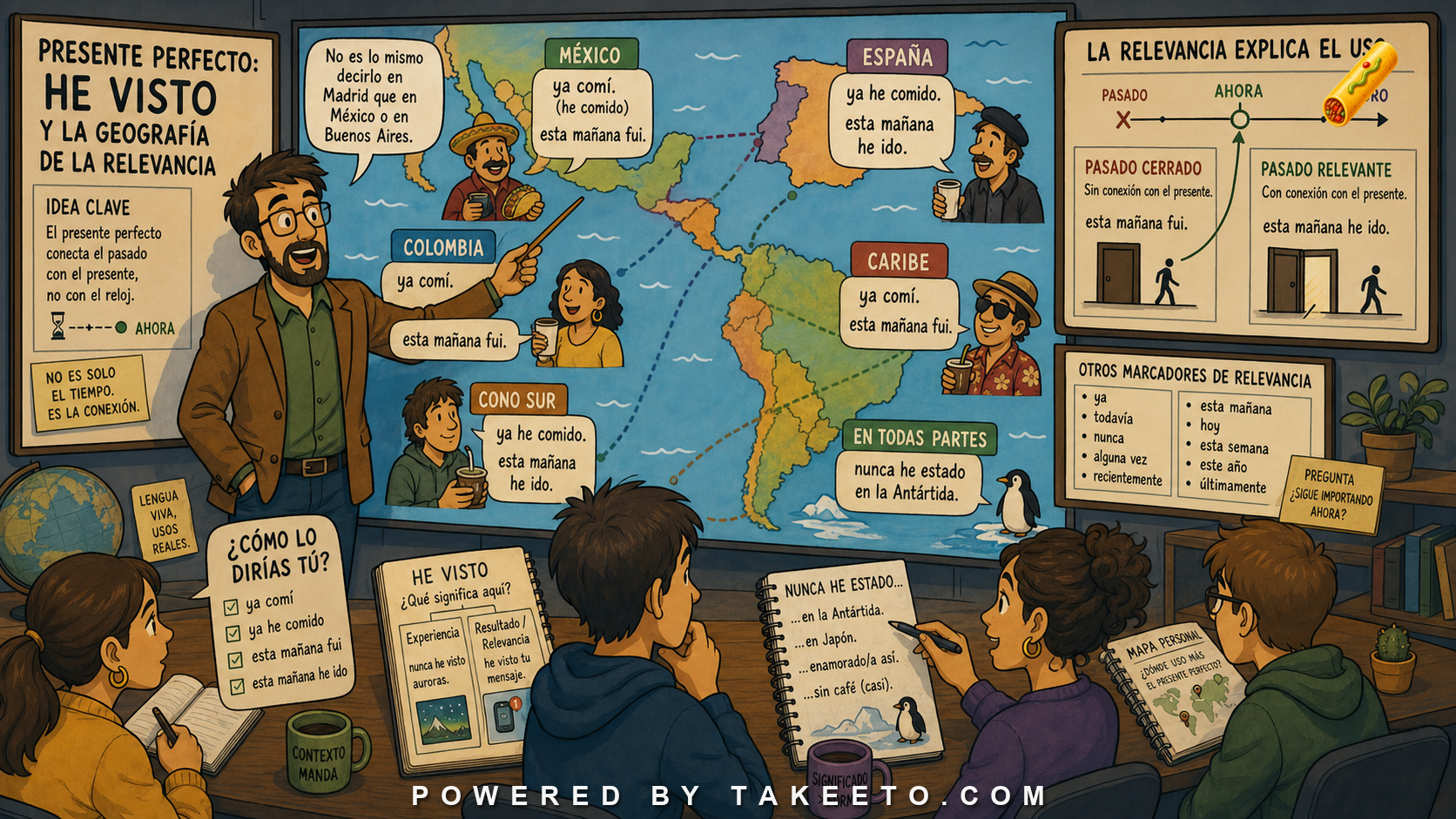
The reader understands present perfect as a tense whose usage varies sharply across the Spanish-speaking world.
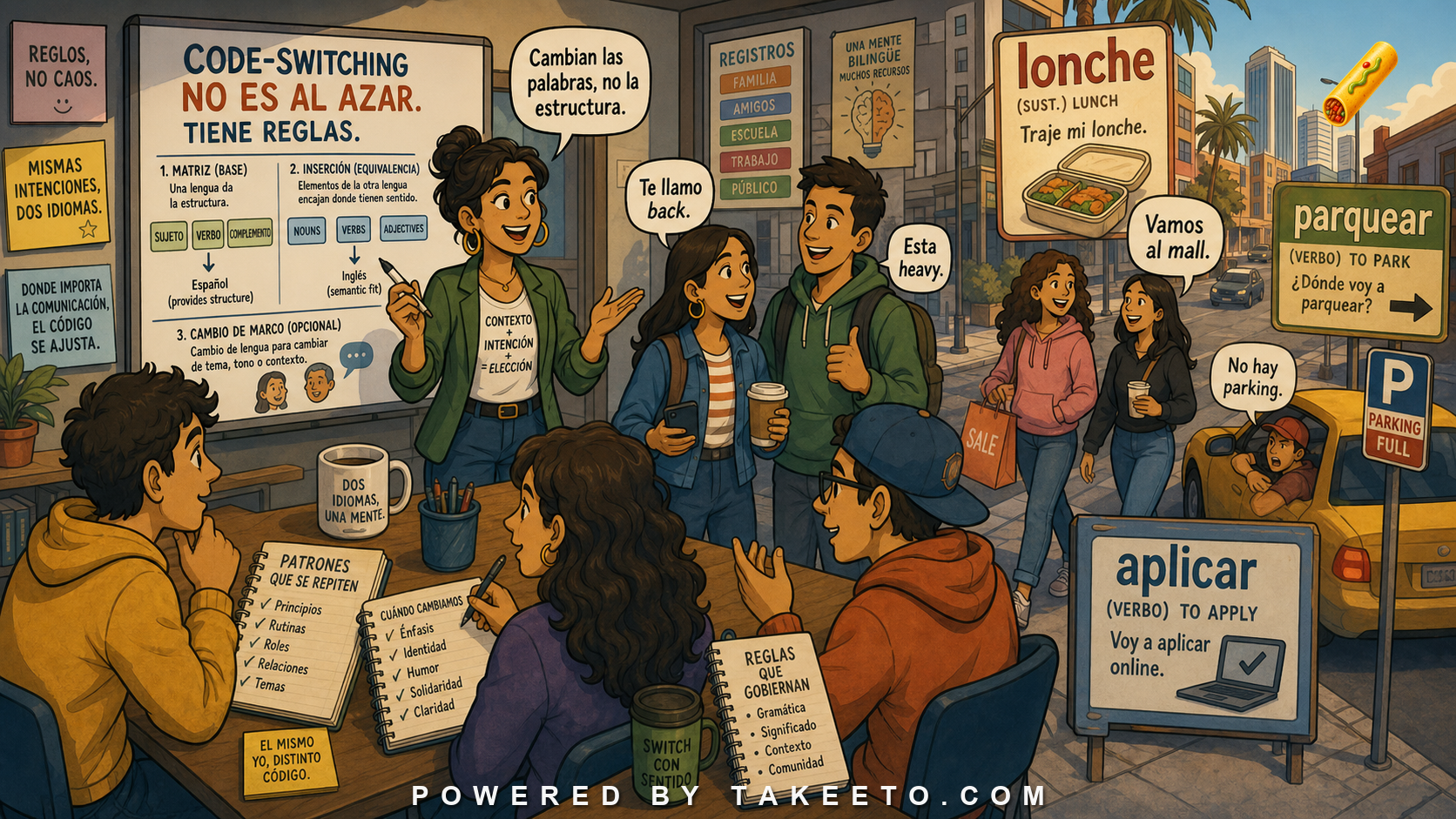
The reader understands Spanish-English code-switching as rule-governed bilingual behavior.
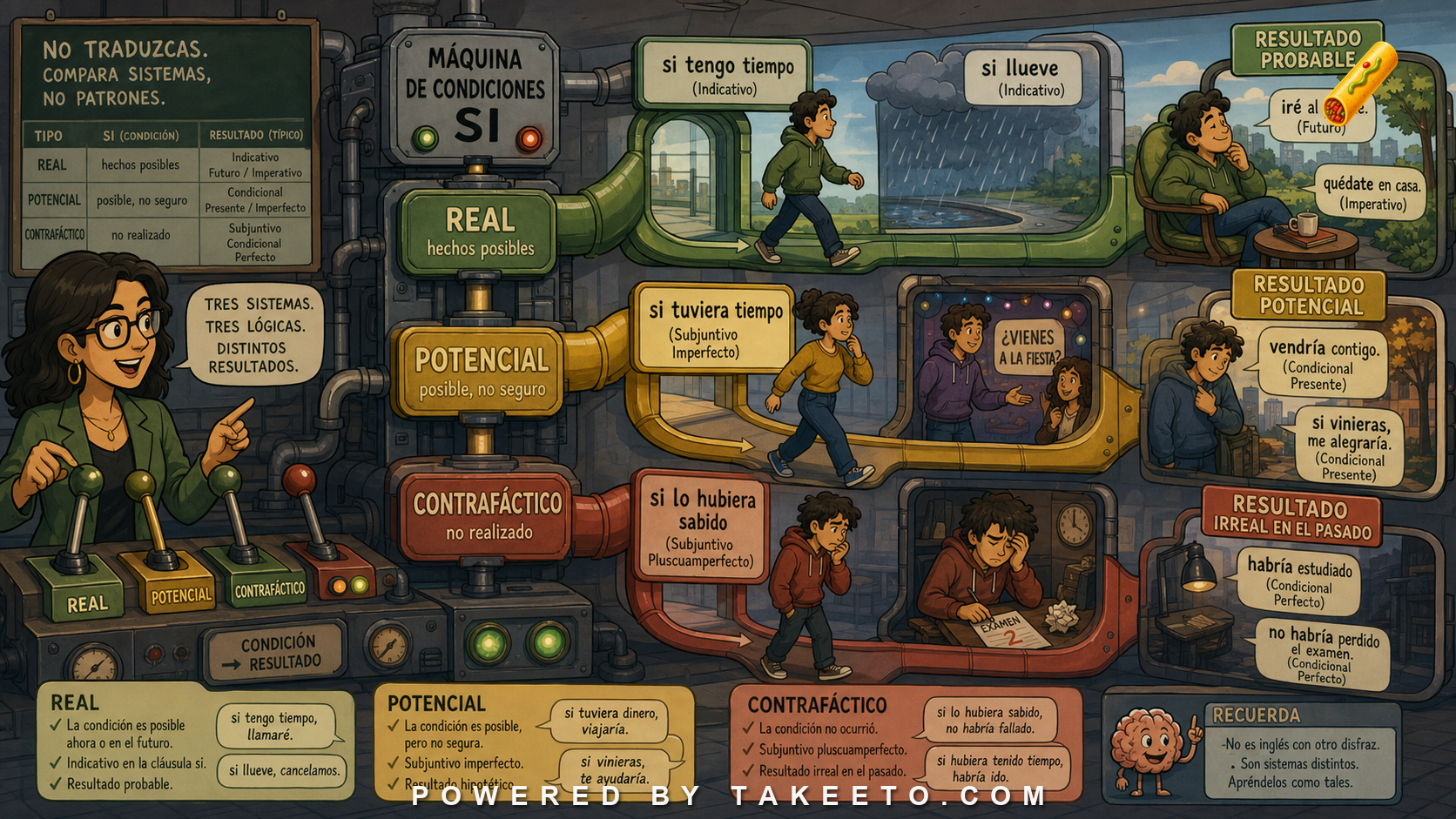
The reader can parse Spanish conditional systems without forcing English if-clause patterns onto them.
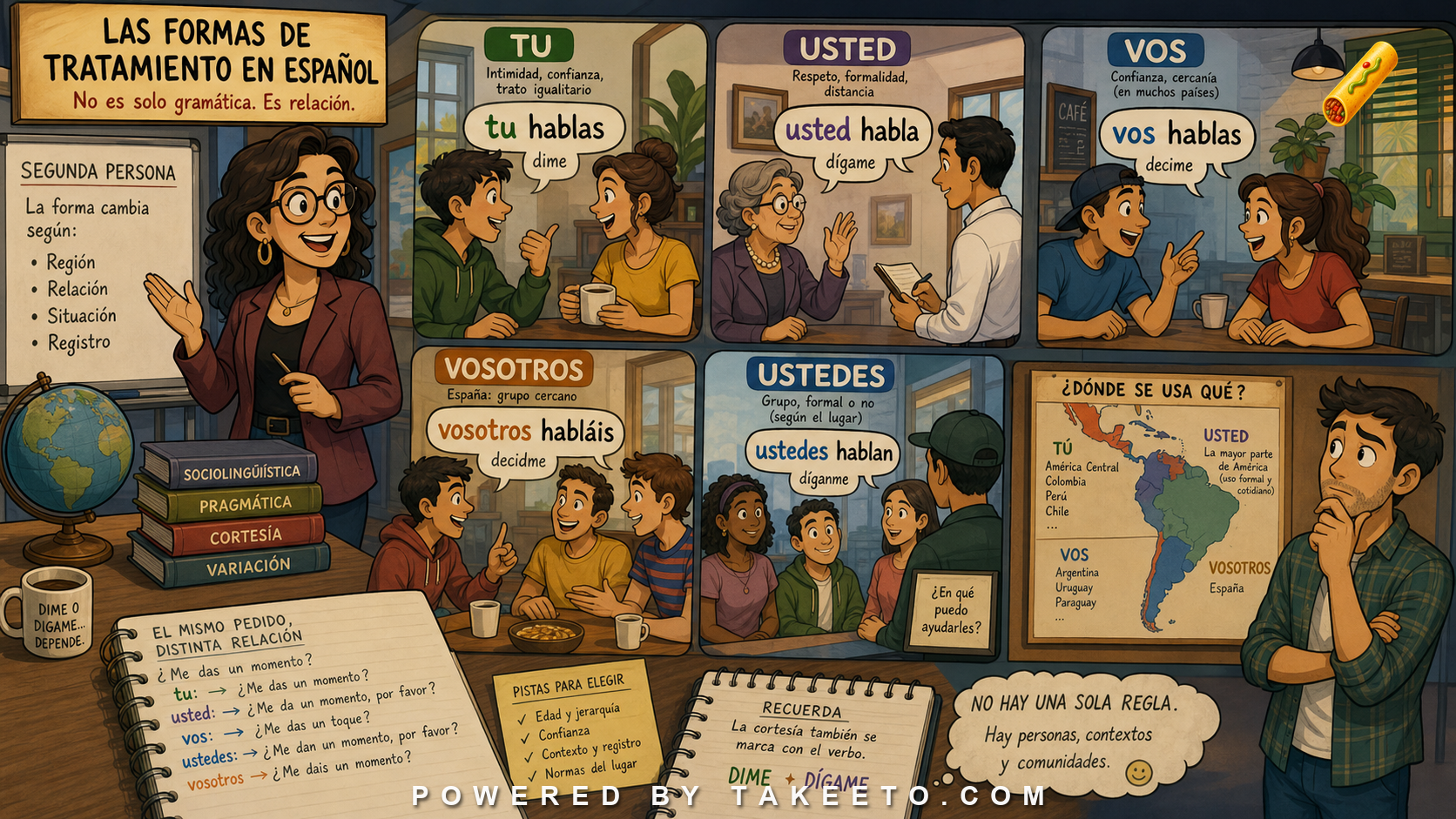
The reader can describe Spanish second-person systems across regions and social contexts.
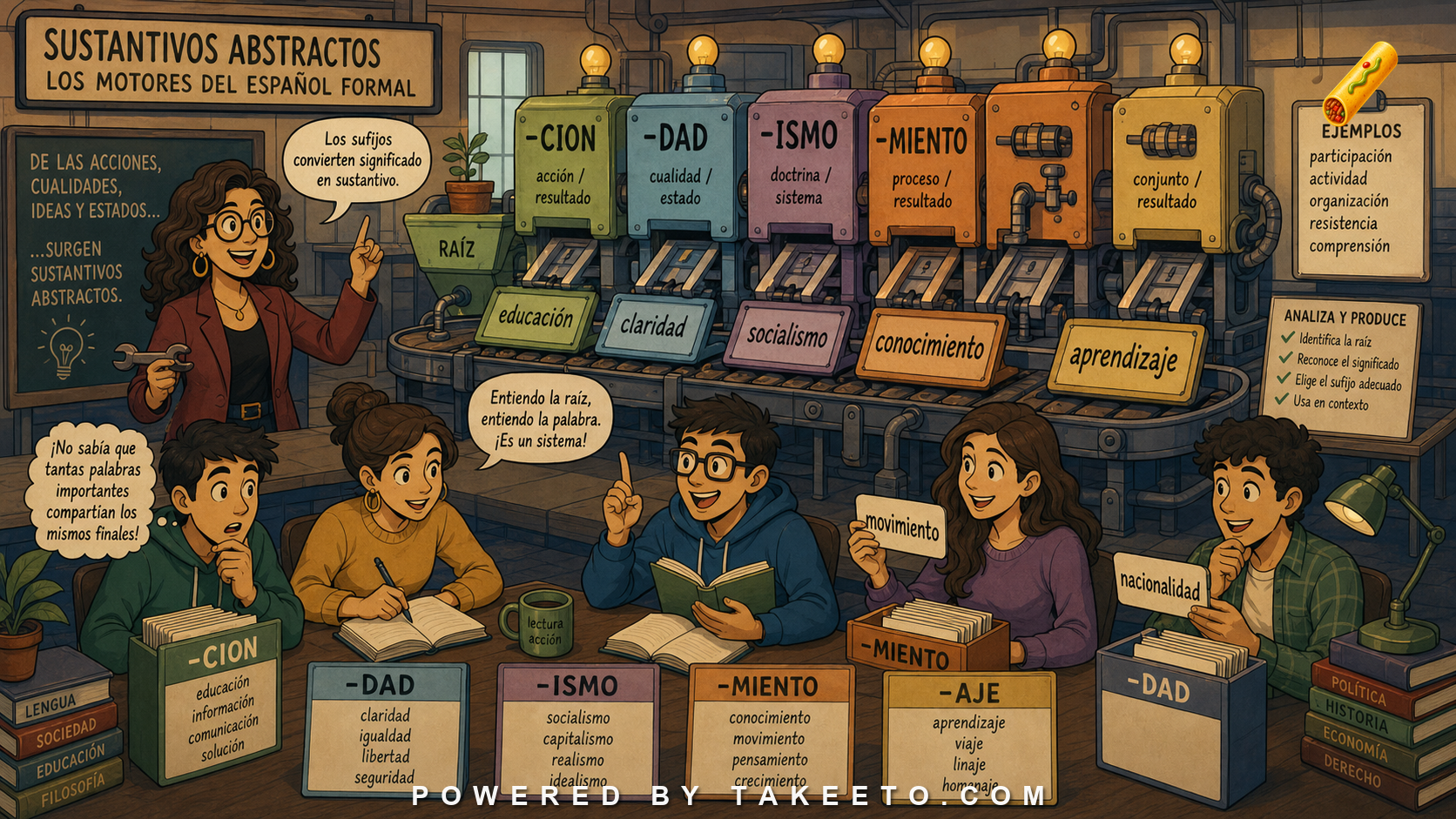
The reader can parse and produce abstract nouns that dominate formal Spanish.
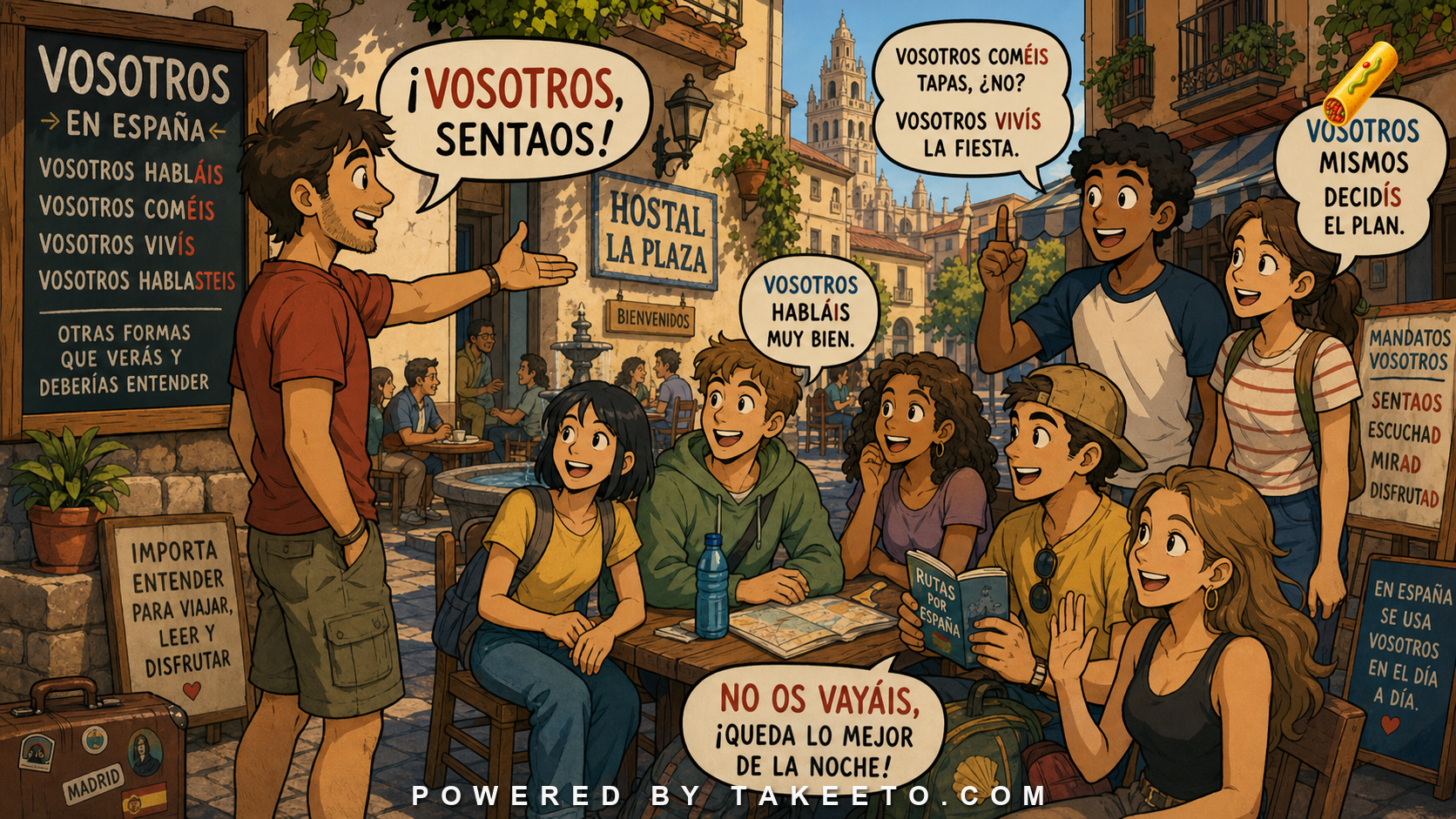
The reader can recognize vosotros forms and understand their place in Spain Spanish.
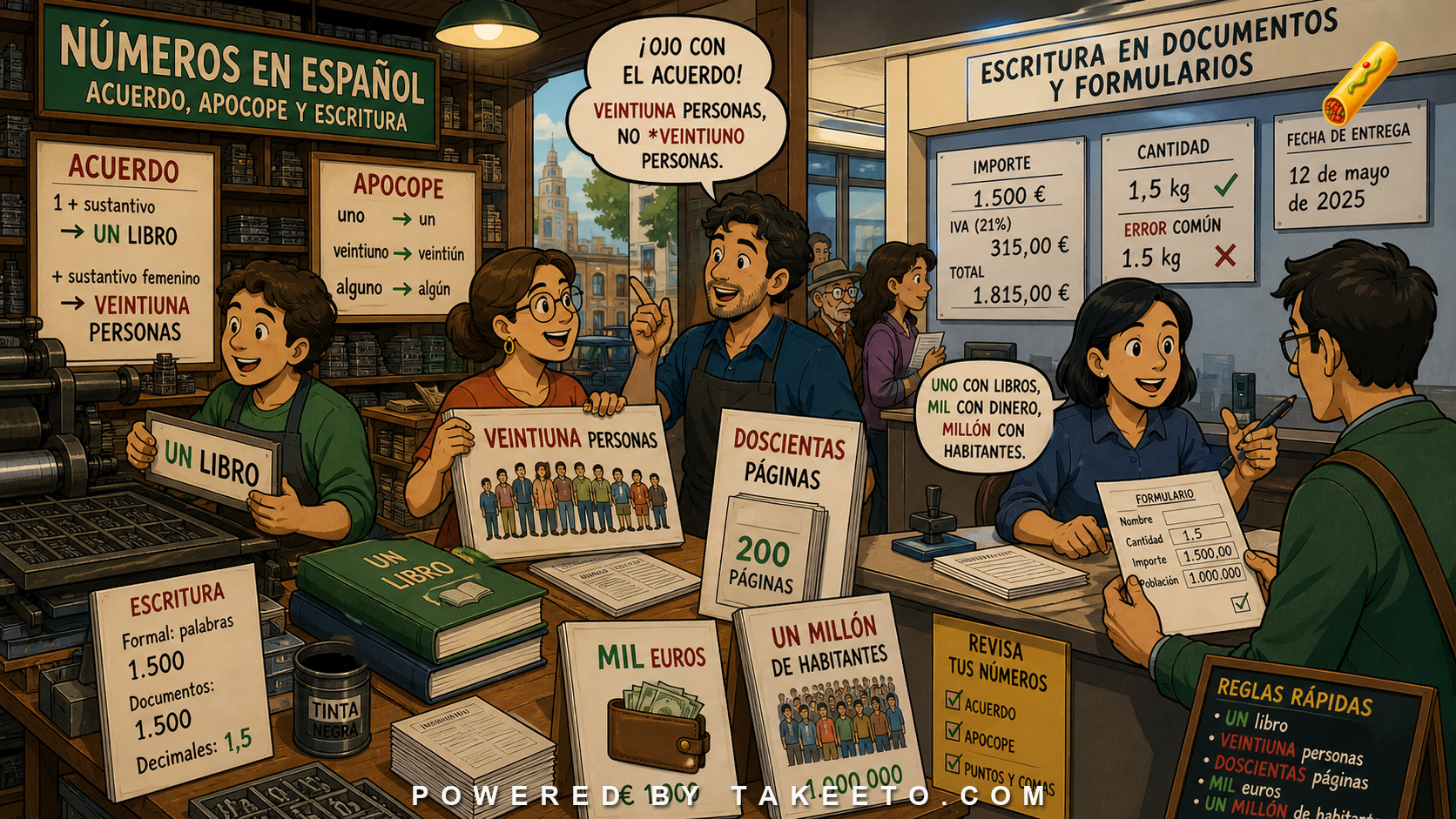
The reader can use cardinal numbers correctly in speech, forms, and formal writing.
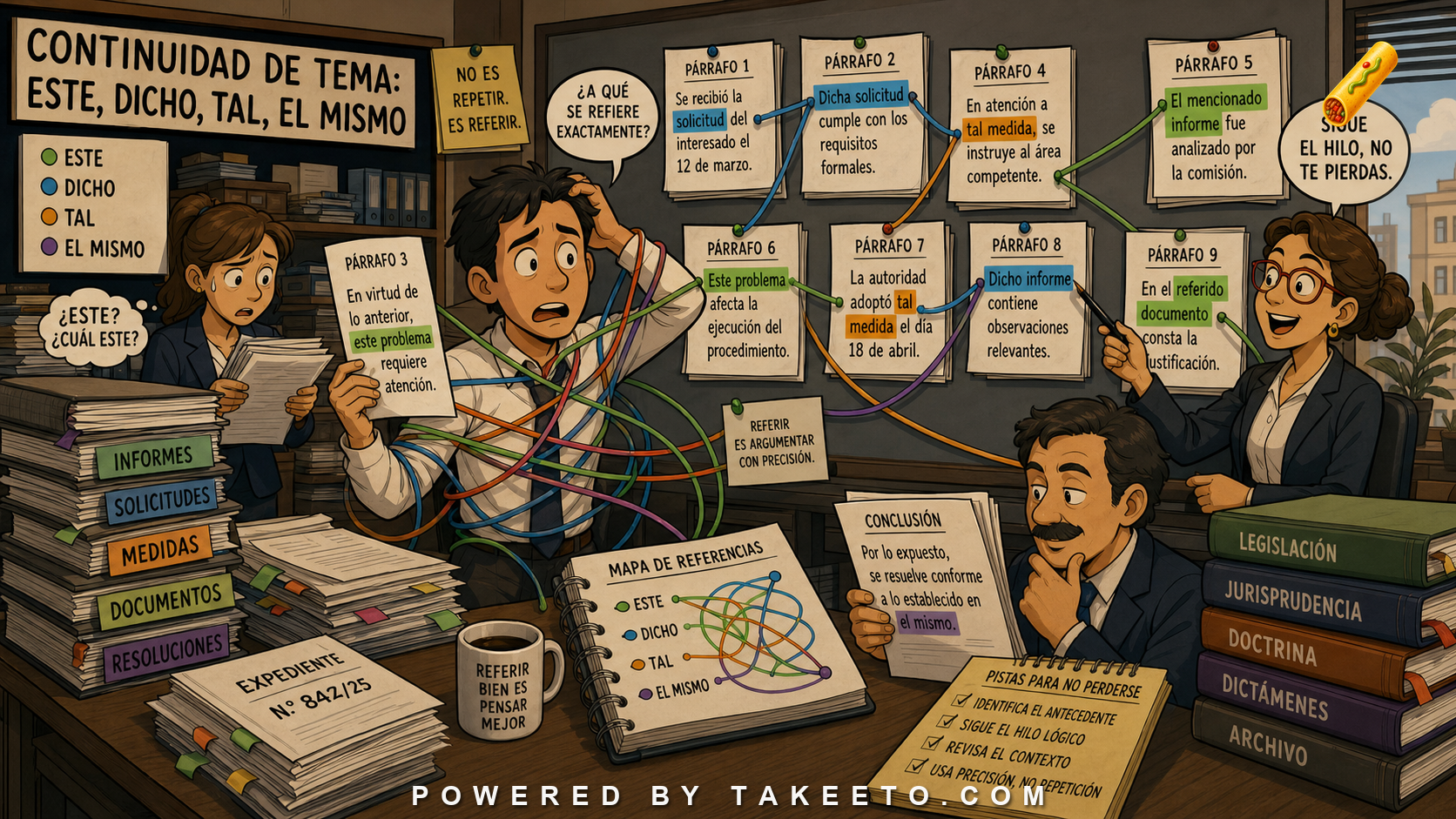
The reader can track reference across formal Spanish paragraphs.
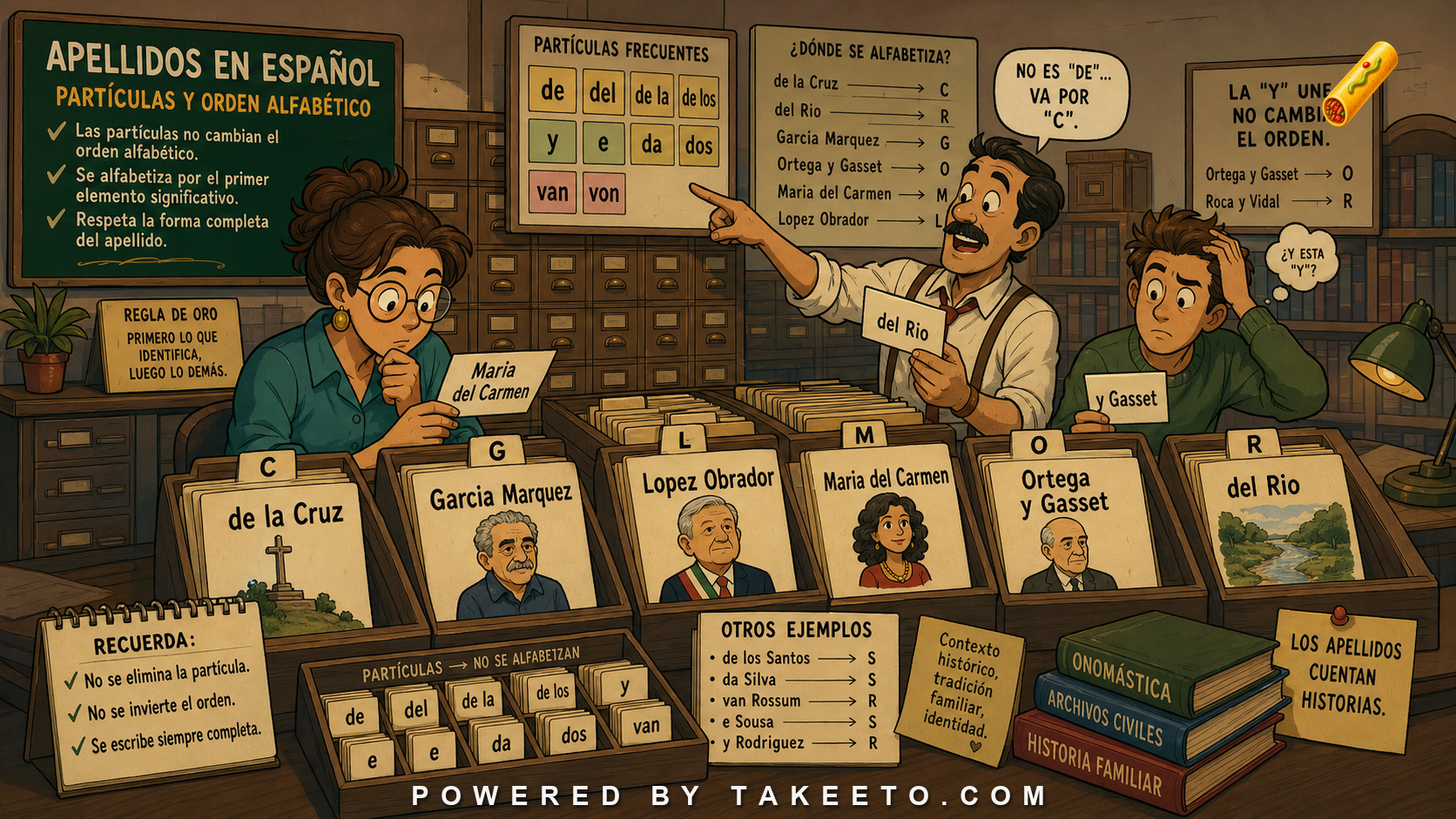
The reader understands surname particles and filing conventions in Spanish-speaking contexts.

The reader can parse Spanish gaming vocabulary and its heavy English contact.
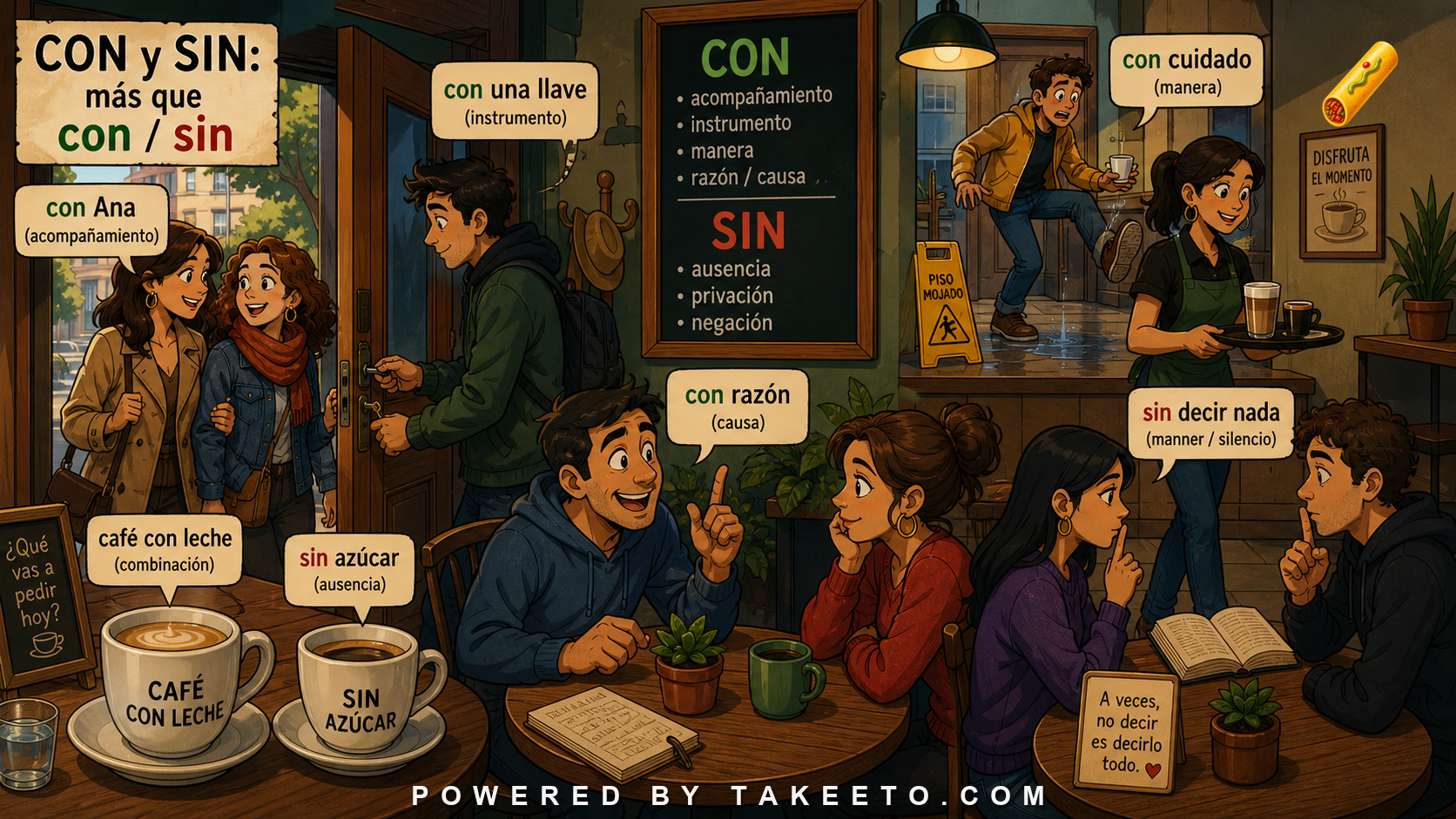
The reader can interpret con/sin as more than "with/without."
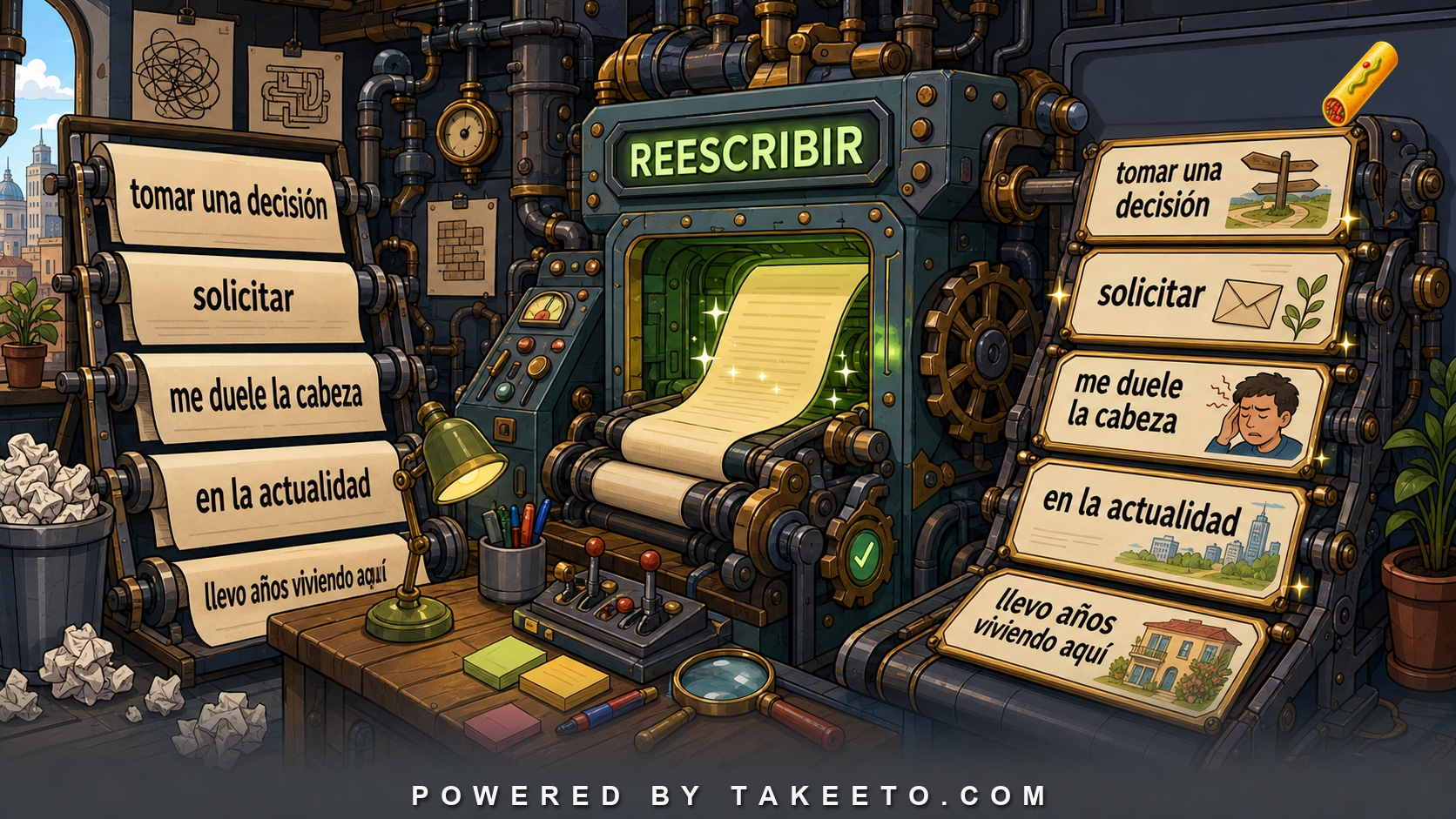
The reader can identify Spanish that is grammatical but shaped too heavily by English syntax.
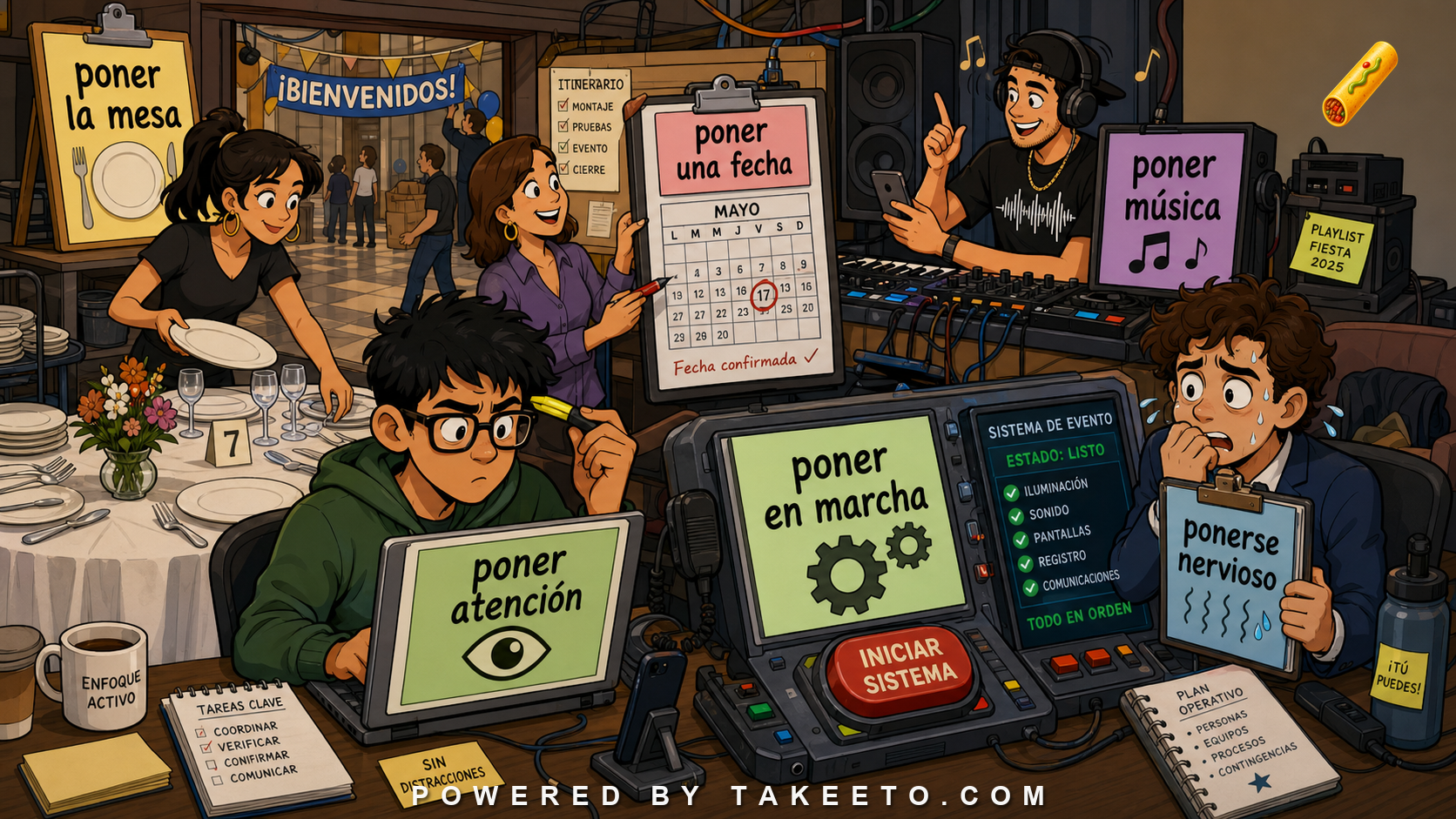
The reader can interpret poner beyond physical placement.
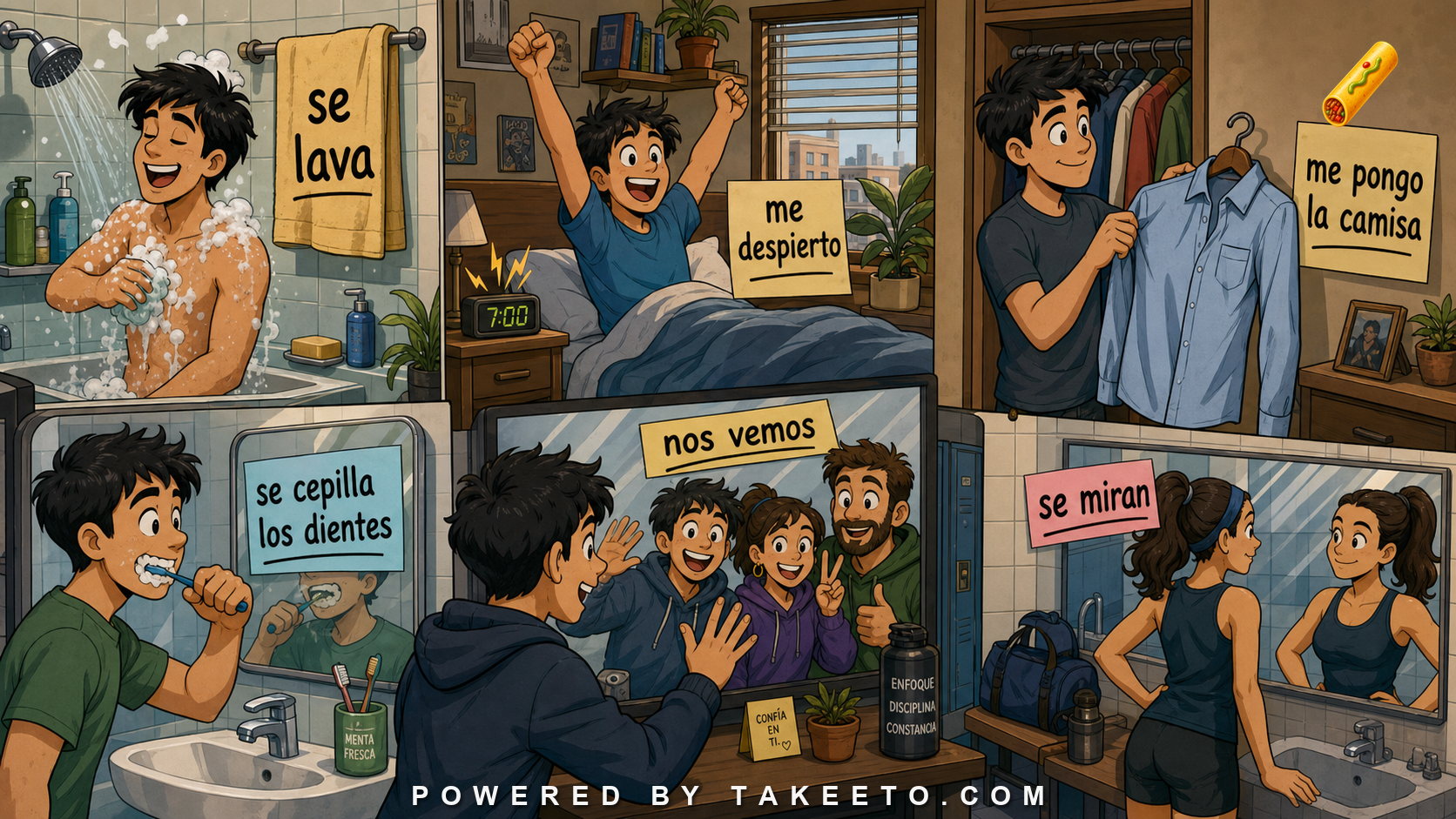
The reader can identify reflexive se and distinguish it from other se uses.
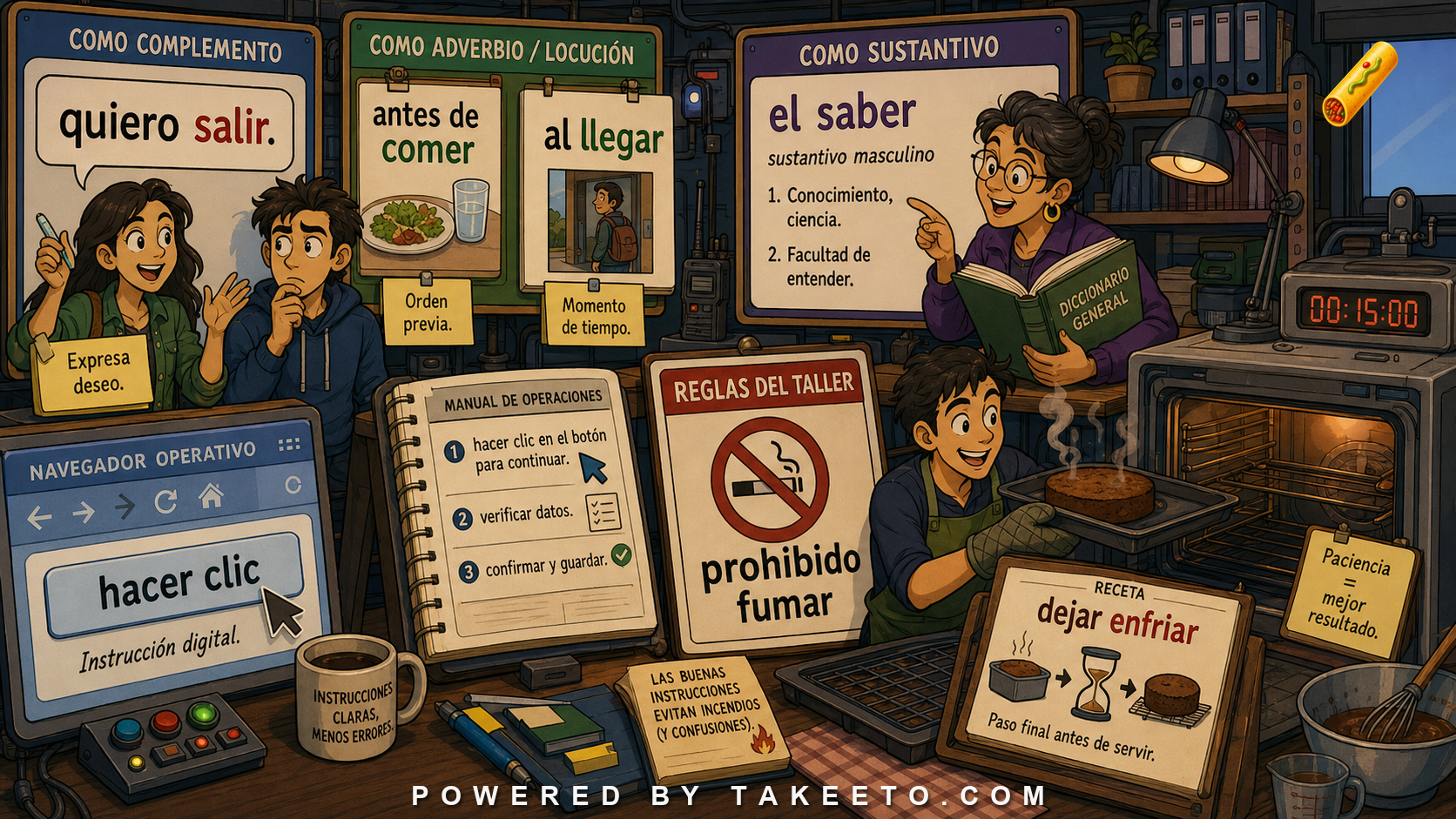
The reader can interpret infinitives in dictionary entries, instructions, complements, and nominalized uses.
The reader can read Spanish fiction with attention to tense, viewpoint, and style.
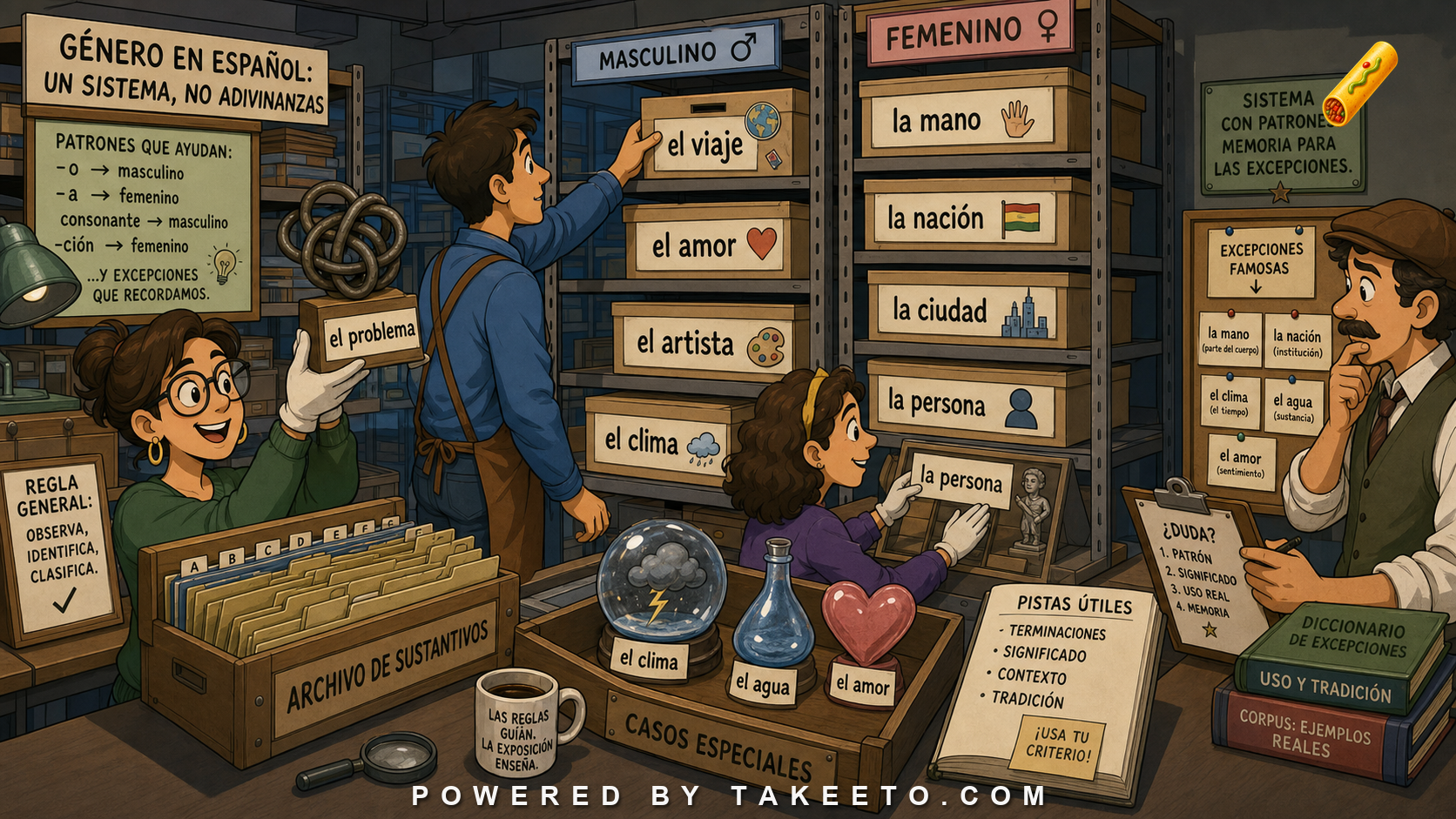
The reader can predict many noun genders while recognizing lexical and semantic exceptions.
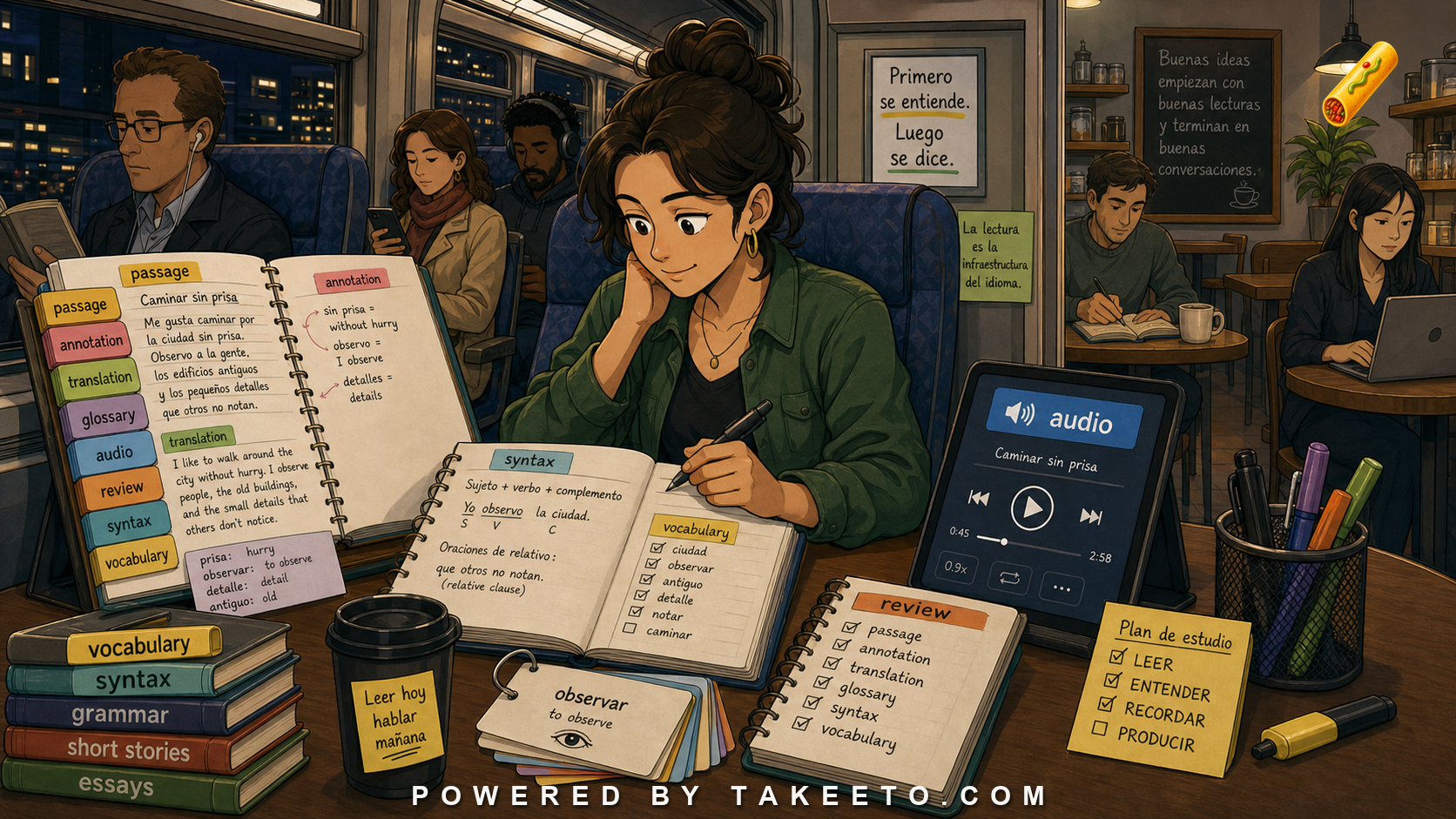
The reader understands reading as a serious foundation for grammar, vocabulary, discourse, and later production rather than passive avoidance of speaking.
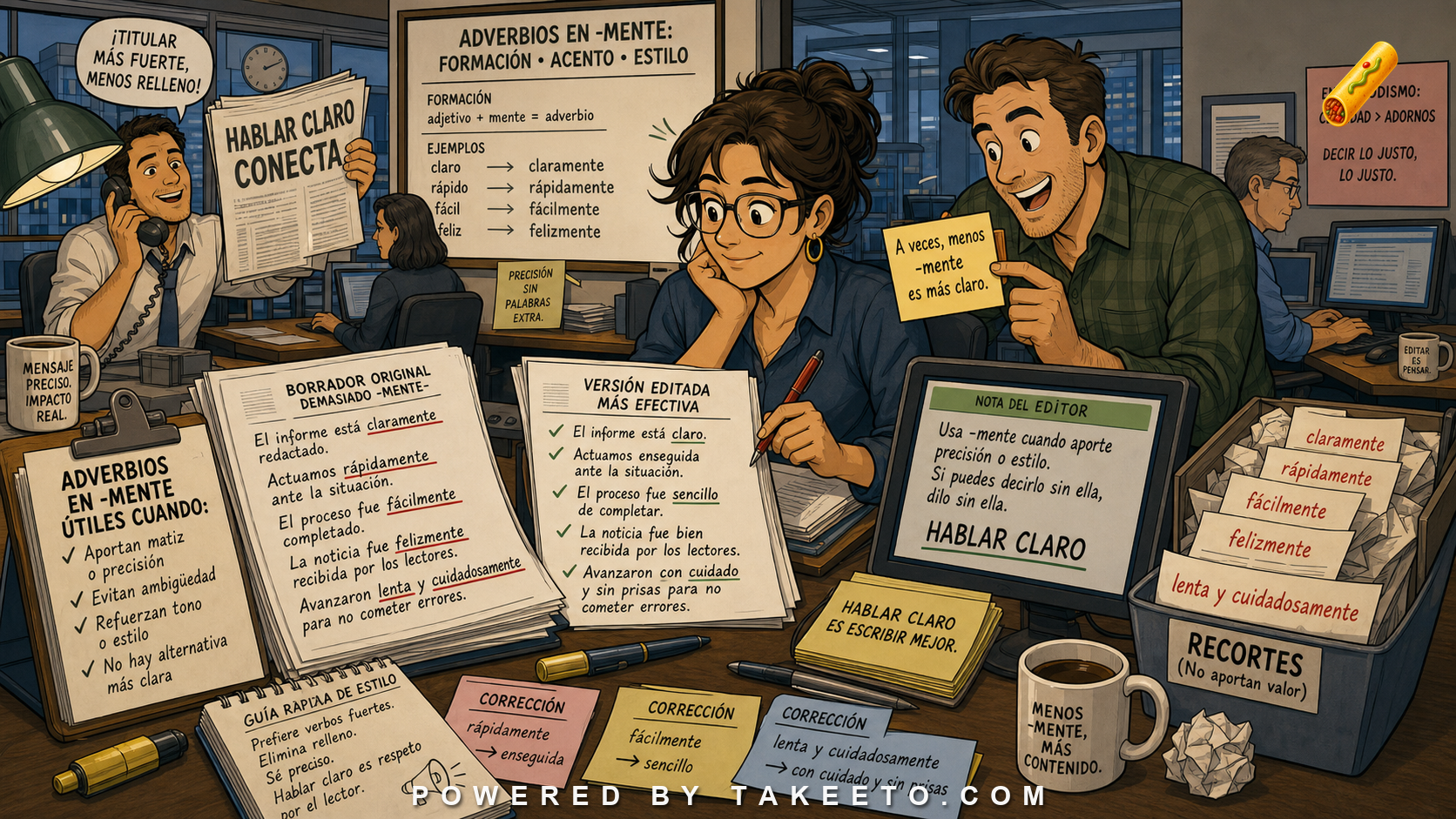
The reader can form -mente adverbs and understand their written-register weight.
The reader can evaluate Spanish UI text by function, register, and clarity.
The reader understands how to attach explanations without overwhelming the learner.
The reader can separate auditory perception, intentional listening, and sound production.
The reader can distinguish passive se from impersonal se by agreement and noun phrase behavior.
The reader understands inclusive-language debates with grammatical and social precision.
The reader can identify the preterite as a bounded-event tense rather than simply “the past.”
The reader understands why vocabulary must be learned with frequent partners.
The reader can parse nominal structures that carry argument roles.
The reader stops memorizing trigger lists as if they were explanations.
The reader can distinguish un/una as article, numeral, and discourse marker.

The reader understands Andean Spanish as shaped by geography, history, and indigenous-language contact.
The reader can detect stance encoded in attribution verbs.
The reader can express belief, opinion, reasoning, and evaluation with appropriate syntax.
The reader can use country names, demonyms, and regional adjectives accurately.
The reader understands parecer as a bridge between appearance, judgment, and stance.
The reader understands Spanish future as both temporal and modal.
The reader can use mood in relative clauses to distinguish known referents from hypothetical or desired ones.
The reader can distinguish existence, location, and institutional or abstract existence.
The reader can use cognates intelligently while avoiding high-cost false friends.
The reader can identify major object-pronoun variation and its social meaning.
The reader can distinguish relative superlatives from absolute intensification.
The reader can use weather language with the correct impersonal structures.
The reader understands de as a relation marker rather than a single English preposition.
The reader can describe spatial relations with adverbs, prepositions, and de phrases.
The reader can distinguish physical arrival, reaching, and successful accomplishment.
The reader can use the pluperfect to order past events and manage narrative background.
The reader can replace common shortcuts with more accurate models.
The reader can form and interpret -ra and -se imperfect subjunctive forms.
The reader understands the Spanish present tense as a multi-use tense rather than a one-to-one English present.
The reader can interpret nuanced change verbs in research and policy writing.
The reader can parse the density of official and academic Spanish.
The reader can use Spanish grammar references critically, turning rules into testable usage questions instead of memorized traps.
The reader can read and use ordinals beyond the small set common in speech.
The reader can interpret lo bueno, lo difícil, lo importante as abstract nominalizations.
The reader can use Spanish boundary markers precisely.
The reader can write example sentences that teach more than isolated meaning.
The reader can distinguish verbs around entering, taking out, and removing.
The reader can understand public-transport Spanish in signage and announcements.
The reader understands pronominal verbs as lexical entries, not always literal reflexives.
The reader recognizes future subjunctive forms in legal, proverbial, and archaic Spanish.
The reader sees conjugation classes as predictable paradigms rather than isolated endings.
The reader can improve naturalness by learning high-value collocations.
The reader can place object and reflexive pronouns correctly across finite and nonfinite verbs.
The reader can write and understand customer-support Spanish with appropriate tone.
The reader understands why el agua is grammatically feminine and why agreement still matters.
The reader can choose a primary Spanish model while remaining broadly literate.
The reader can choose relative pronouns based on animacy, preposition, clarity, and formality.
The reader can choose speech verbs according to content, interaction, and region.
The reader can use direct object pronouns with gender, number, placement, and discourse awareness.
The reader can distinguish obligation, necessity, and probability across Spanish modal constructions.
The reader can use the imperfect to frame ongoing, habitual, or descriptive past situations.
The reader can recognize event nouns packaged with light verbs.
The reader understands subjunctive in clauses expressing desired or influenced events.
The reader can track gender and number agreement as part of sentence architecture.
The reader can approach Chilean Spanish as a coherent system rather than a comprehension failure.
The reader can distinguish self-directed and mutual actions.
The reader can interpret Spanish place names and their grammar.
The reader understands what each exam direction measures.
The reader can interpret verbs that express how events turn out.
The reader can use ir a + infinitive for planned, imminent, and evidence-based future situations without equating it mechanically with English “going to.”
The reader understands why grammar explanations must match cognitive and educational context.
The reader can distinguish factual concession from hypothetical or irrelevant concession.
The reader understands Spanish possession, obligation, age, physical state, and auxiliary patterns.