
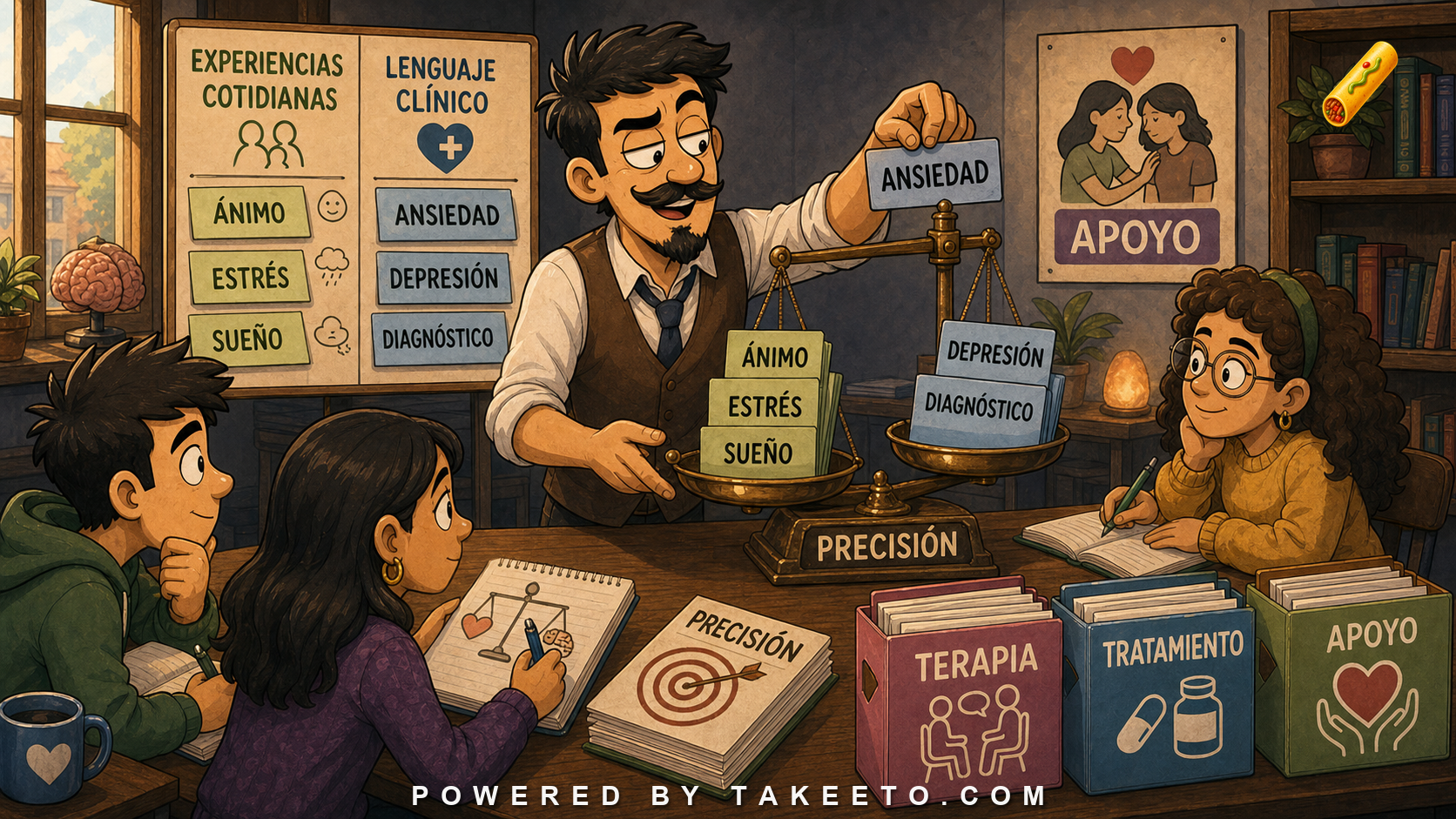
Mental Health Spanish: Symptoms, Diagnosis, and Stigma-Aware Language
The reader can distinguish careful mental-health vocabulary from casual misuse.
Long-form Spanish articles for learners who want structure, evidence, examples, and linguistic explanations that do not collapse into slogans.
100 articles tagged Real-world texts.
The reader can distinguish careful mental-health vocabulary from casual misuse.
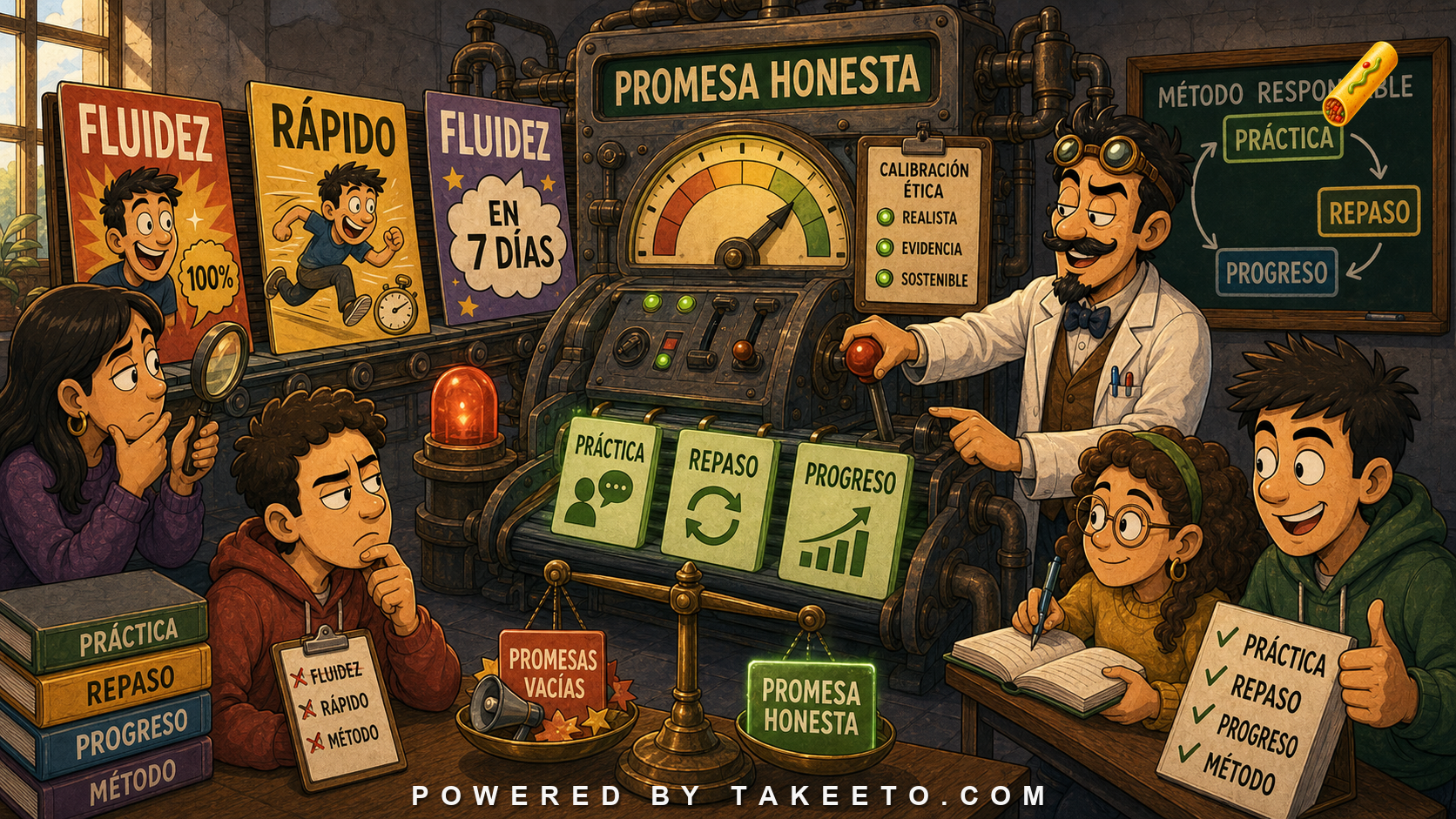
The reader can evaluate Spanish-learning claims critically and replace vague promises with honest, evidence-aware product language.
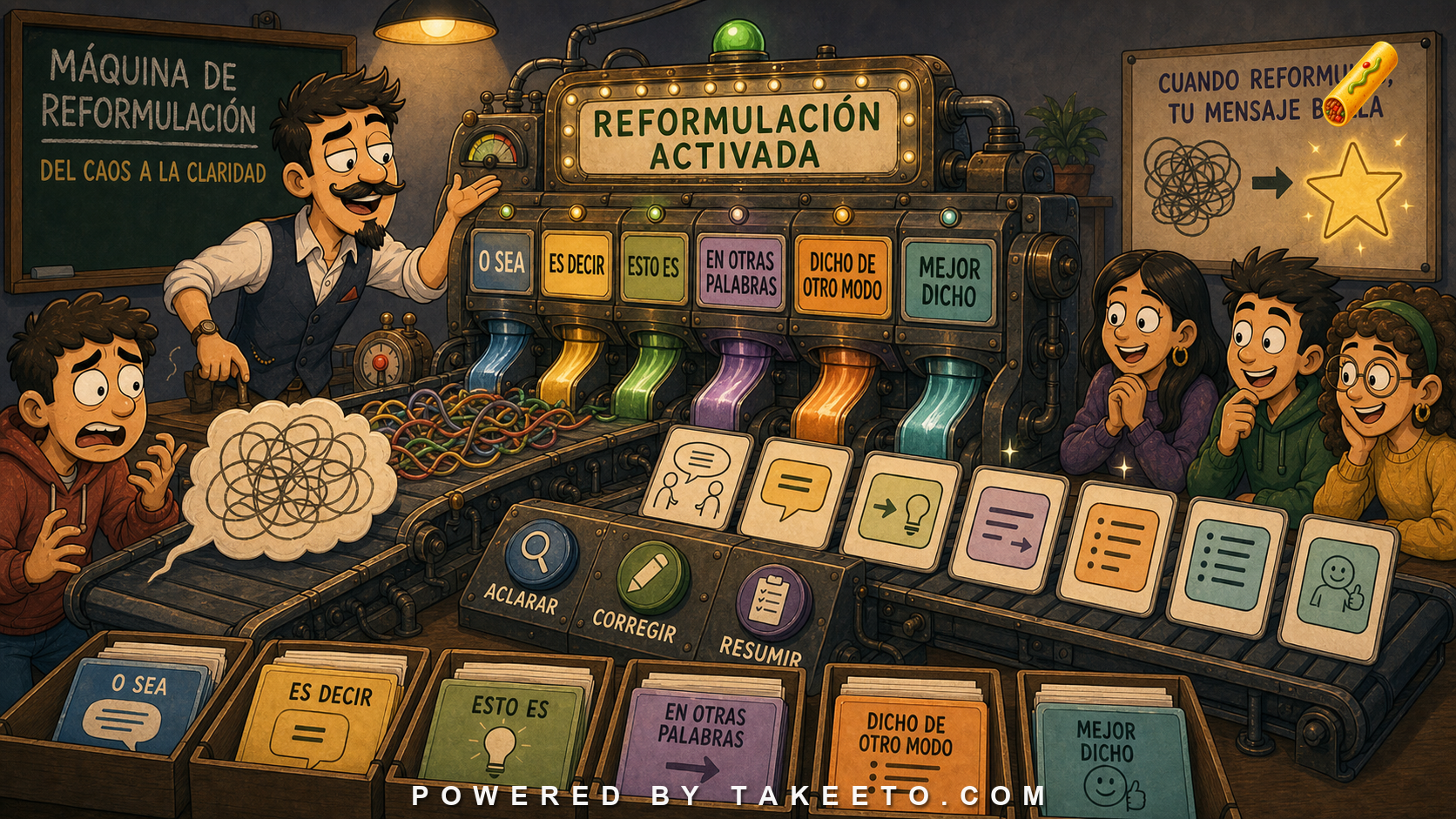
The reader can identify clarification, correction, summary, and technical restatement.
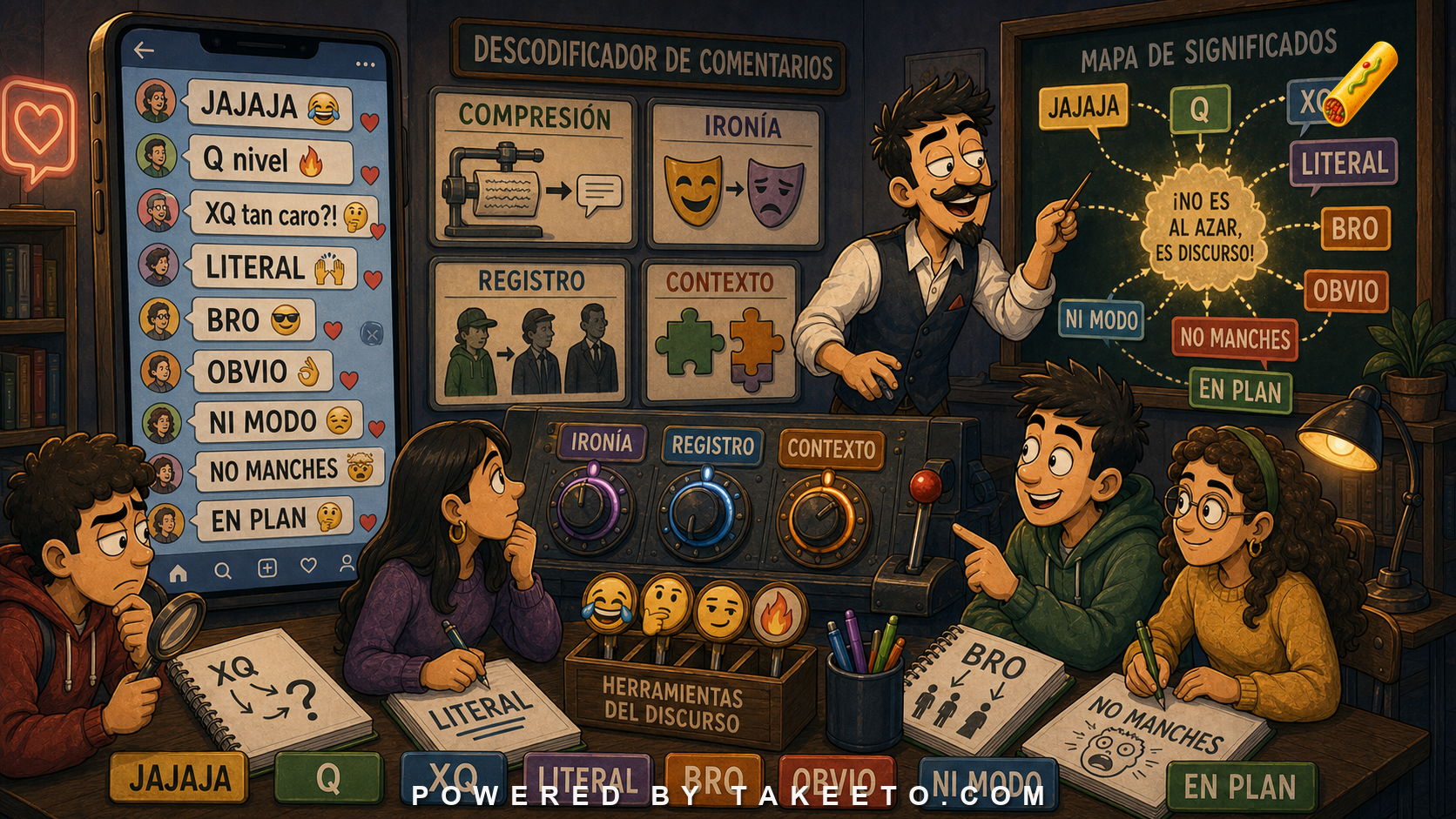
The reader can interpret comments without mistaking informal forms for random errors.
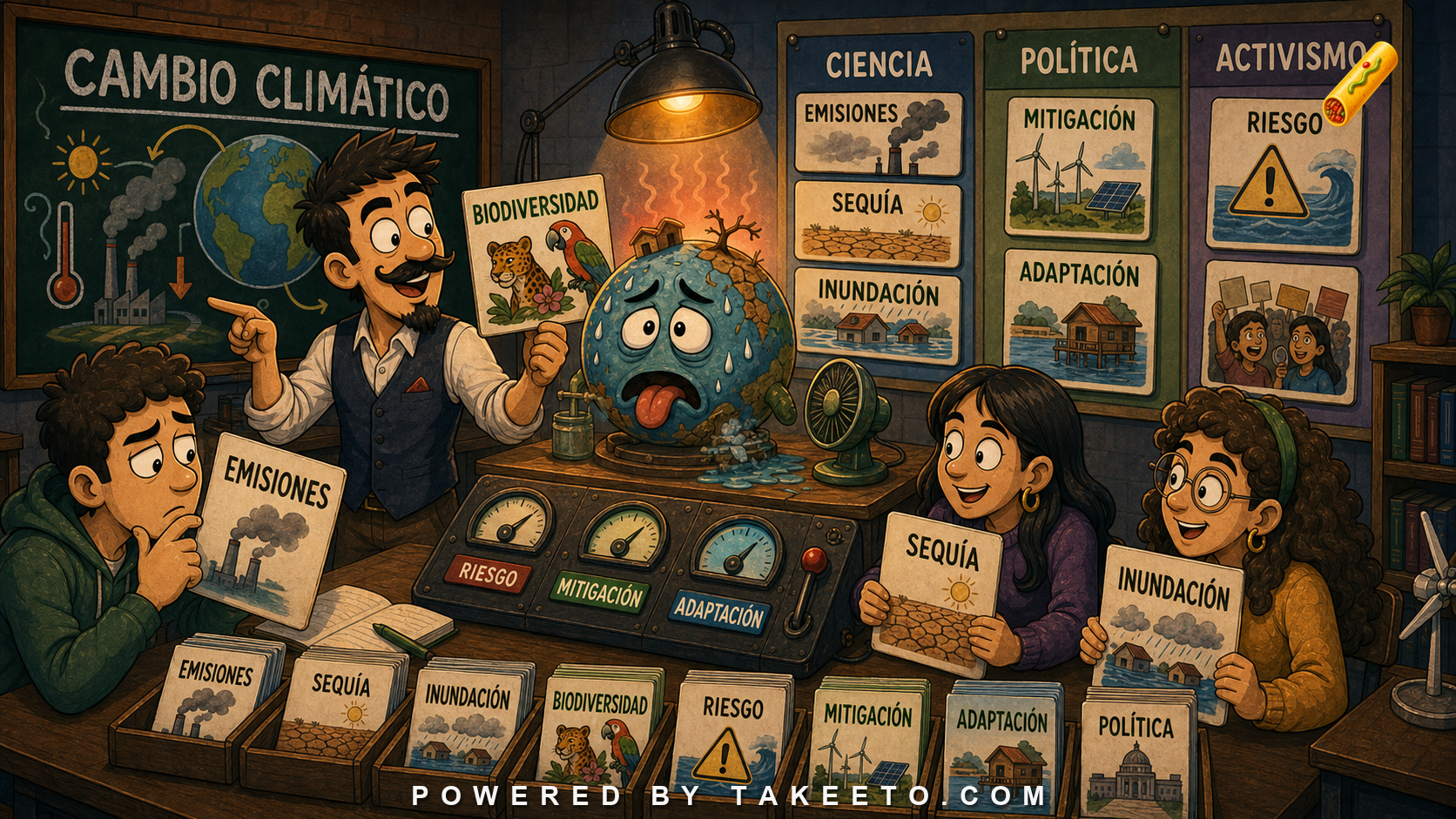
The reader can read climate and environmental Spanish across scientific, policy, and activist registers.
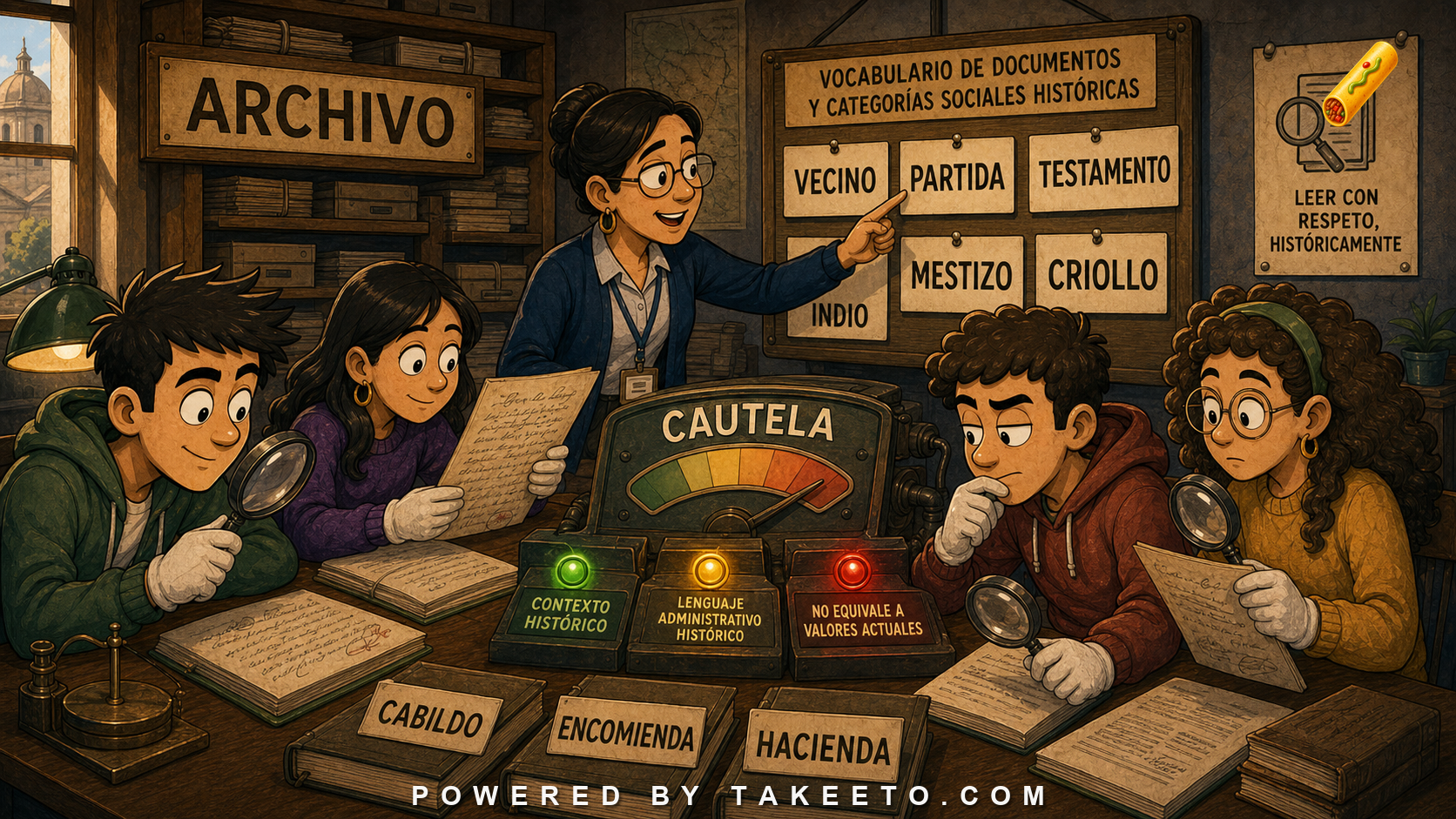
The reader can recognize colonial-document vocabulary while treating social labels critically.
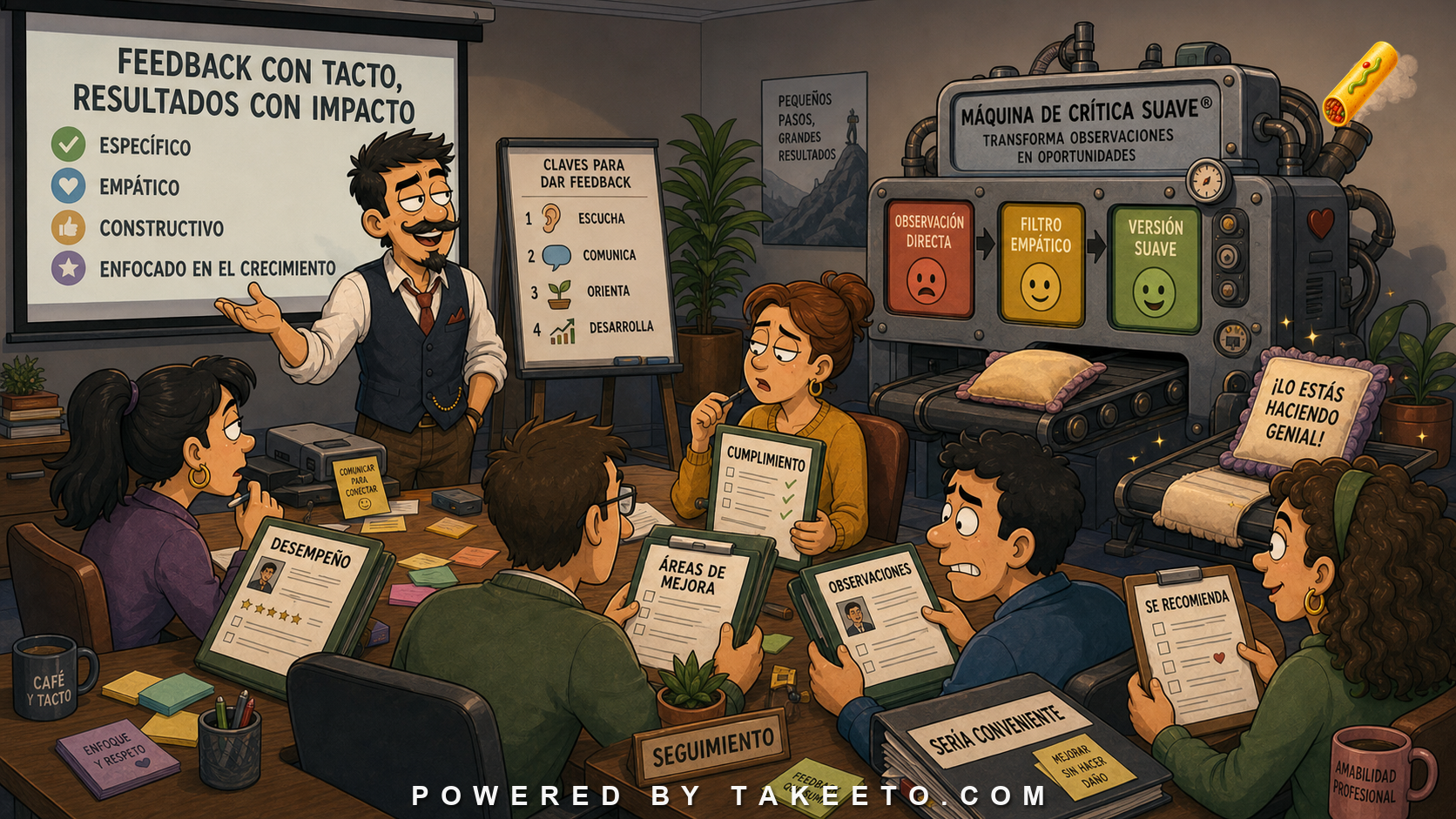
The reader can understand feedback language and indirect criticism in professional Spanish.
The reader can use corpus tools to investigate Spanish usage while respecting limits of sampling, register, dialect, and interpretation.
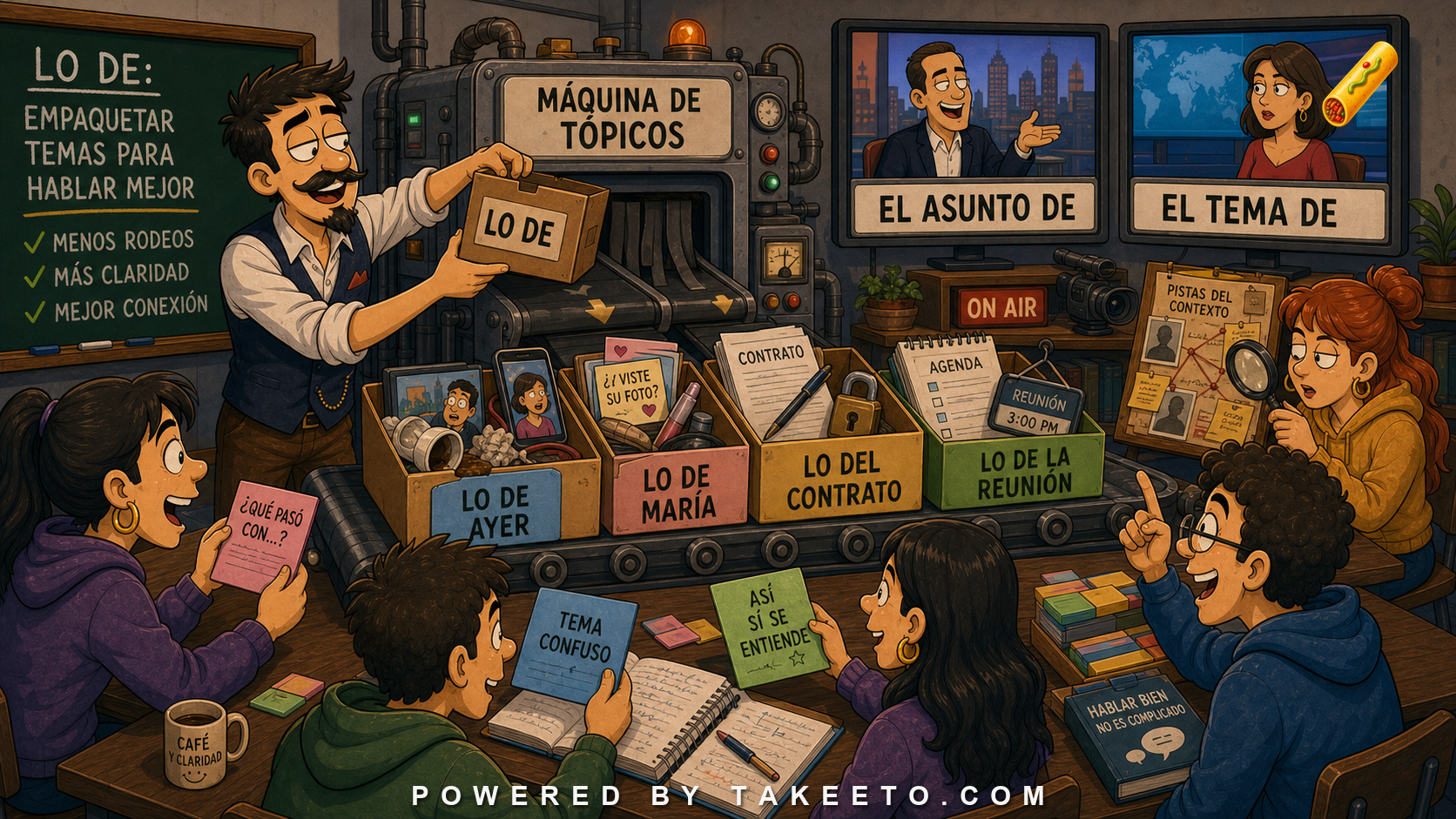
The reader can interpret lo de as a compact reference to events, issues, and topics.
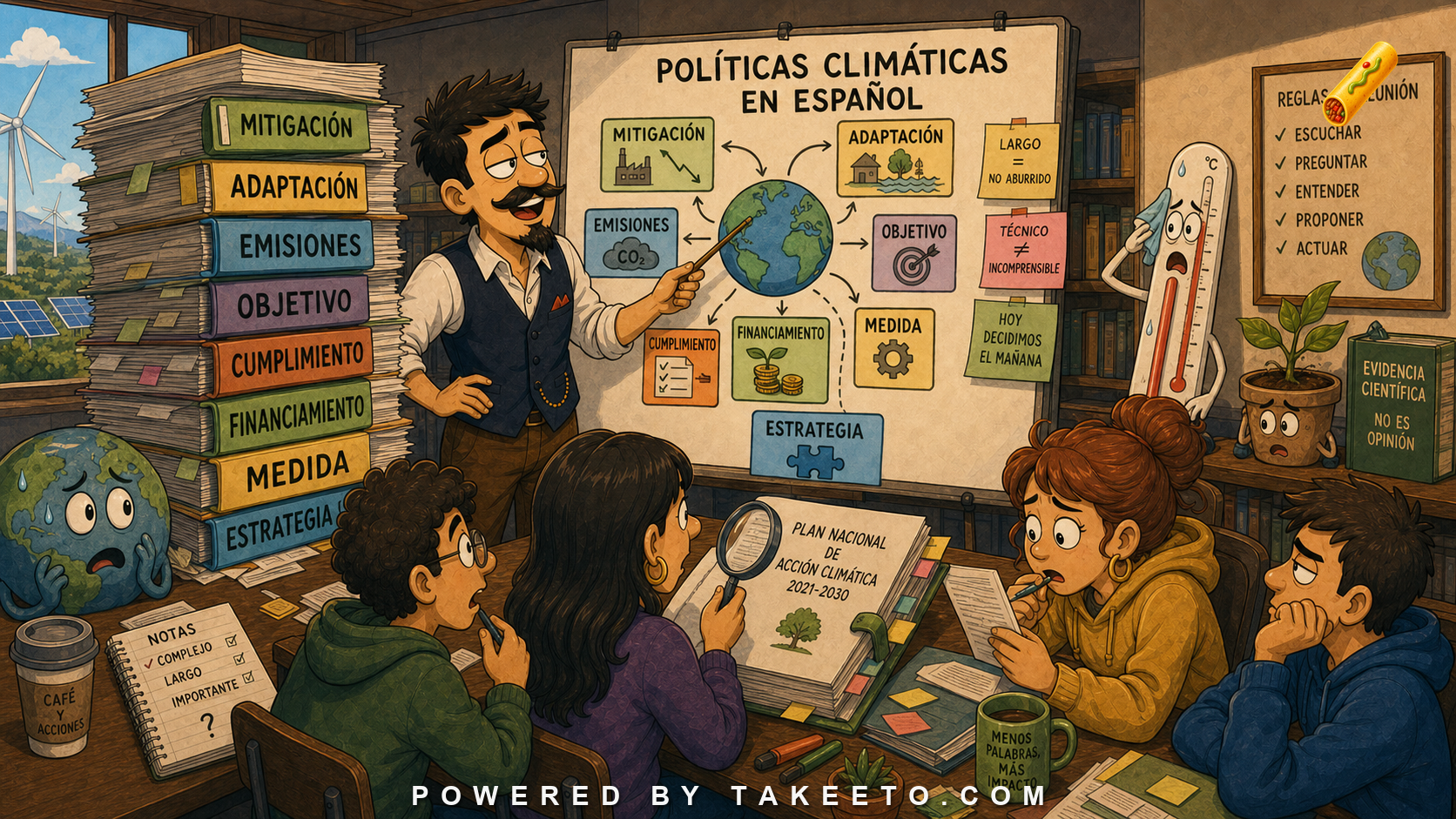
The reader can parse policy goals, timelines, measures, and obligations.
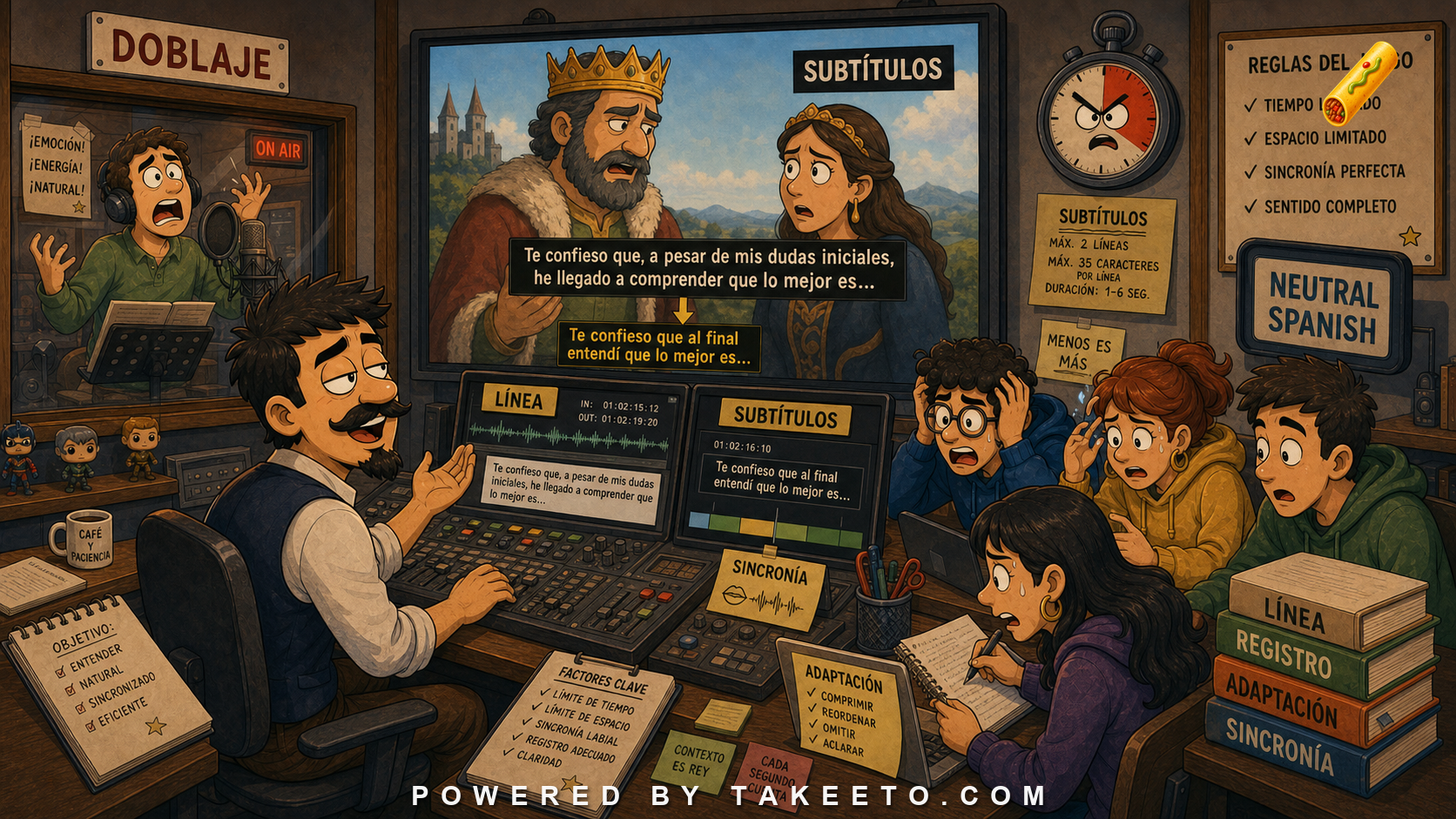
The reader understands why subtitle Spanish often diverges from literal dialogue.
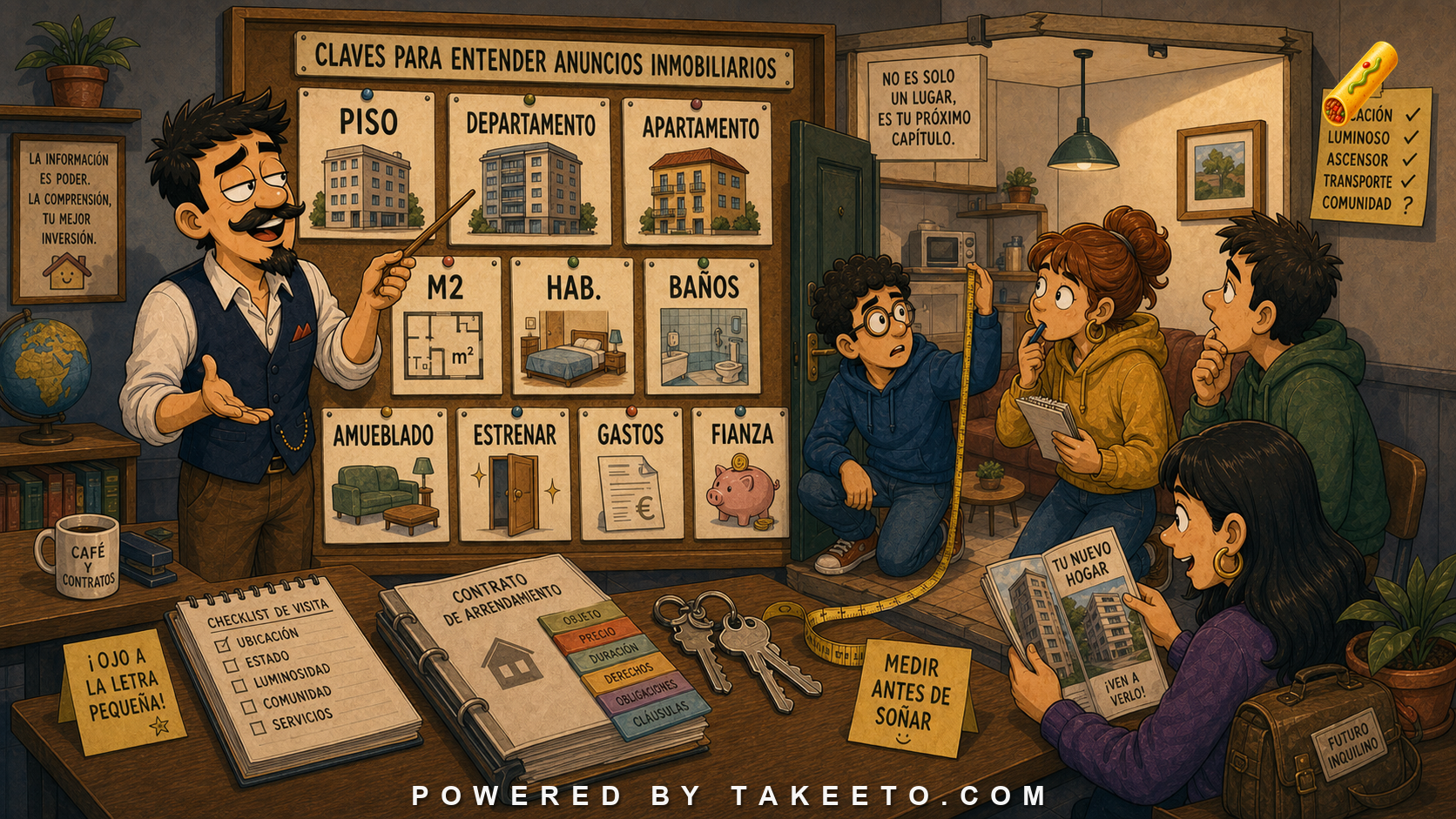
The reader can decode Spanish property listings without mistaking compressed sales language for complete legal information.

The reader can parse Spanish political discourse and institutional vocabulary.
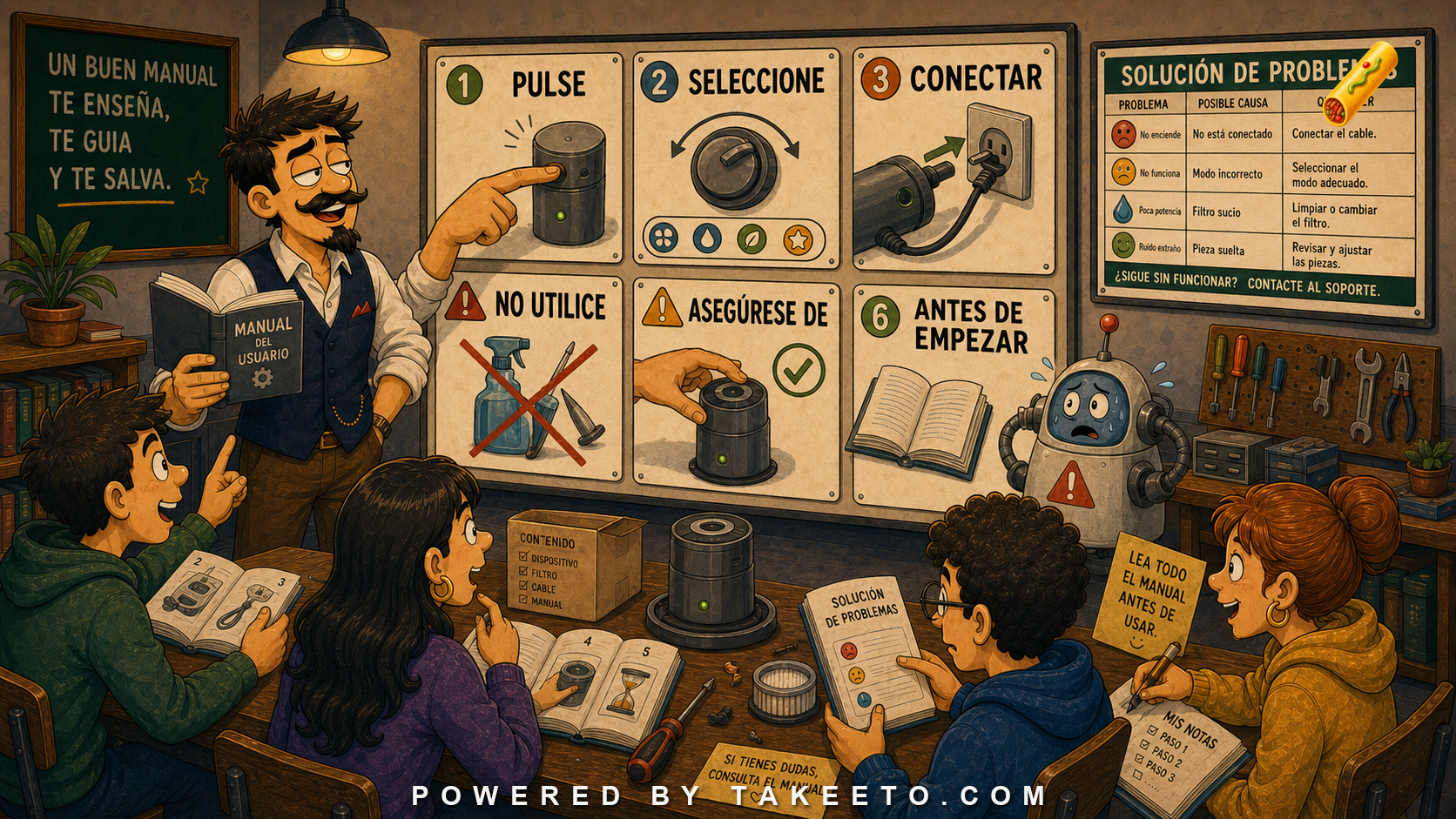
The reader can read and write Spanish instructions clearly.
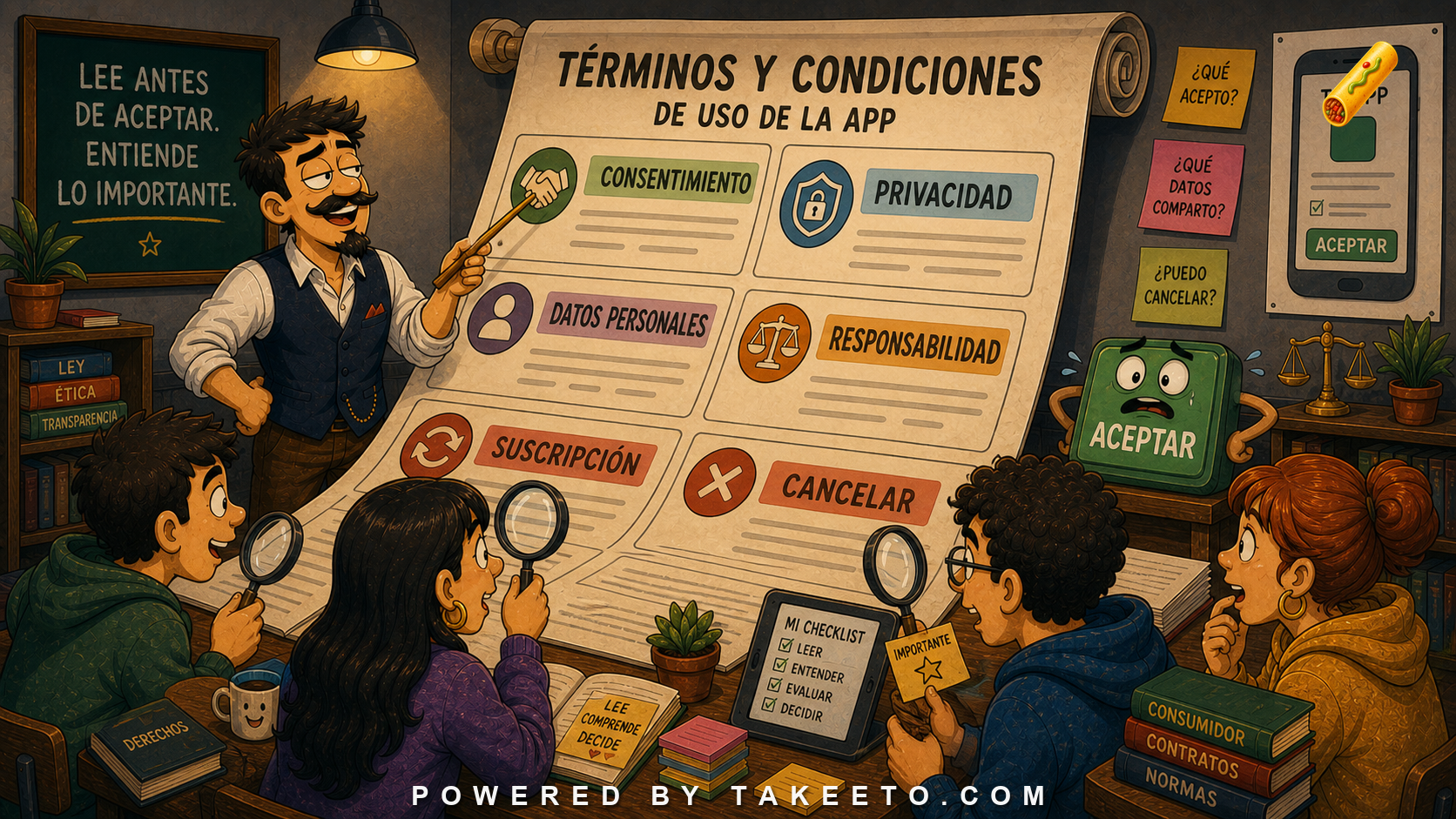
The reader can parse app and website legal Spanish.
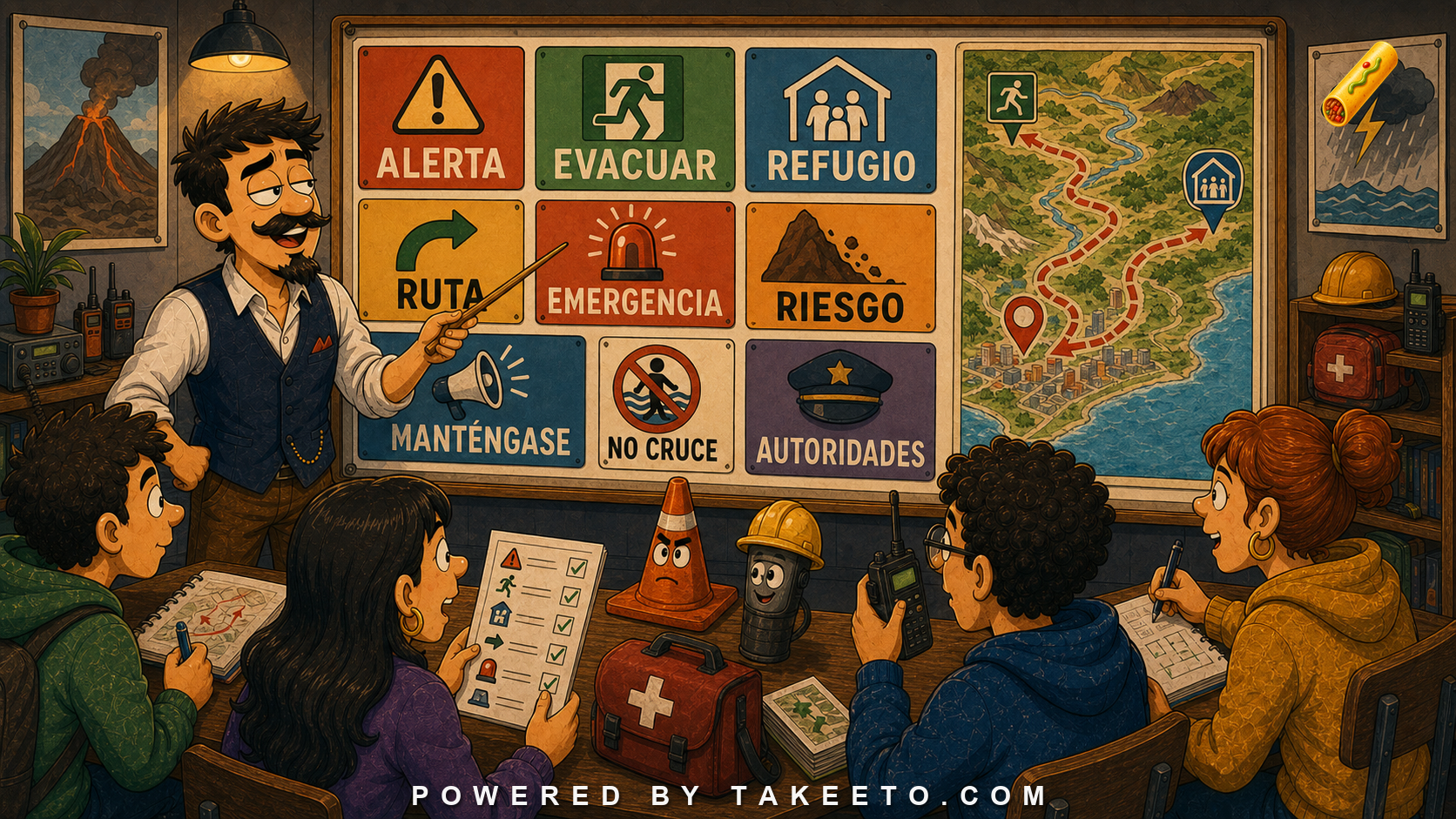
The reader can understand urgent Spanish alerts by extracting hazard, location, instruction, time, and authority.
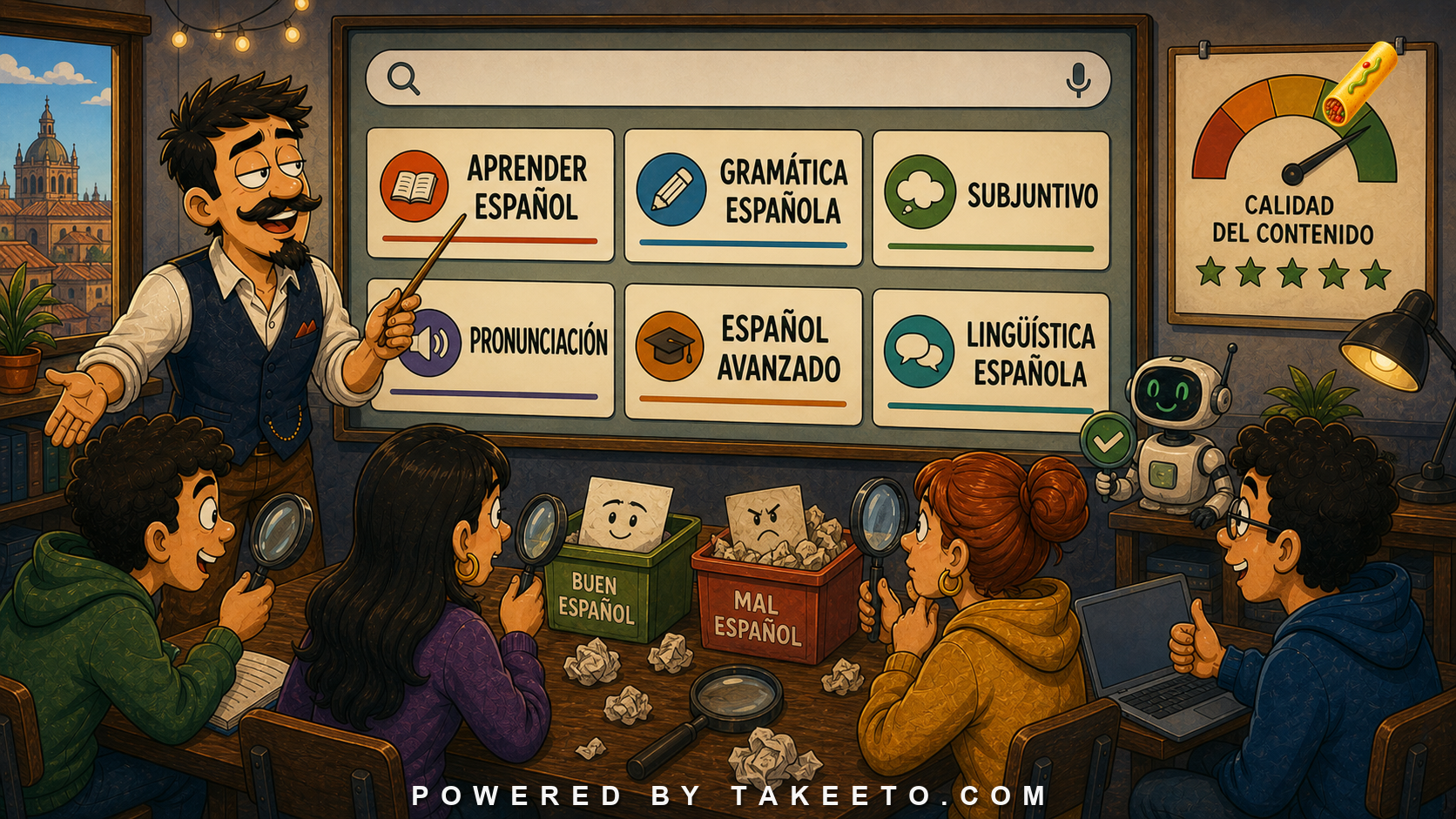
The reader can write search-visible Spanish that still respects grammar and reader trust.
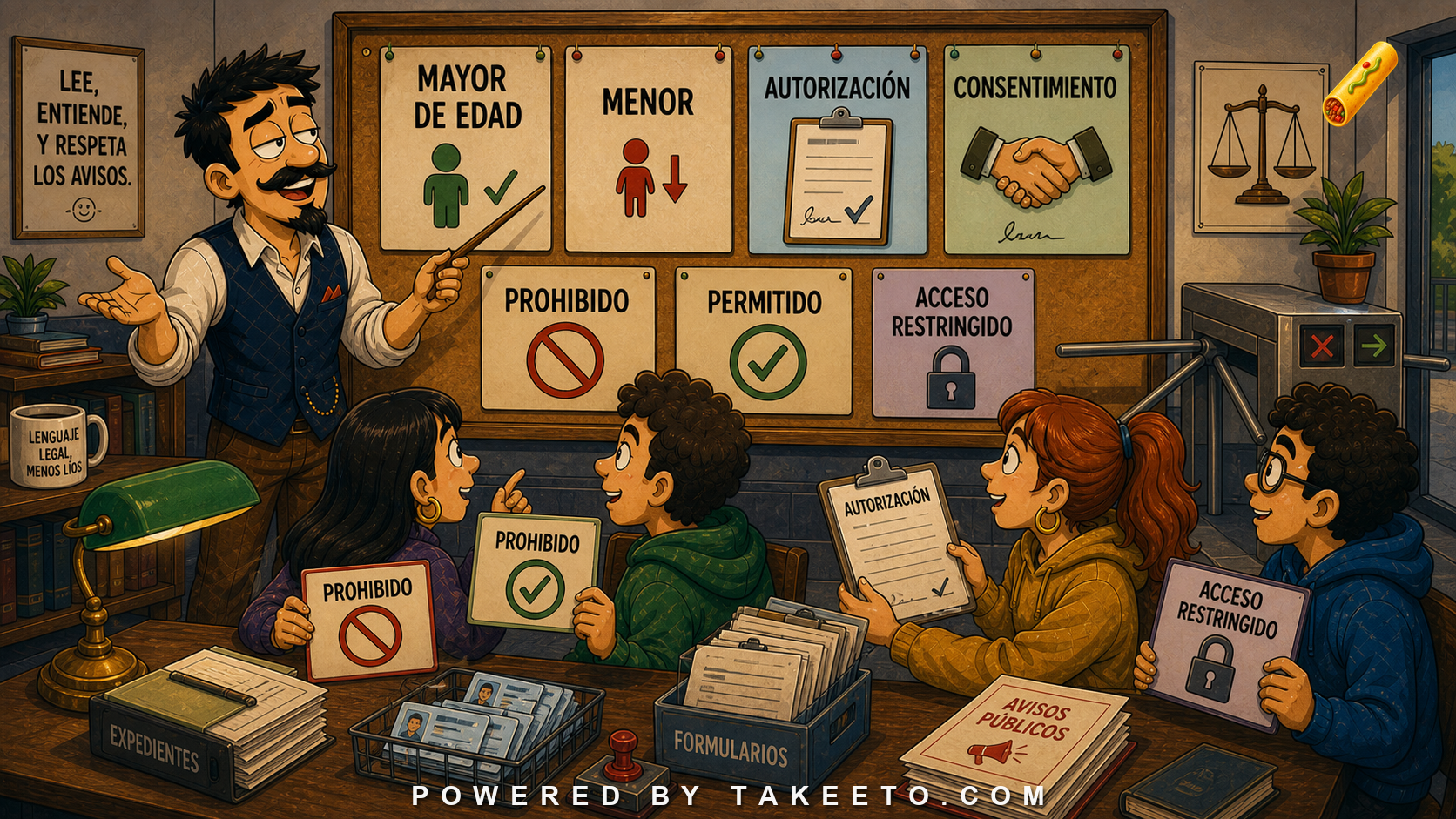
The reader can understand age restrictions and permission/prohibition notices while recognizing country-specific legal risk.
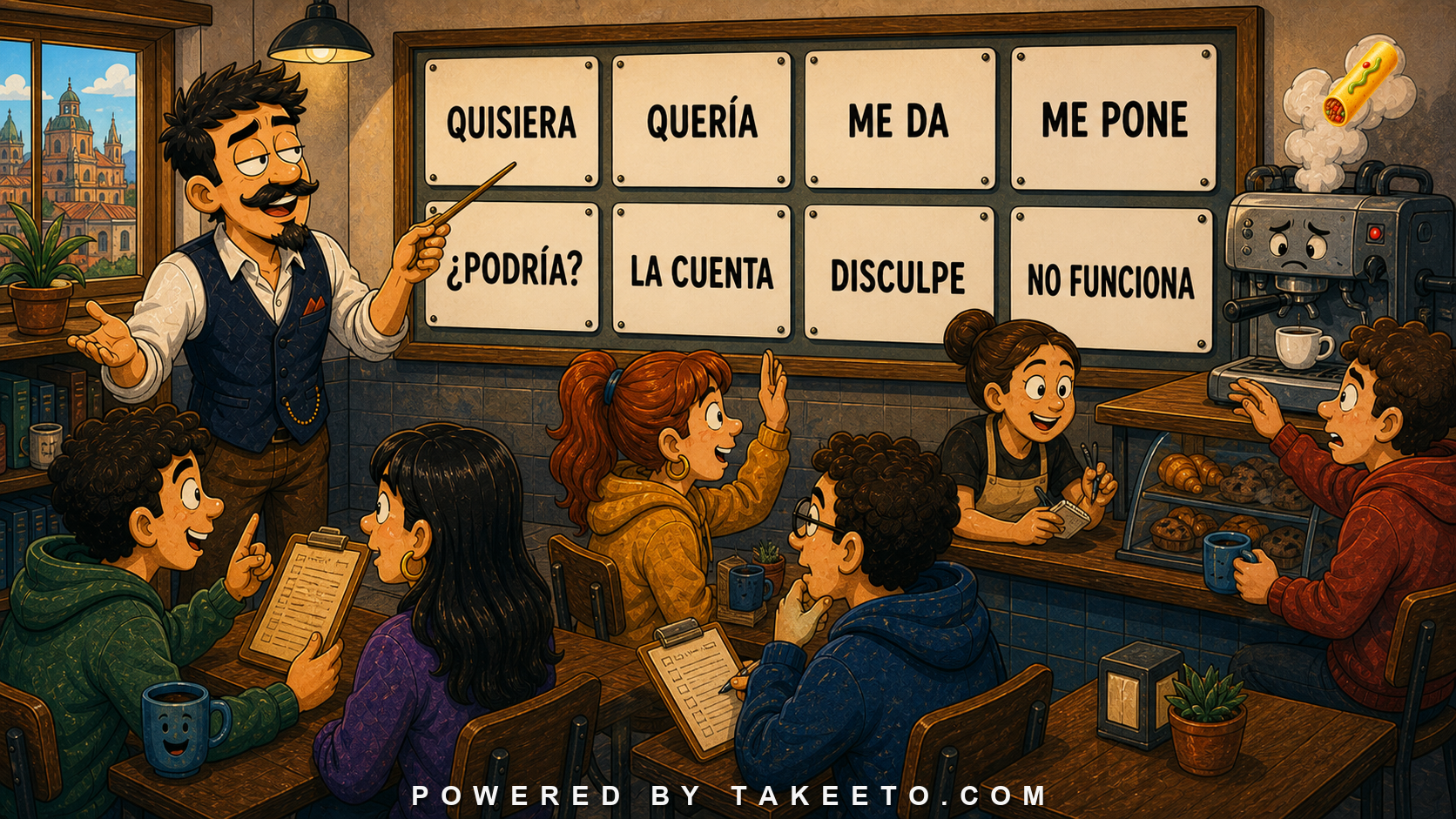
The reader can manage service interactions respectfully and precisely.
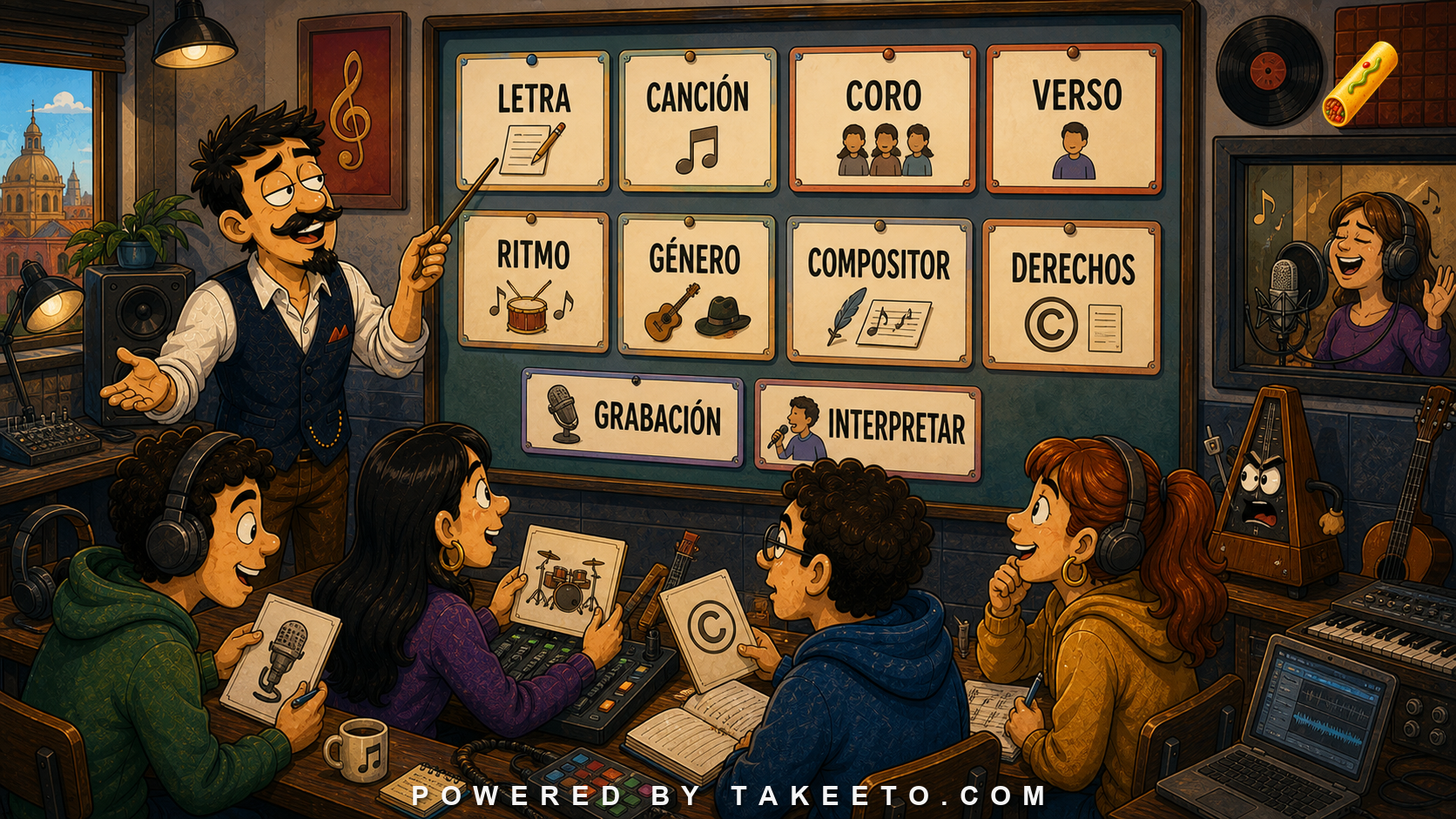
The reader can discuss music in Spanish beyond genre labels.
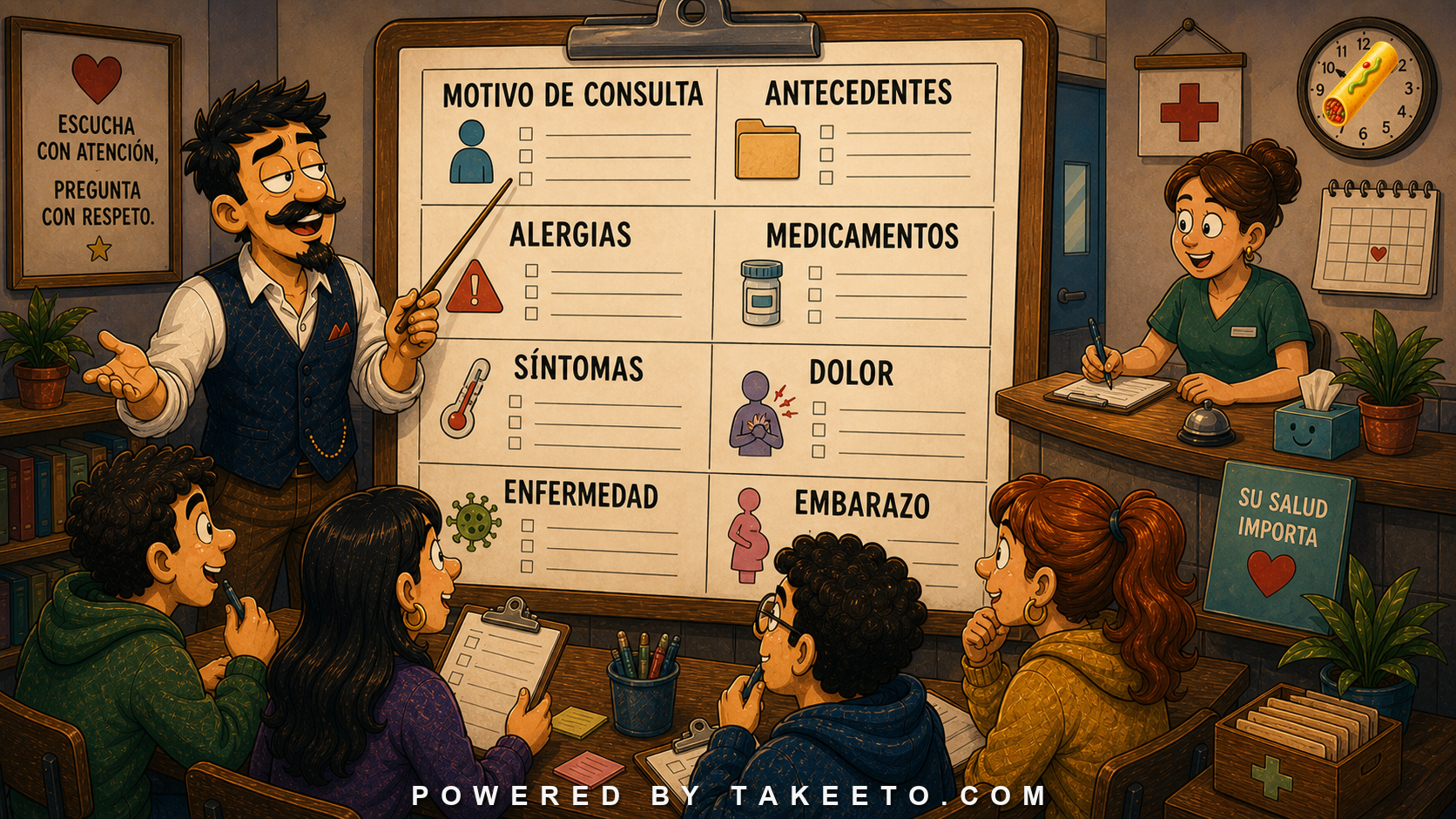
The reader can understand common intake fields and patient-history language.
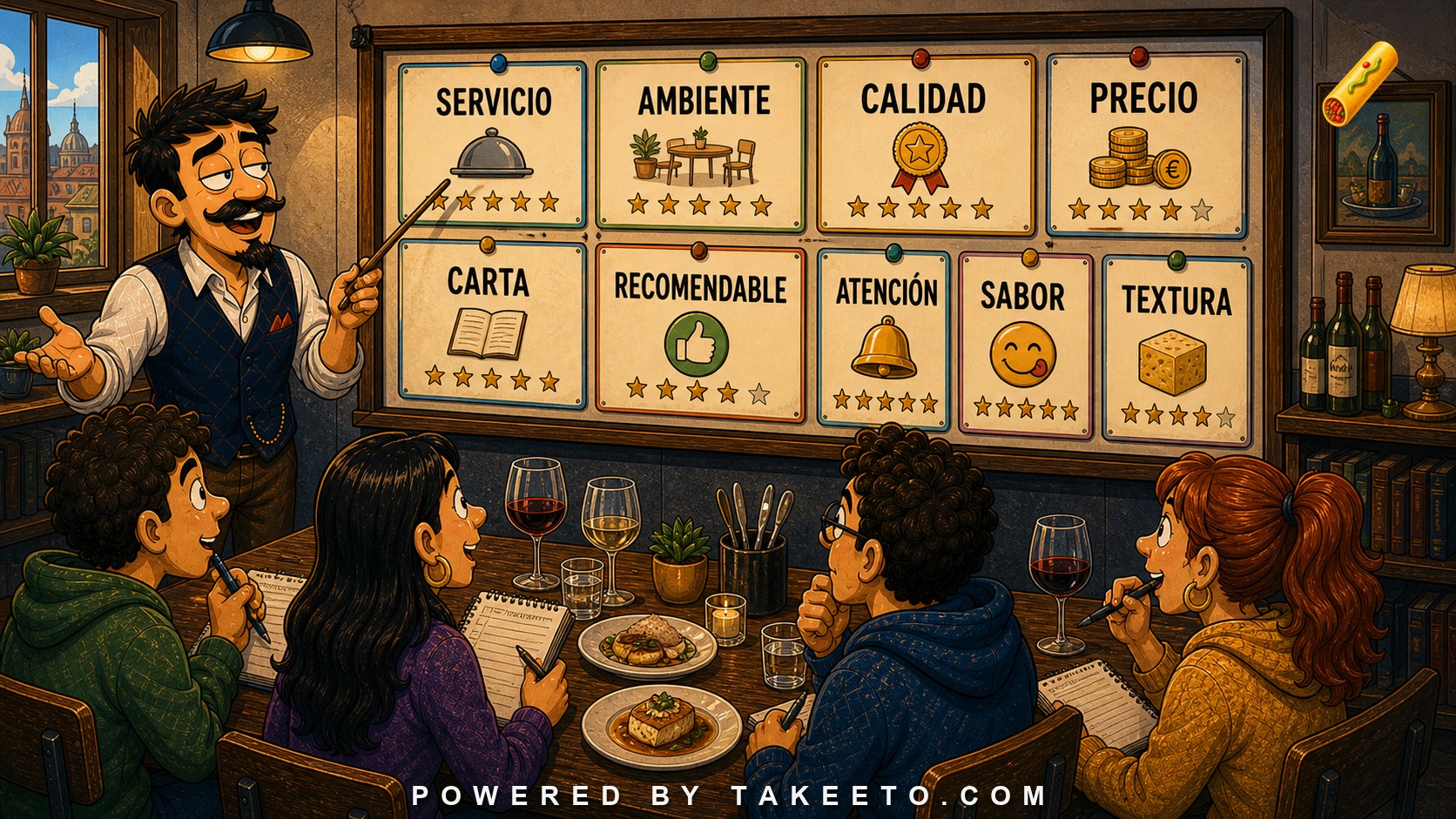
The reader can distinguish restaurant recommendation, complaint, platform review, and professional criticism in Spanish.

The reader can identify source attribution, documentary evidence, and evidential distance.
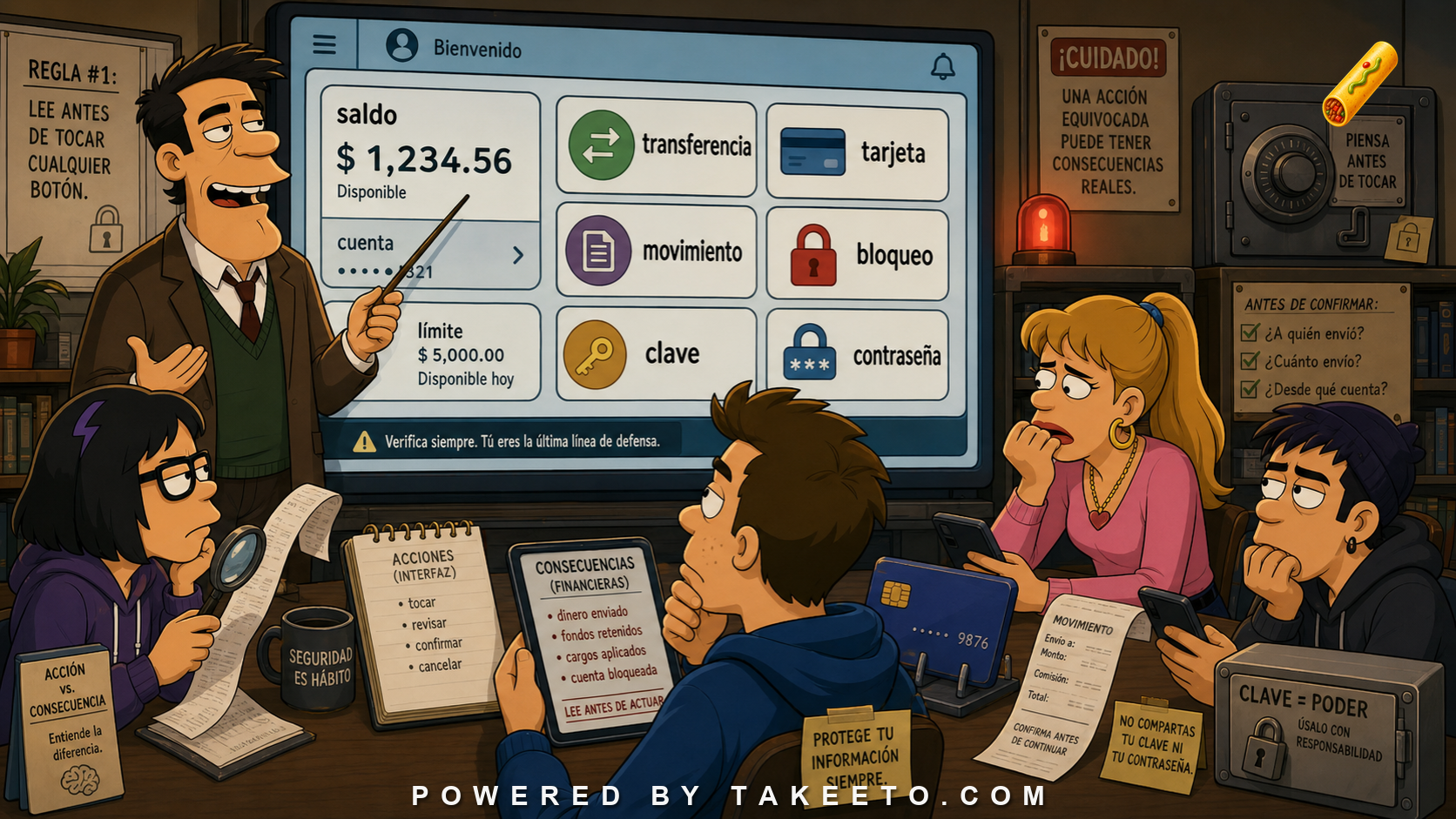
The reader can read banking app Spanish safely and distinguish interface actions from financial consequences.
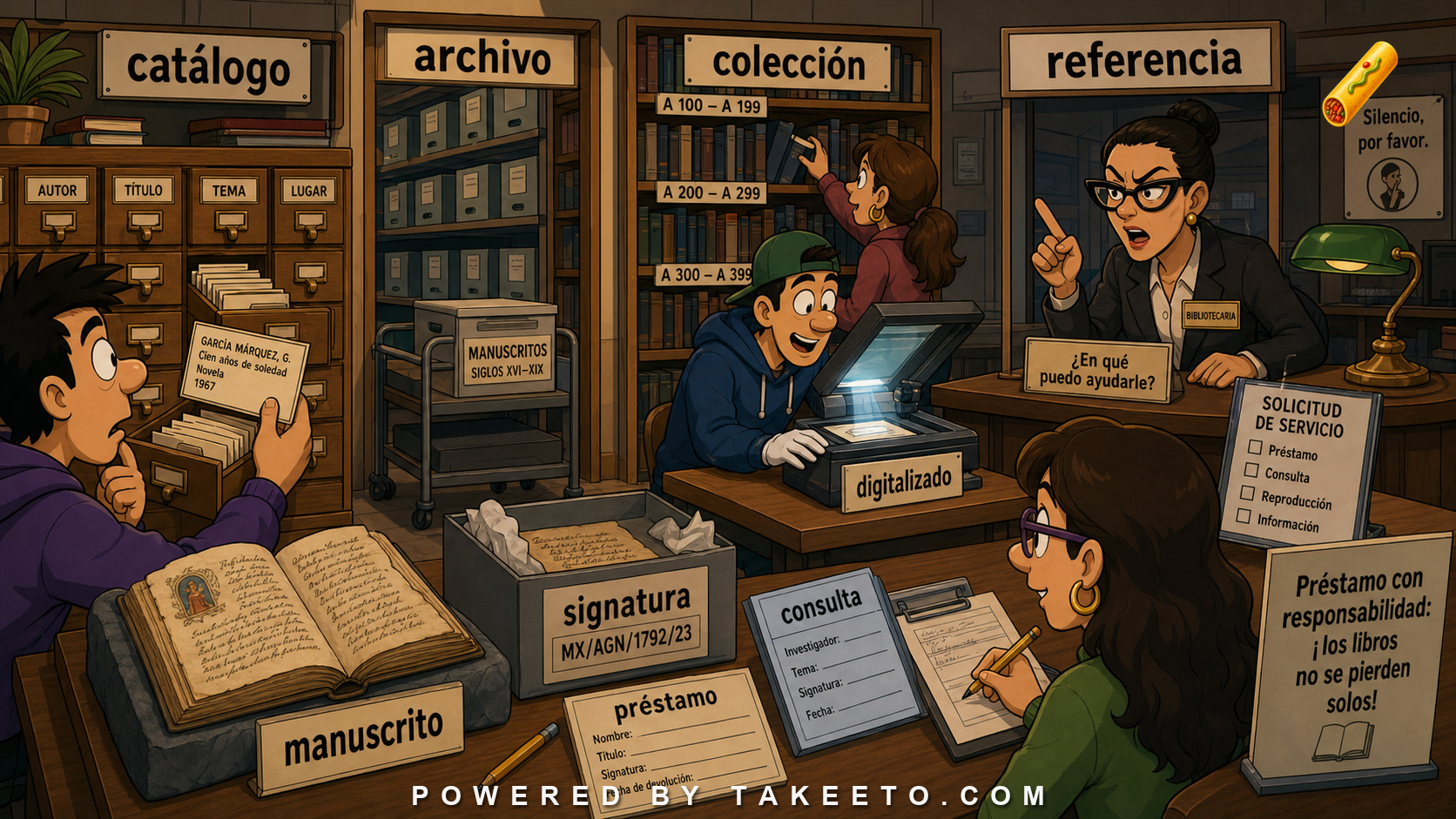
The reader can navigate catalogs, archives, and research requests in Spanish.
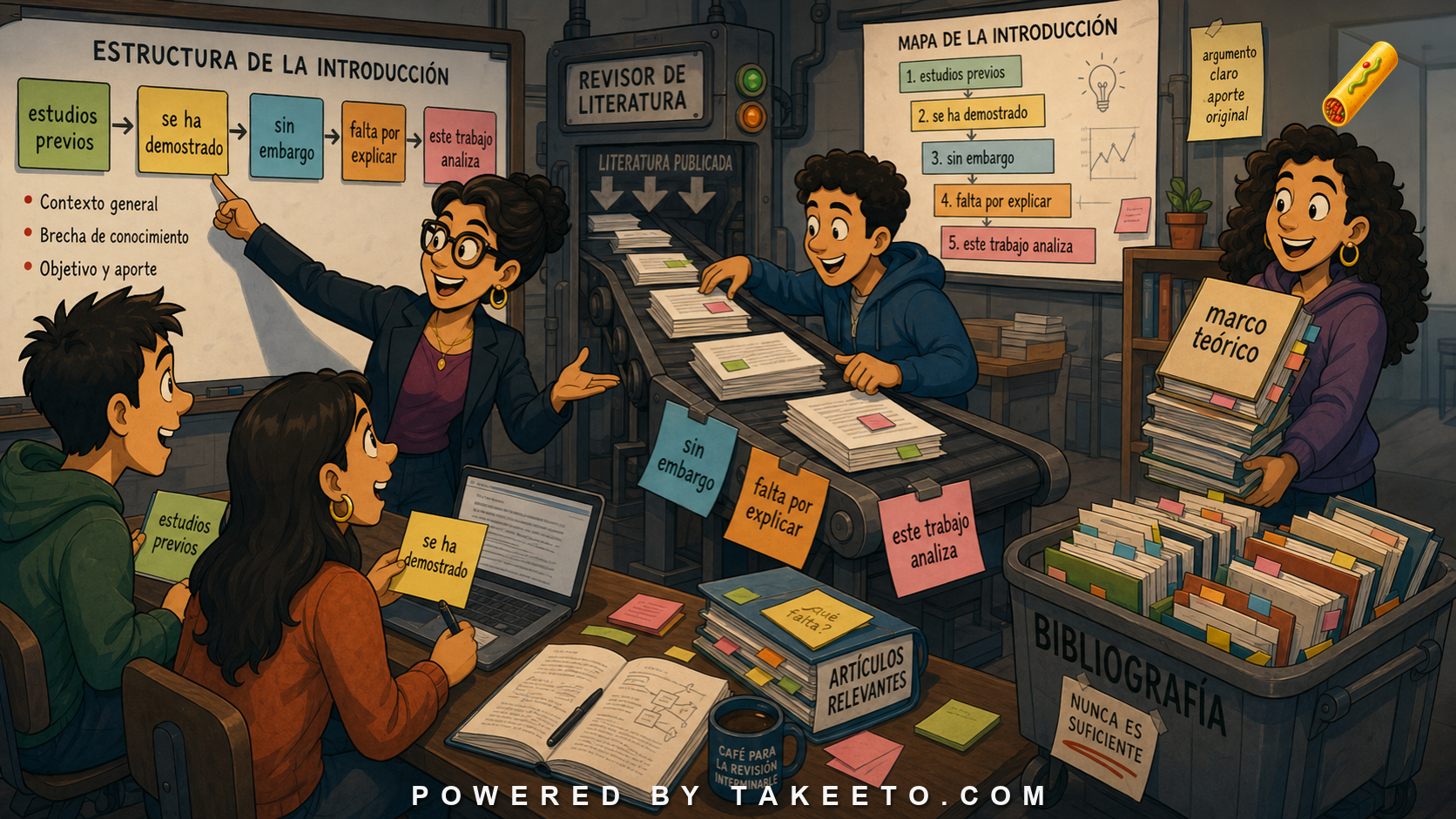
The reader can follow how Spanish academic articles establish a problem and prior research.
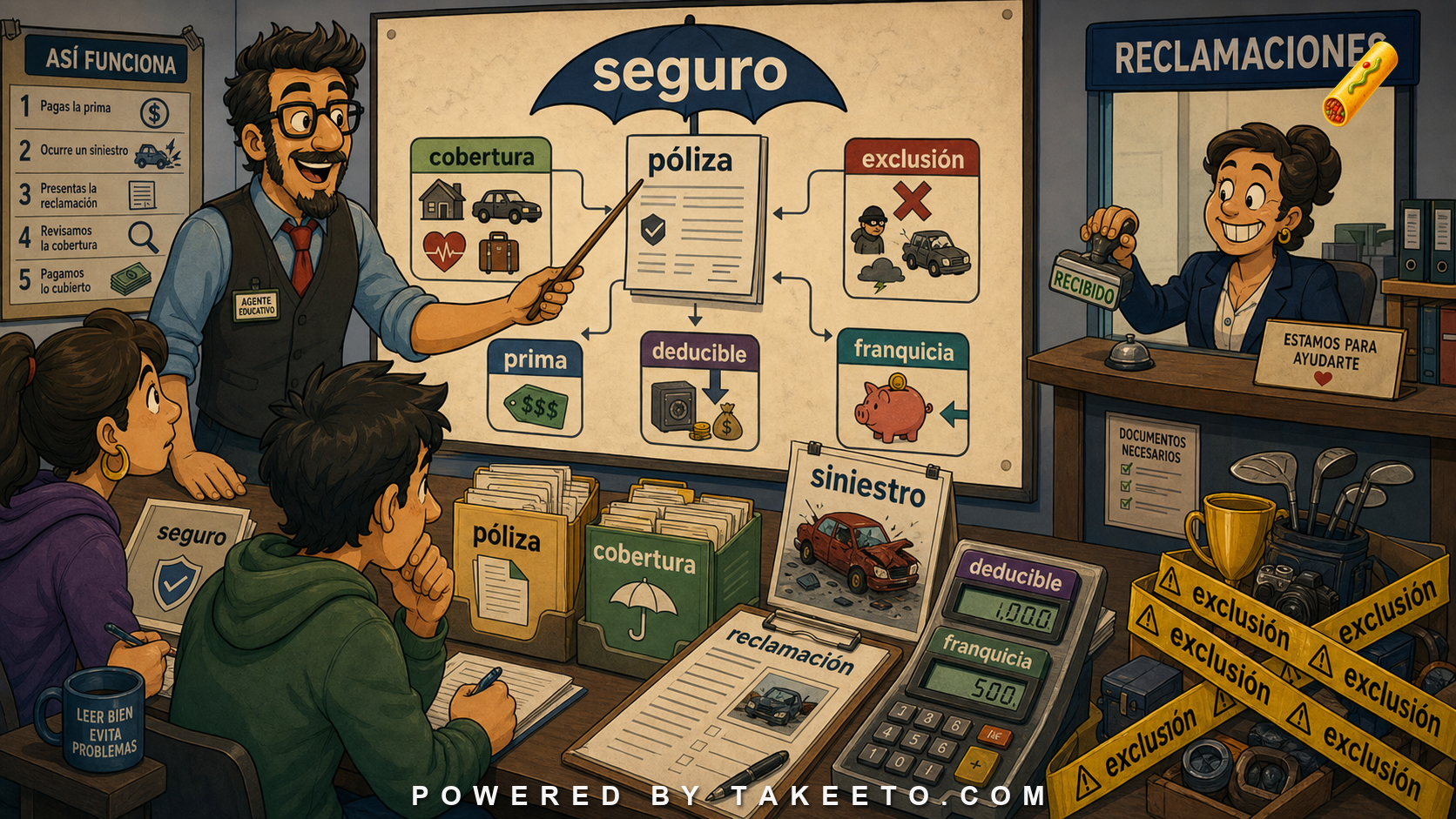
The reader can parse core insurance vocabulary in Spanish policies and claims.
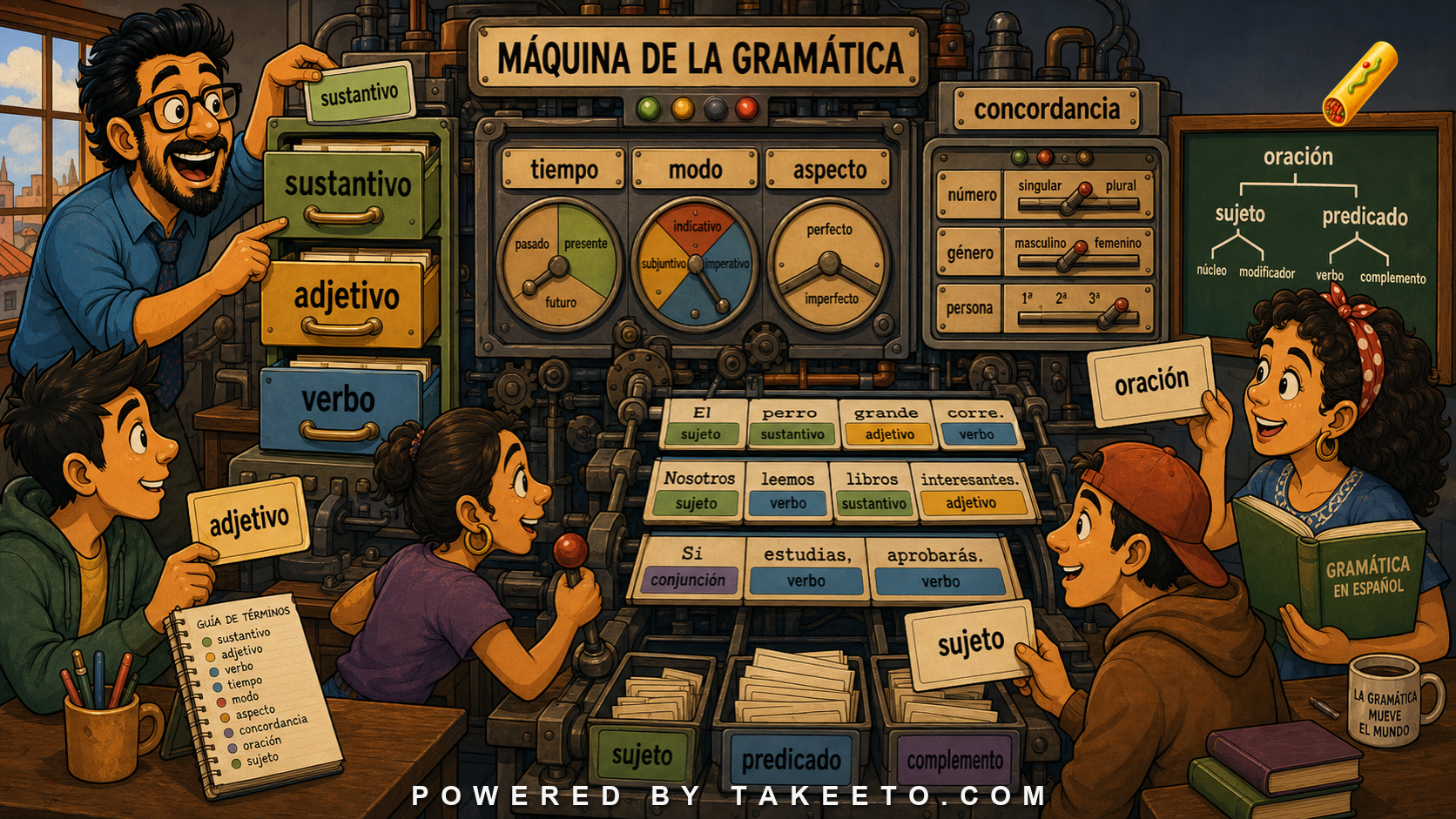
The reader can read Spanish grammar explanations written in Spanish by recognizing key terminology for parts of speech, verbs, agreement, and clauses.
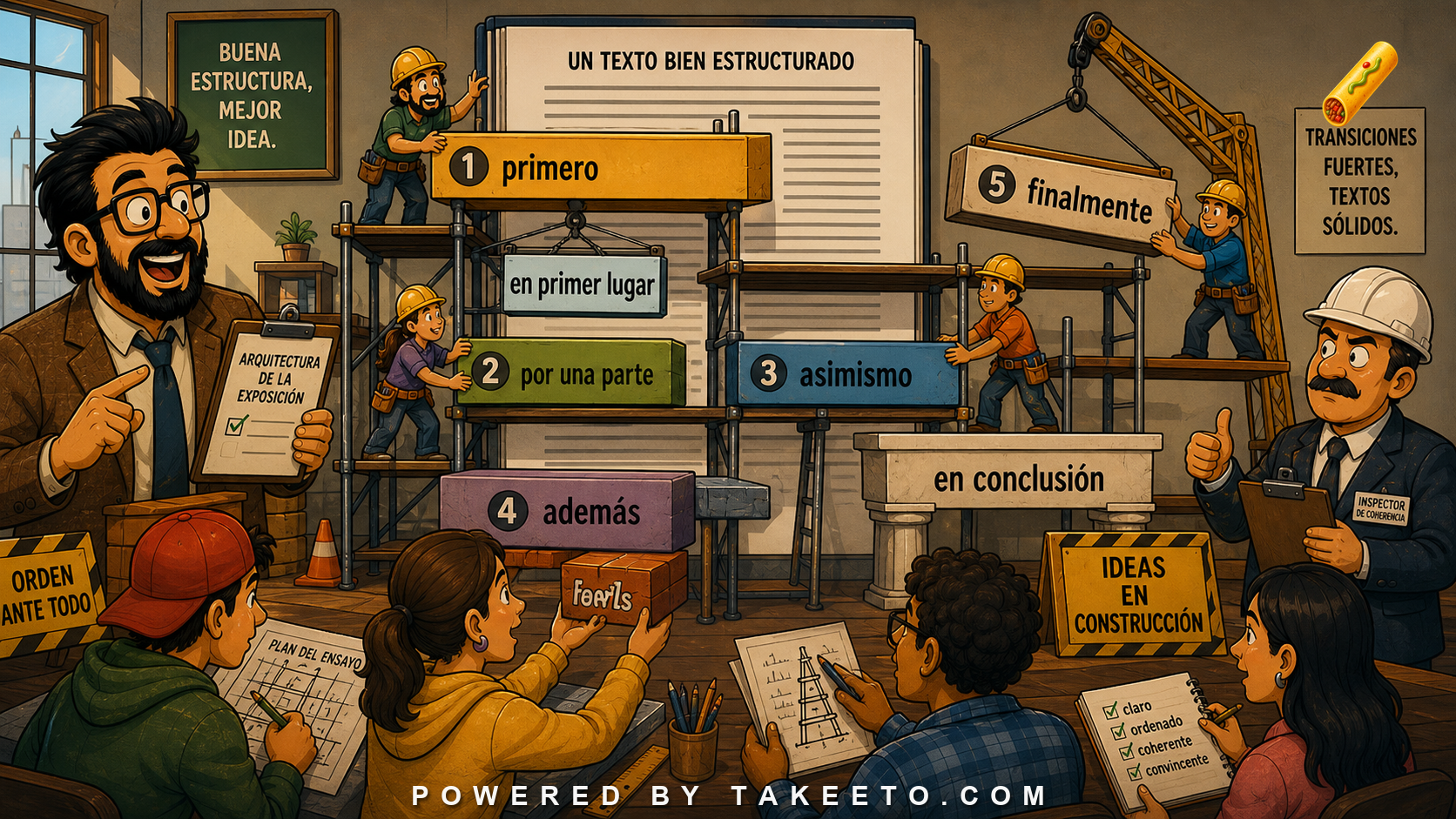
The reader can follow and produce structured Spanish exposition.
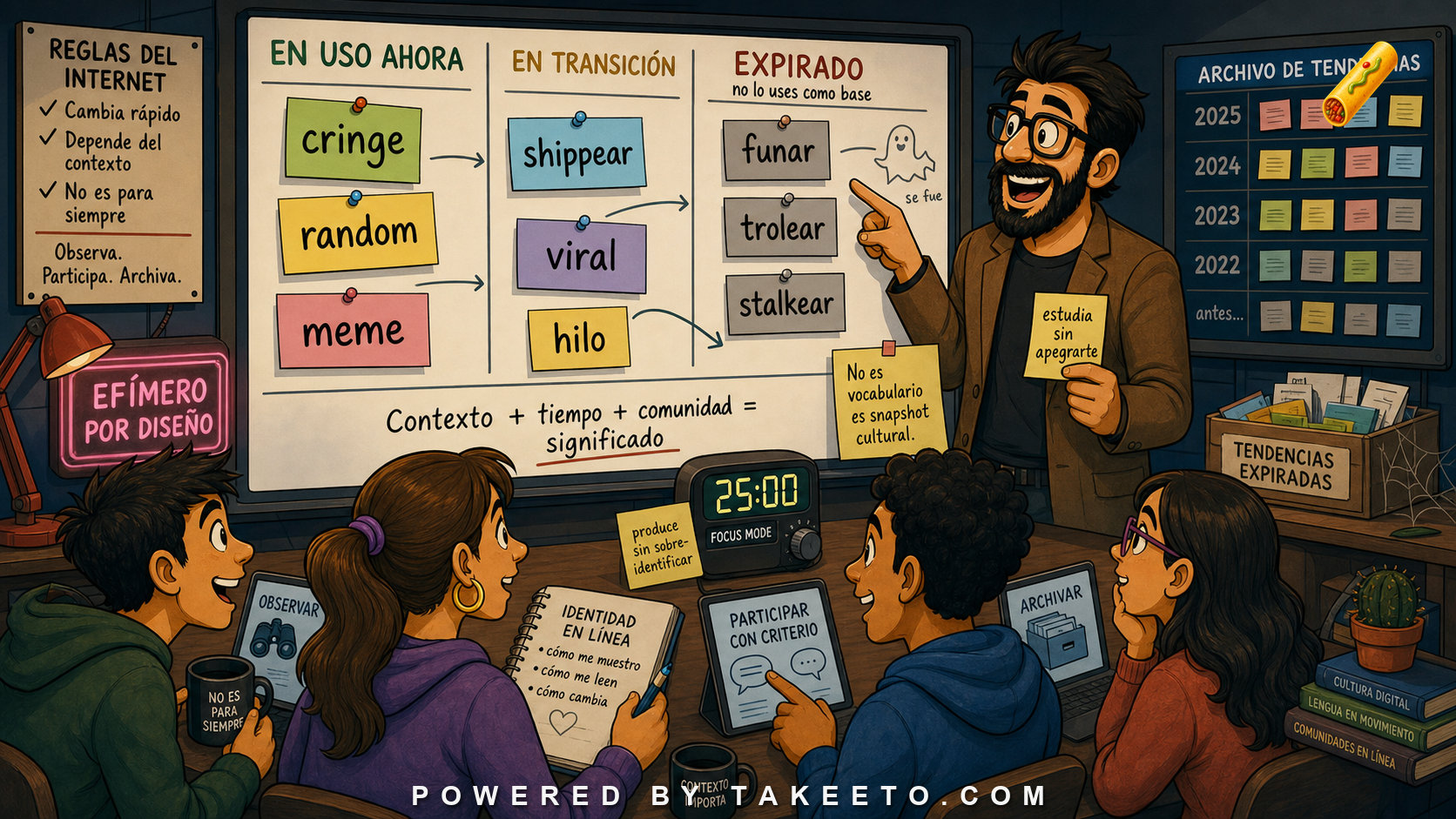
The reader can study slang without treating it as stable core vocabulary.
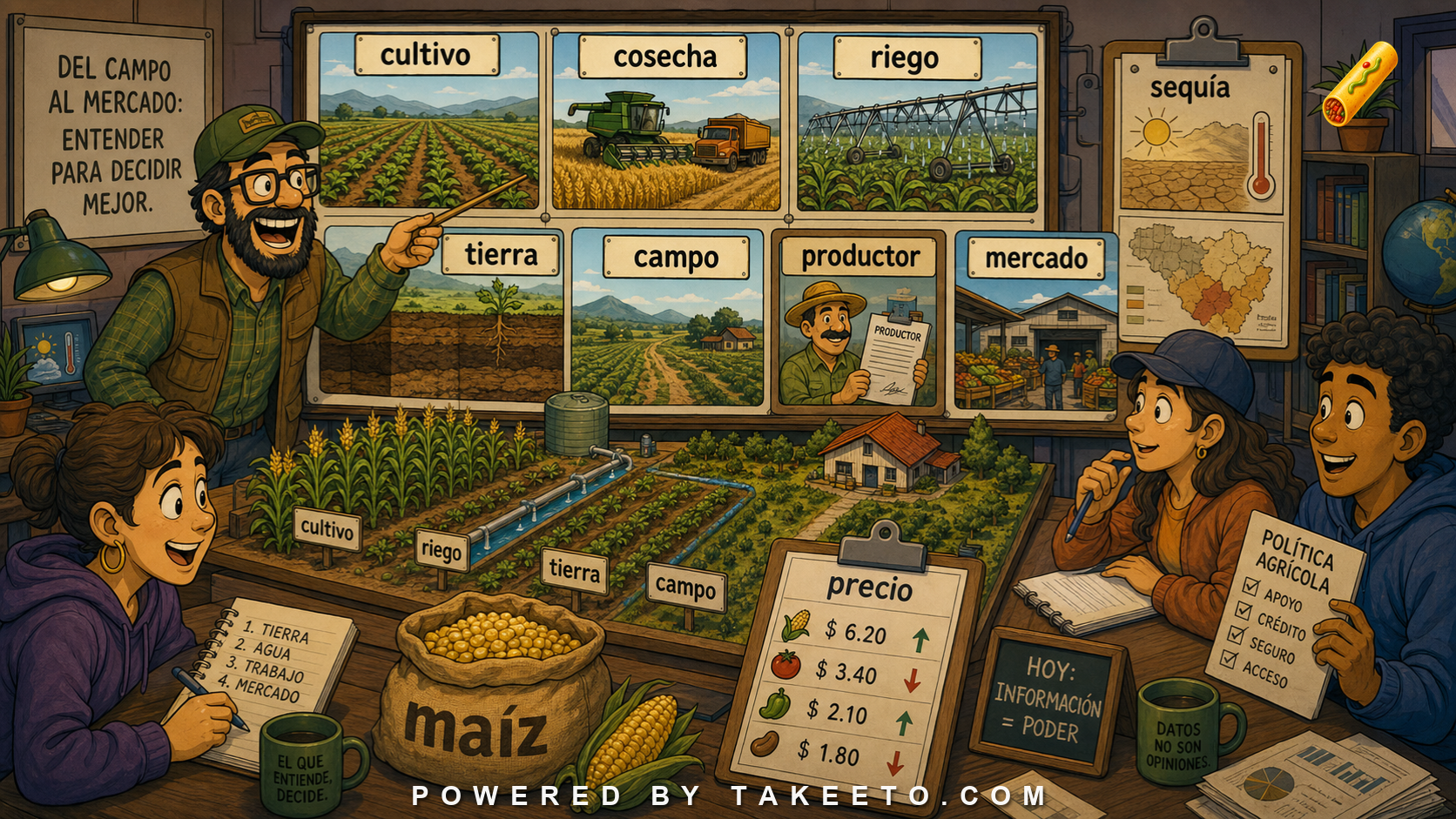
The reader can parse agriculture-related Spanish in news, policy, and trade.
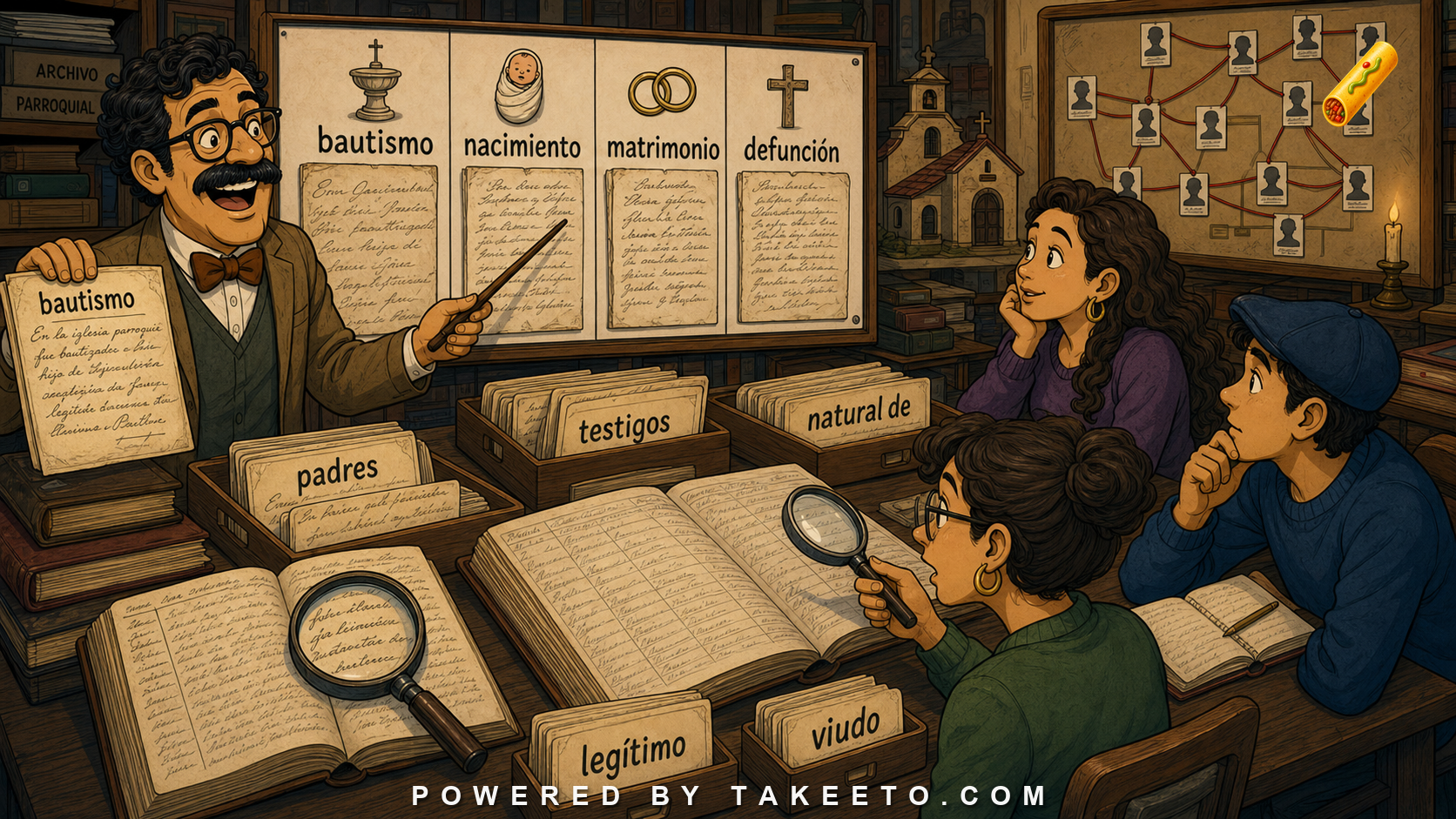
The reader can identify common terms in Spanish genealogical records.
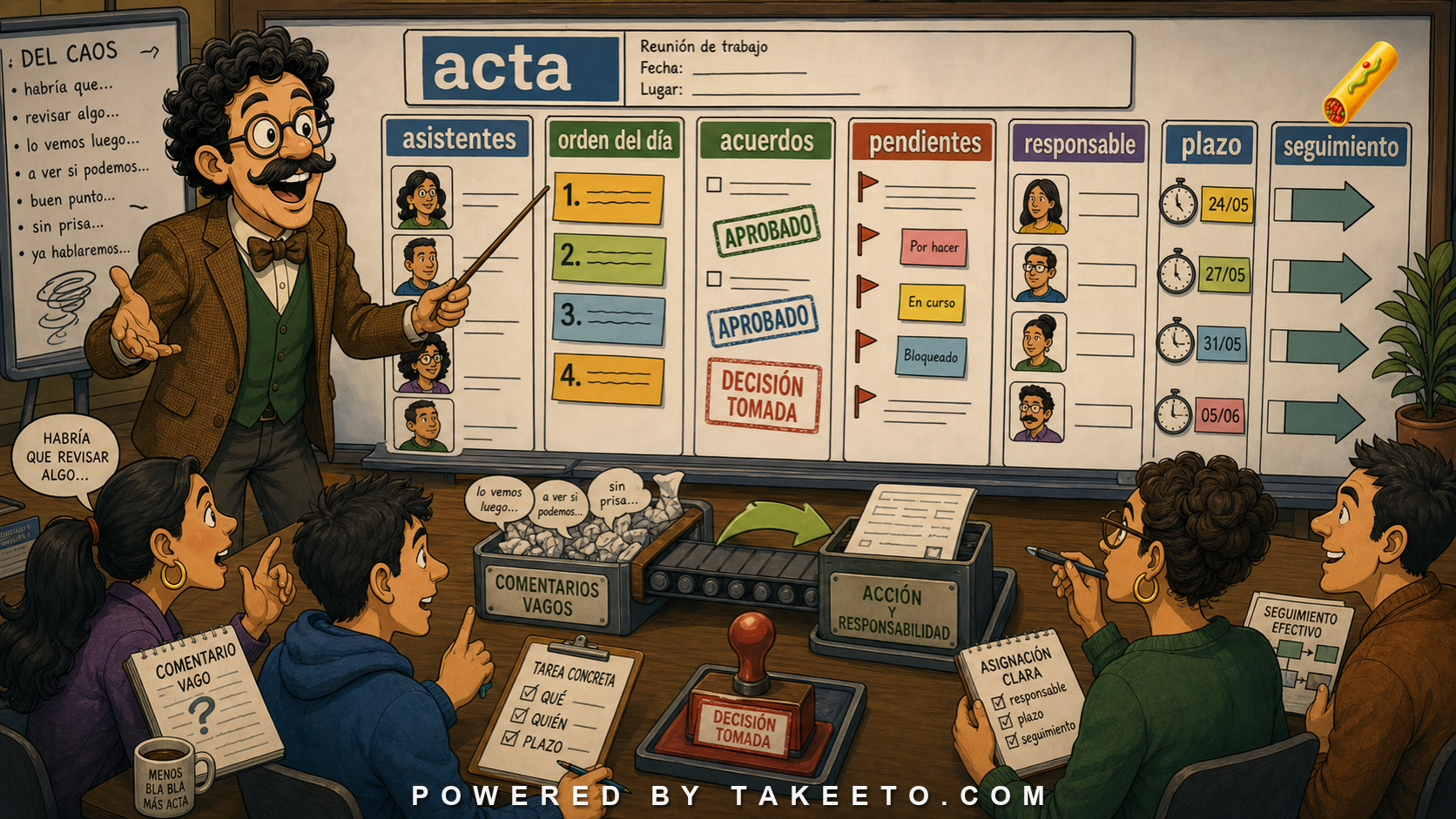
The reader can write and read actas and meeting summaries.
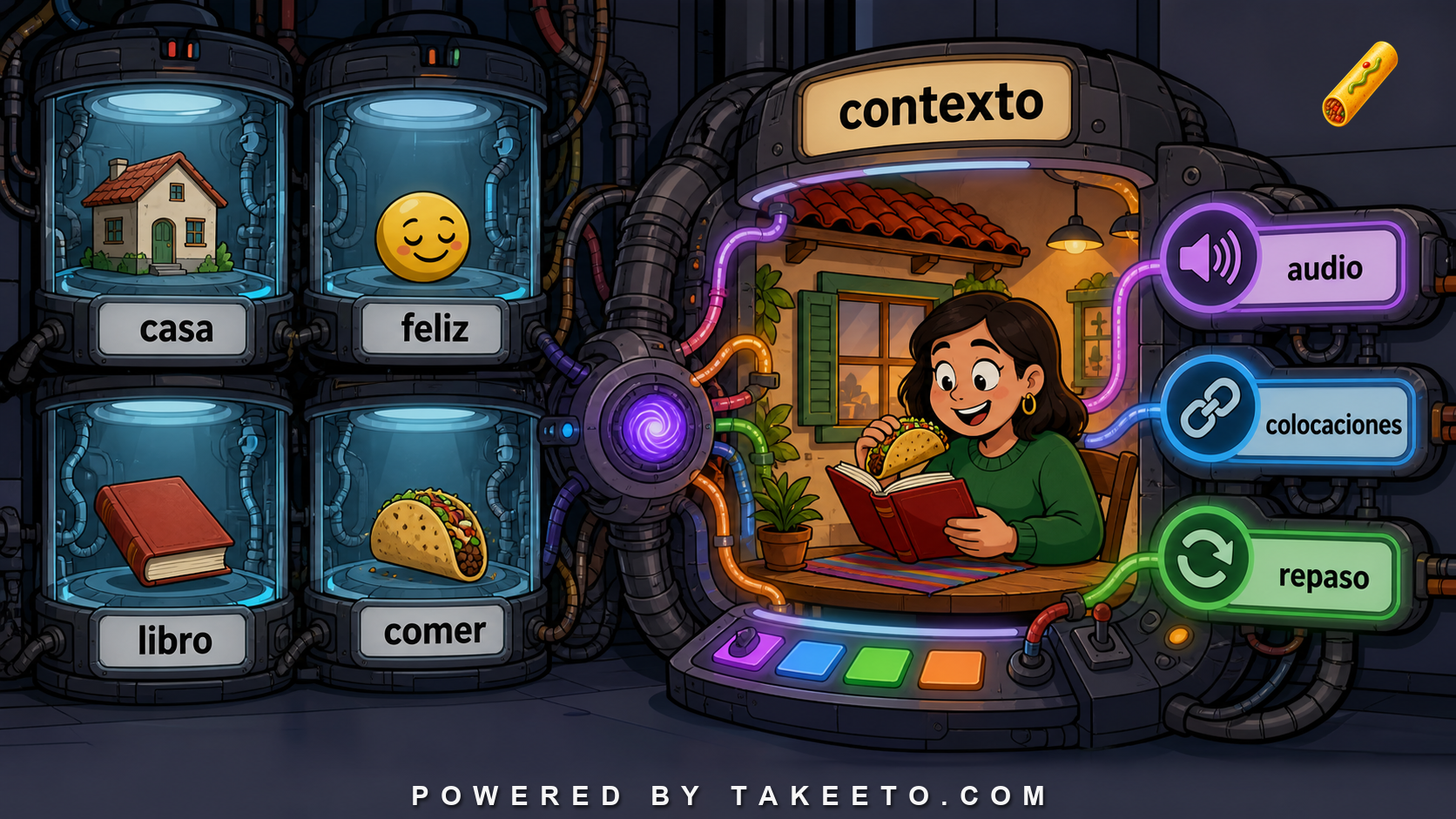
The reader understands why Spanish vocabulary should be reviewed with context, grammar, audio, collocation, and retrieval rather than isolated word-to-translation pairs alone.
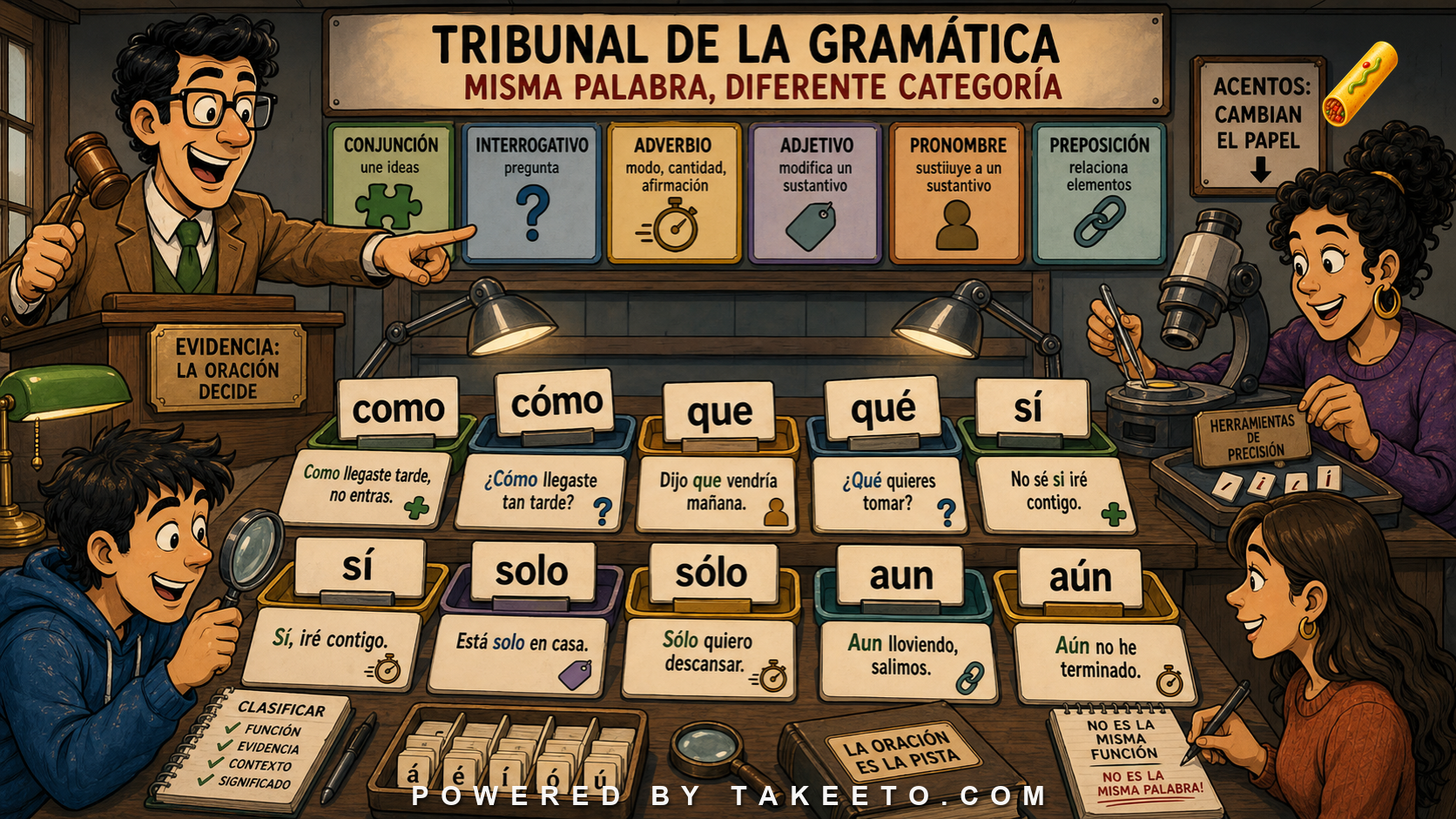
The reader can classify high-frequency forms by syntactic role rather than spelling alone.
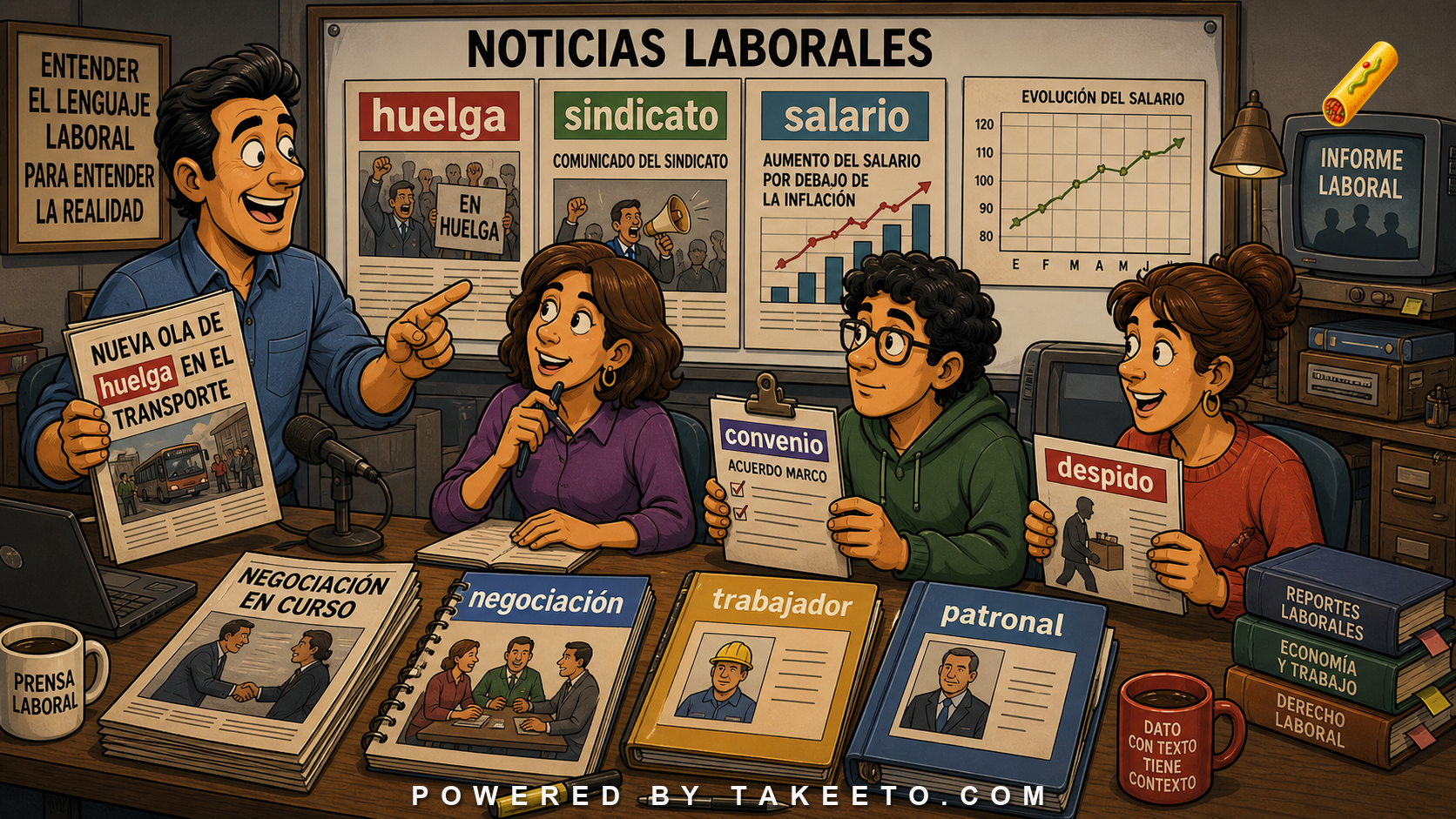
The reader can understand labor reporting and union statements.
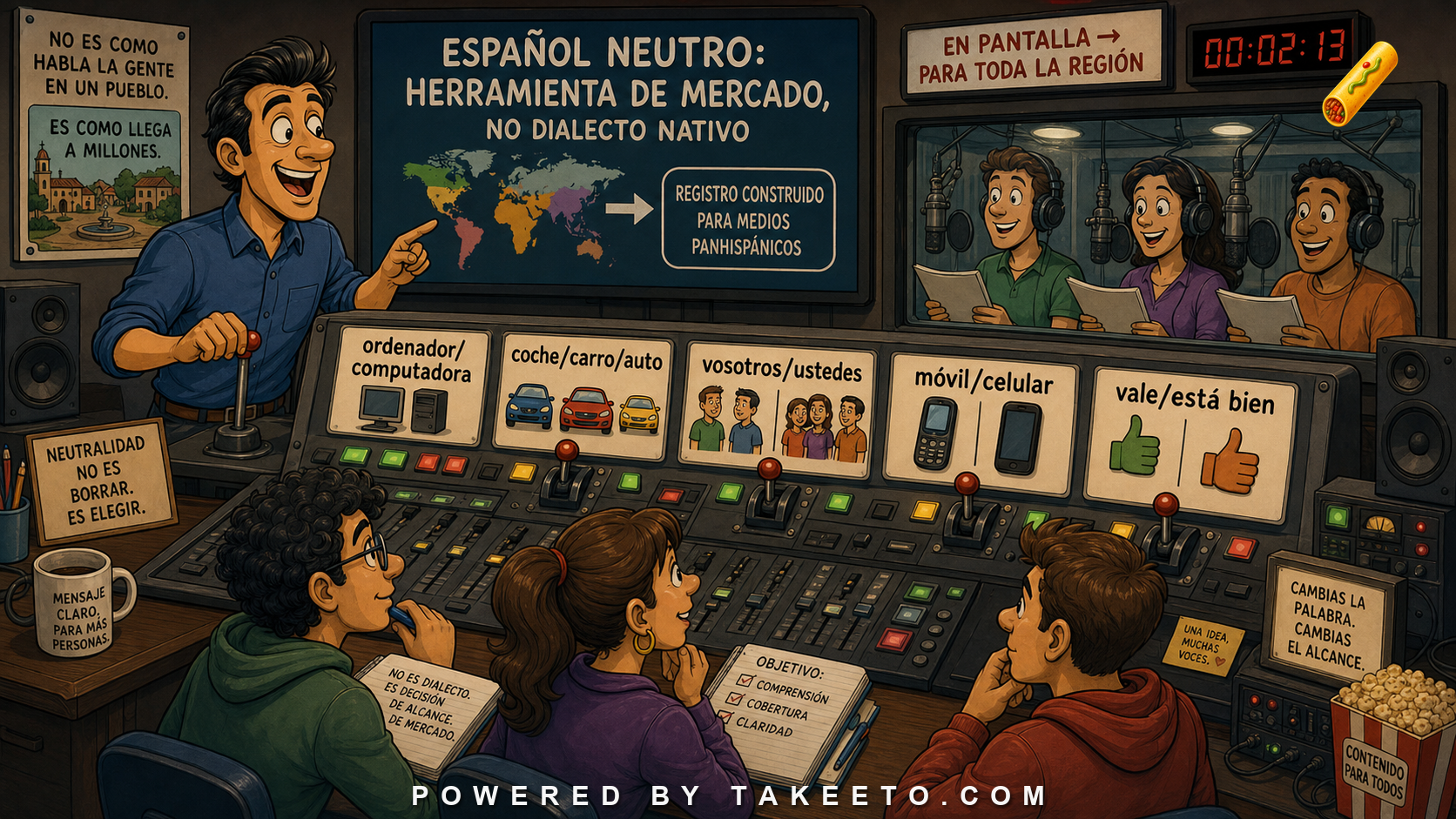
The reader understands neutral Spanish as a constructed media register.
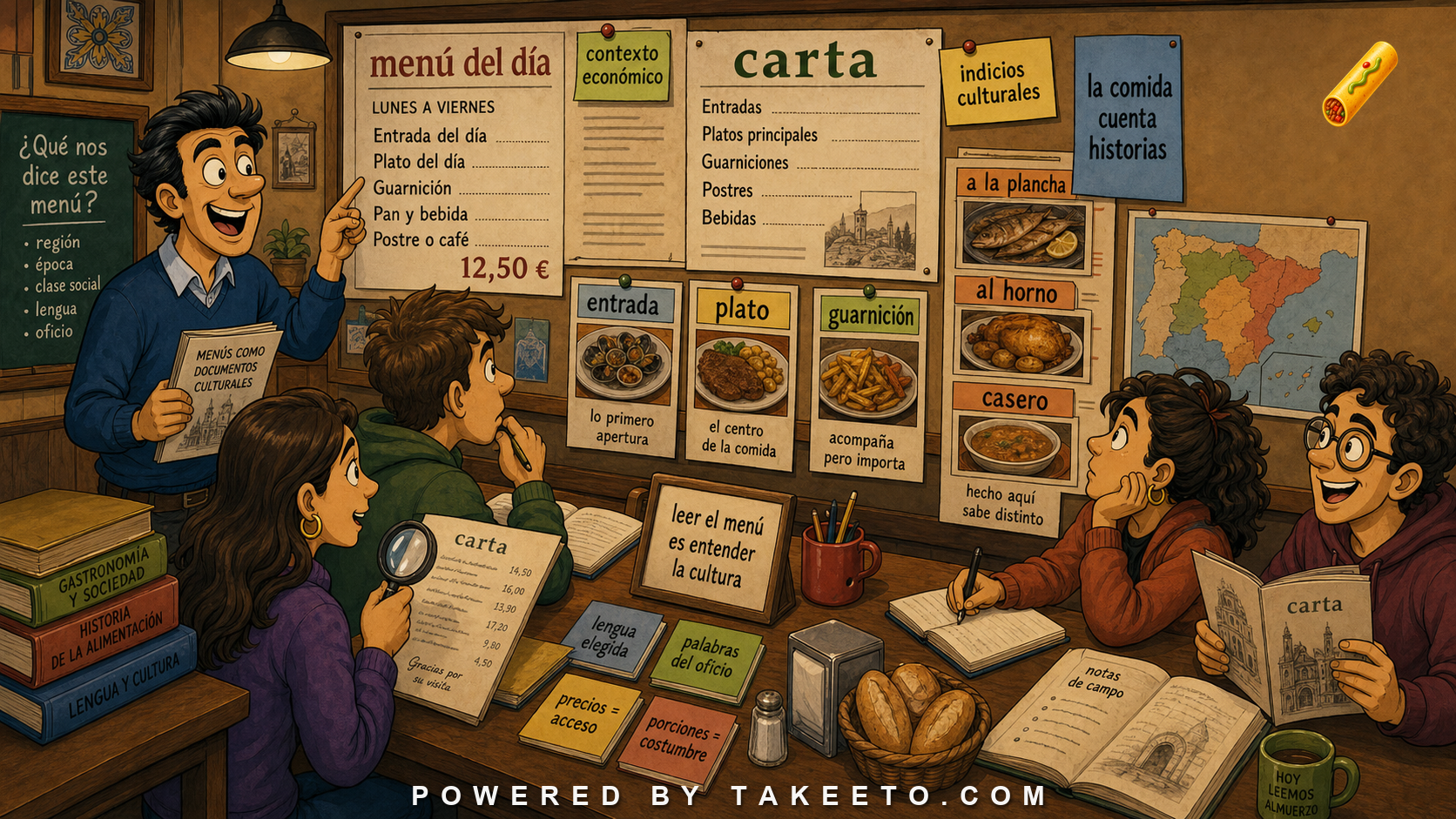
The reader can read menus as regional, economic, and linguistic artifacts, not just food lists.
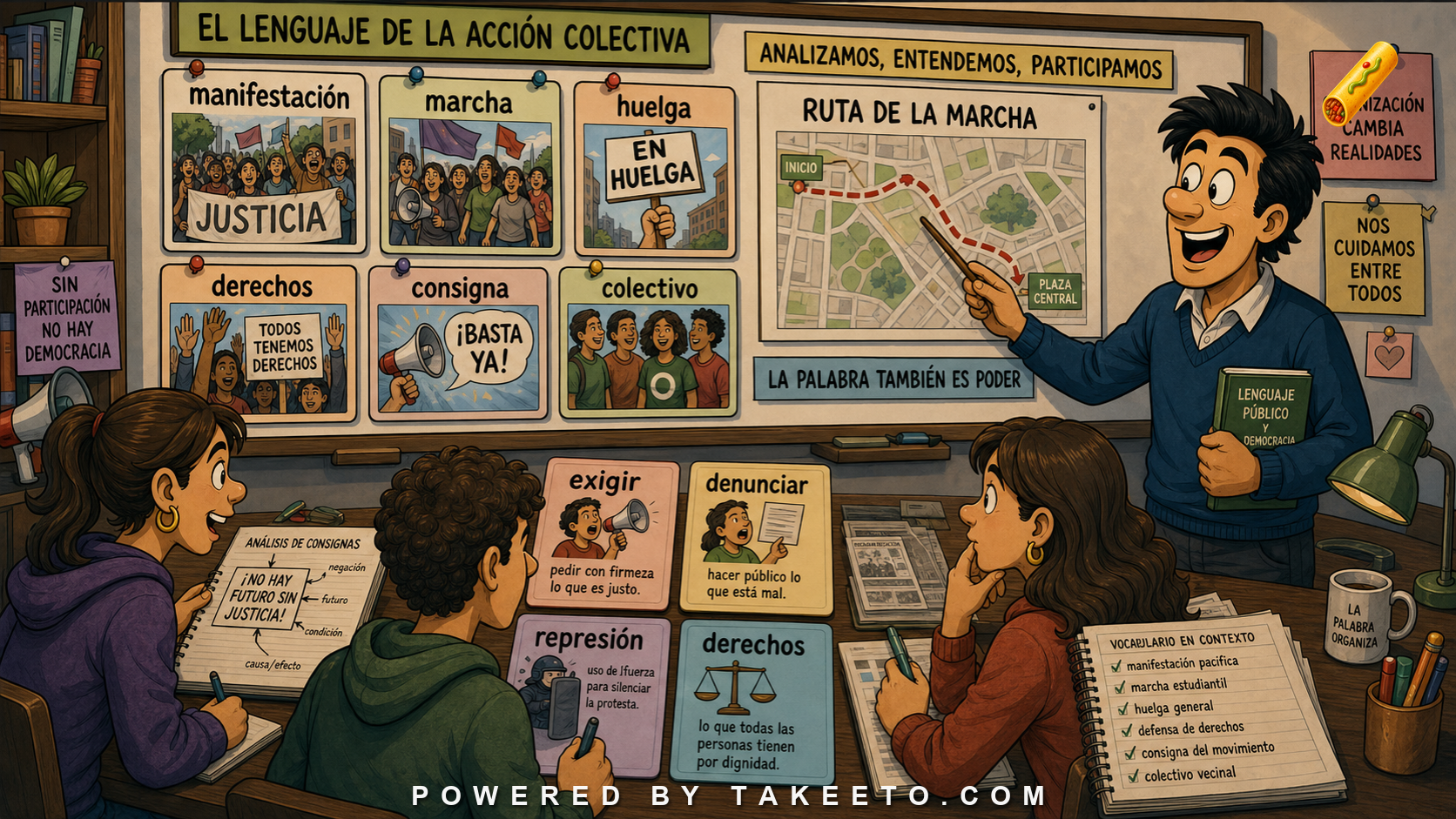
The reader can understand demonstration, activism, and rights language.
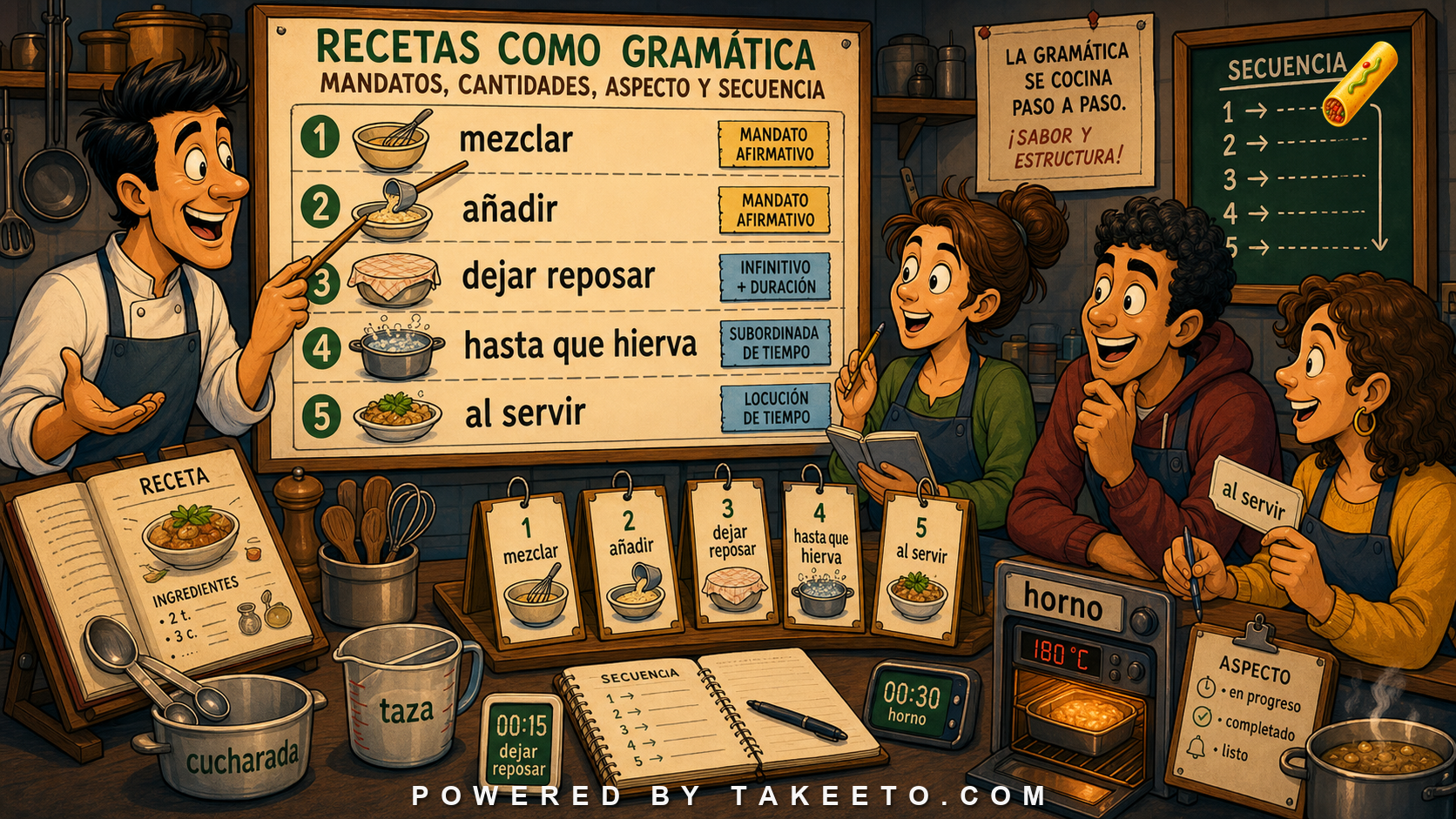
The reader can use recipes to study imperative, infinitive, and sequence structures.
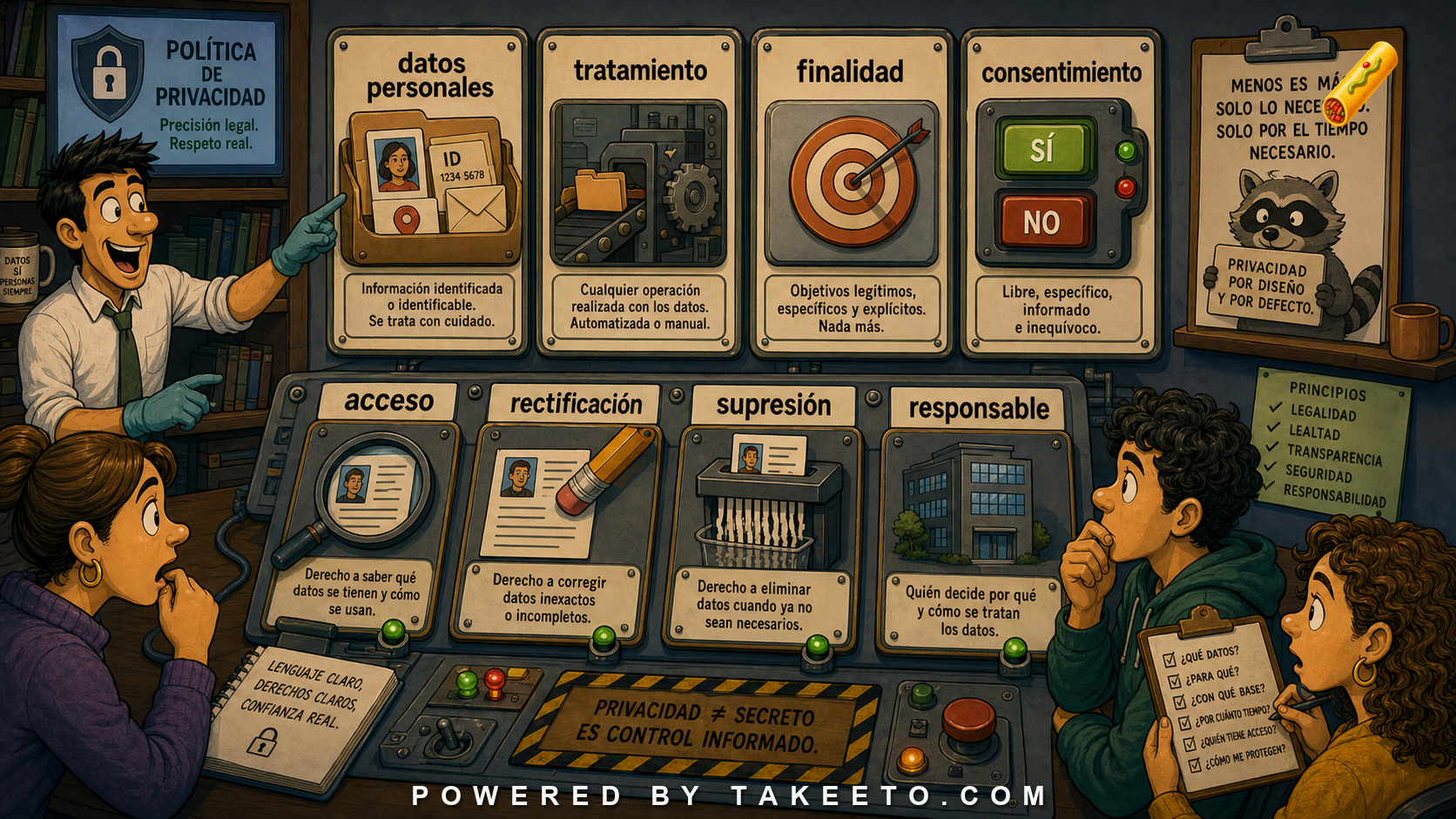
The reader can recognize core privacy and data-protection vocabulary.
The reader can interpret signs as compressed institutional speech, not as incomplete textbook sentences.
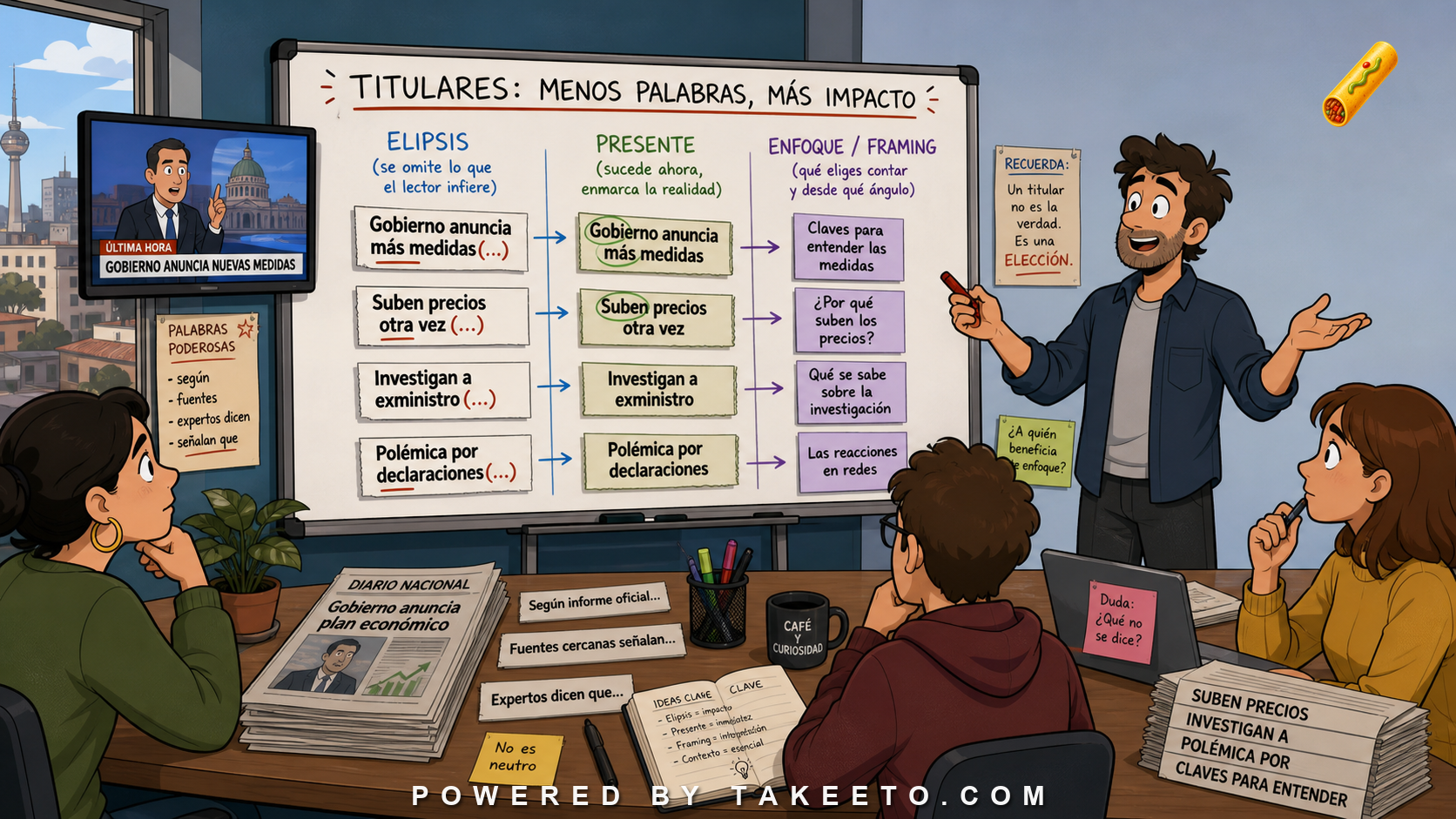
The reader can unpack Spanish headlines into full propositions and identify stance.
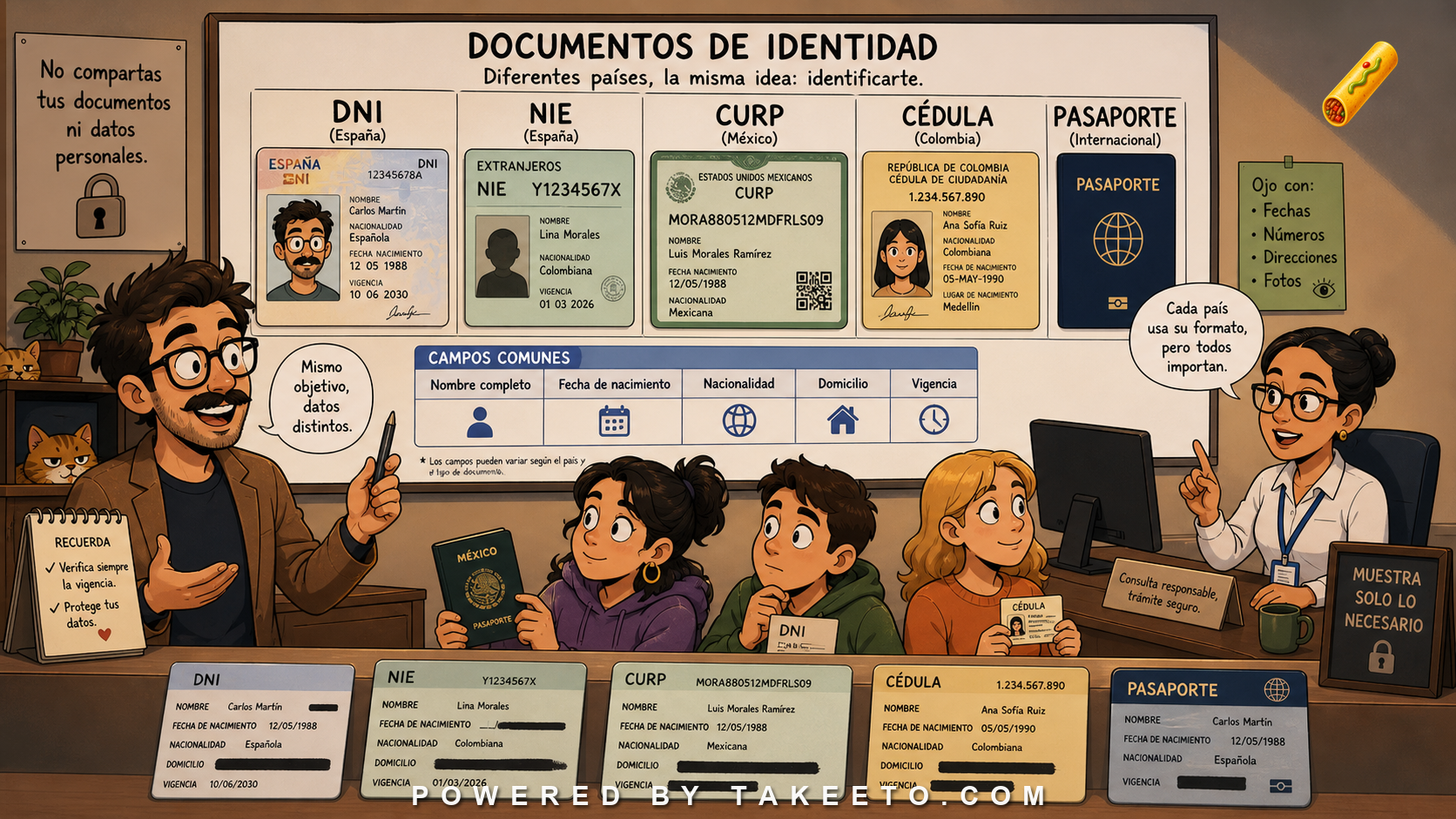
The reader can recognize identity-document vocabulary across countries and understand common fields with privacy caution.
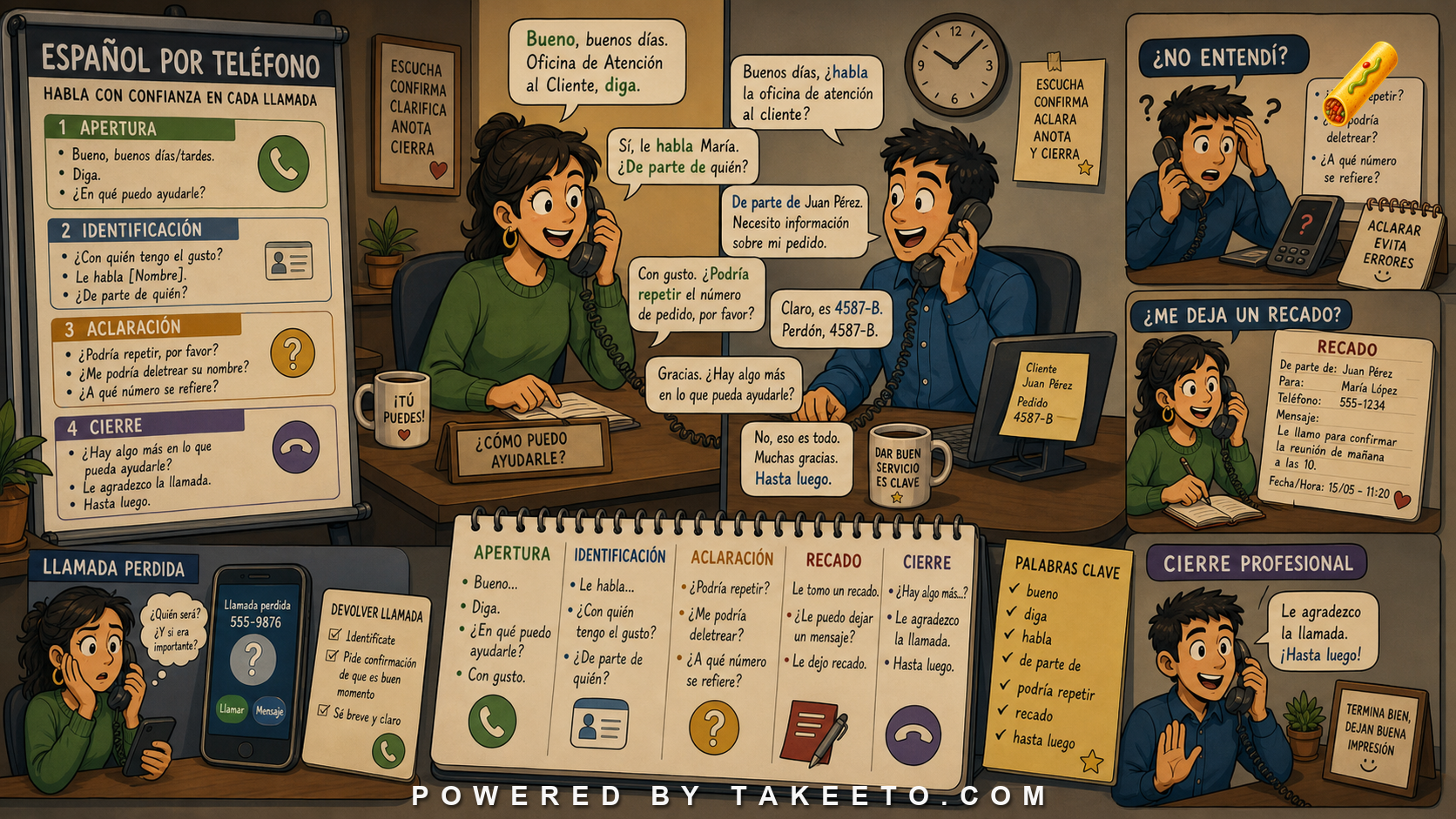
The reader can handle phone interactions with scripted confidence.
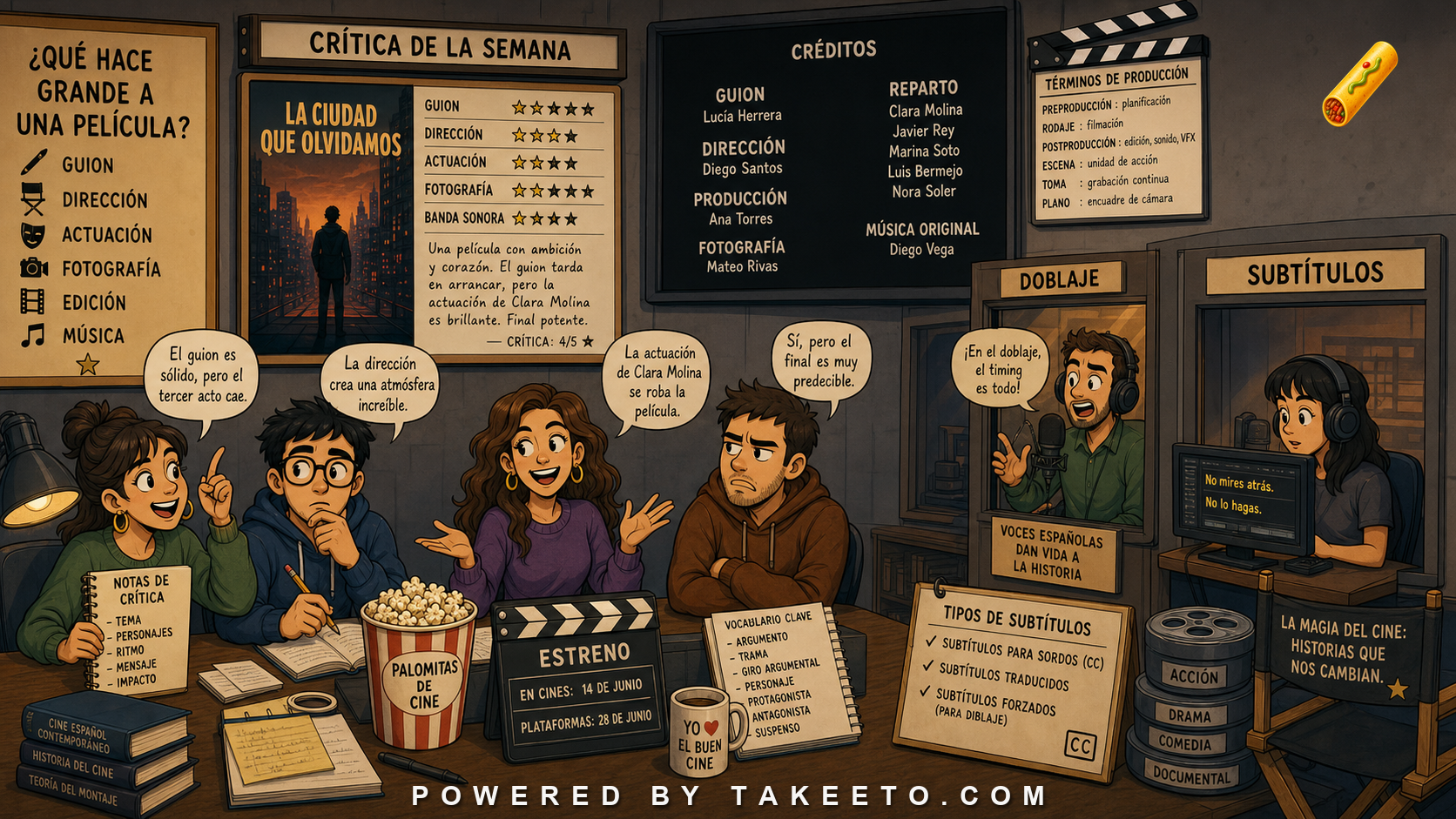
The reader can read reviews, credits, and production descriptions.
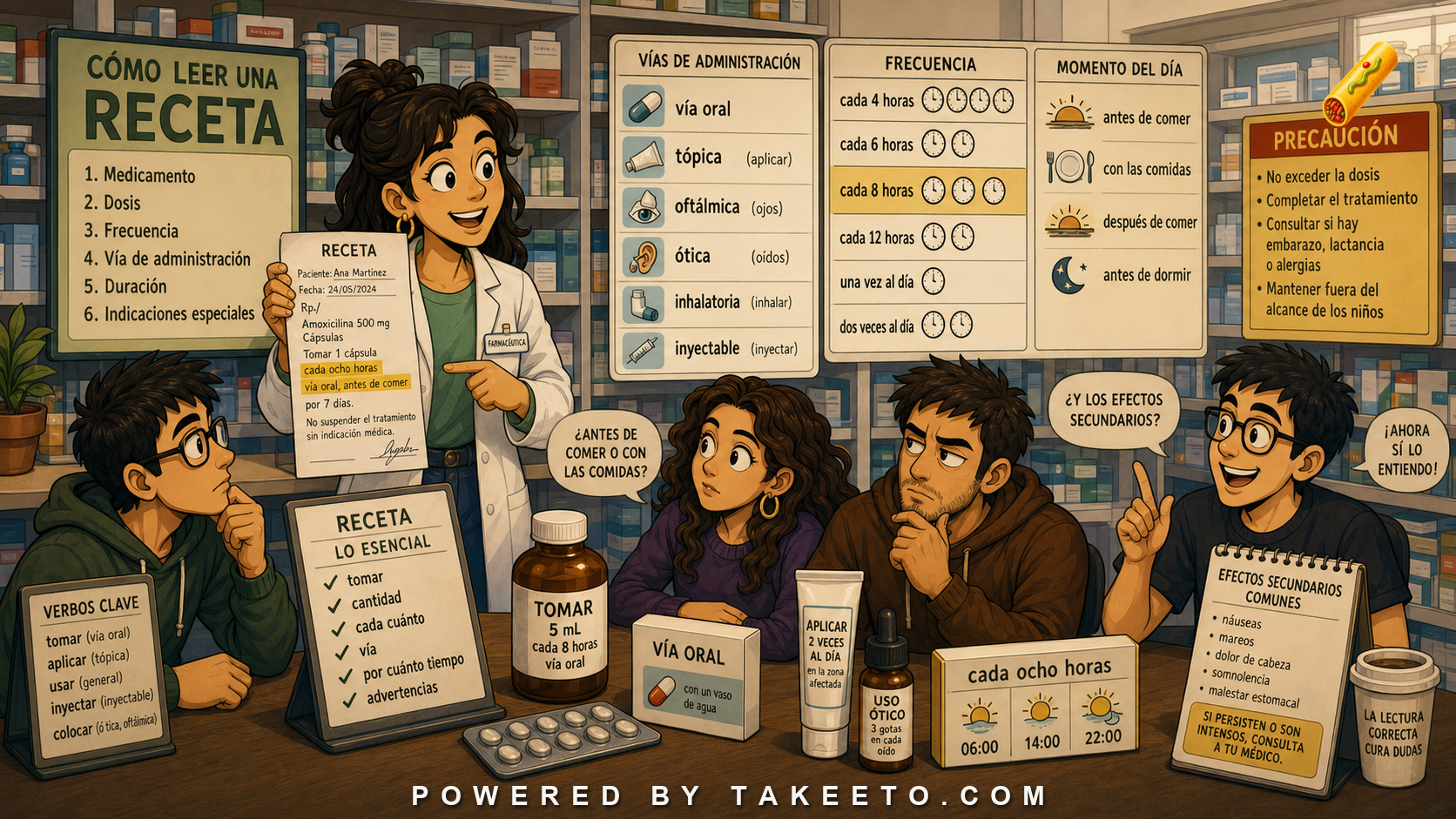
The reader can read dosage, frequency, route, warnings, and duration in Spanish medication texts.
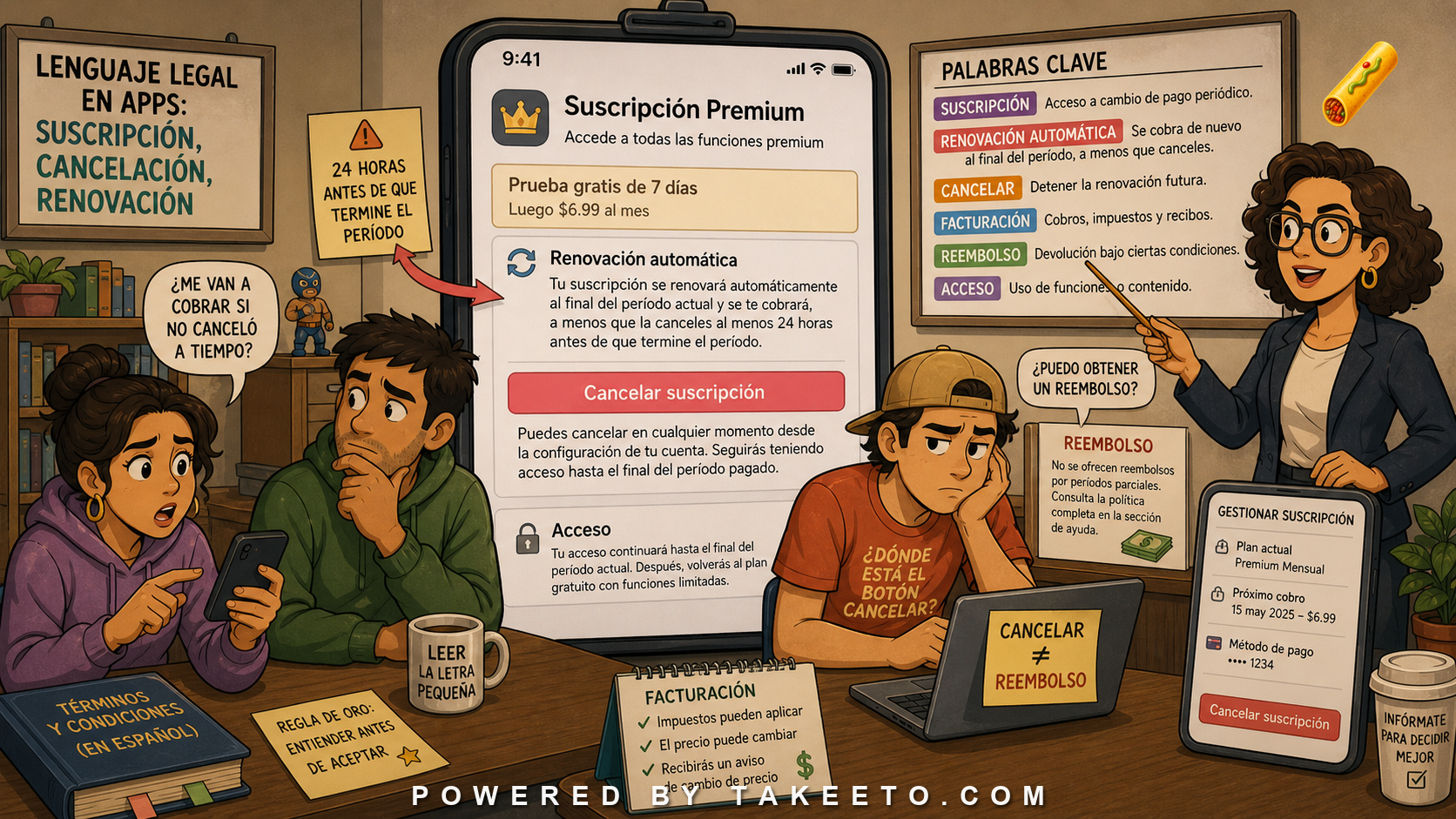
The reader can understand Spanish subscription notices, renewal language, cancellation conditions, billing terms, and user obligations.
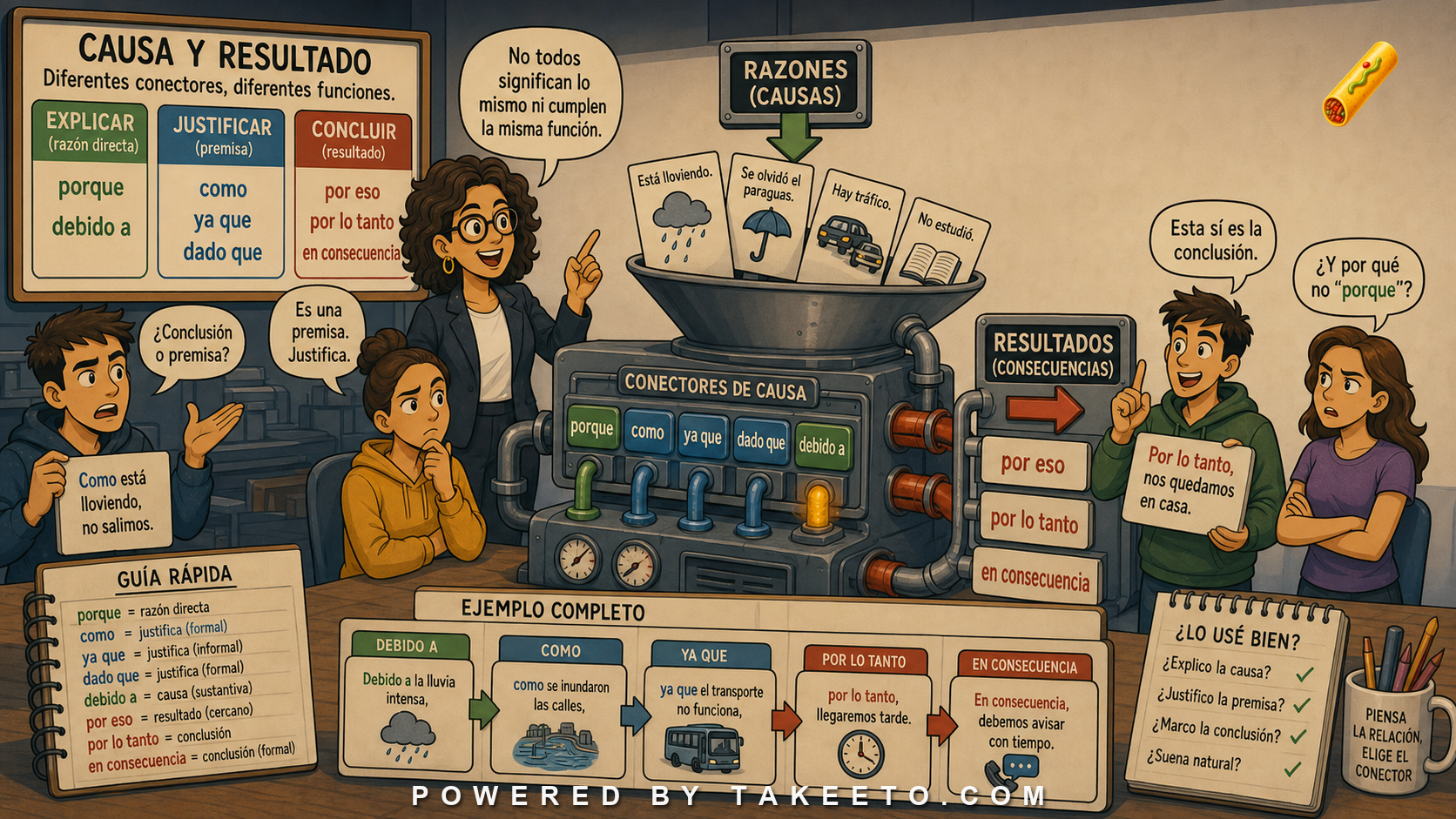
The reader can distinguish causal explanation, premise, and conclusion in Spanish.
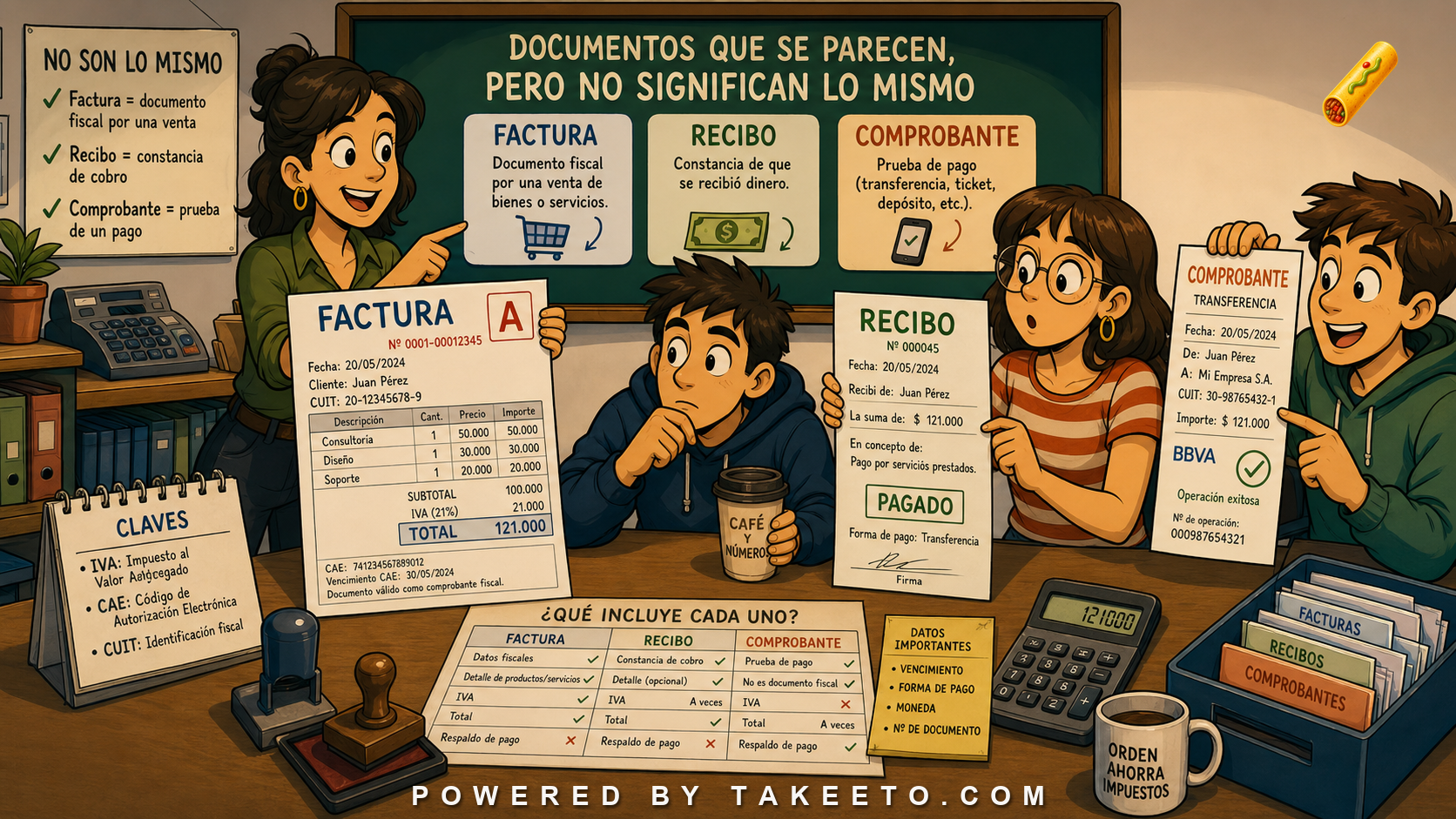
The reader can distinguish invoice, receipt, proof of payment, and tax document.
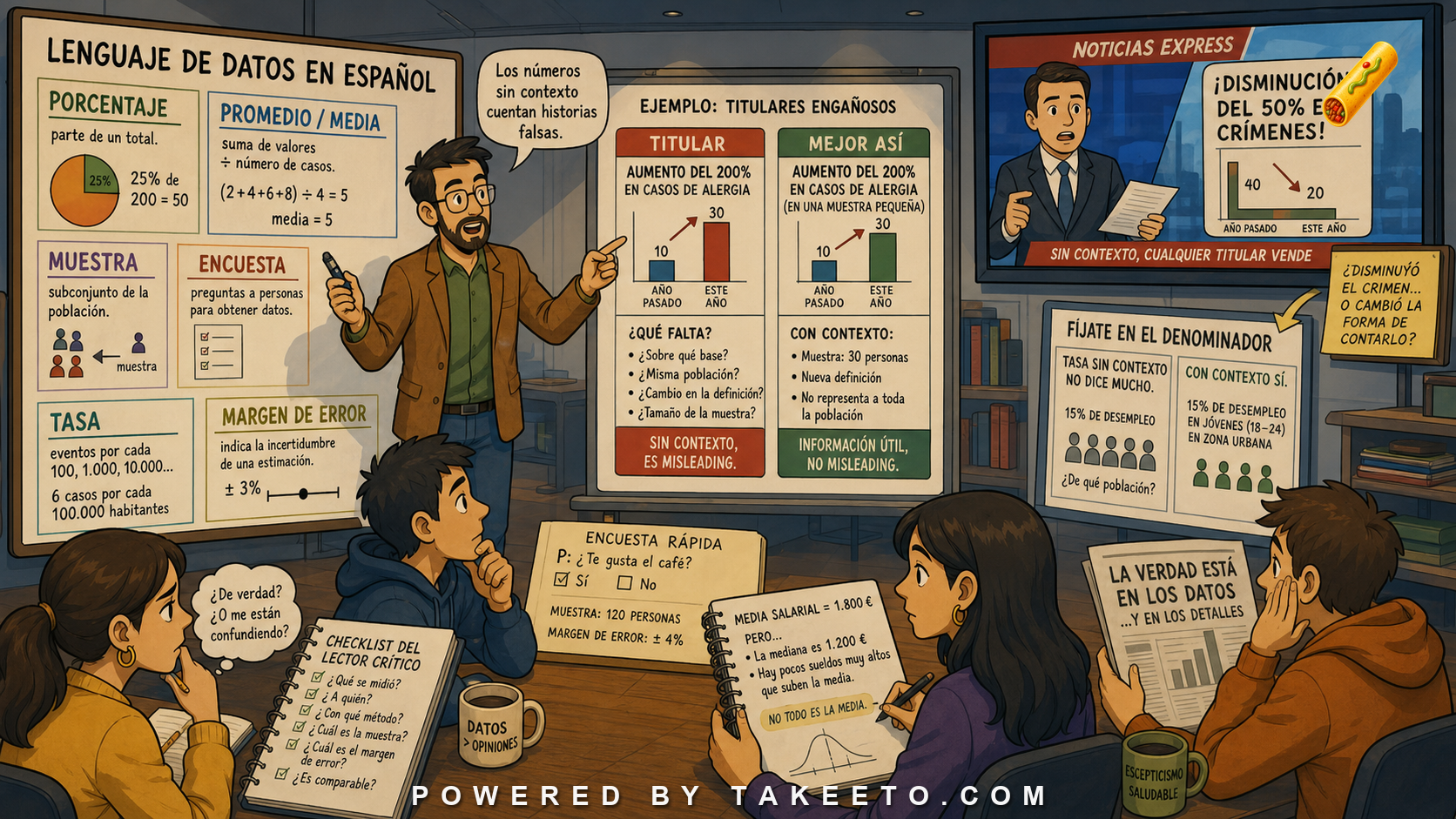
The reader can read basic statistical claims in Spanish without being misled by vague comparison, weak denominators, or media framing.
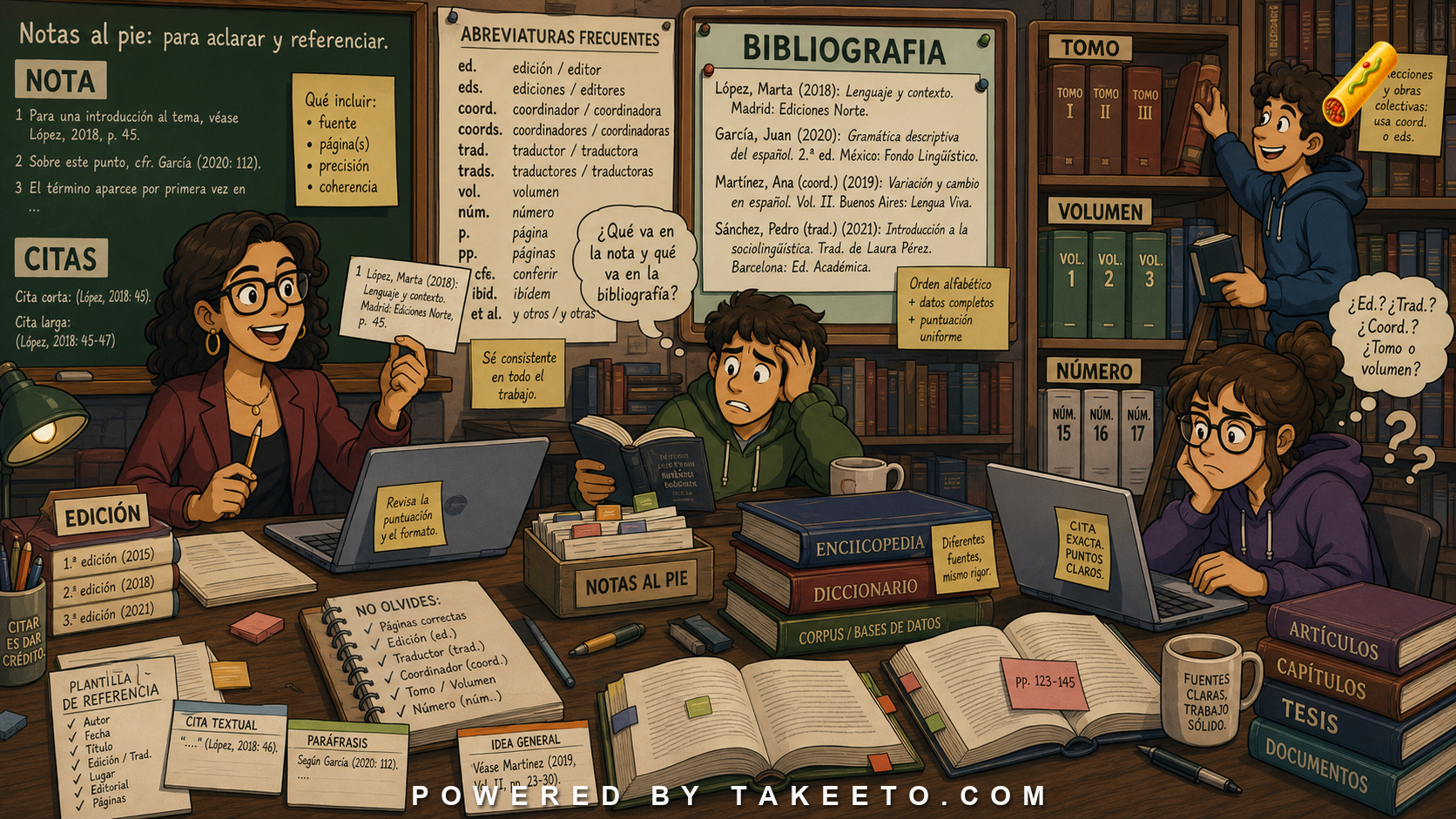
The reader can decode Spanish citation practices and bibliographic terminology.
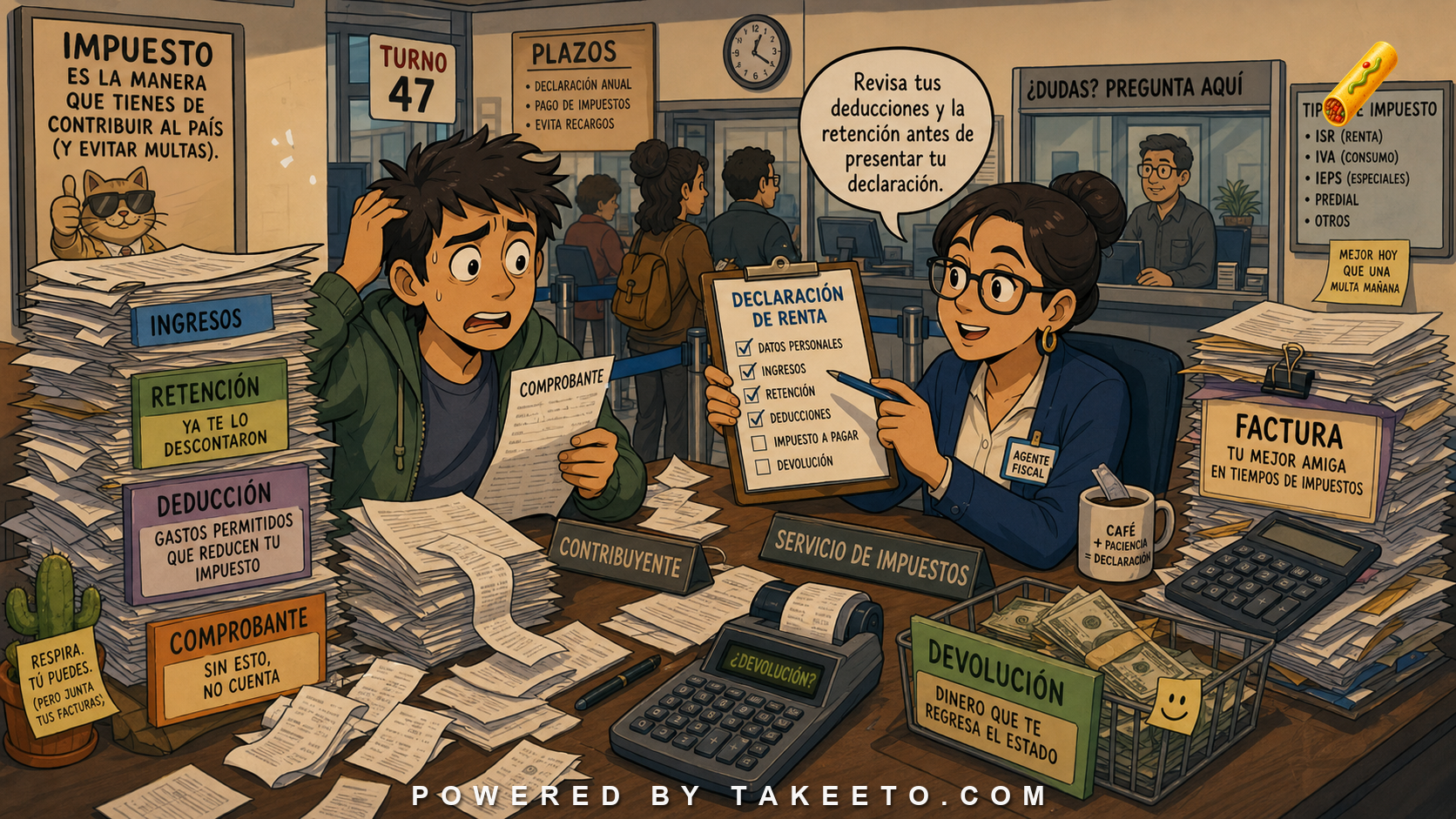
The reader can recognize basic tax vocabulary across Spanish-speaking contexts.
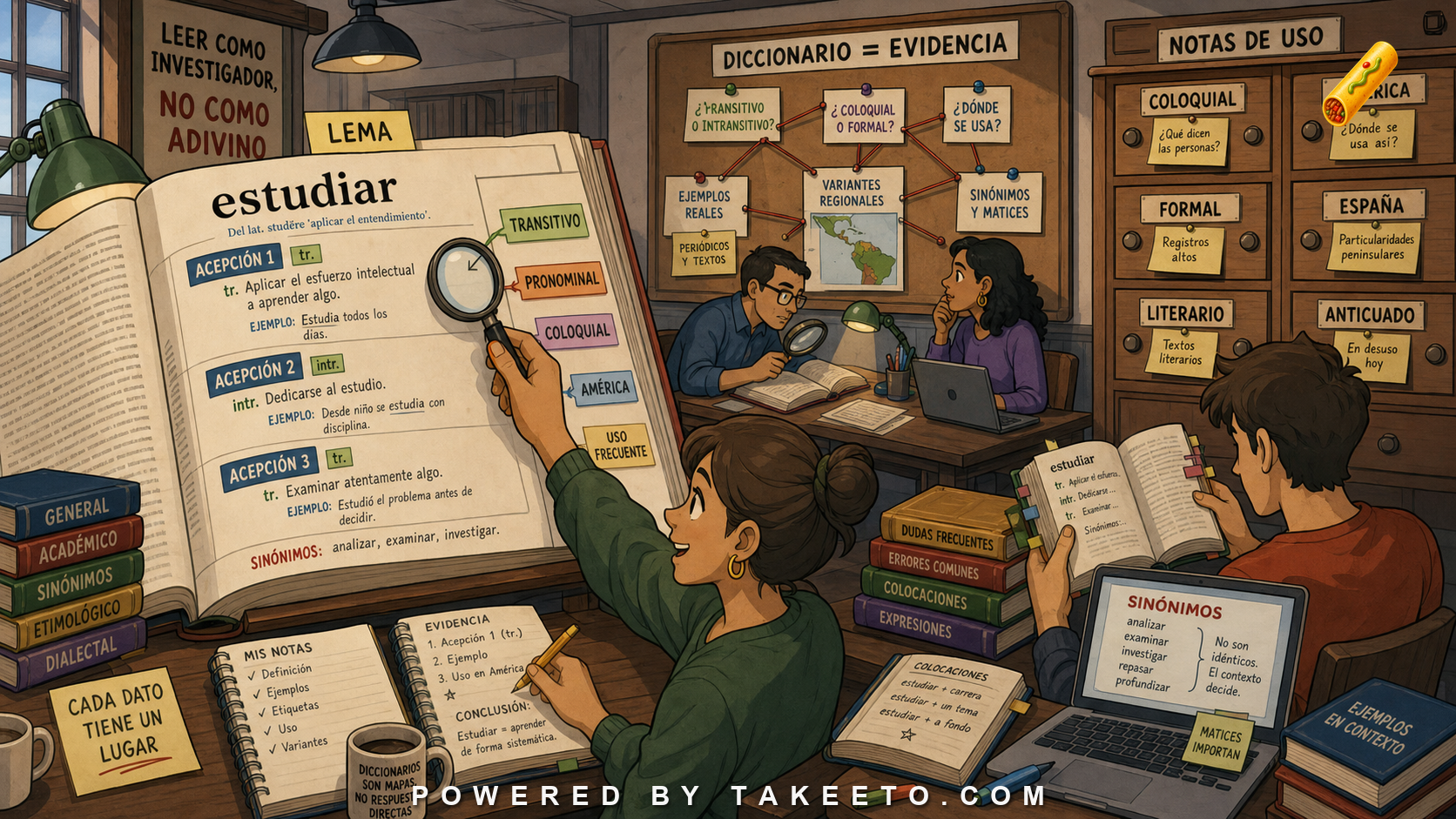
The reader can use Spanish dictionaries as structured evidence rather than answer boxes.
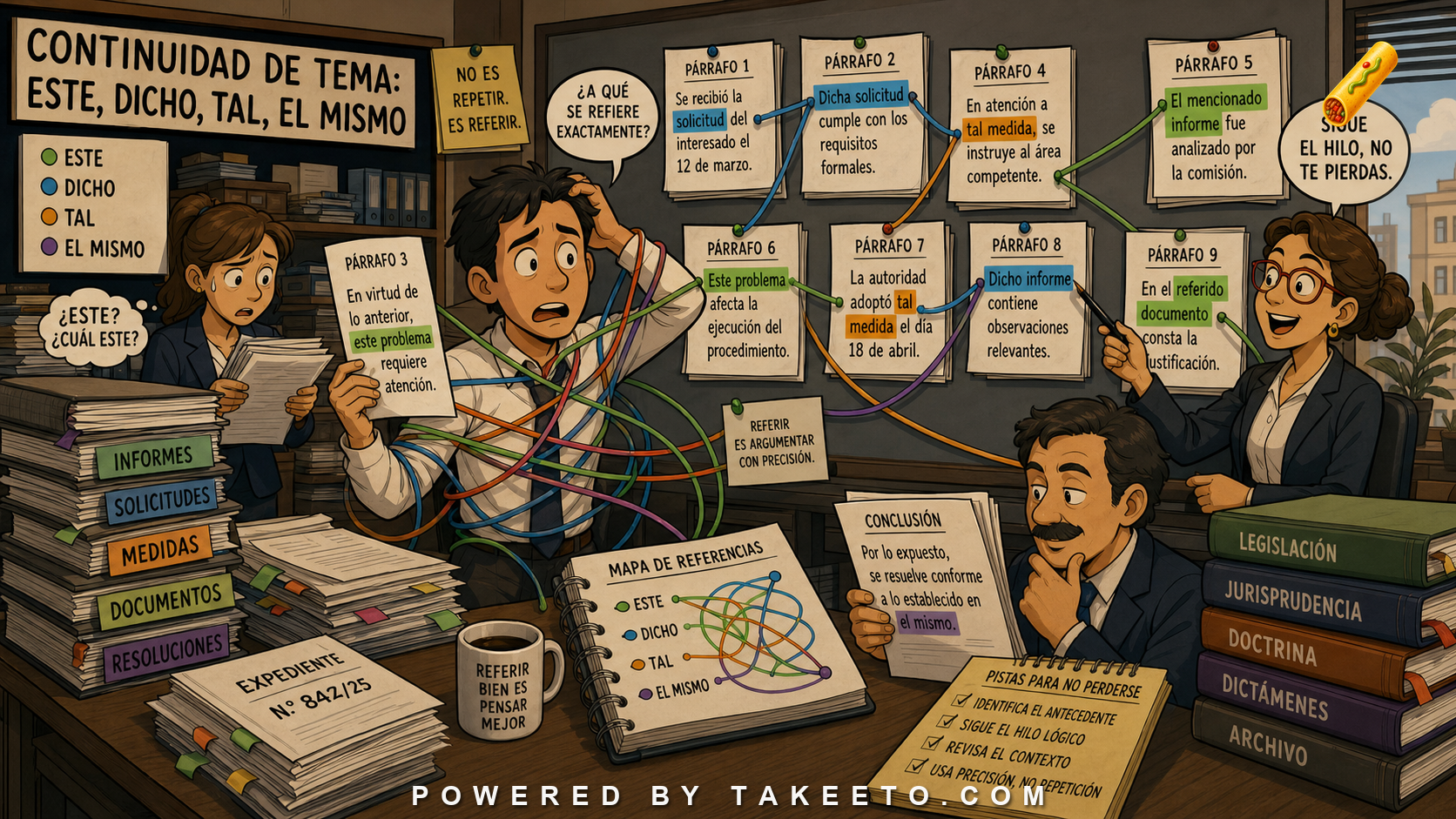
The reader can track reference across formal Spanish paragraphs.

The reader can parse Spanish gaming vocabulary and its heavy English contact.
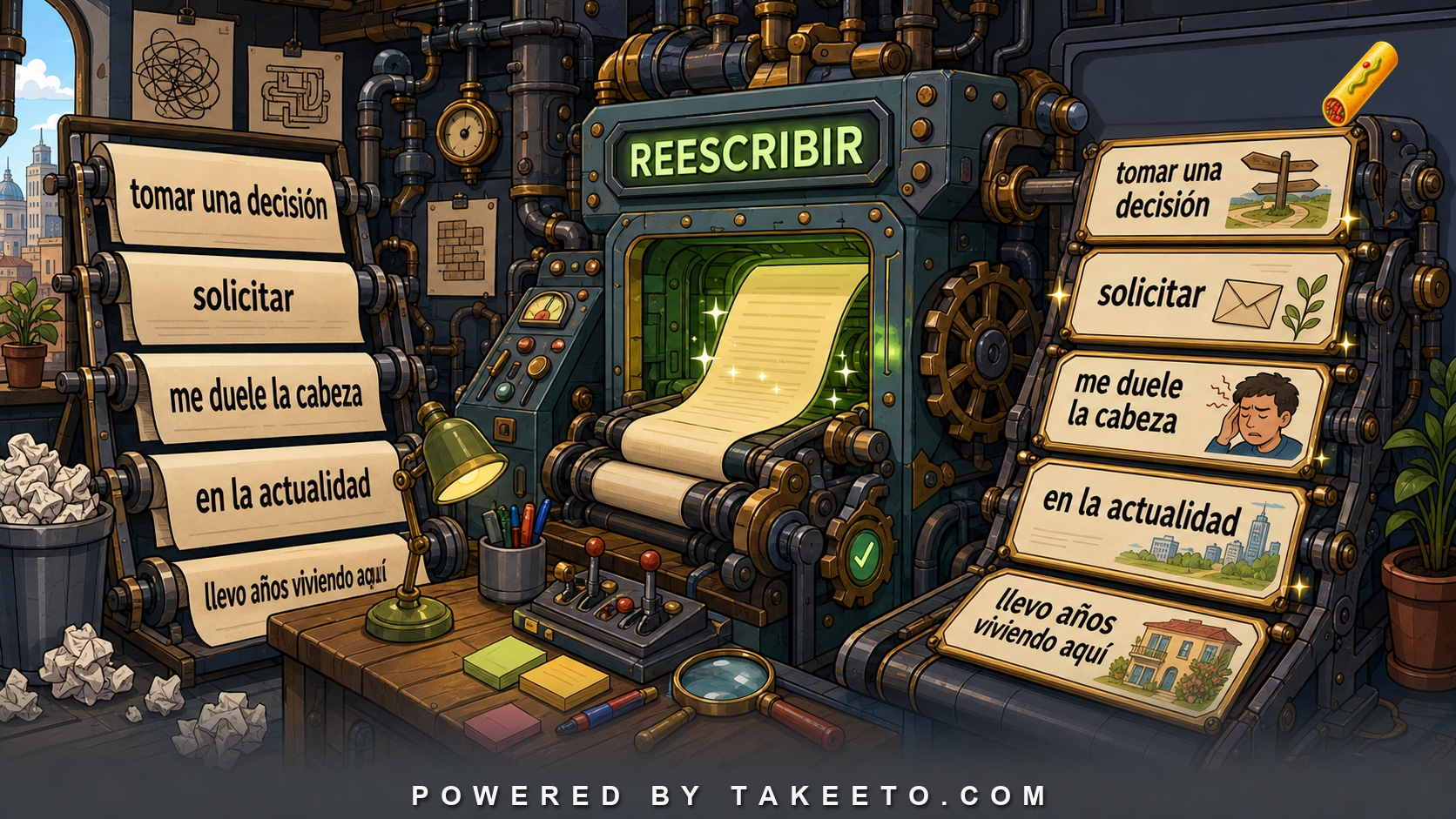
The reader can identify Spanish that is grammatical but shaped too heavily by English syntax.
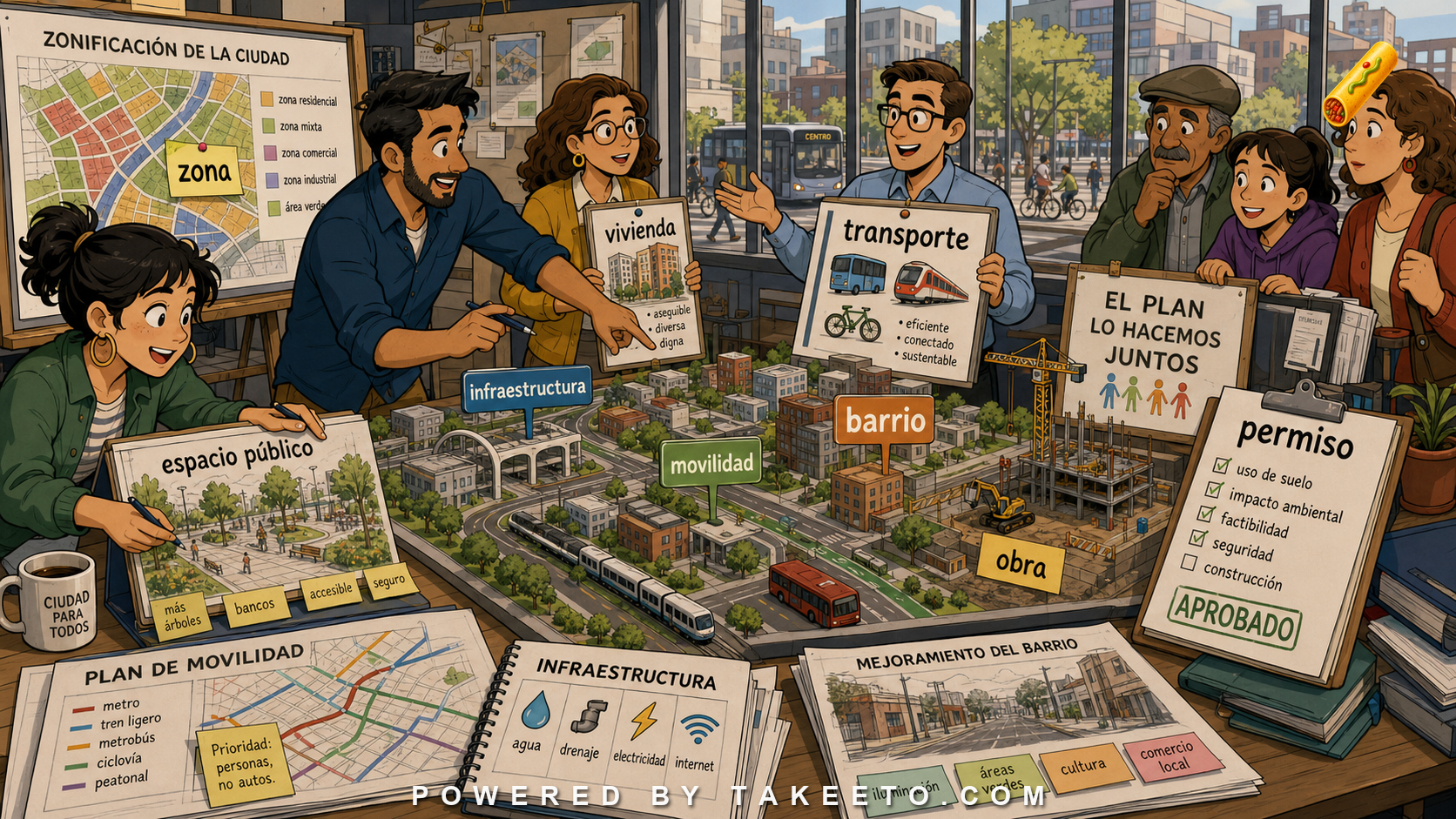
The reader can understand city-planning and municipal Spanish.
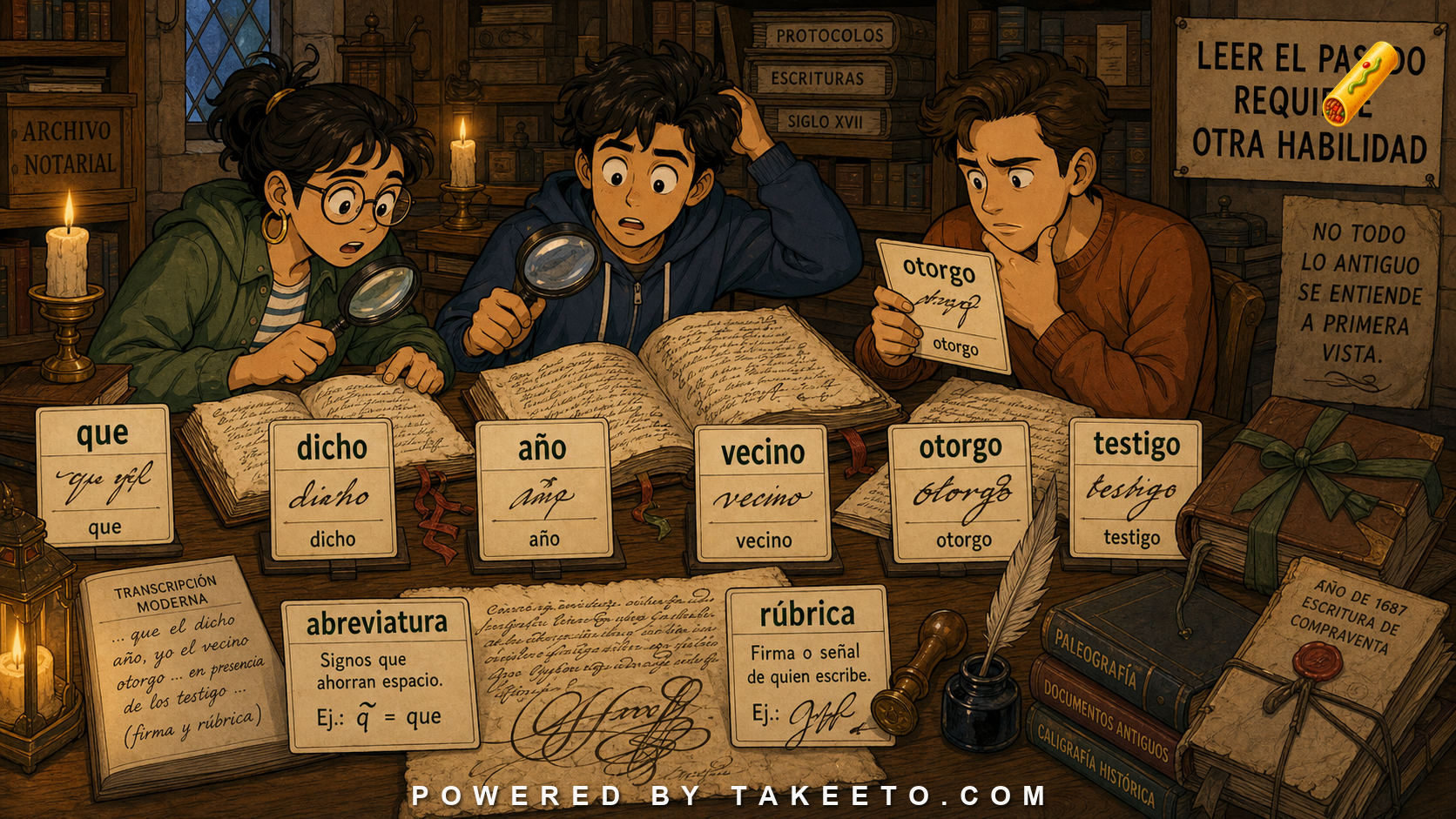
The reader understands why older handwritten Spanish requires separate skills.
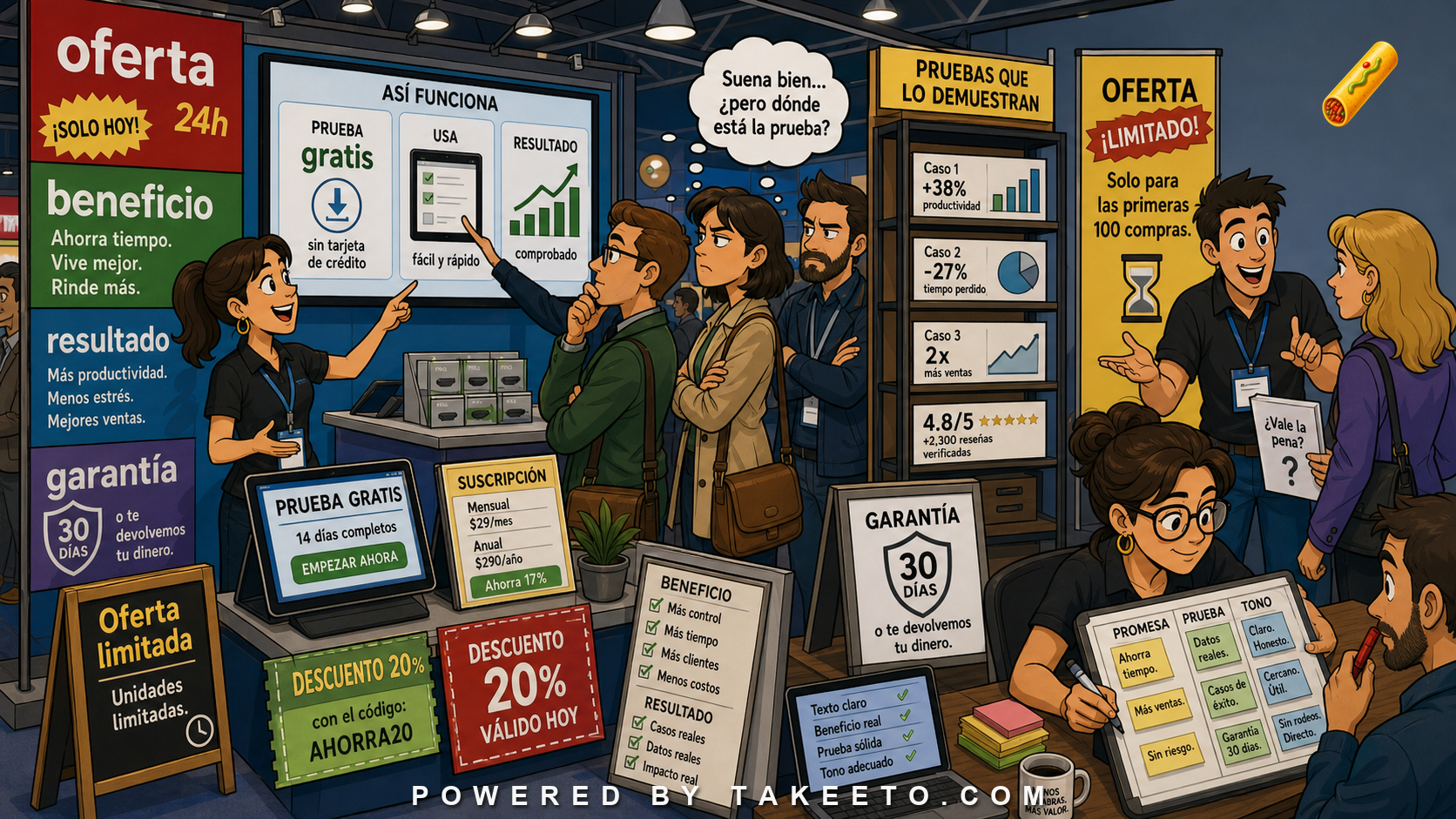
The reader can evaluate Spanish marketing copy for clarity, register, and evidence.
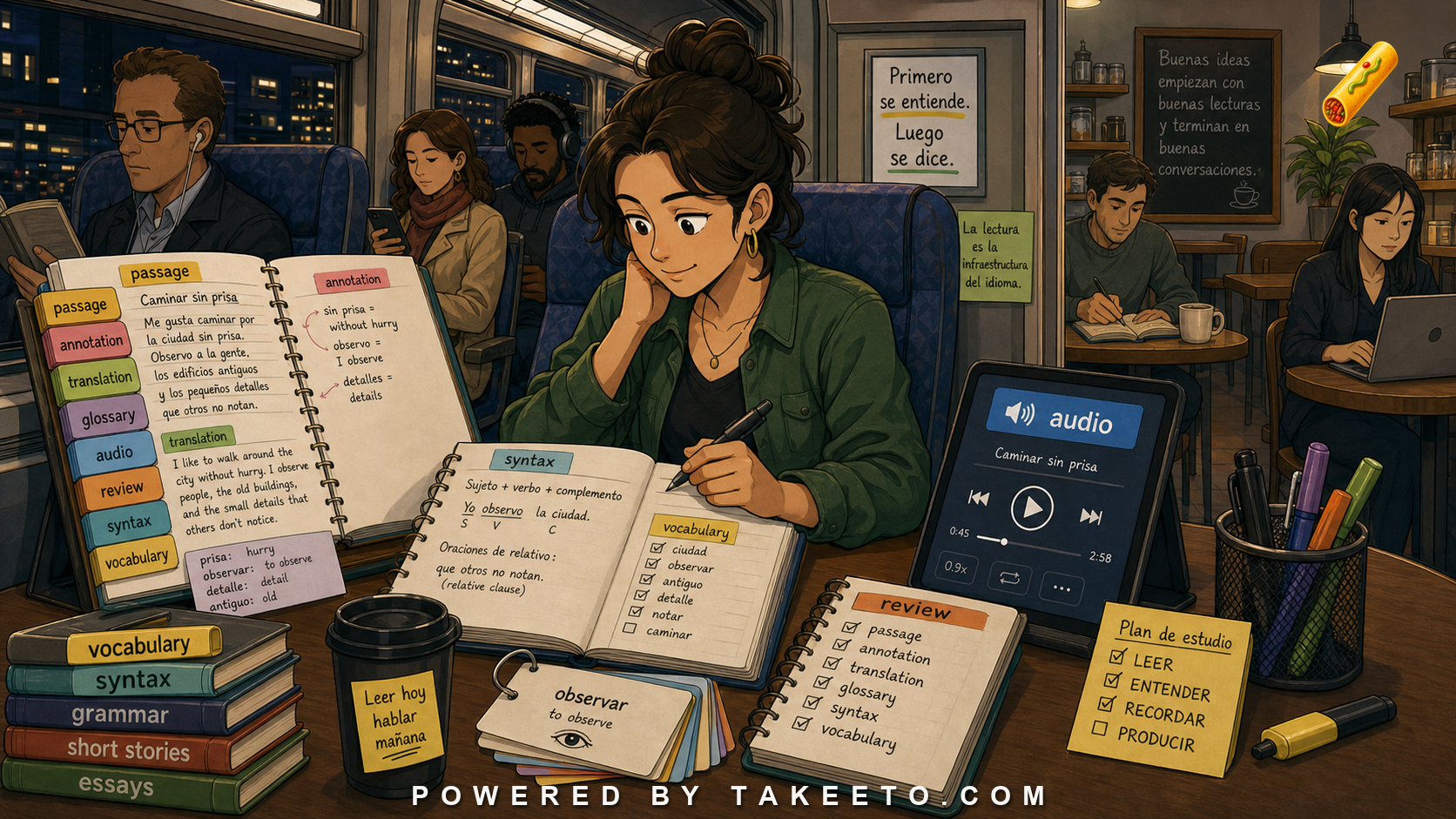
The reader understands reading as a serious foundation for grammar, vocabulary, discourse, and later production rather than passive avoidance of speaking.
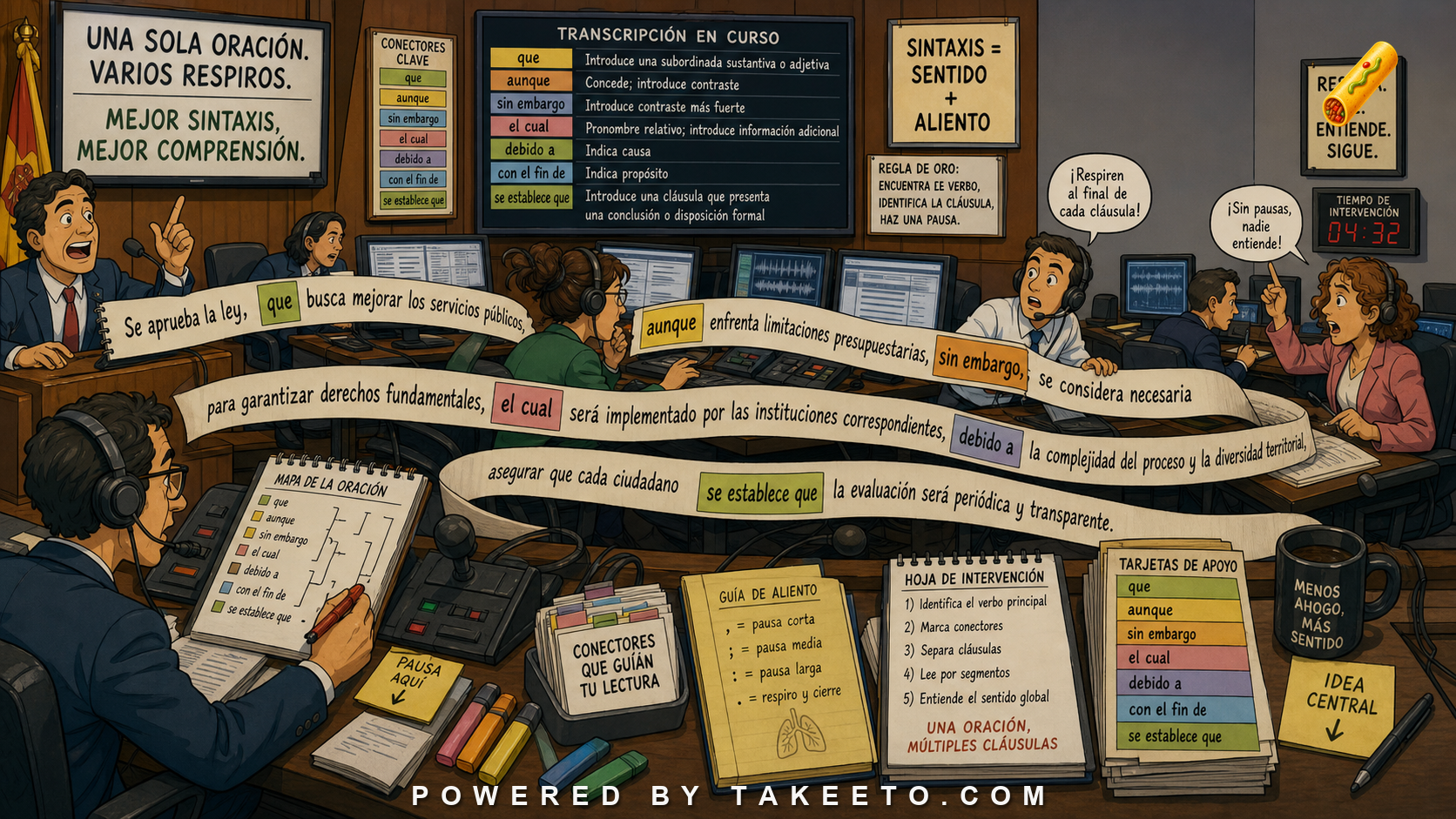
The reader can read long Spanish sentences by identifying clause structure.
The reader can read public education debates in Spanish.
The reader can evaluate Spanish UI text by function, register, and clarity.
The reader can interpret formal sensory descriptions in Spanish without treating every adjective as literal fact.
The reader understands inclusive-language debates with grammatical and social precision.
The reader can read Spanish forecasts and weather alerts.
The reader can identify actors, decisions, deadlines, and appeal language in official Spanish.
The reader can read museum labels, captions, and curatorial prose by separating object data, interpretation, provenance, and uncertainty.
The reader can detect stance encoded in attribution verbs.
The reader can identify core fields in vital records while understanding when official translation or legal help is needed.
The reader can use titles and honorifics appropriately.
The reader can read and write basic literary criticism in Spanish.
The reader can recognize basic lab-report structure without attempting diagnosis.
The reader can write App Store Spanish that is concise, credible, localized, and persuasive without hype.
The reader can choose contrast markers by logic and register.
The reader can read reviews with attention to stance, credibility, evidence, and emotion.
The reader can understand Spanish scientific prose at a structural level, especially how claims are made cautiously.
The reader can approach older Spanish documents without assuming modern spelling and style.
The reader can parse basic employment-contract Spanish.
The reader can use Spanish grammar references critically, turning rules into testable usage questions instead of memorized traps.
The reader can interpret lo bueno, lo difícil, lo importante as abstract nominalizations.
The reader can evaluate public-facing science Spanish for accuracy and rhetorical choices.
The reader can separate structural meaning from surface word matching.
The reader can understand public-transport Spanish in signage and announcements.
The reader can recognize religious vocabulary across formal and everyday contexts.
The reader can write and understand customer-support Spanish with appropriate tone.
The reader sees the intermediate plateau as a structural problem involving register, discourse, syntax, morphology, collocation, and volume, not as a personal failure.
The reader can identify the basic architecture of a Spanish contract.
The reader can analyze public-health messaging in Spanish.
The reader understands query Spanish as compressed language with its own patterns.
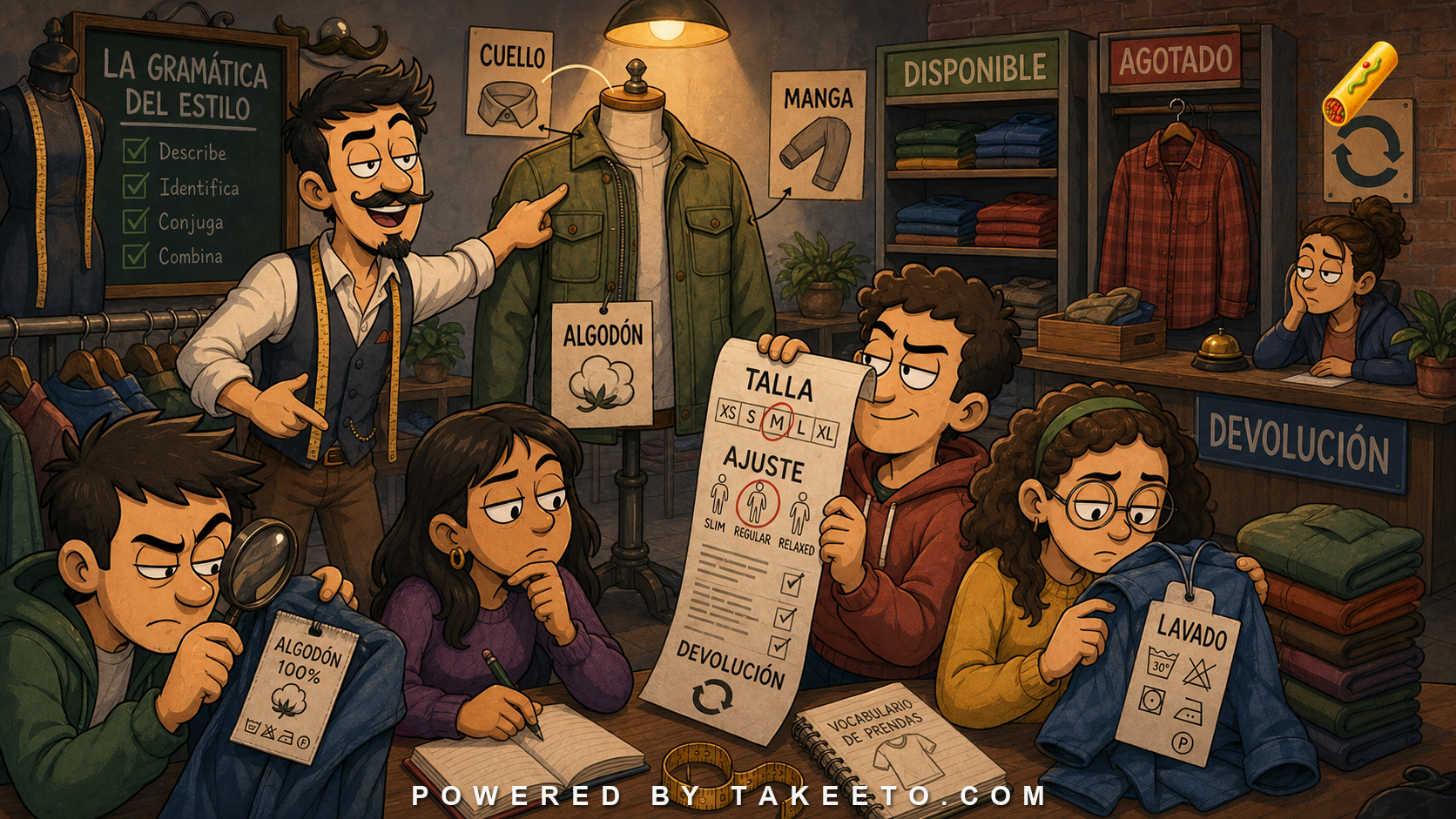
The reader can parse product descriptions, sizes, fabrics, fit, care instructions, and return-policy language.
The reader can approach identity terms with historical and regional sensitivity.
The reader can parse sports reporting and live commentary.
The reader can parse basic incident-report structure and vocabulary.
The reader can read tourism Spanish critically as promotional place-making rather than neutral description.
The reader can write and read opinion with appropriate certainty and register.
The reader can understand documentation-chain vocabulary without confusing informal translation with official validity.
The reader can discuss courses, requirements, research, and academic support in Spanish.
The reader can parse and write Spanish abstracts.