
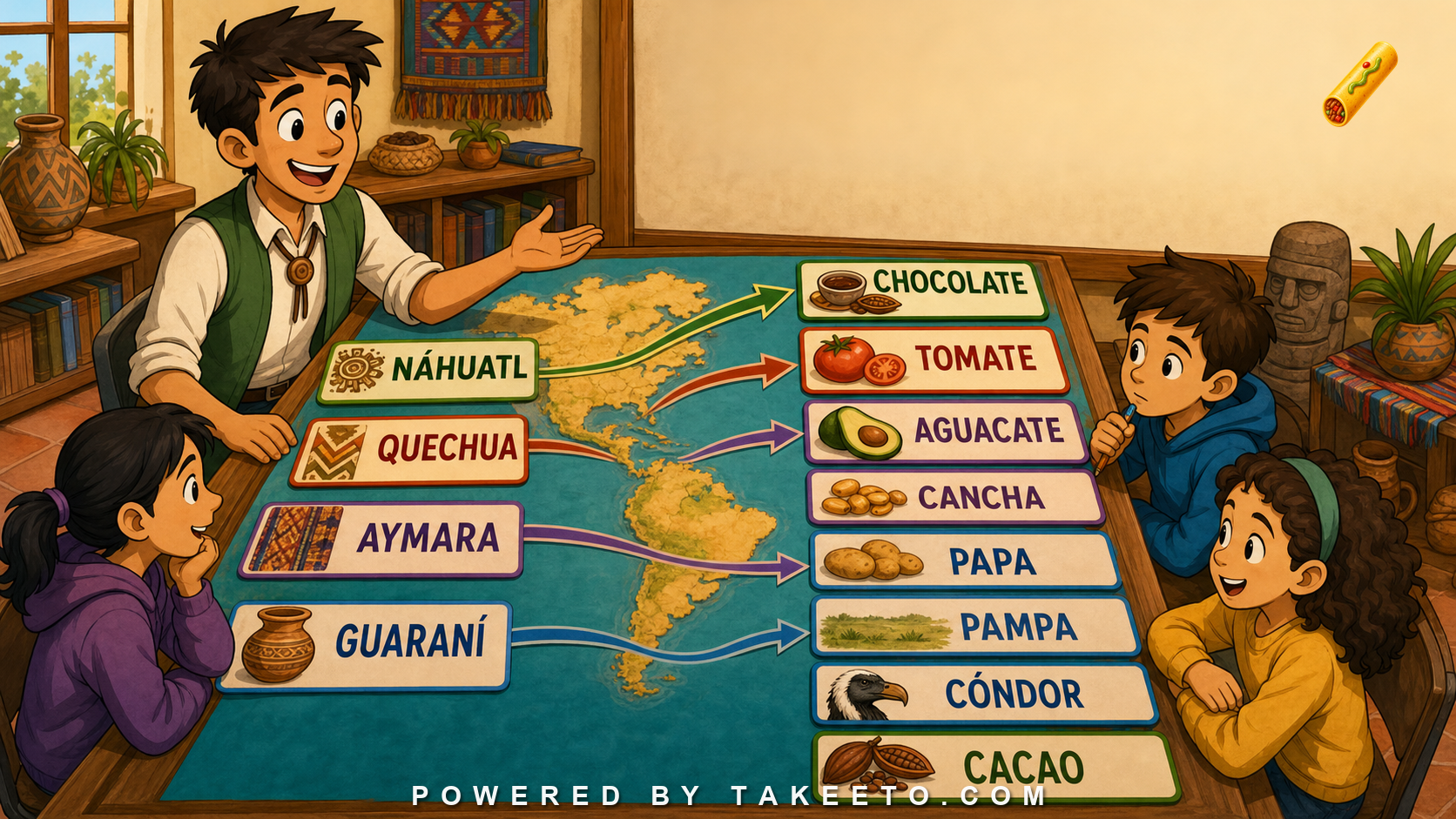
Indigenous Influence on Spanish in the Americas
The reader can identify lexical and structural effects of indigenous-language contact with appropriate caution.
Long-form Spanish articles for learners who want structure, evidence, examples, and linguistic explanations that do not collapse into slogans.
27 articles tagged History & etymology.
The reader can identify lexical and structural effects of indigenous-language contact with appropriate caution.
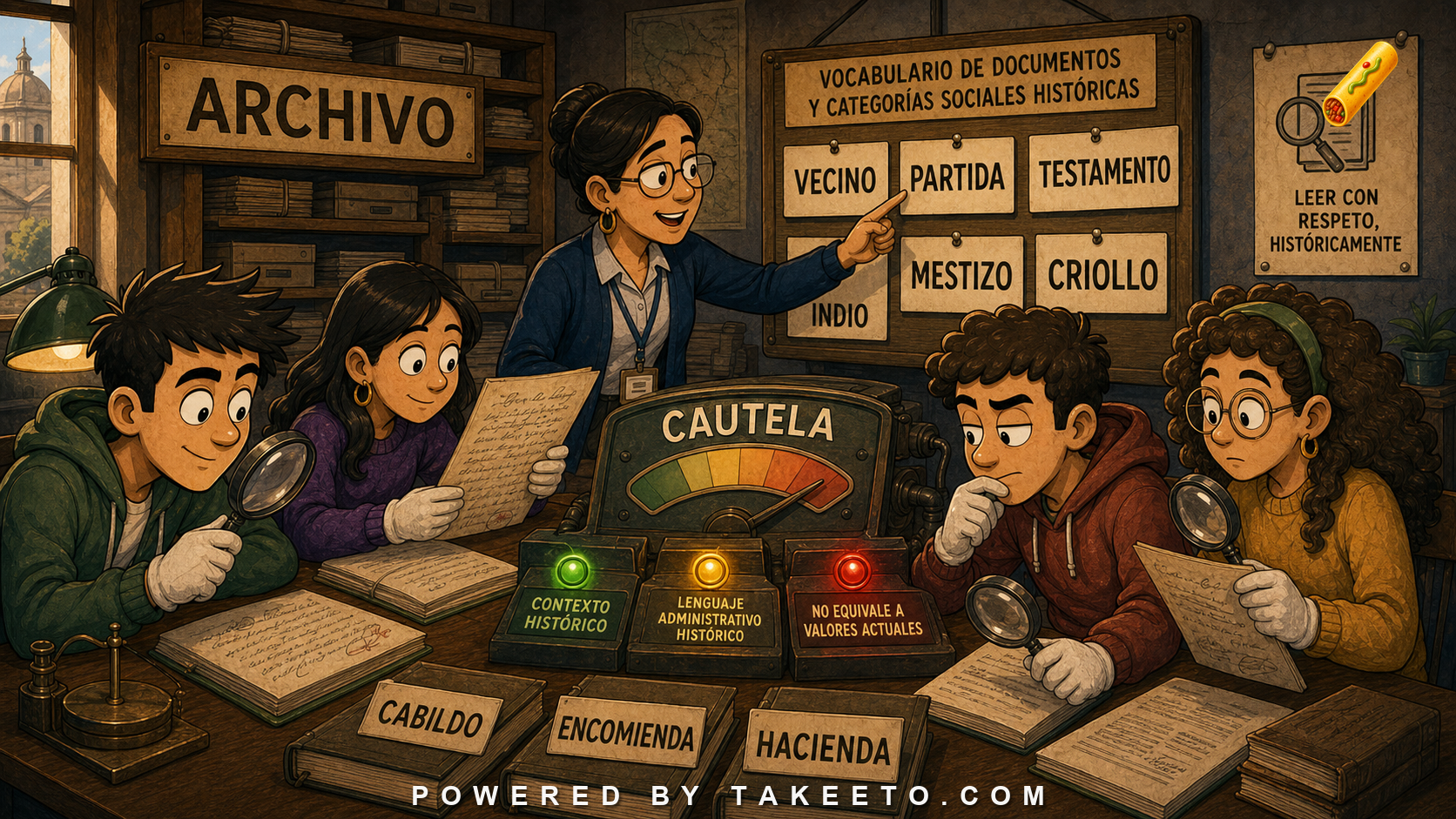
The reader can recognize colonial-document vocabulary while treating social labels critically.
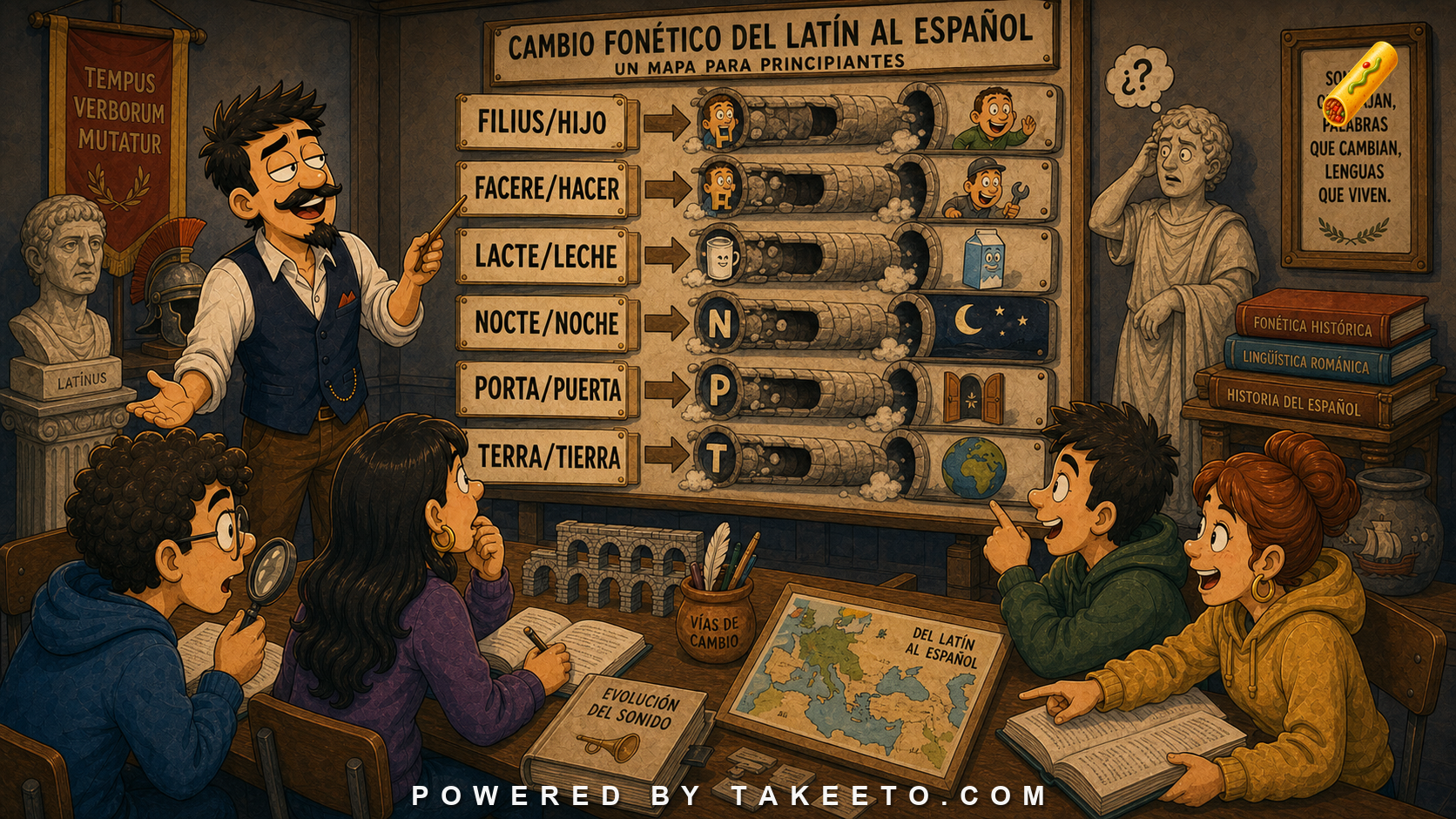
The reader can recognize major sound changes that explain modern Spanish word forms.
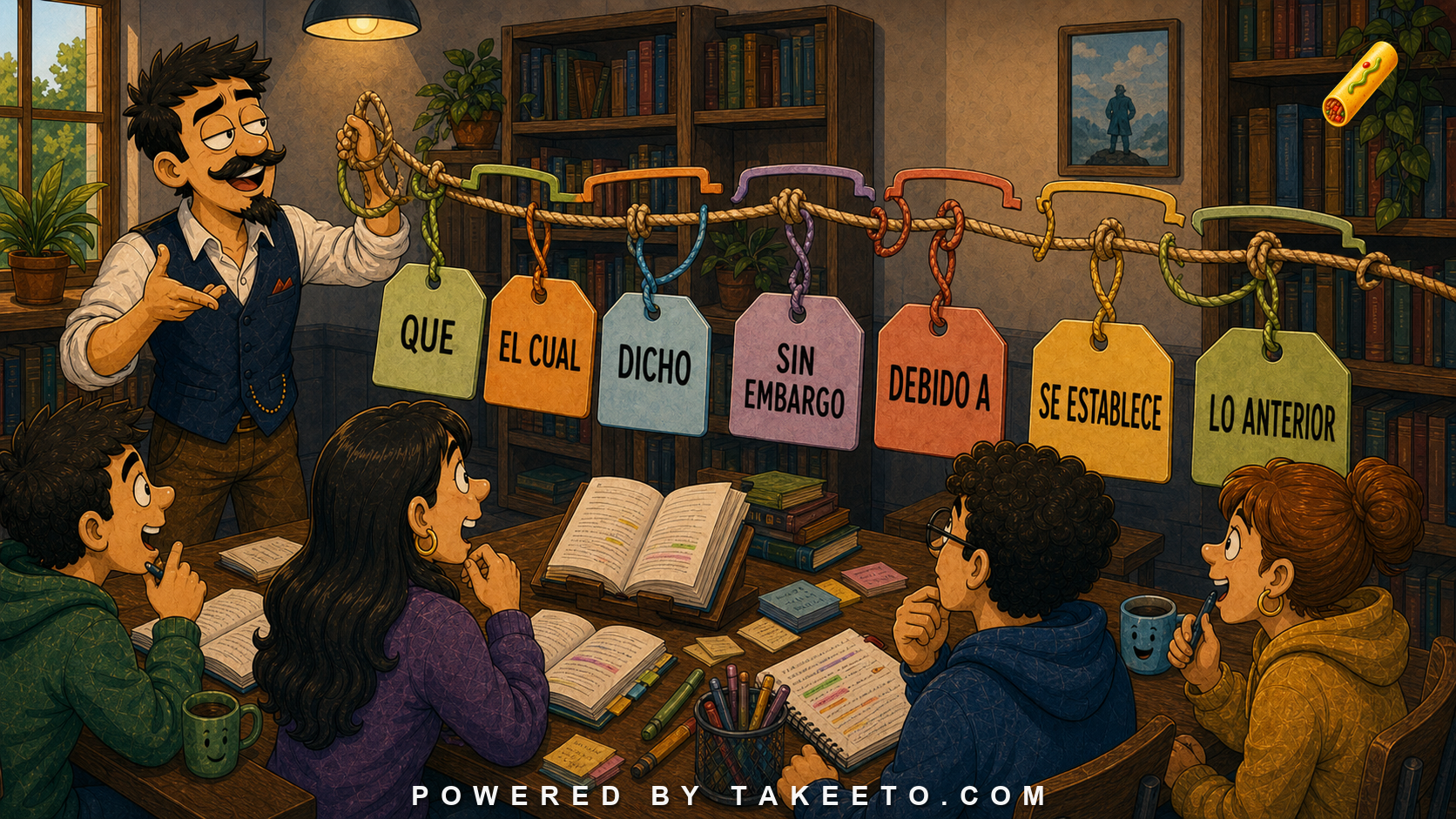
The reader can approach long Spanish sentences through clause structure, reference chains, and discourse markers.
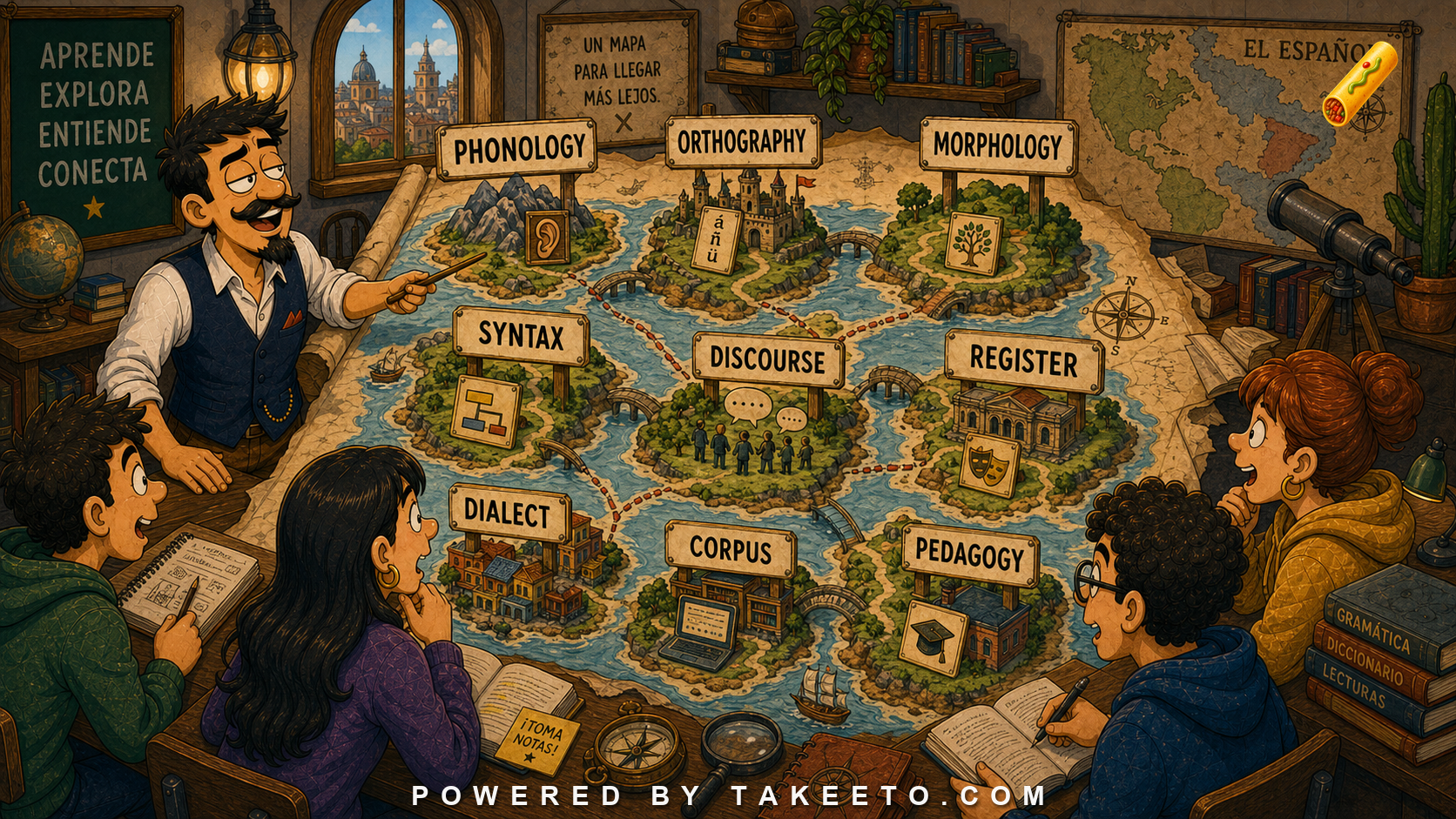
The reader sees the full 365-article project as a connected map of Spanish literacy.
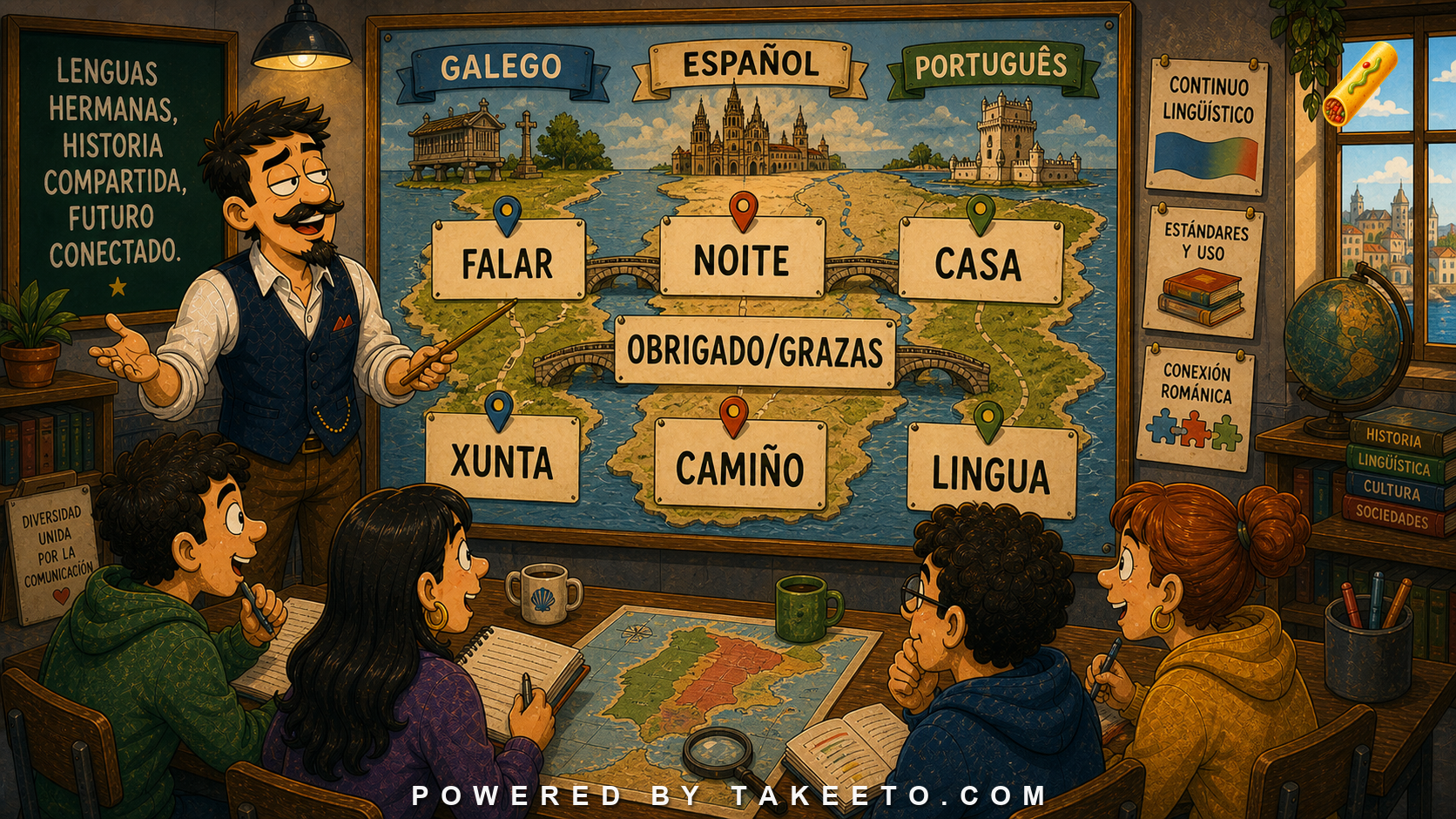
The reader can place Galician in the Romance landscape and understand its relation to Spanish and Portuguese.
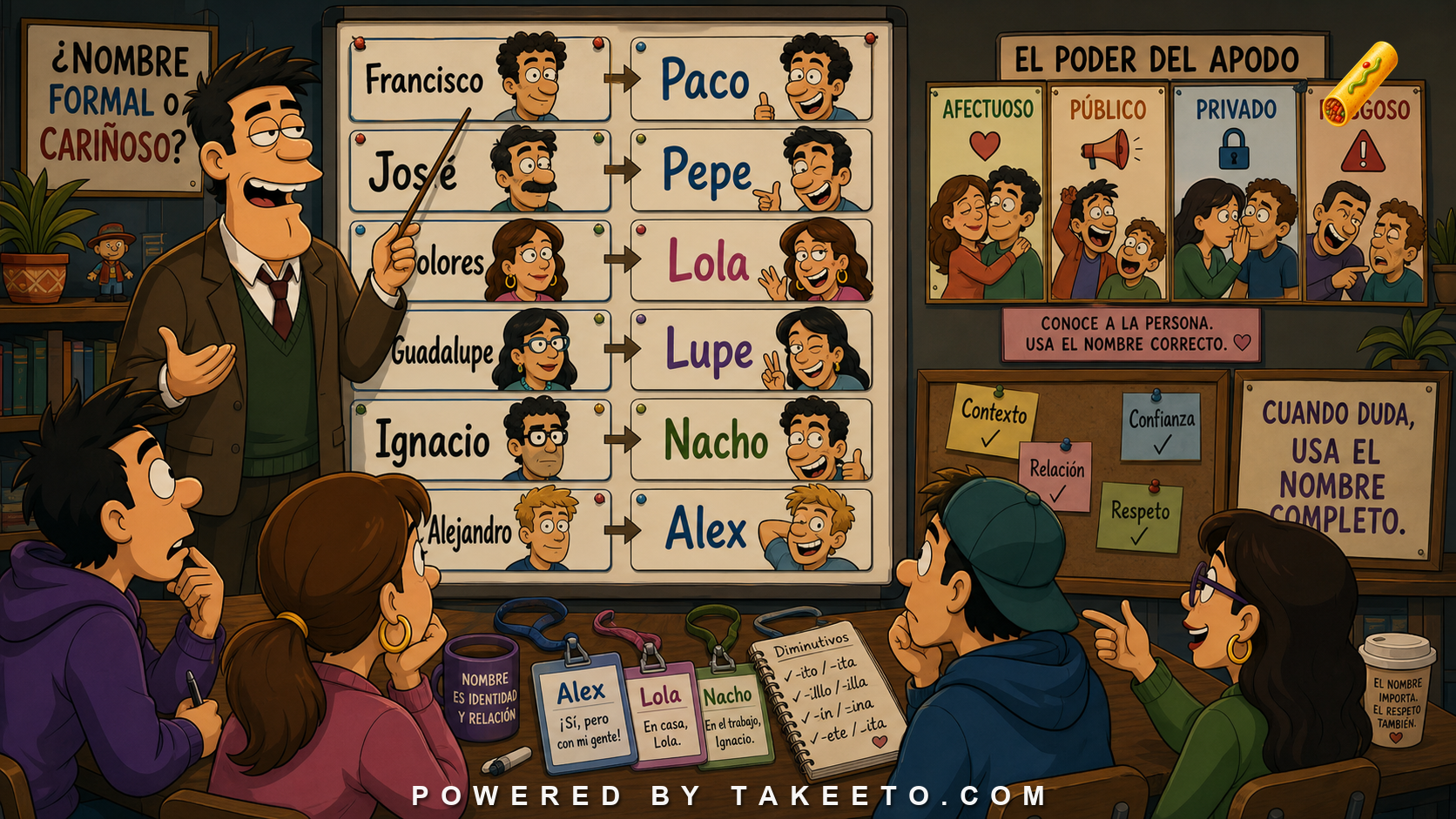
The reader can recognize common nickname formation and its social force.
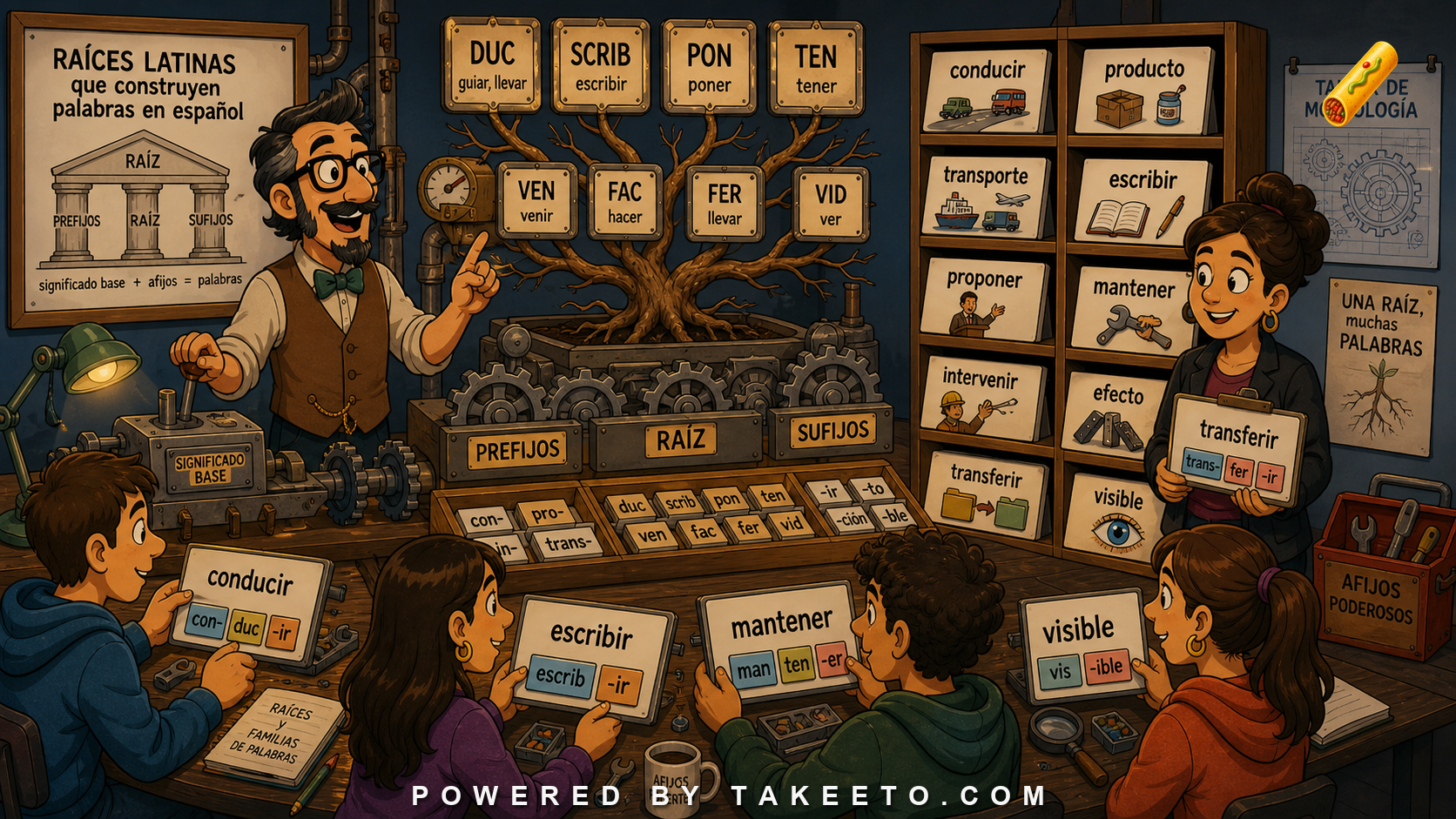
The reader can build advanced vocabulary from recurring Latin roots and affixes.
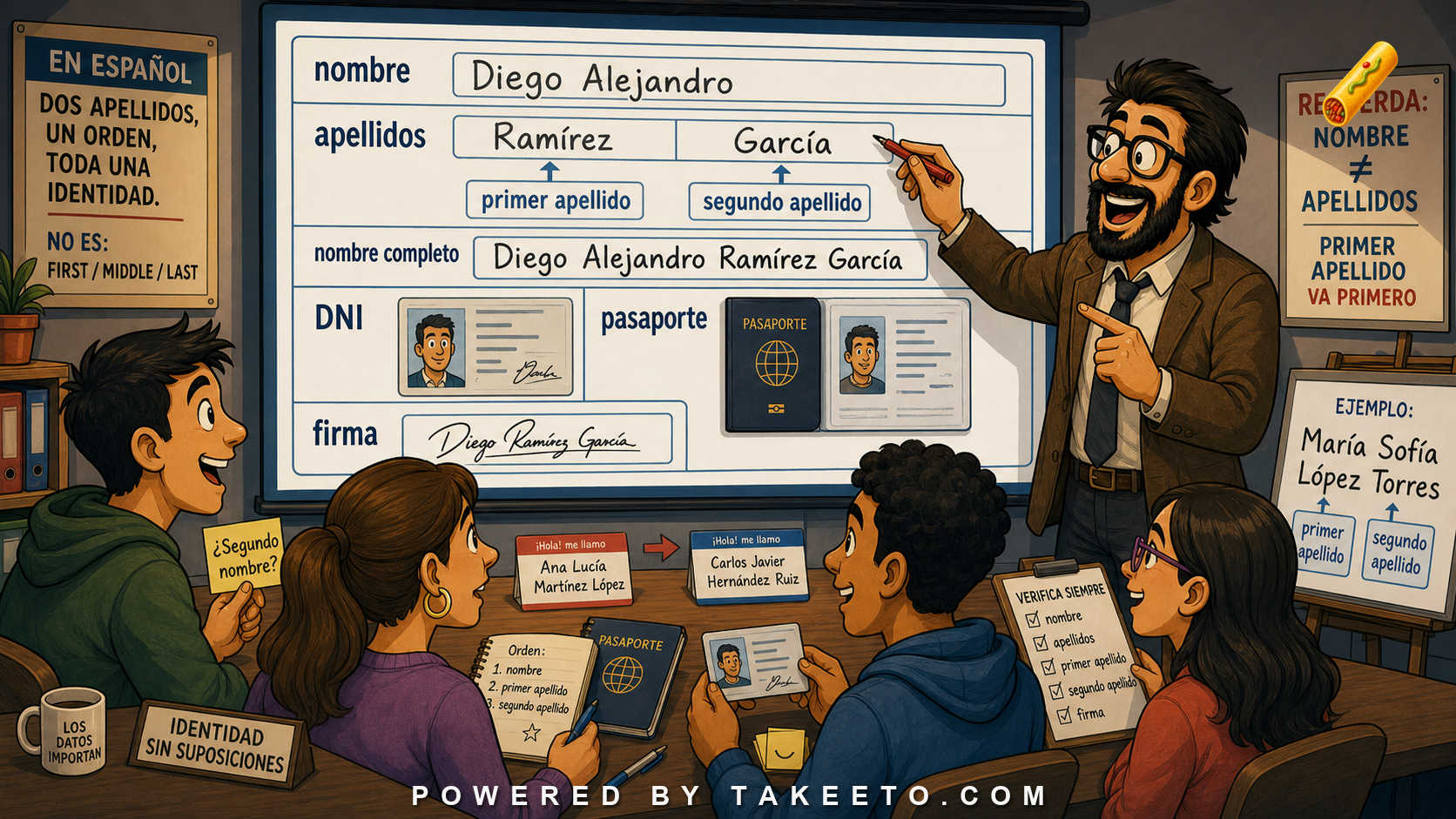
The reader can parse Spanish-name fields and avoid English assumptions about first, middle, and last names.
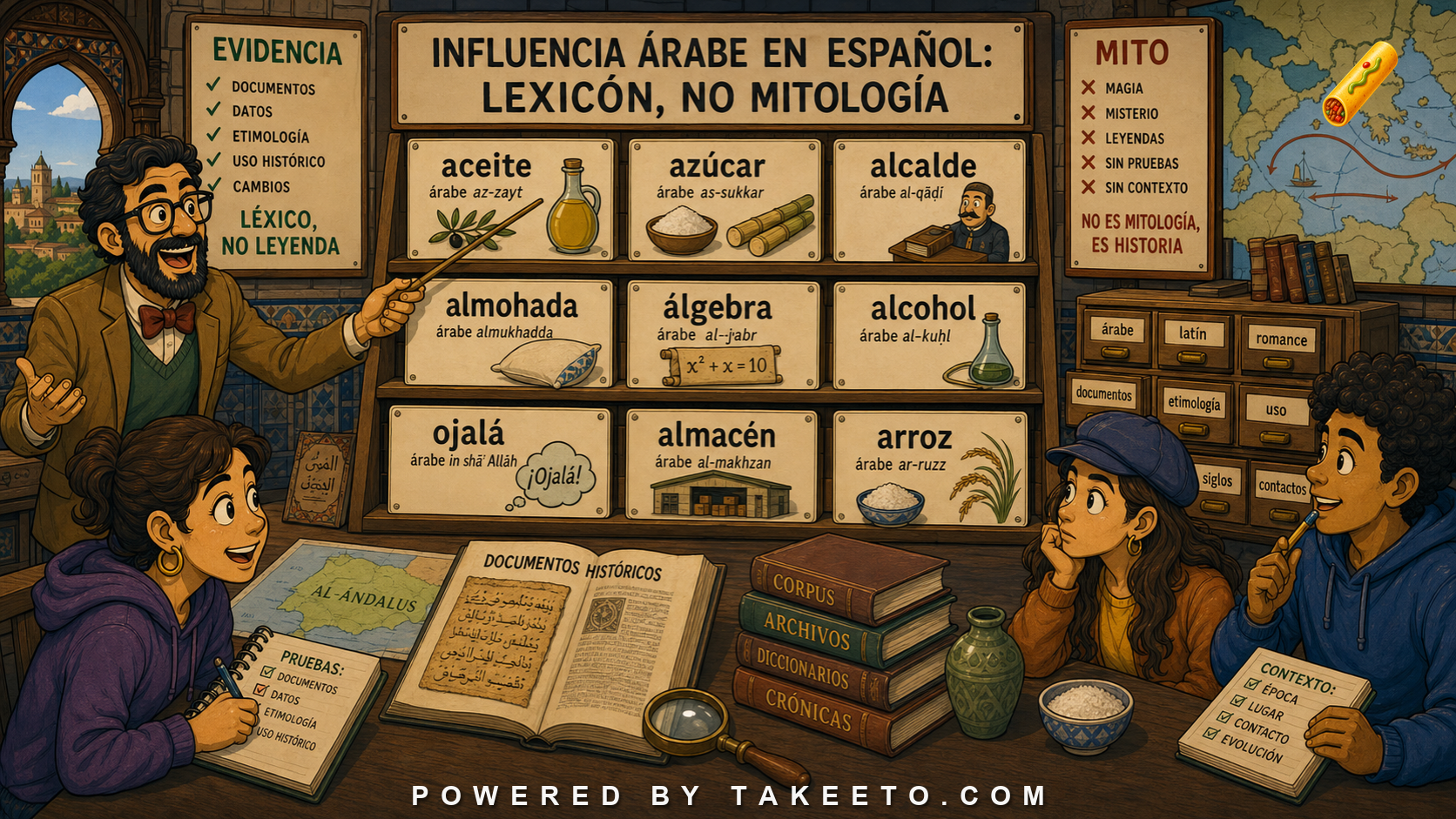
The reader understands Arabic influence in Spanish with precision and context.
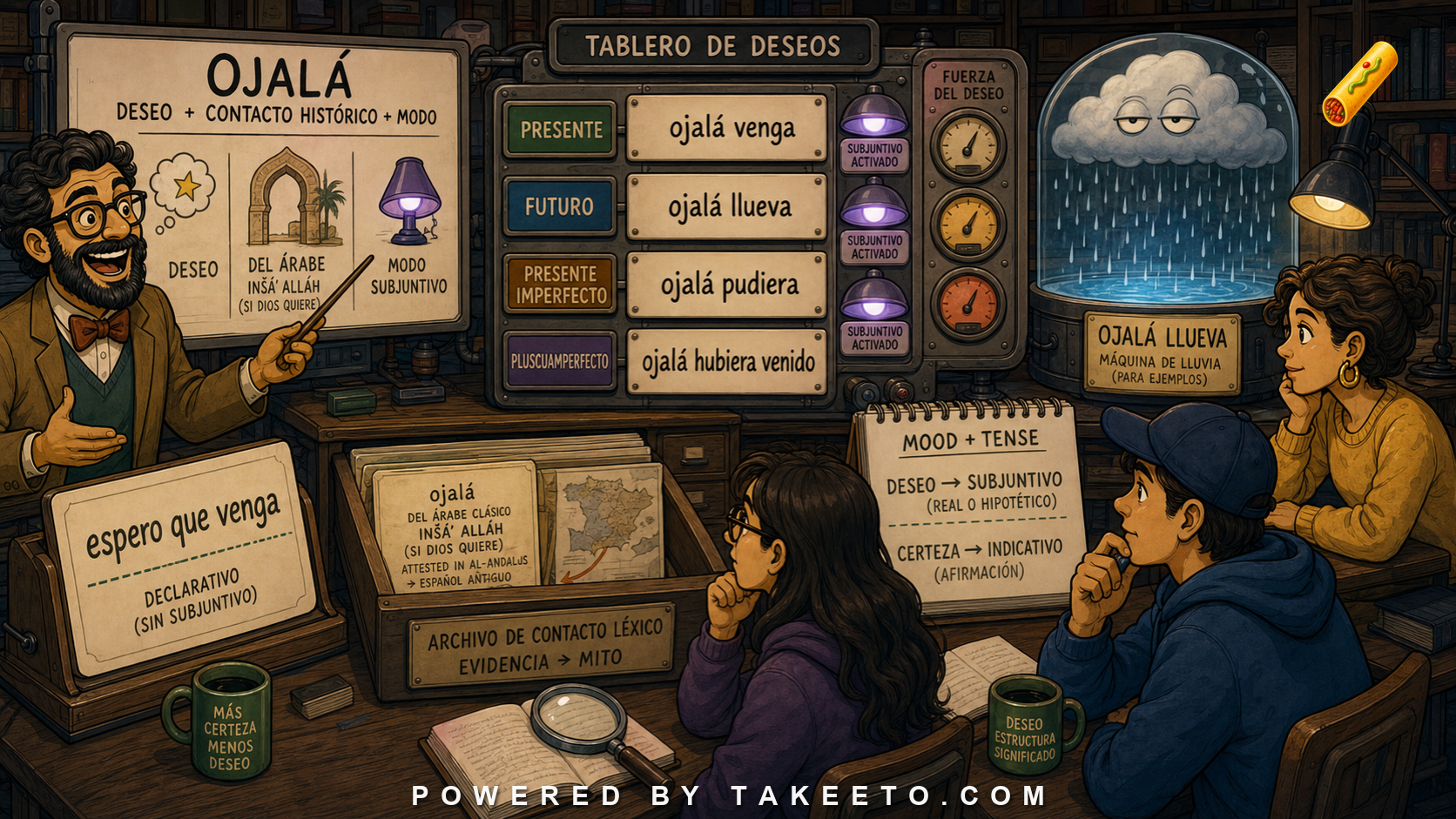
The reader understands ojalá as a desire marker tied to mood, tense, and historical contact.
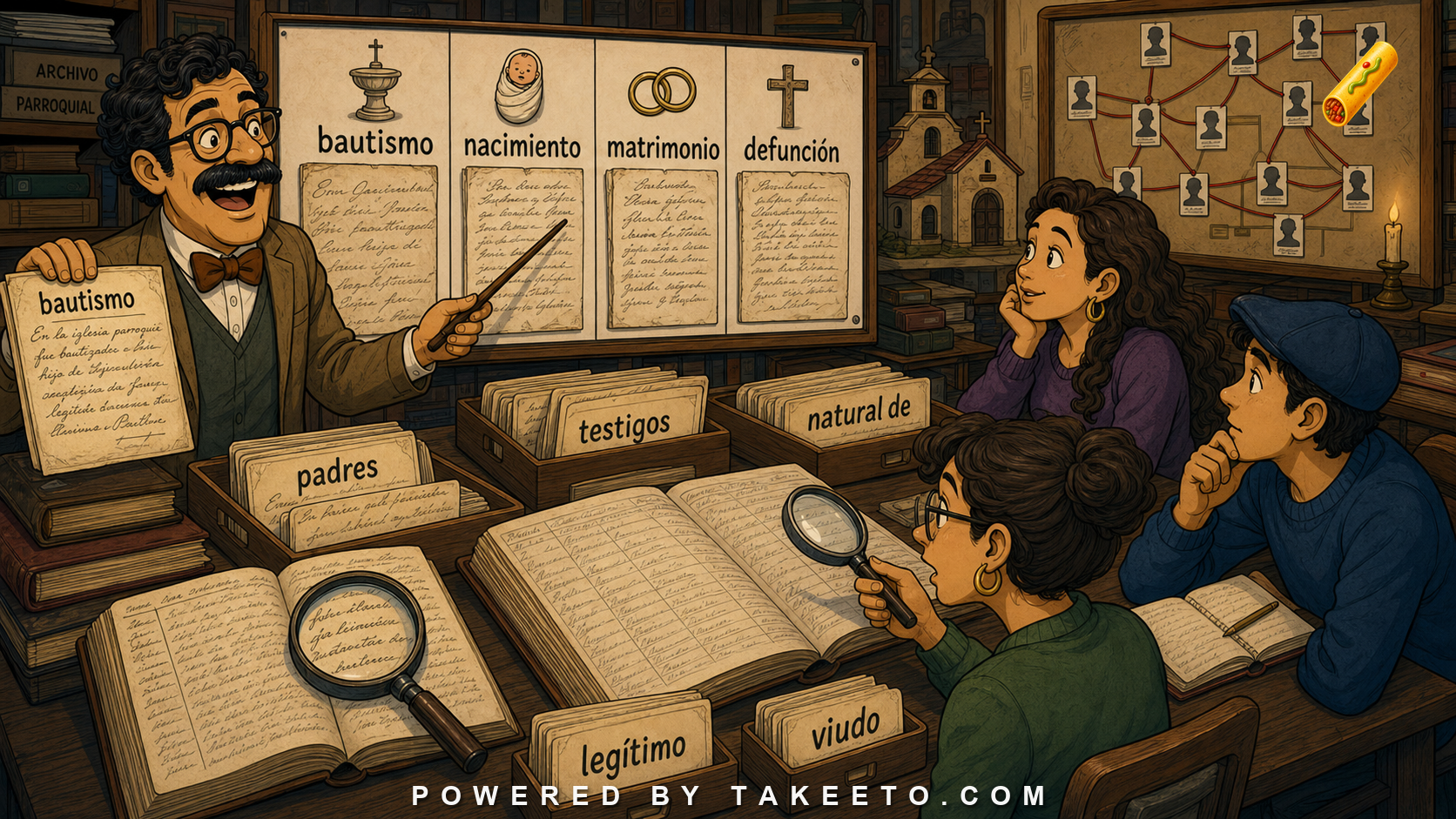
The reader can identify common terms in Spanish genealogical records.
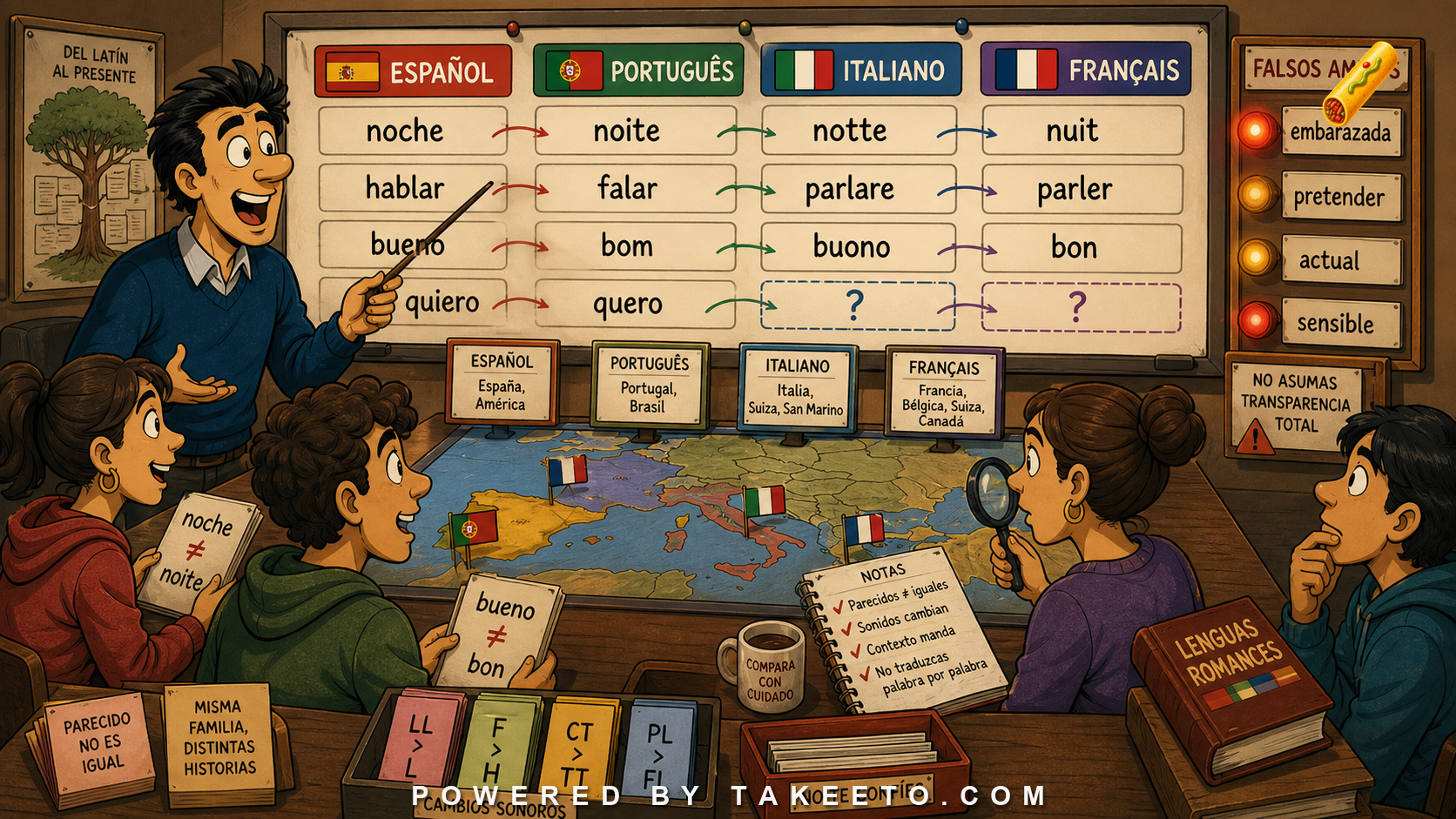
The reader can compare Spanish with other Romance languages without assuming mutual transparency.
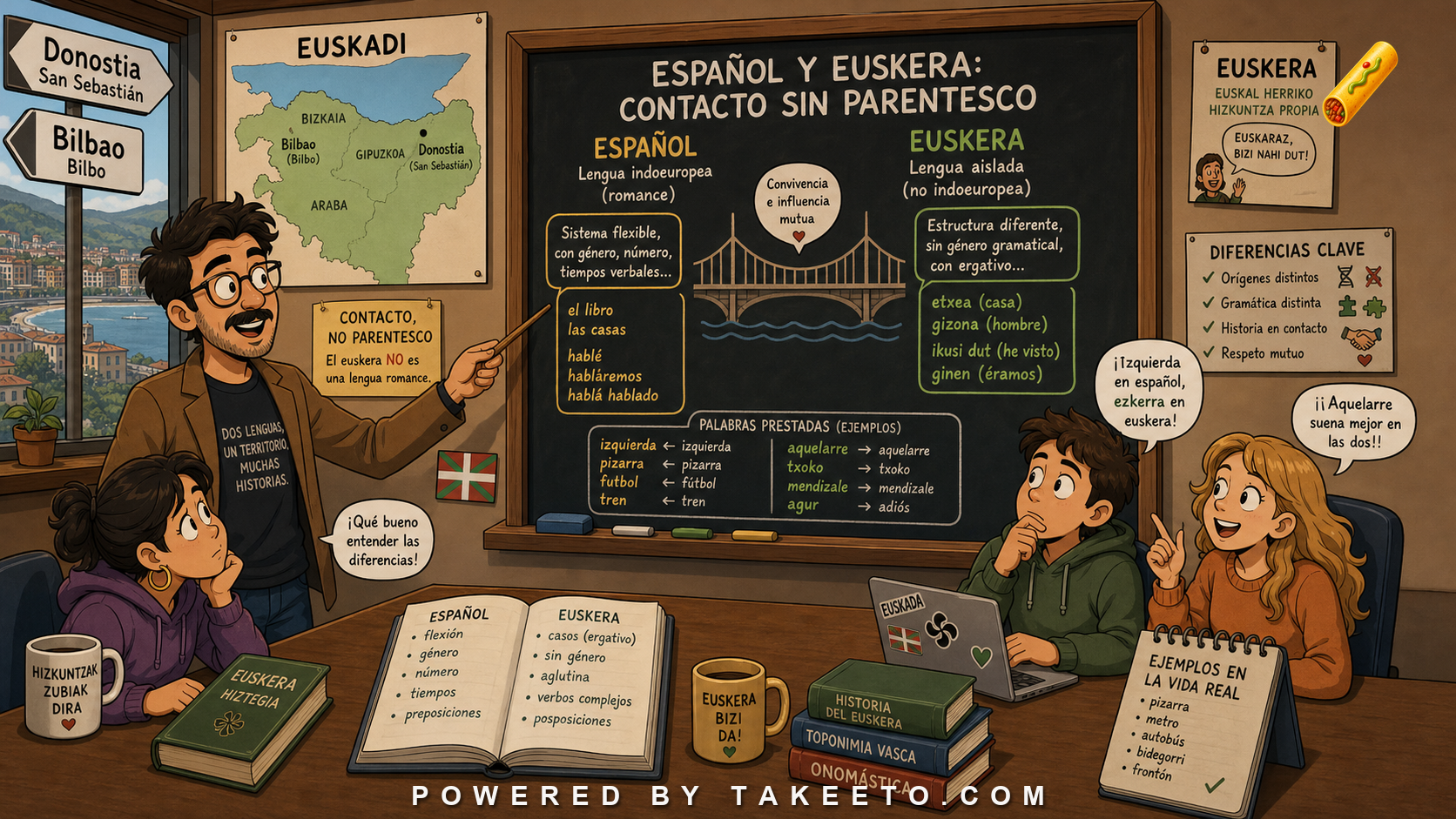
The reader understands Basque-Spanish contact without treating Basque as a Romance language.
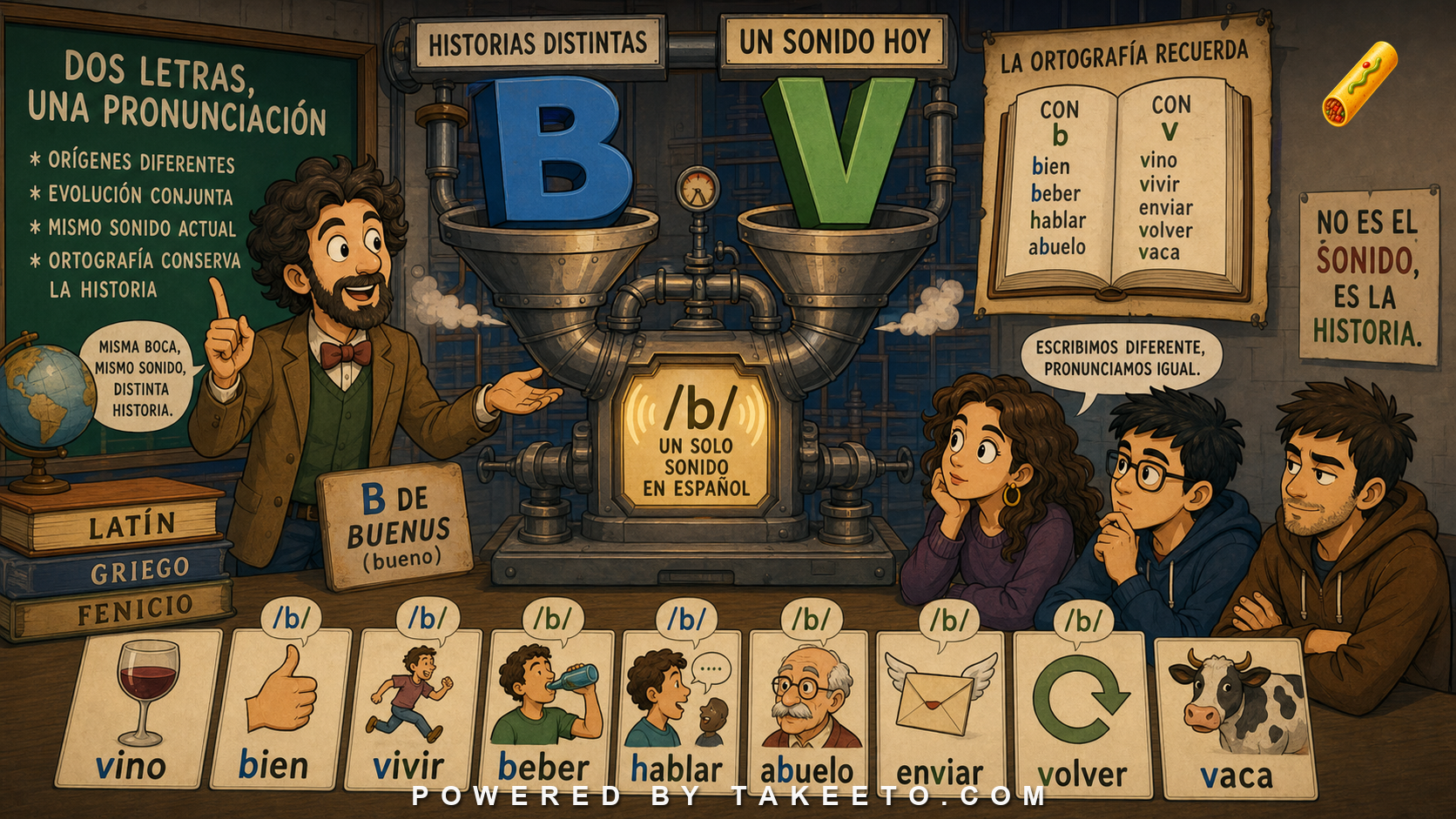
The reader understands why b and v are normally not separate sounds in modern Spanish and why spelling still preserves the distinction.
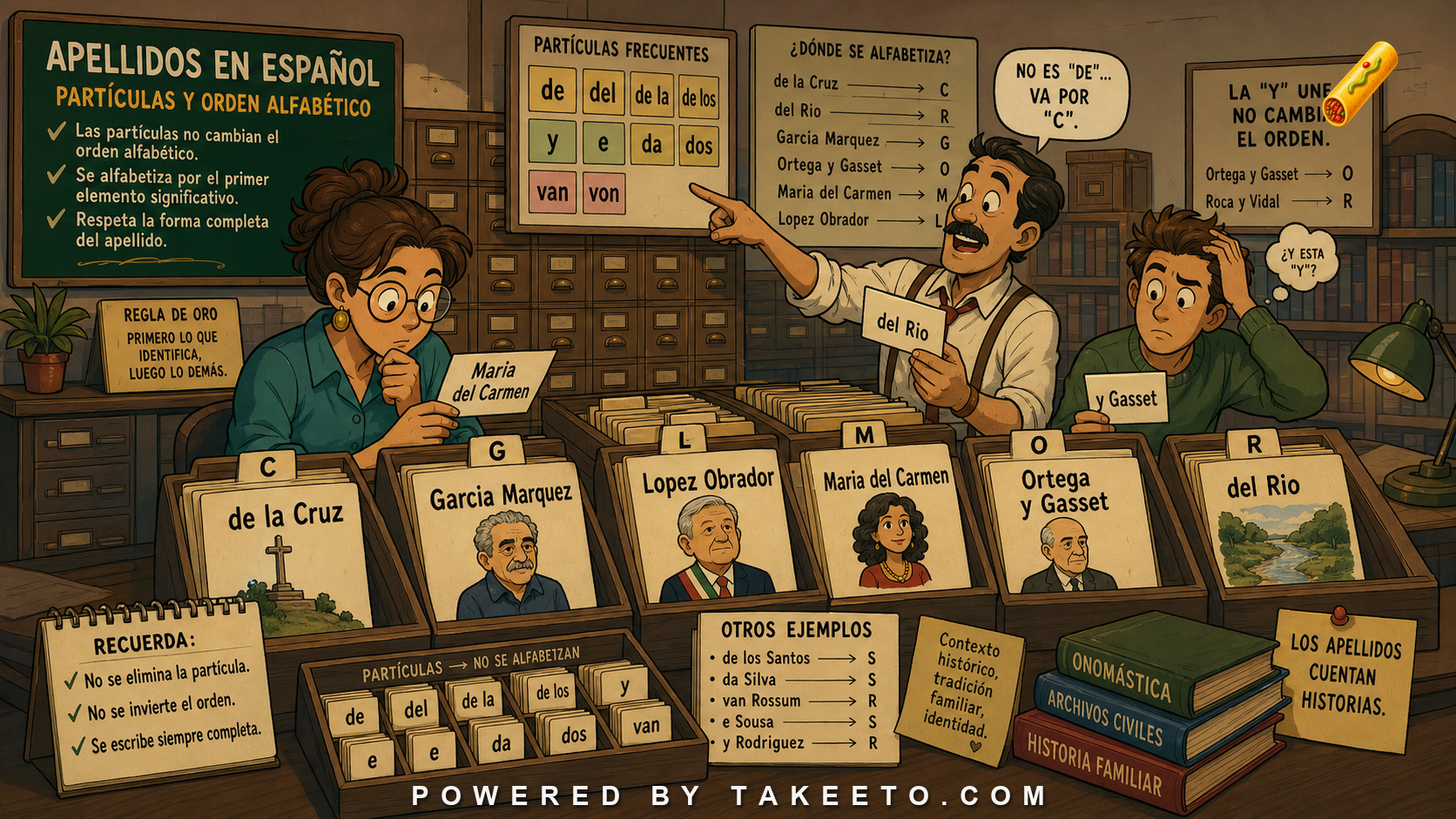
The reader understands surname particles and filing conventions in Spanish-speaking contexts.
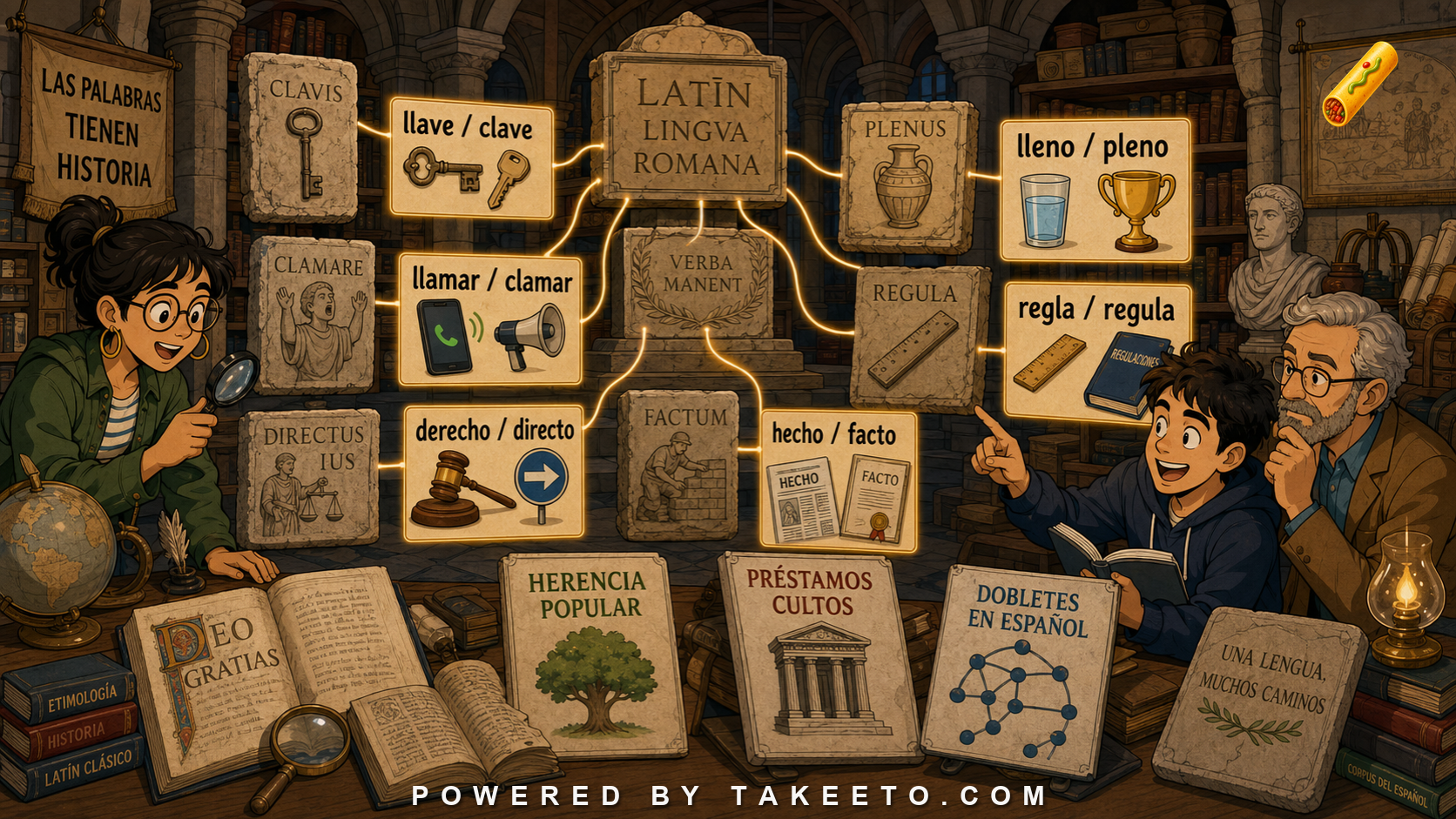
The reader can distinguish inherited words from learned Latinisms and doublets.
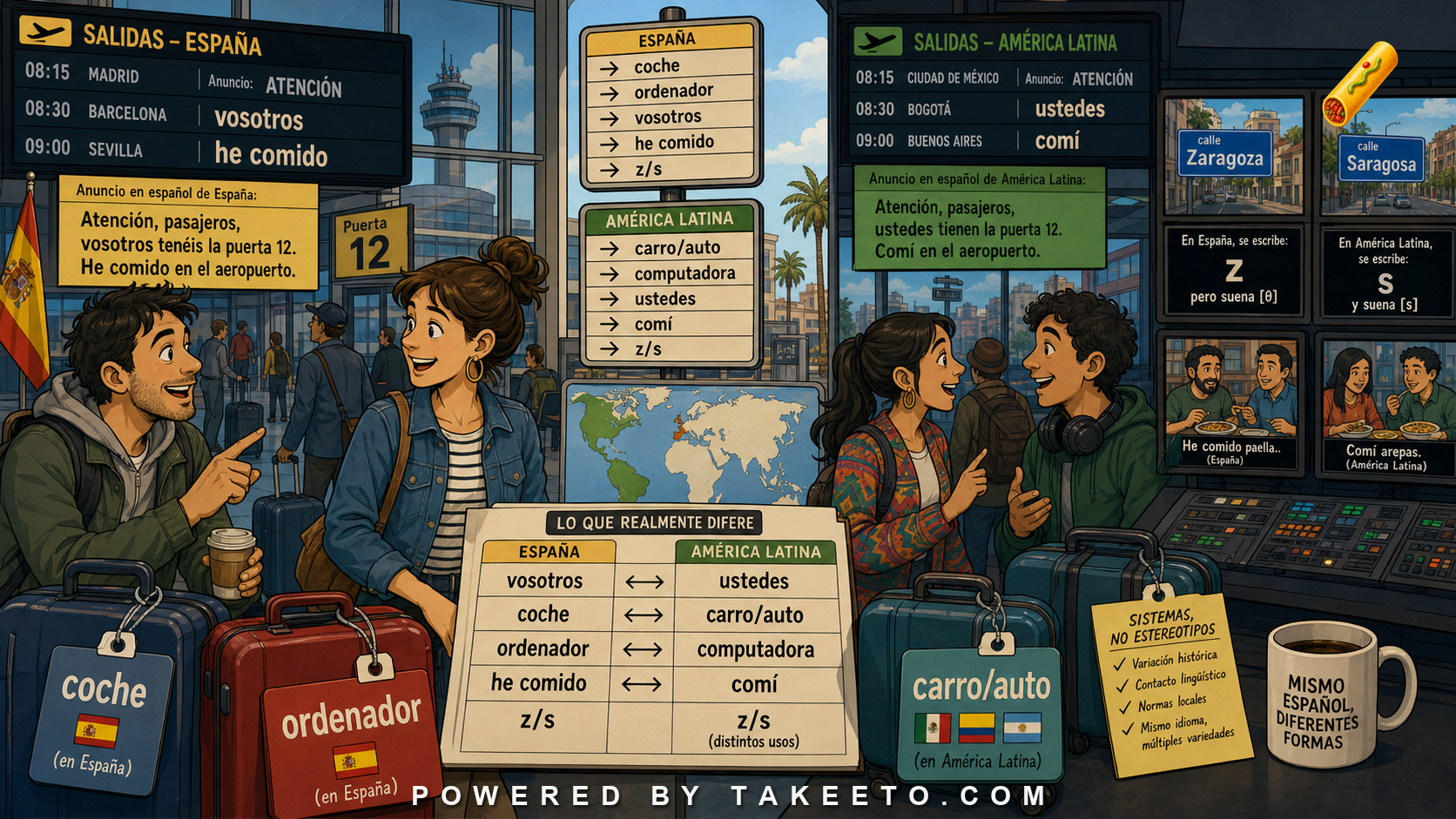
The reader can separate real systemic differences from stereotypes.
The reader can identify similarities and major divergences between Spanish and Portuguese.
The reader can use word families to build vocabulary systematically instead of memorizing isolated items.
The reader can use country names, demonyms, and regional adjectives accurately.
The reader can use cognates intelligently while avoiding high-cost false friends.
The reader can explain why h is written but not pronounced in most Spanish words.
The reader can parse Spanish technical vocabulary built from Greek roots.
The reader understands Catalan as a separate Romance language in contact with Spanish.
The reader can approach identity terms with historical and regional sensitivity.
The reader can interpret Spanish place names and their grammar.