
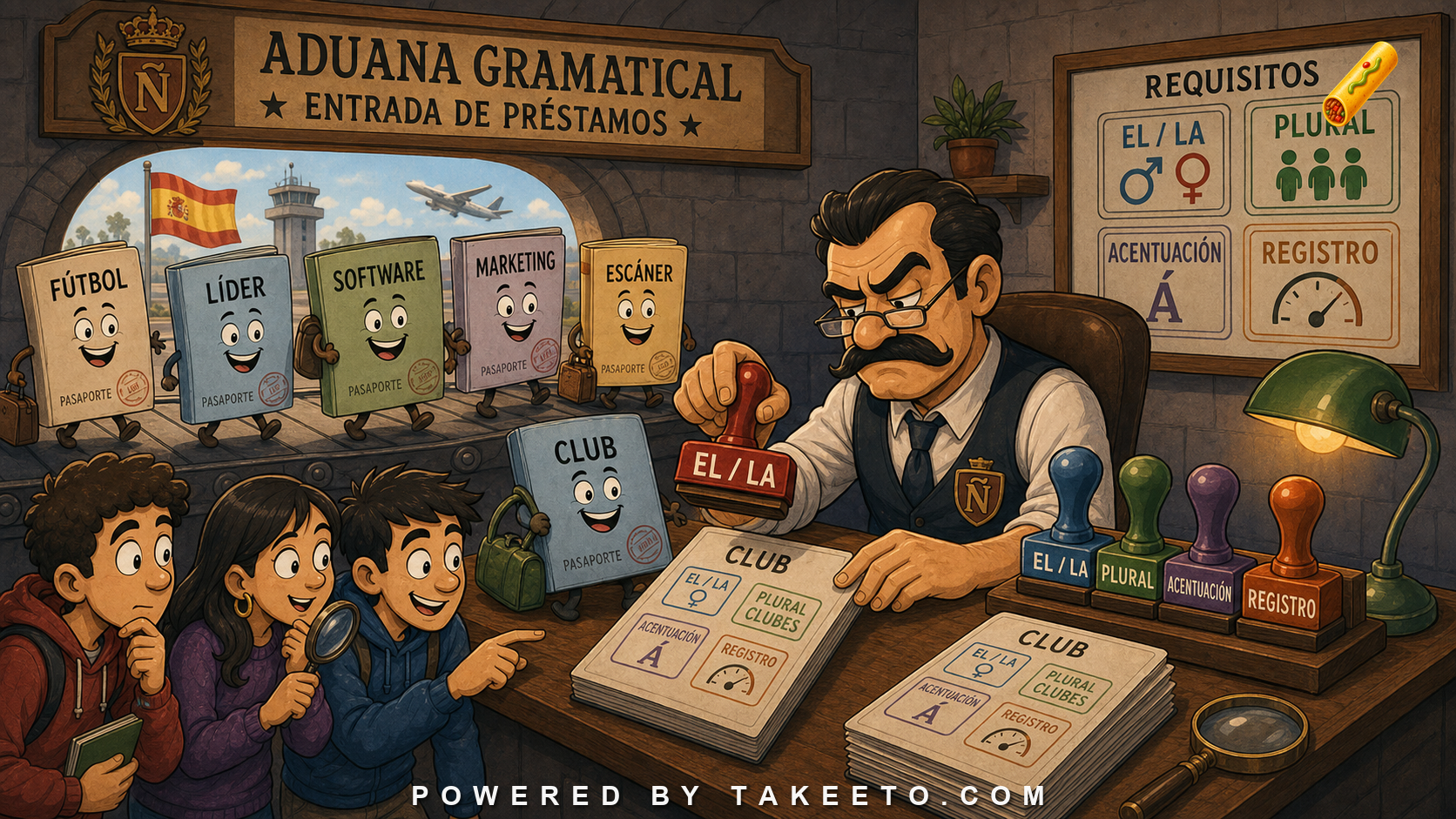
Loanwords in Spanish: Adaptation, Gender, Plural, and Register
The reader can analyze how borrowed words enter Spanish and become grammatical.
Long-form Spanish articles for learners who want structure, evidence, examples, and linguistic explanations that do not collapse into slogans.
38 articles tagged Academic Spanish.
The reader can analyze how borrowed words enter Spanish and become grammatical.
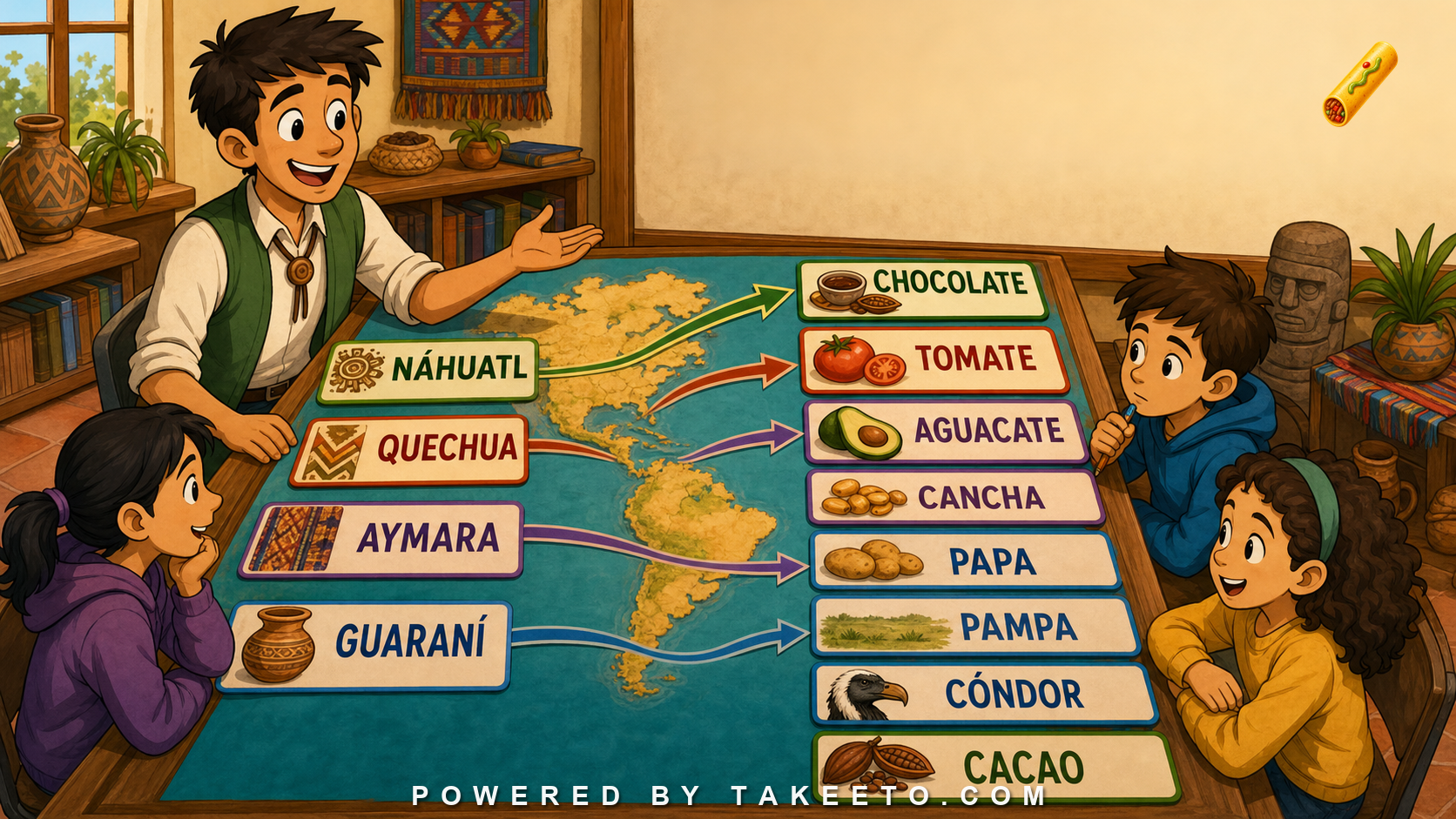
The reader can identify lexical and structural effects of indigenous-language contact with appropriate caution.

The reader can follow scholarly argument through reporting verbs.
The reader can use corpus tools to investigate Spanish usage while respecting limits of sampling, register, dialect, and interpretation.
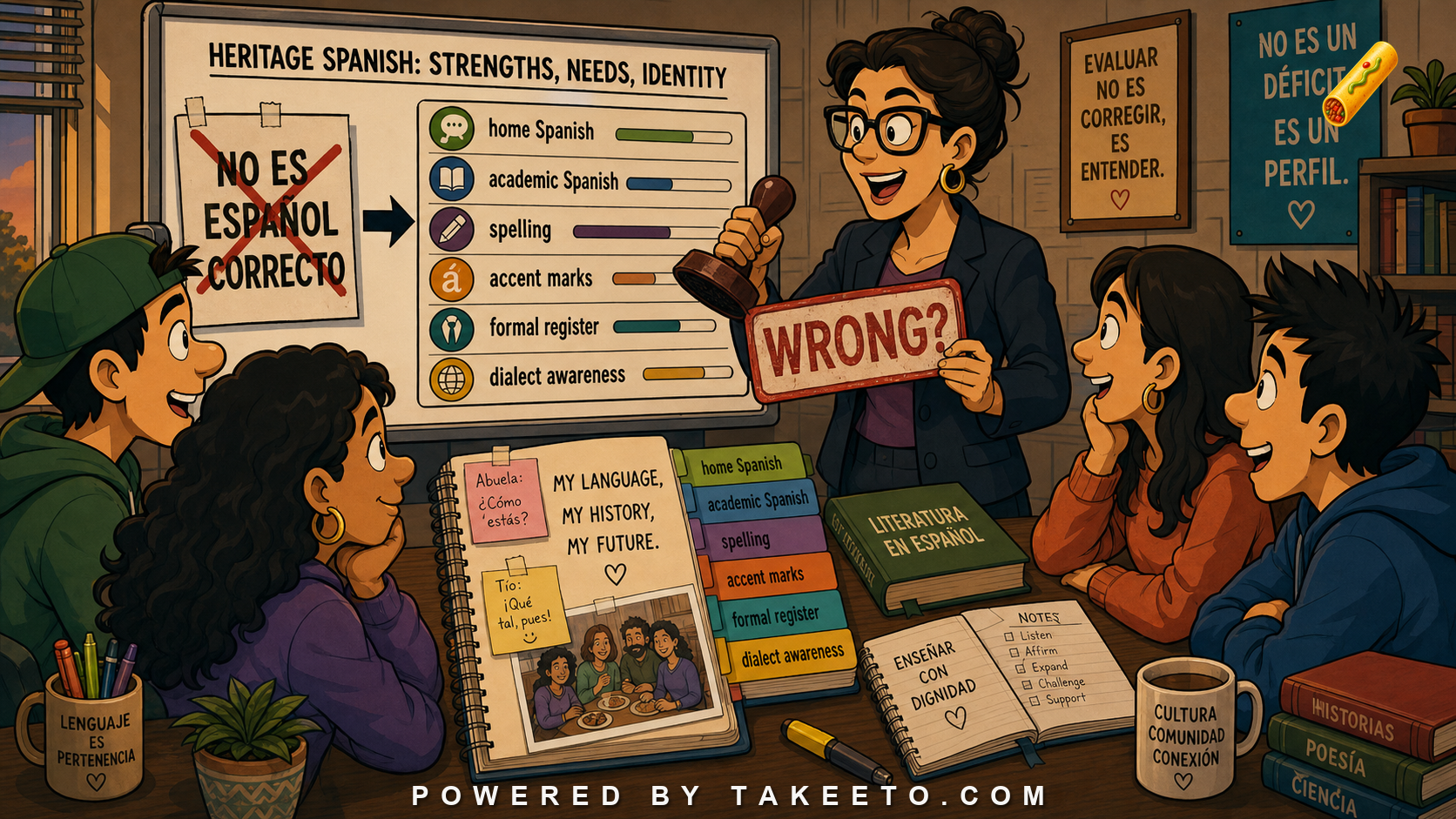
The reader understands heritage Spanish as a legitimate linguistic profile with specific learning needs.
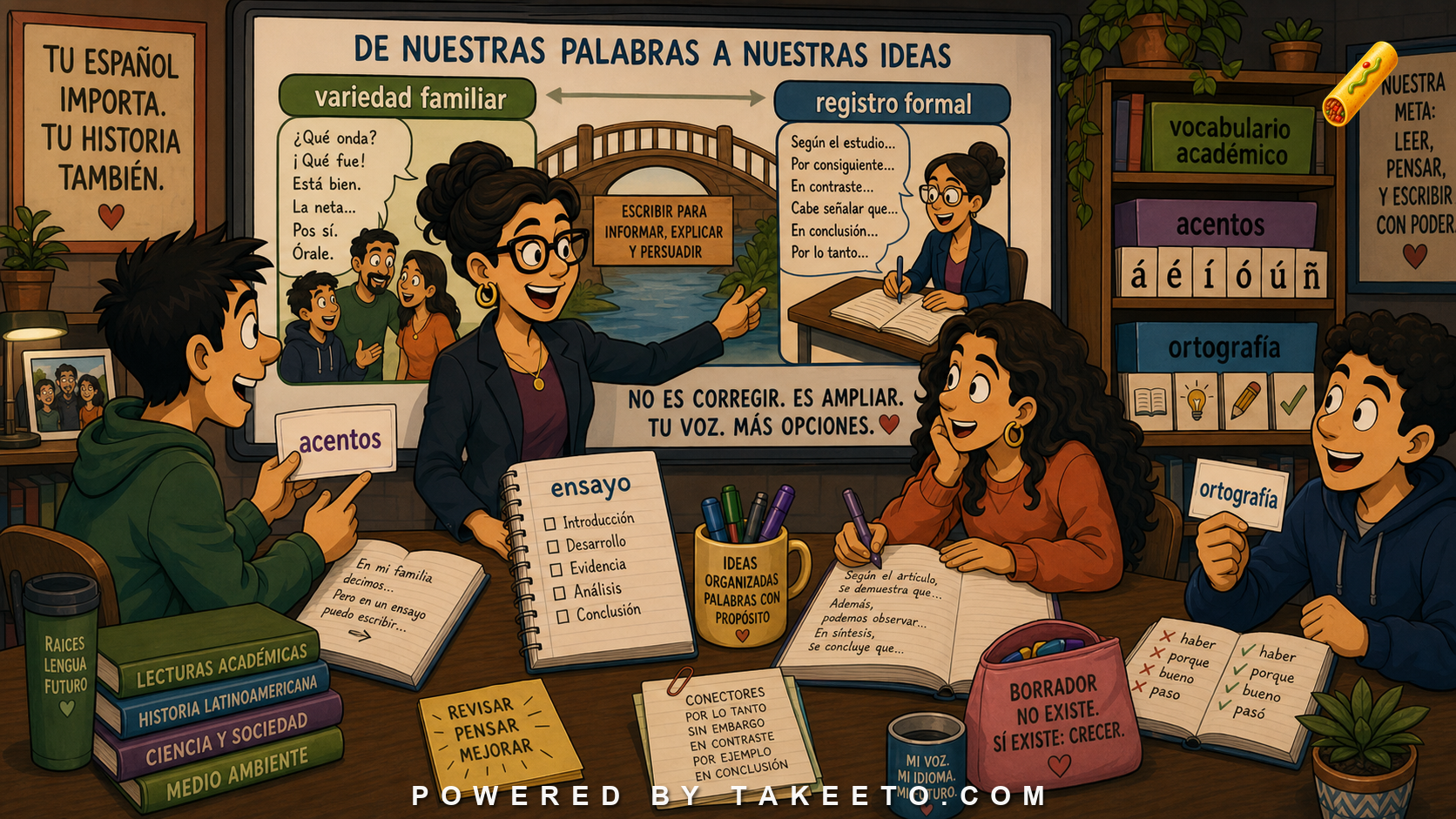
The reader can design study around literacy expansion rather than correction alone.
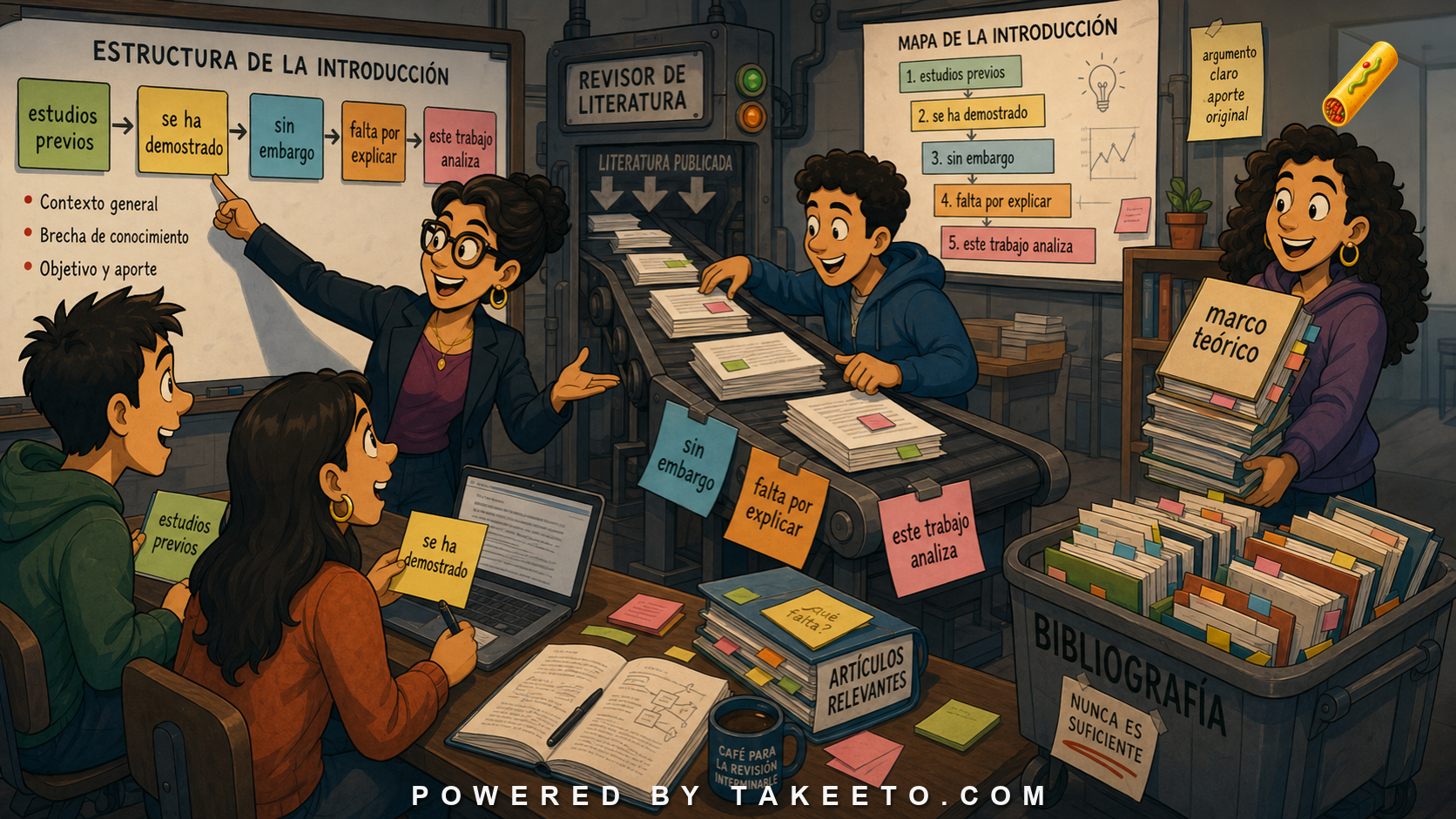
The reader can follow how Spanish academic articles establish a problem and prior research.

The reader can build advanced vocabulary from recurring Latin roots and affixes.
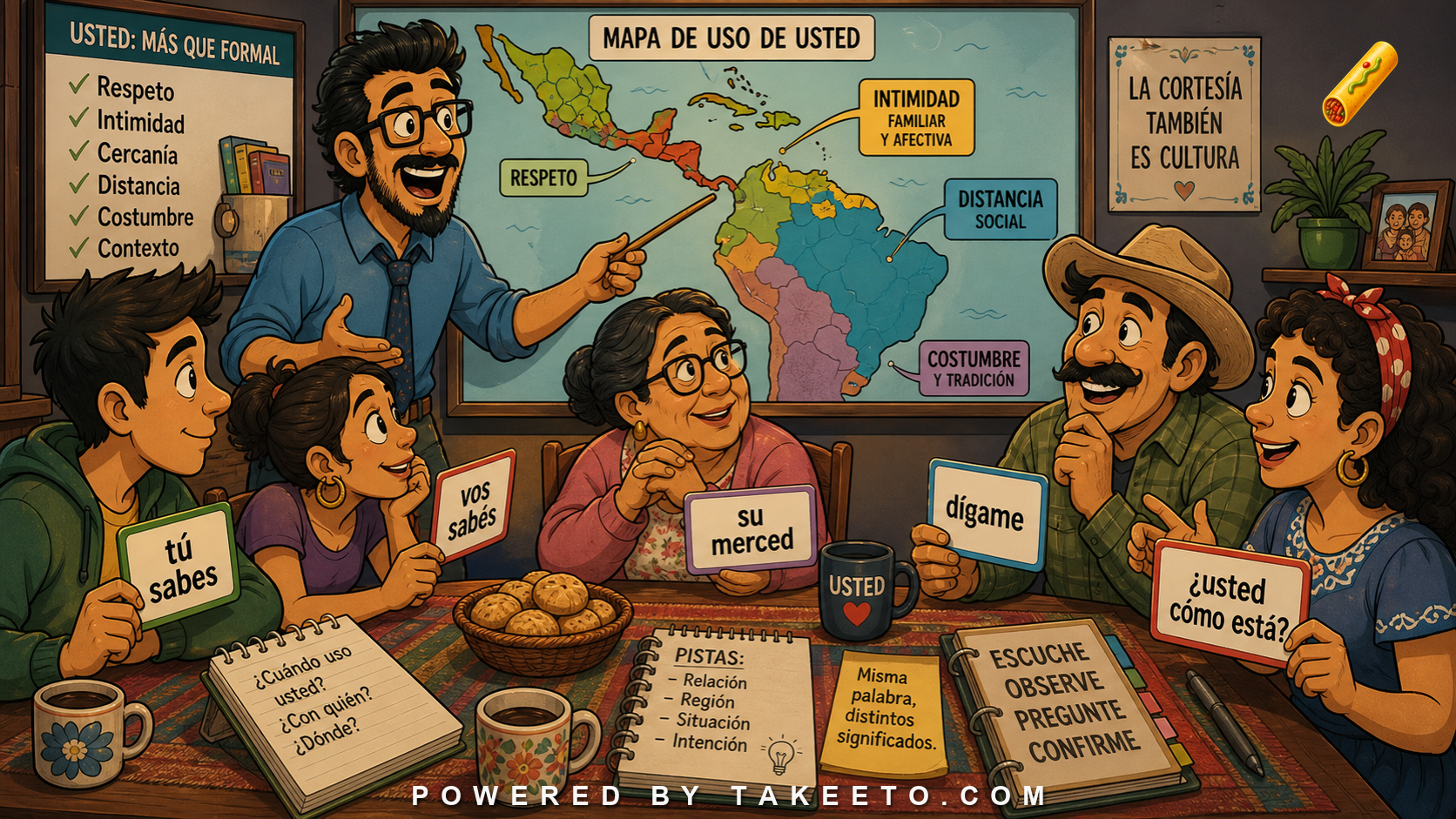
The reader understands usted as a regional social tool, not only formal distance.
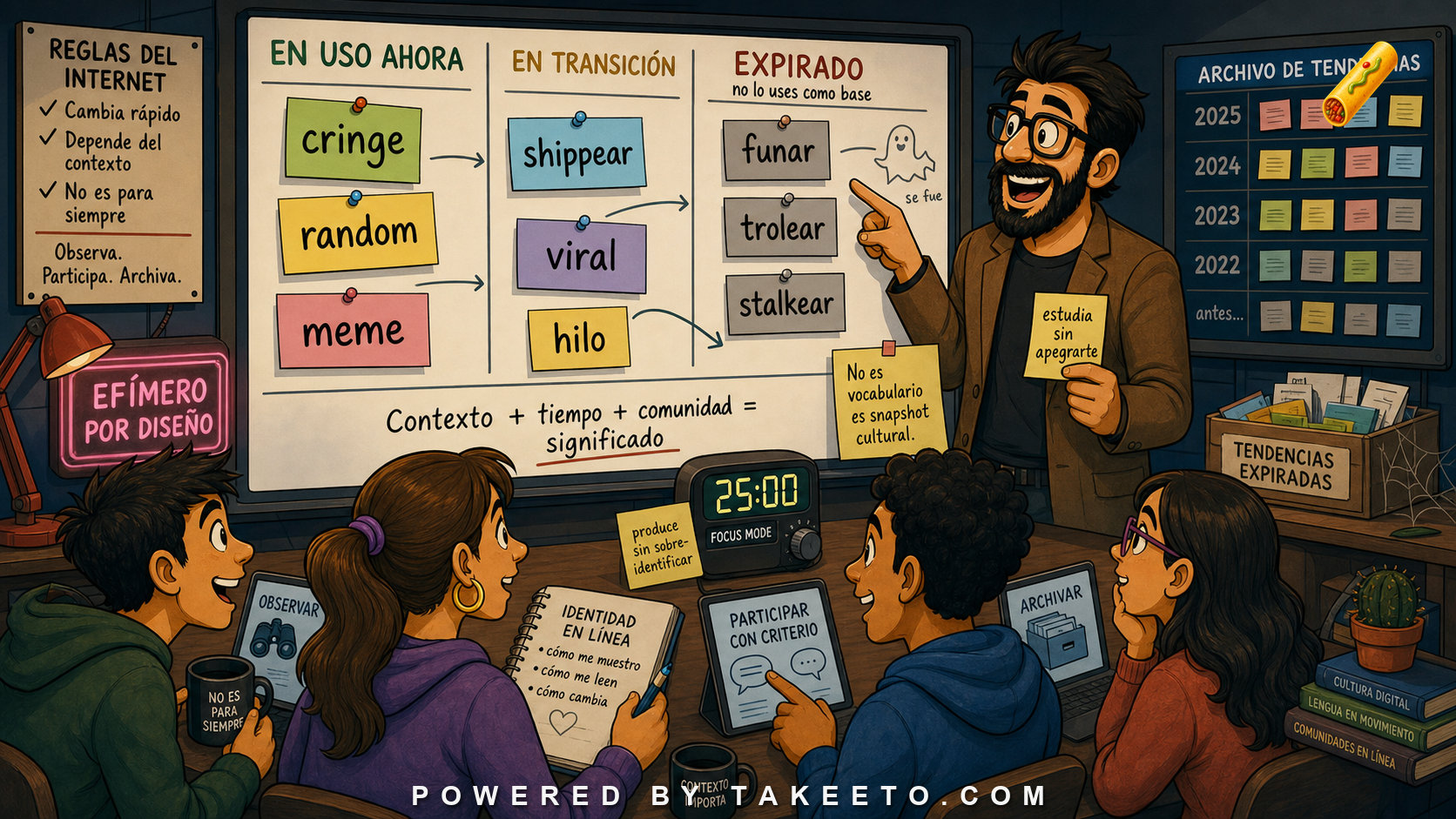
The reader can study slang without treating it as stable core vocabulary.
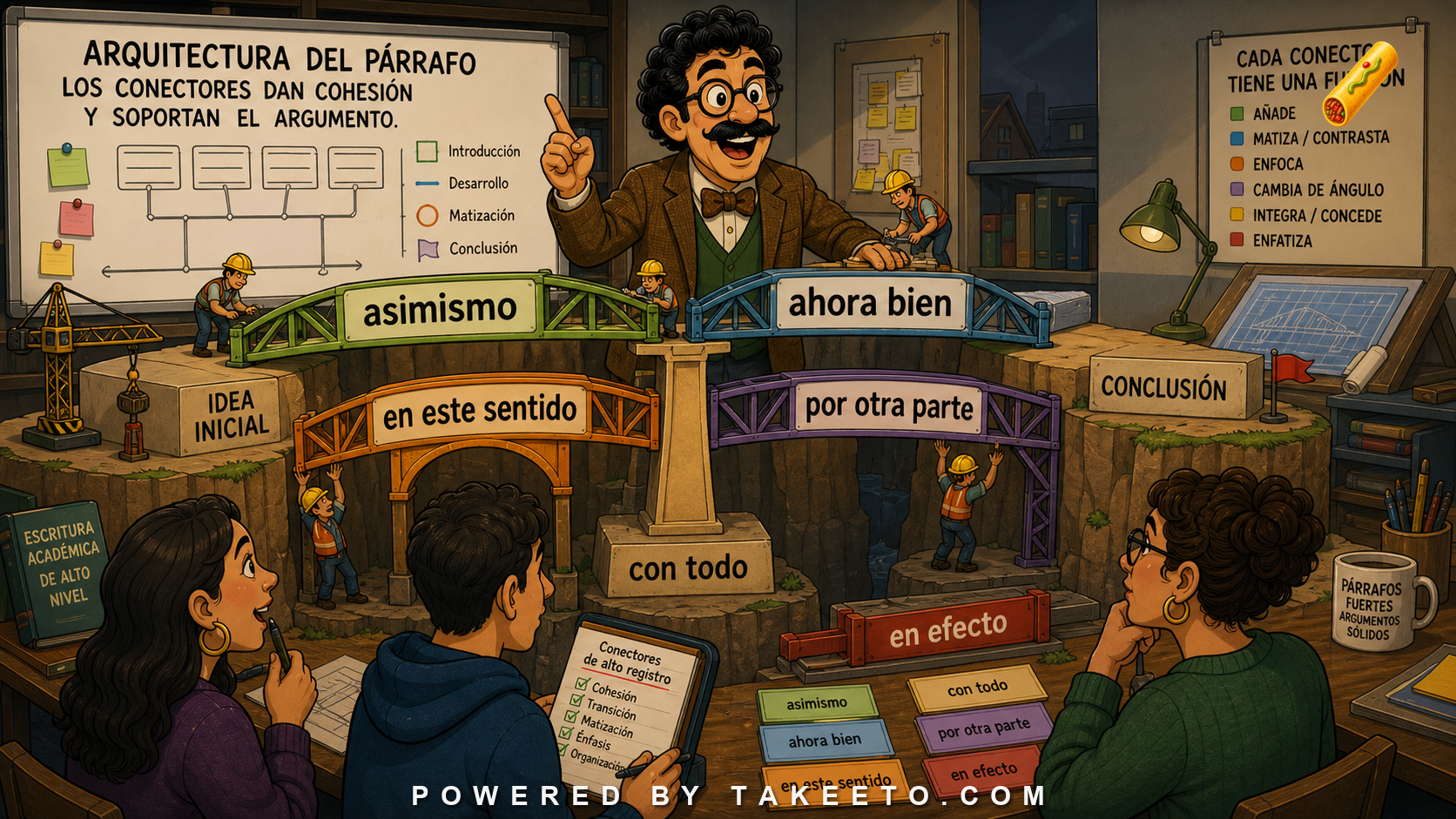
The reader can interpret high-register connectors as paragraph architecture.
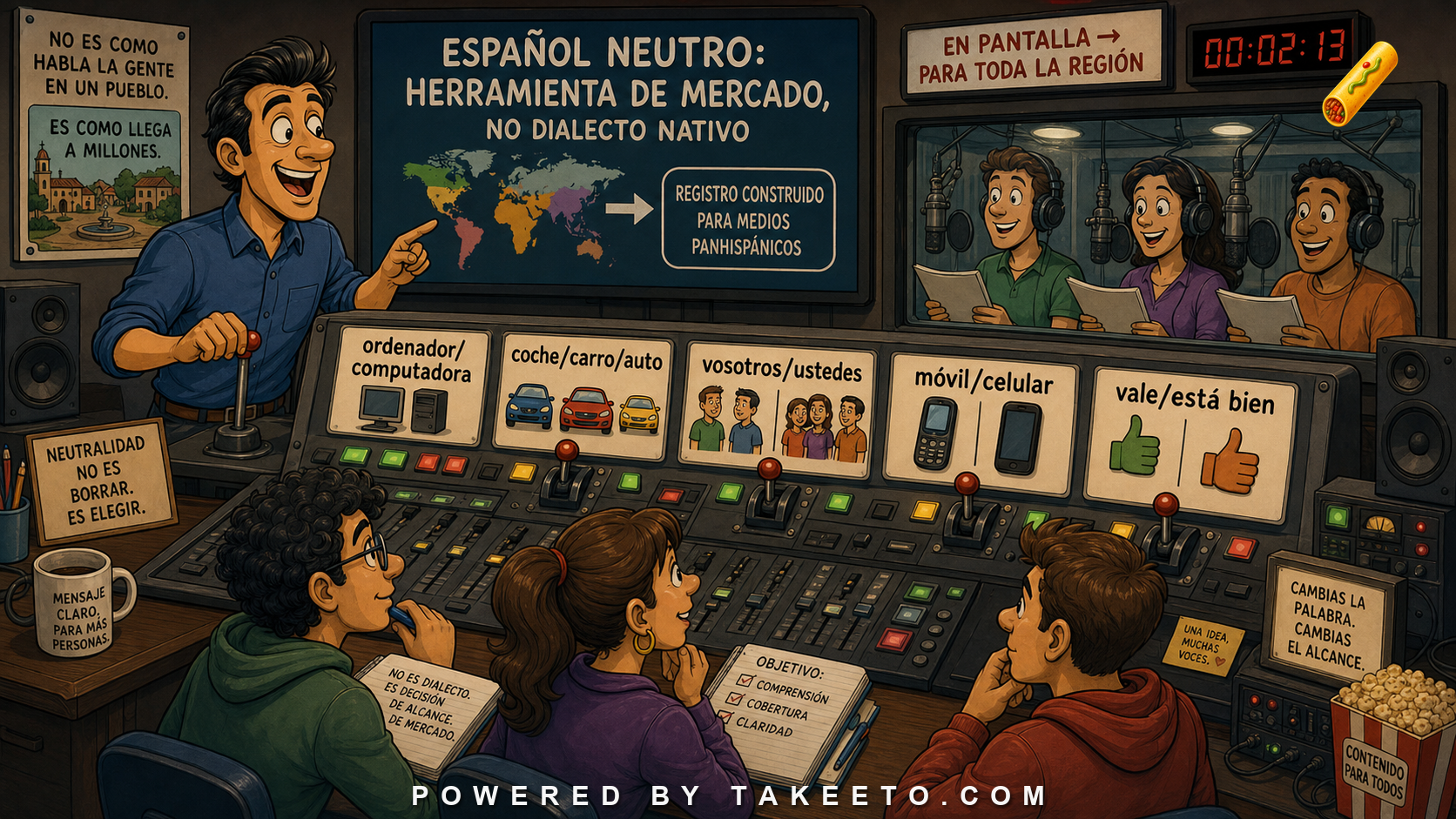
The reader understands neutral Spanish as a constructed media register.
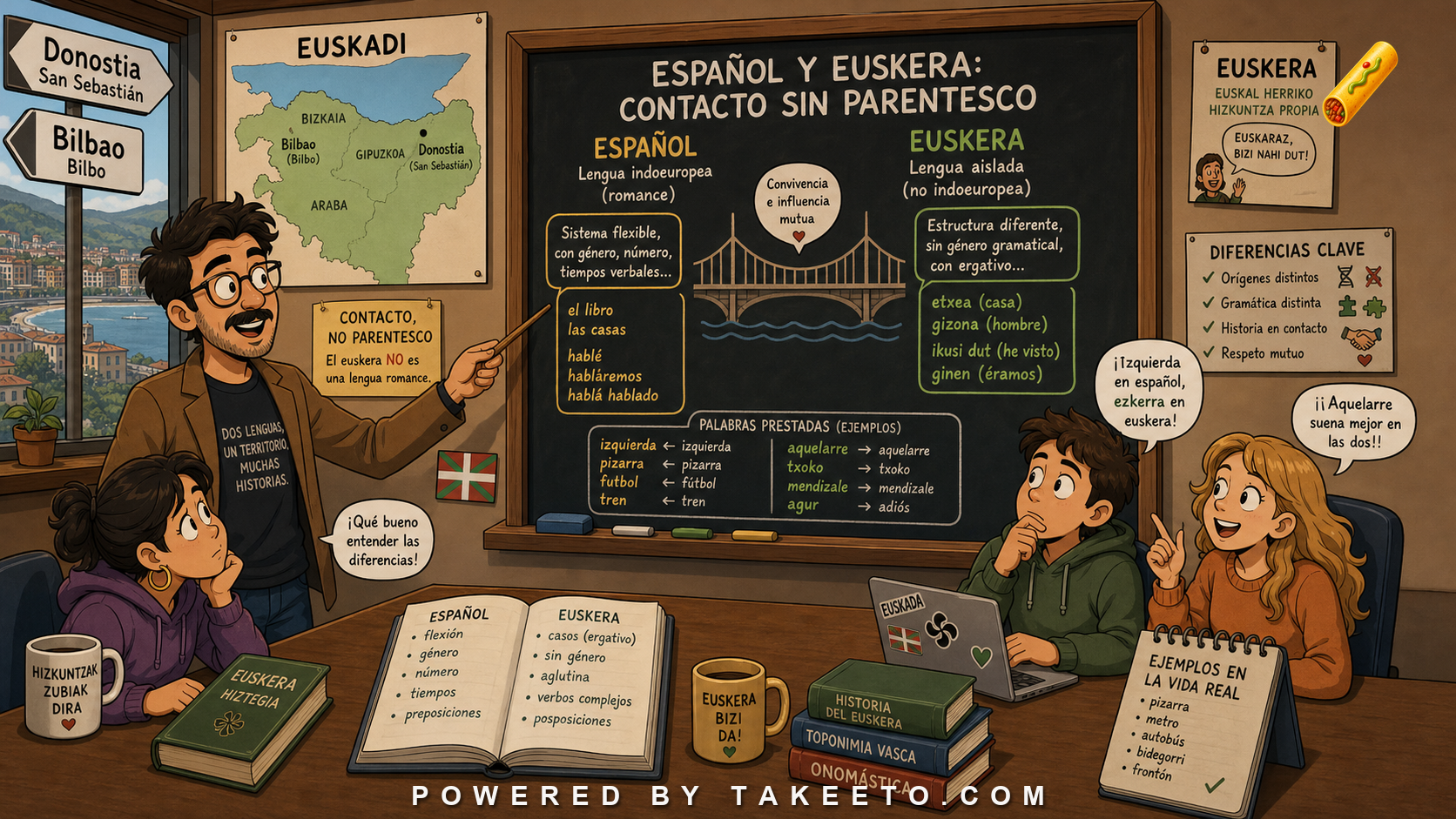
The reader understands Basque-Spanish contact without treating Basque as a Romance language.
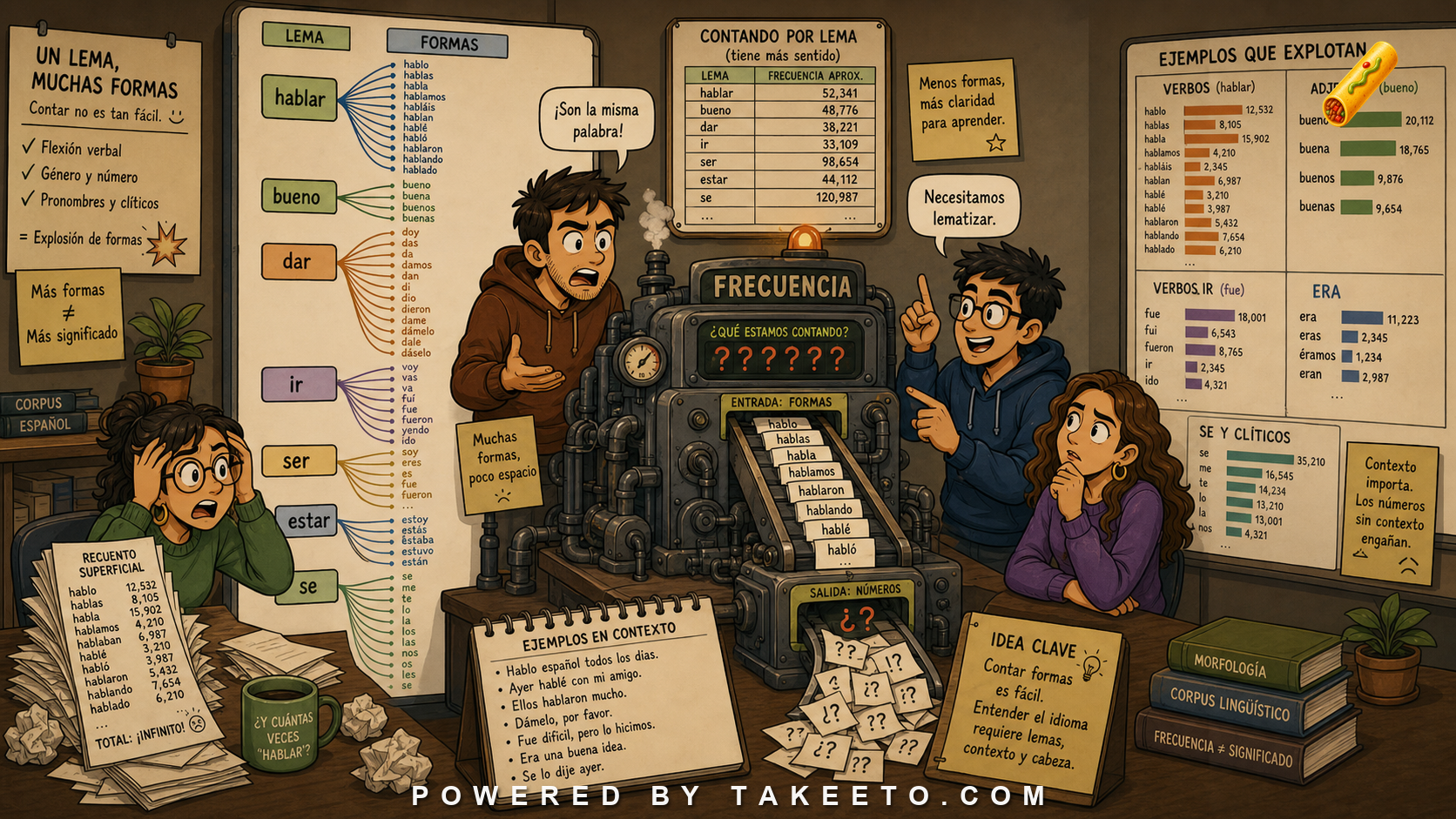
The reader understands why Spanish morphology complicates word counting.
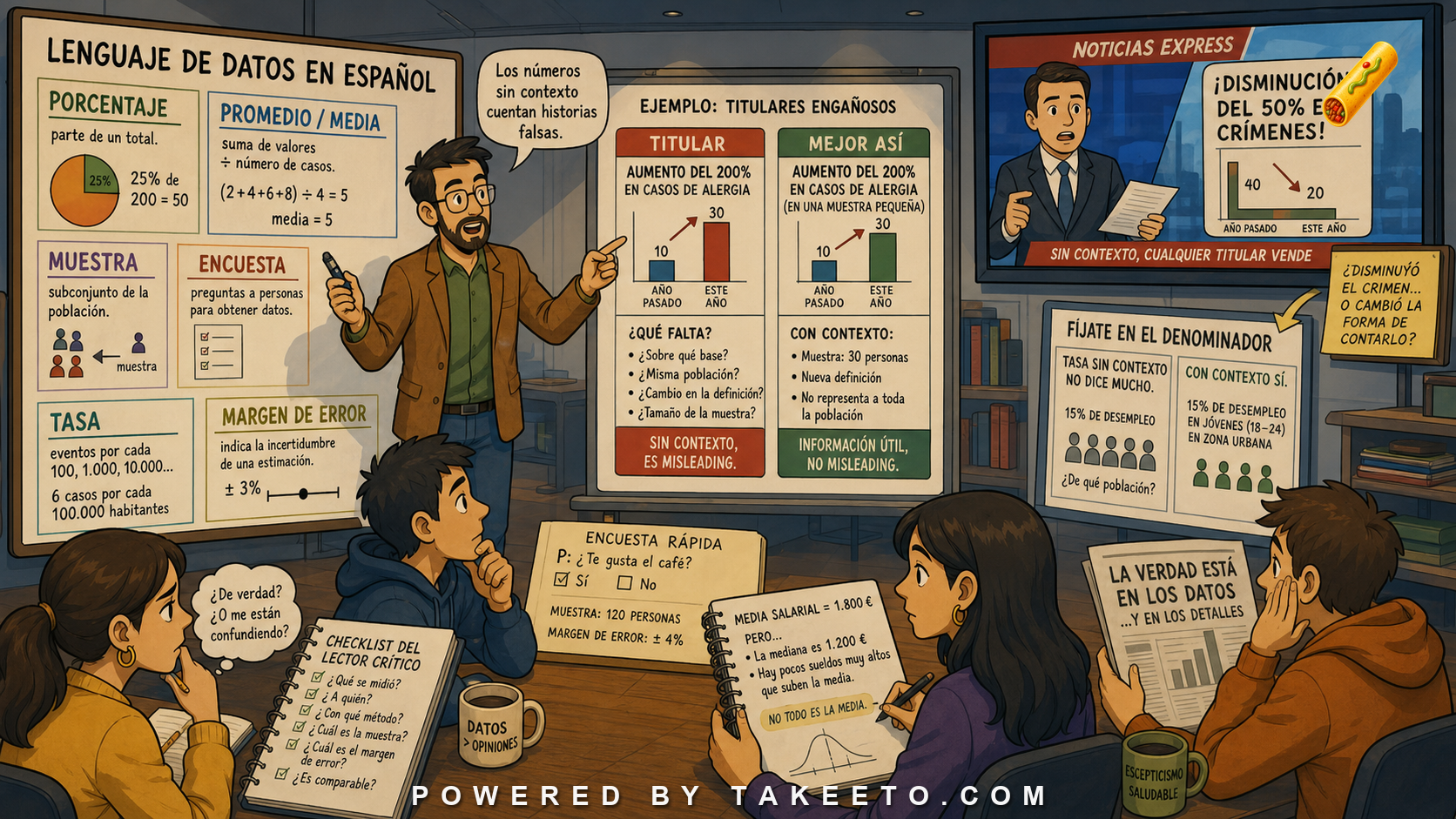
The reader can read basic statistical claims in Spanish without being misled by vague comparison, weak denominators, or media framing.
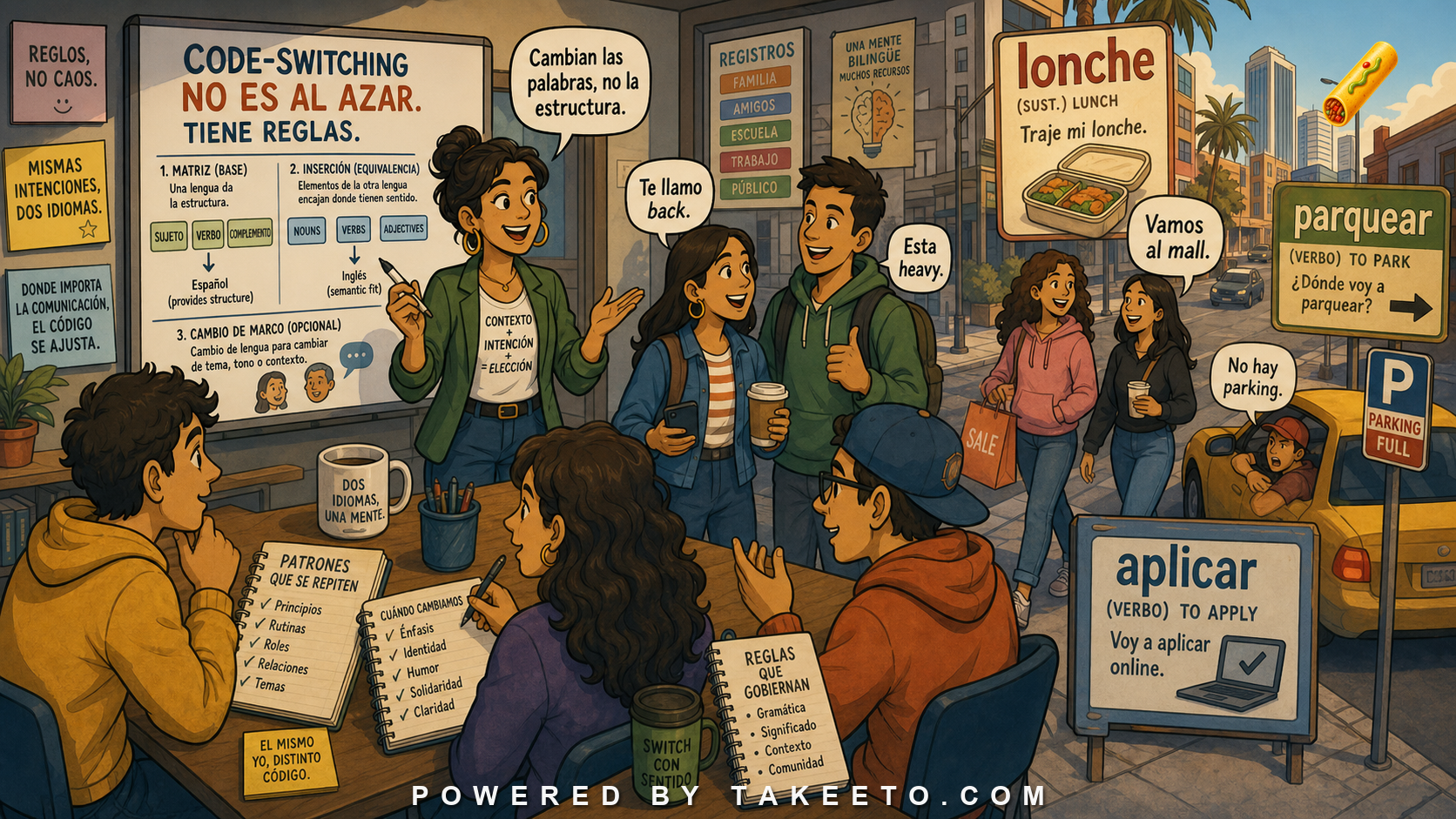
The reader understands Spanish-English code-switching as rule-governed bilingual behavior.
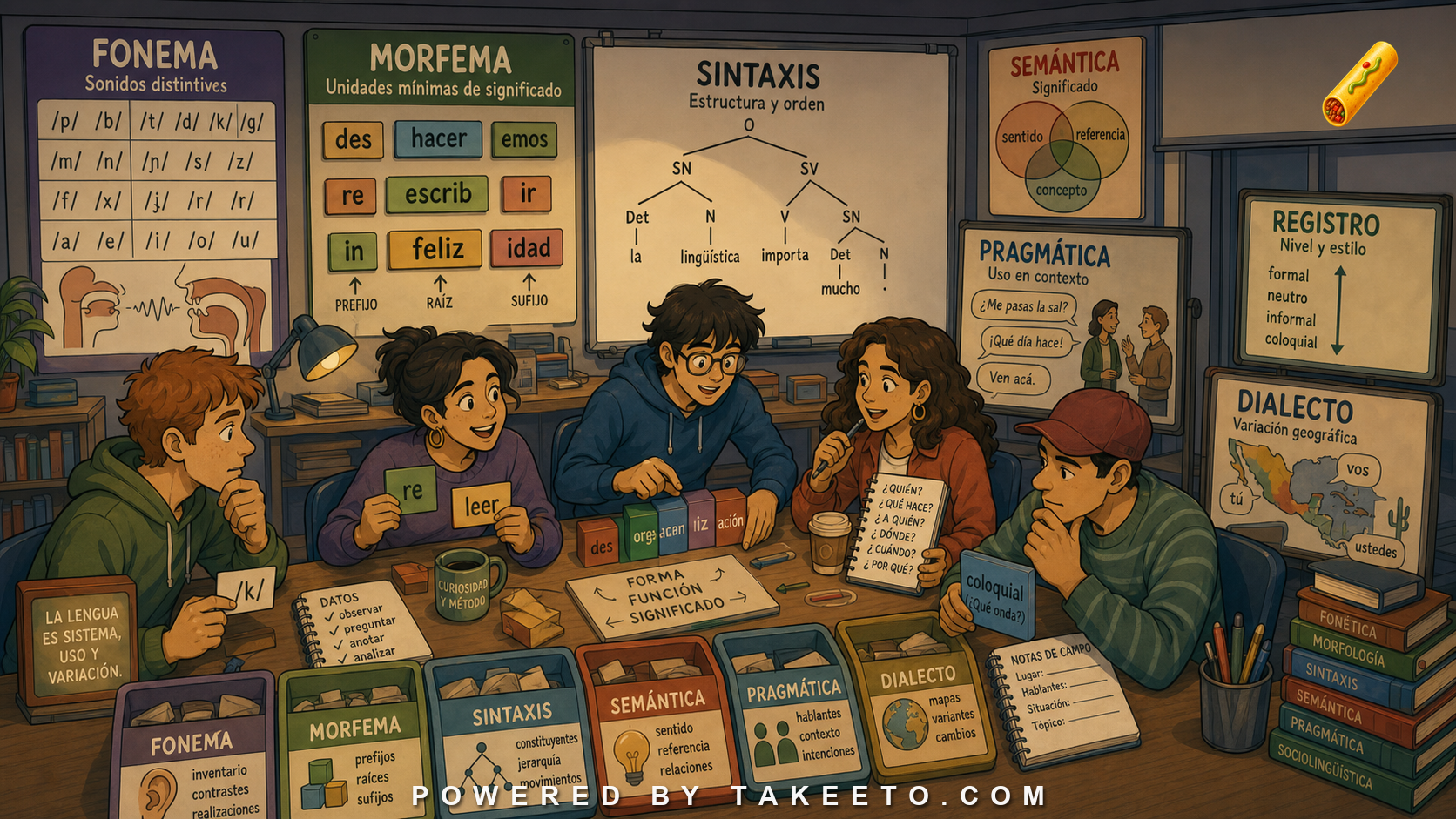
The reader gains the linguistic categories needed to analyze Spanish seriously.

The reader can decode Spanish citation practices and bibliographic terminology.
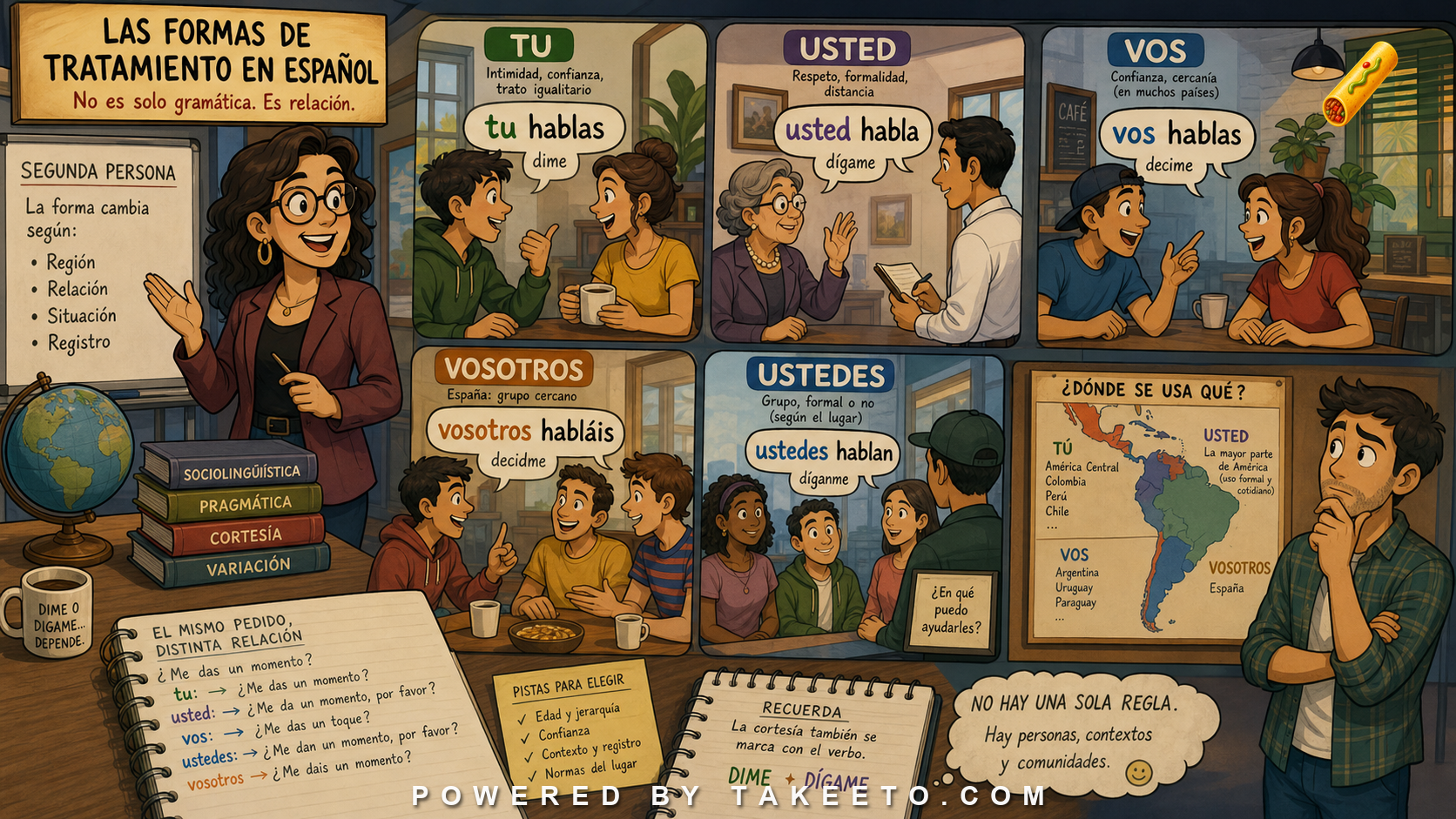
The reader can describe Spanish second-person systems across regions and social contexts.
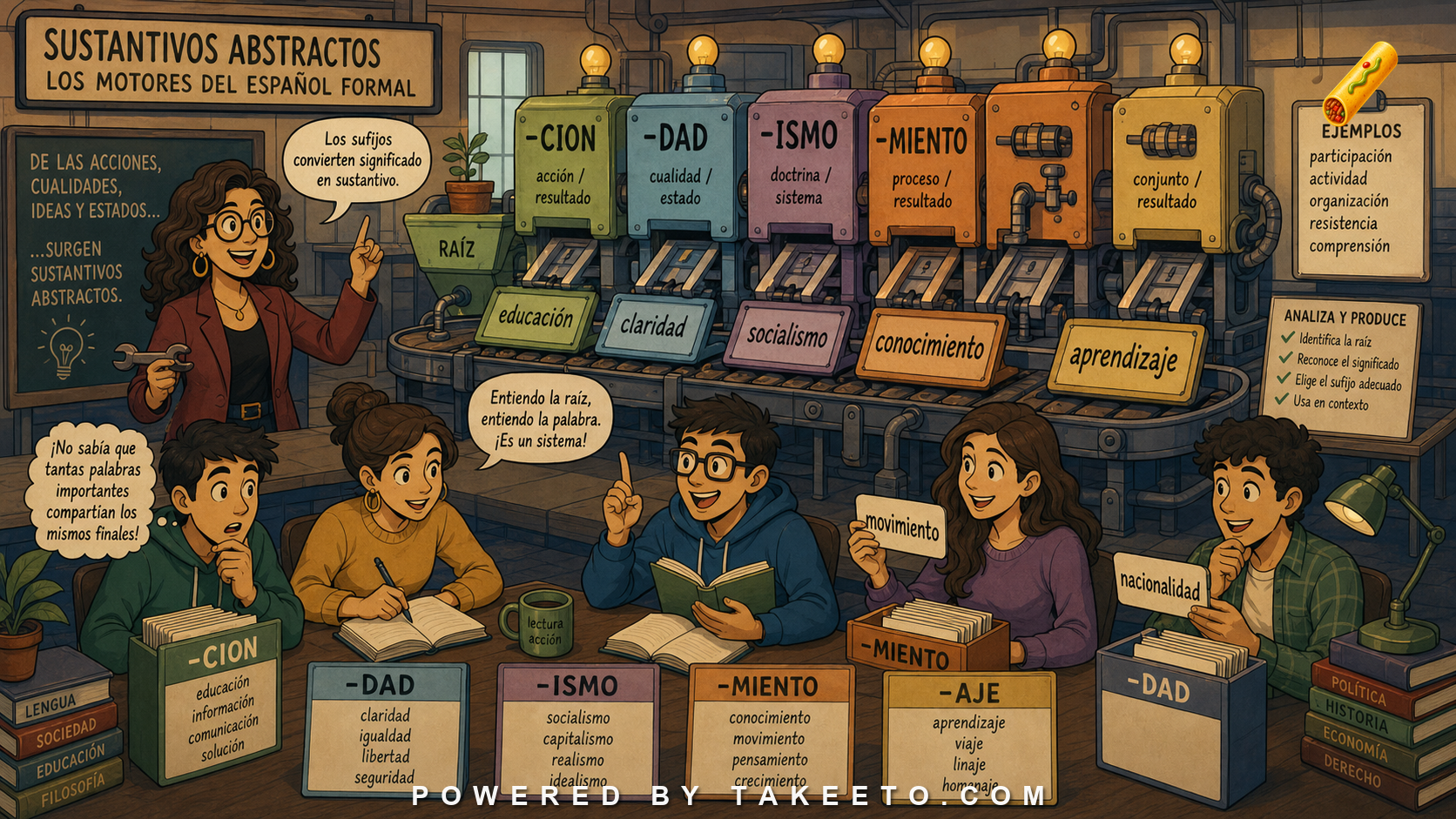
The reader can parse and produce abstract nouns that dominate formal Spanish.
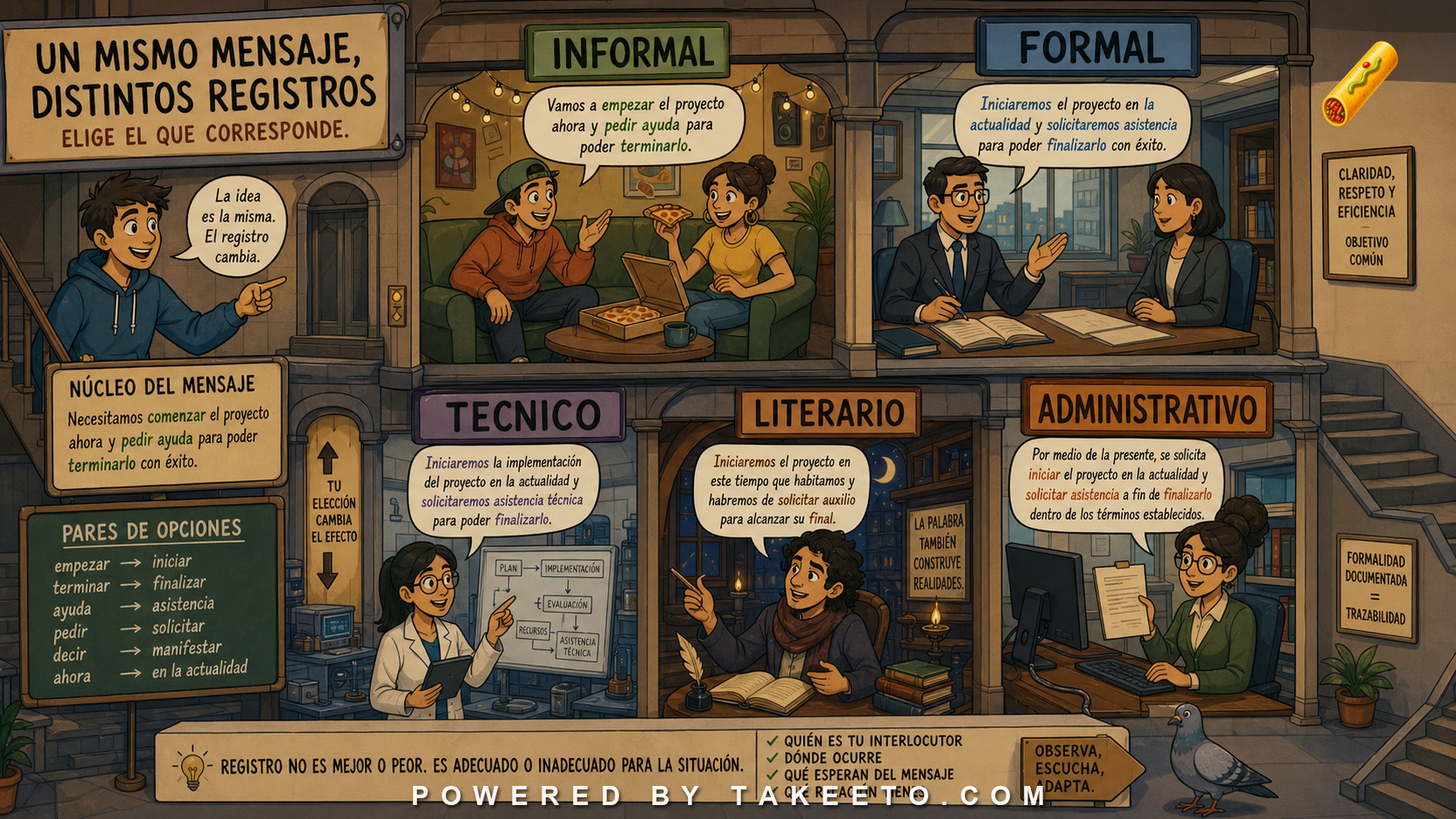
The reader can recognize register shifts and choose vocabulary appropriate to context.
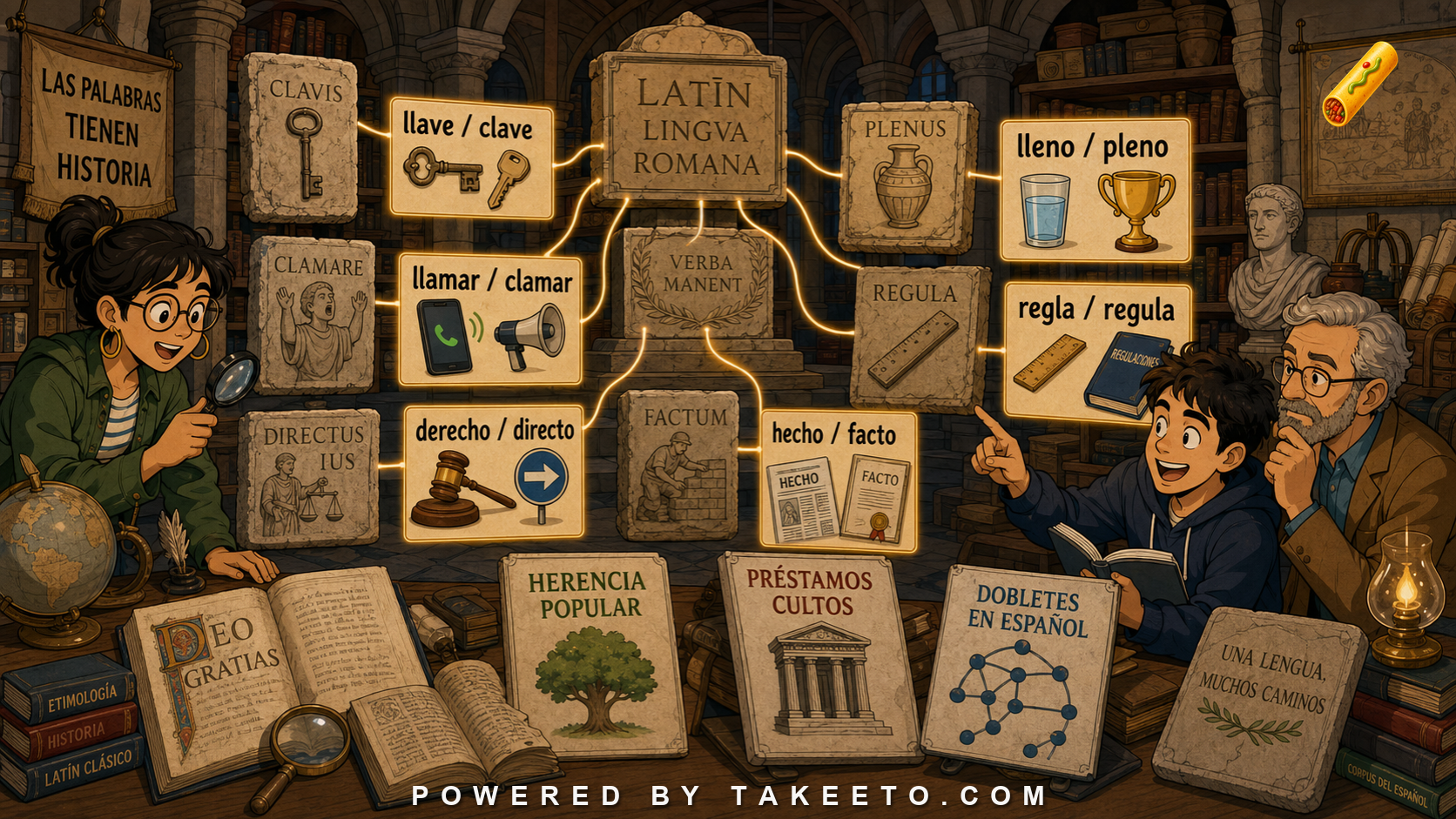
The reader can distinguish inherited words from learned Latinisms and doublets.
The reader can use neuter relative structures to refer to actions, ideas, facts, and whole propositions.
The reader understands inclusive-language debates with grammatical and social precision.
The reader can use images to support memory without flattening meaning.
The reader can understand Spanish scientific prose at a structural level, especially how claims are made cautiously.
The reader can analyze U.S. Spanish as a real Spanish-speaking ecology.
The reader can interpret nuanced change verbs in research and policy writing.
The reader can use Spanish grammar references critically, turning rules into testable usage questions instead of memorized traps.
The reader can interpret lo bueno, lo difícil, lo importante as abstract nominalizations.
The reader can evaluate public-facing science Spanish for accuracy and rhetorical choices.
The reader can parse Spanish technical vocabulary built from Greek roots.
The reader can recognize and produce the architecture of Spanish academic argument.
The reader can approach identity terms with historical and regional sensitivity.
The reader can use corpus evidence to answer usage questions responsibly.
The reader can discuss courses, requirements, research, and academic support in Spanish.
The reader can discuss standard Spanish as a social and pedagogical construct.
The reader can parse and write Spanish abstracts.