

G, J, and X: The Many Written Paths to Spanish /x/
The reader can decode Spanish j-like sounds across spelling, region, and historical spelling conventions.
Long-form Spanish articles for learners who want structure, evidence, examples, and linguistic explanations that do not collapse into slogans.
34 articles tagged Sound & pronunciation.
The reader can decode Spanish j-like sounds across spelling, region, and historical spelling conventions.
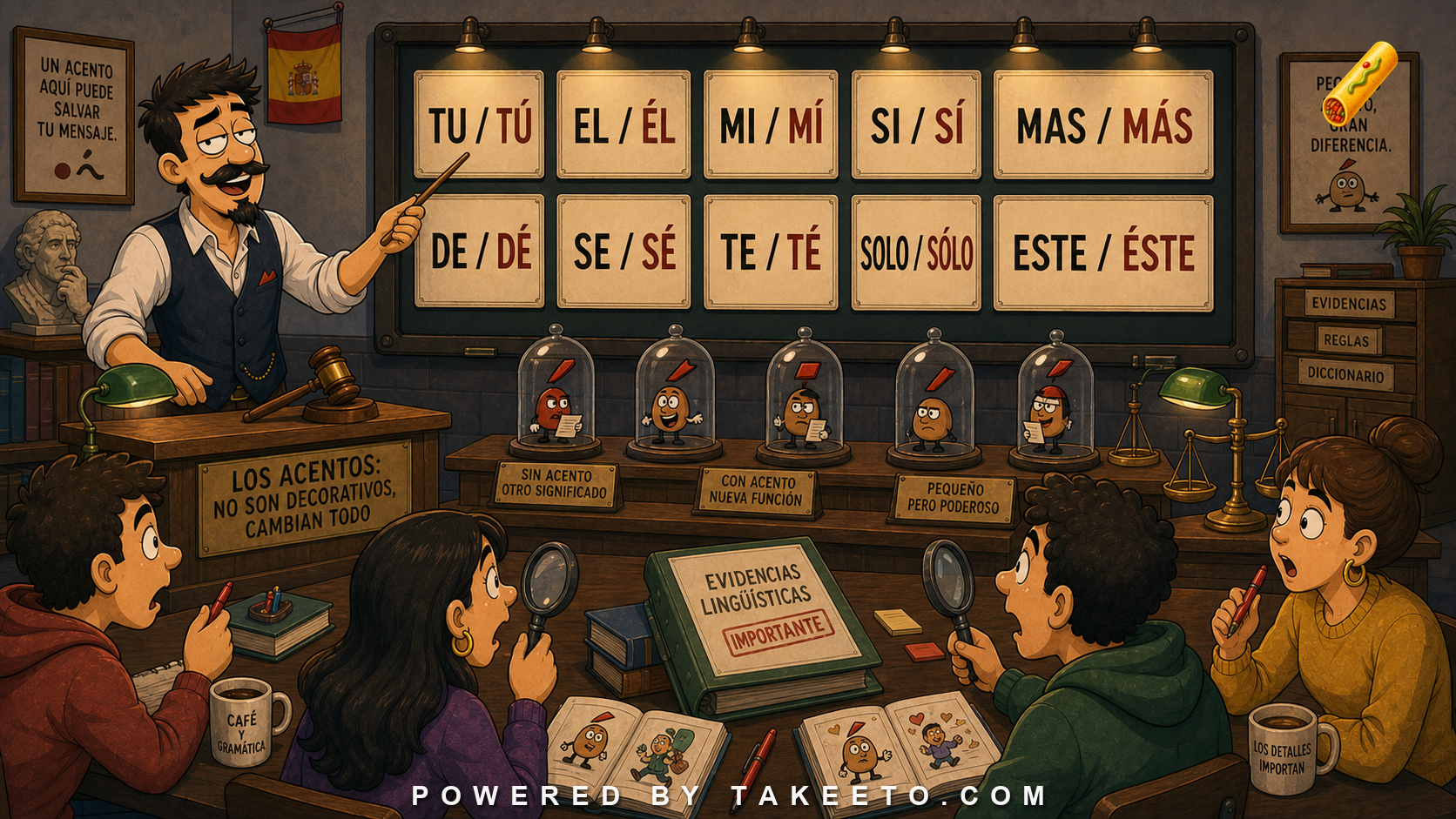
The reader sees diacritical accents as grammatical signs, not pronunciation aids alone.

The reader can read Spanish acronyms and understand gender, pronunciation, and plural conventions.
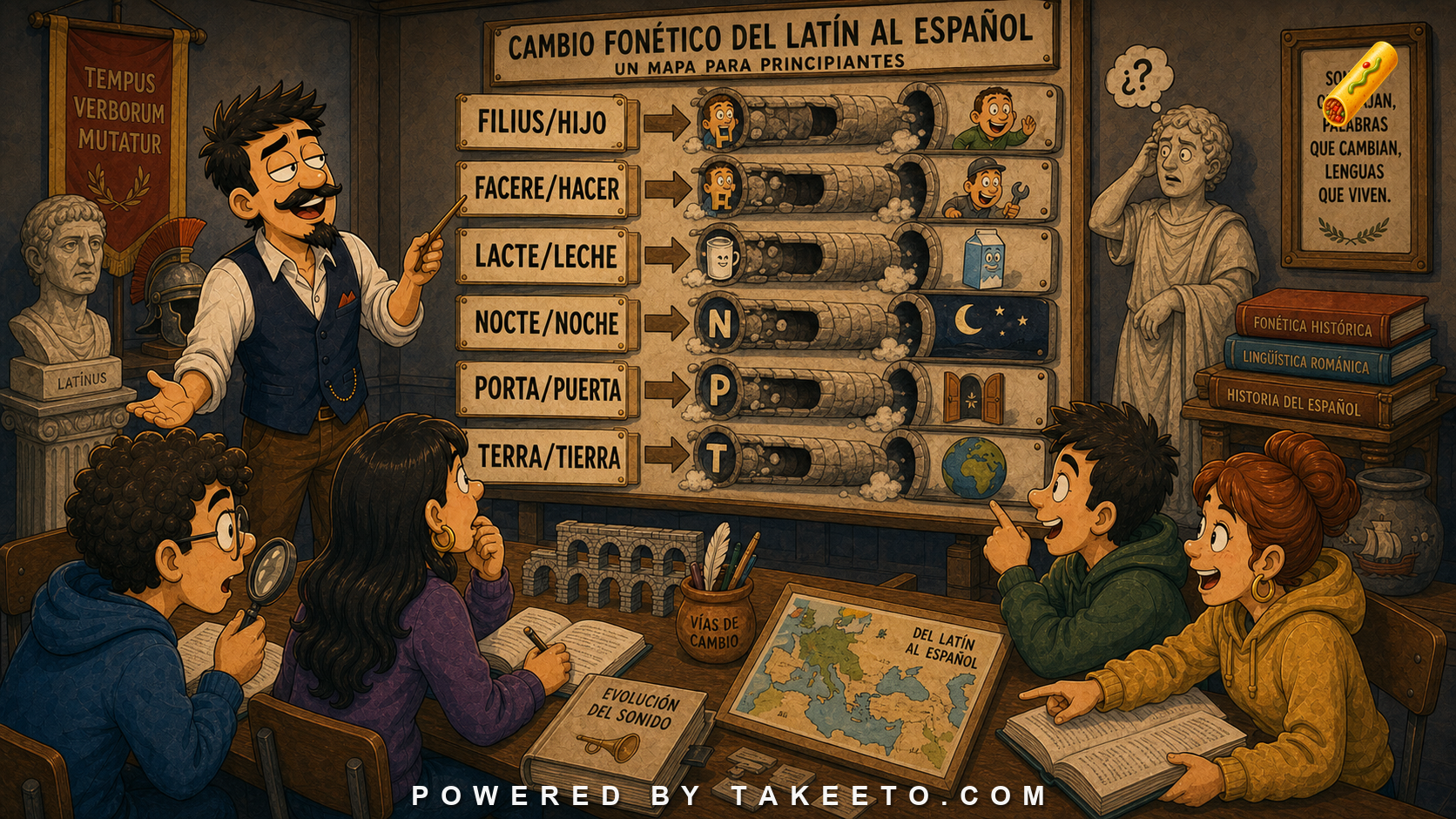
The reader can recognize major sound changes that explain modern Spanish word forms.
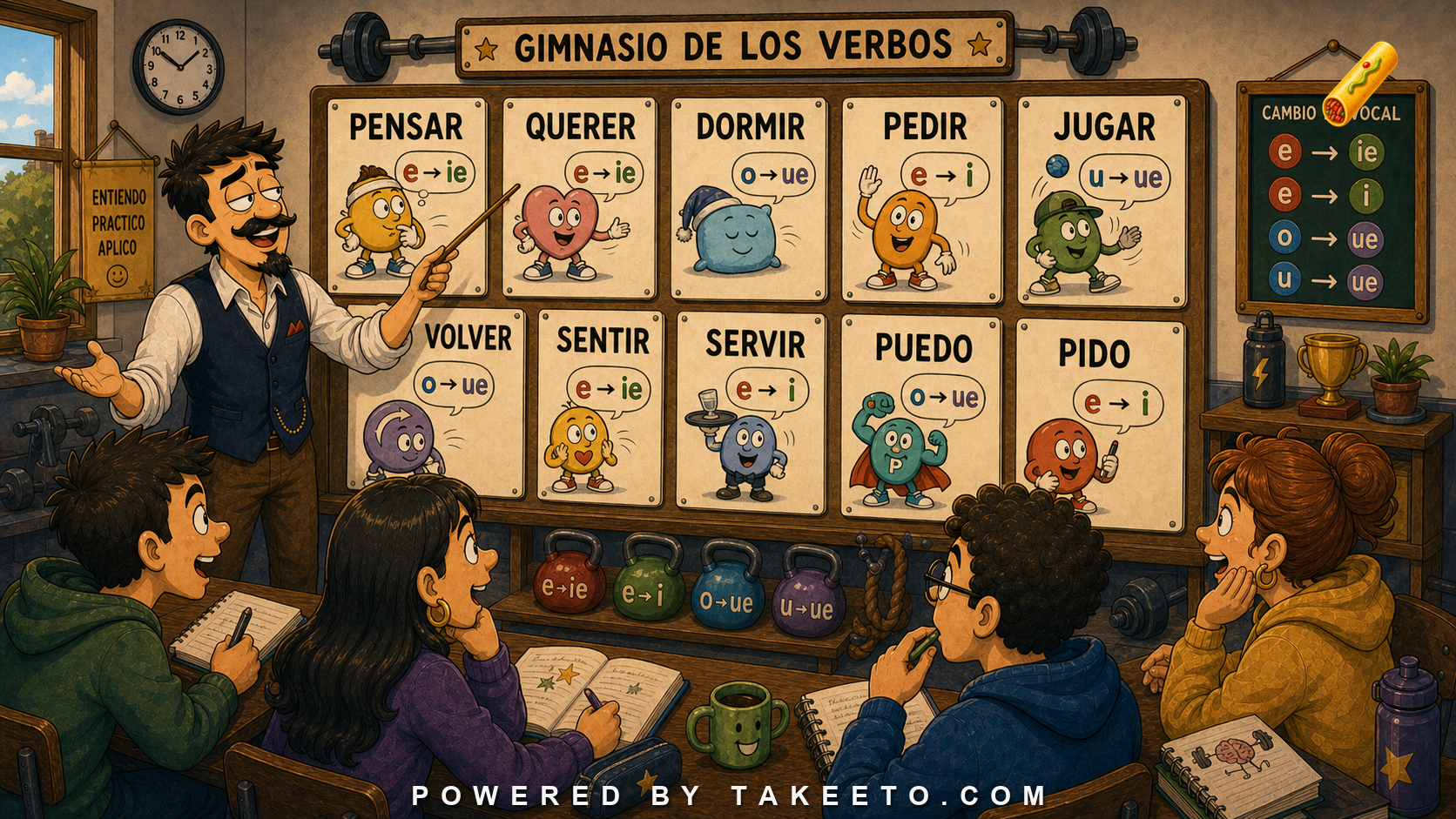
The reader can predict where and why stem changes appear in present and related forms.

The reader sees the full 365-article project as a connected map of Spanish literacy.
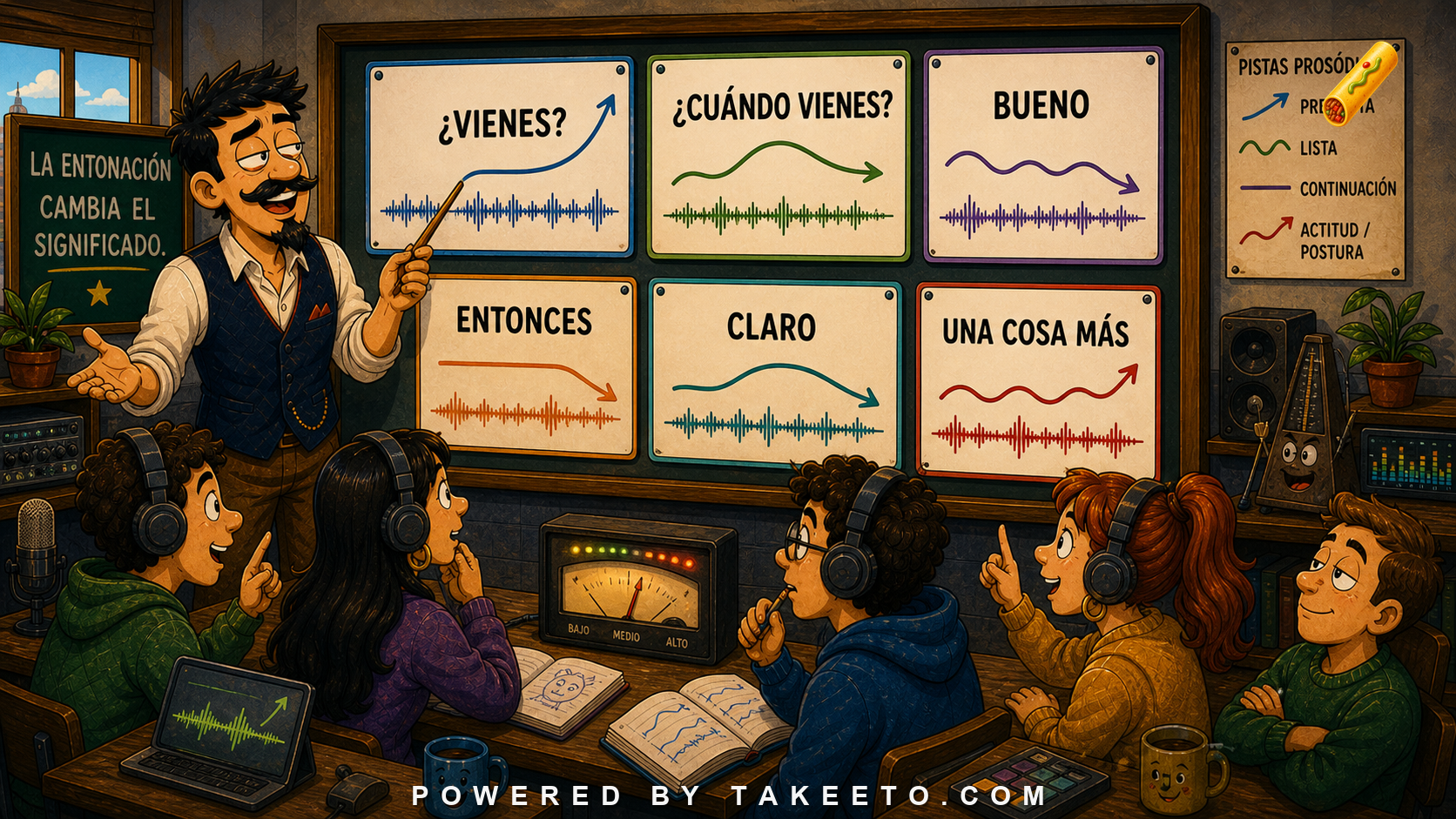
The reader understands intonation as part of meaning, not decoration.

The reader can divide Spanish words into syllables and understand how syllable structure shapes stress and rhythm.
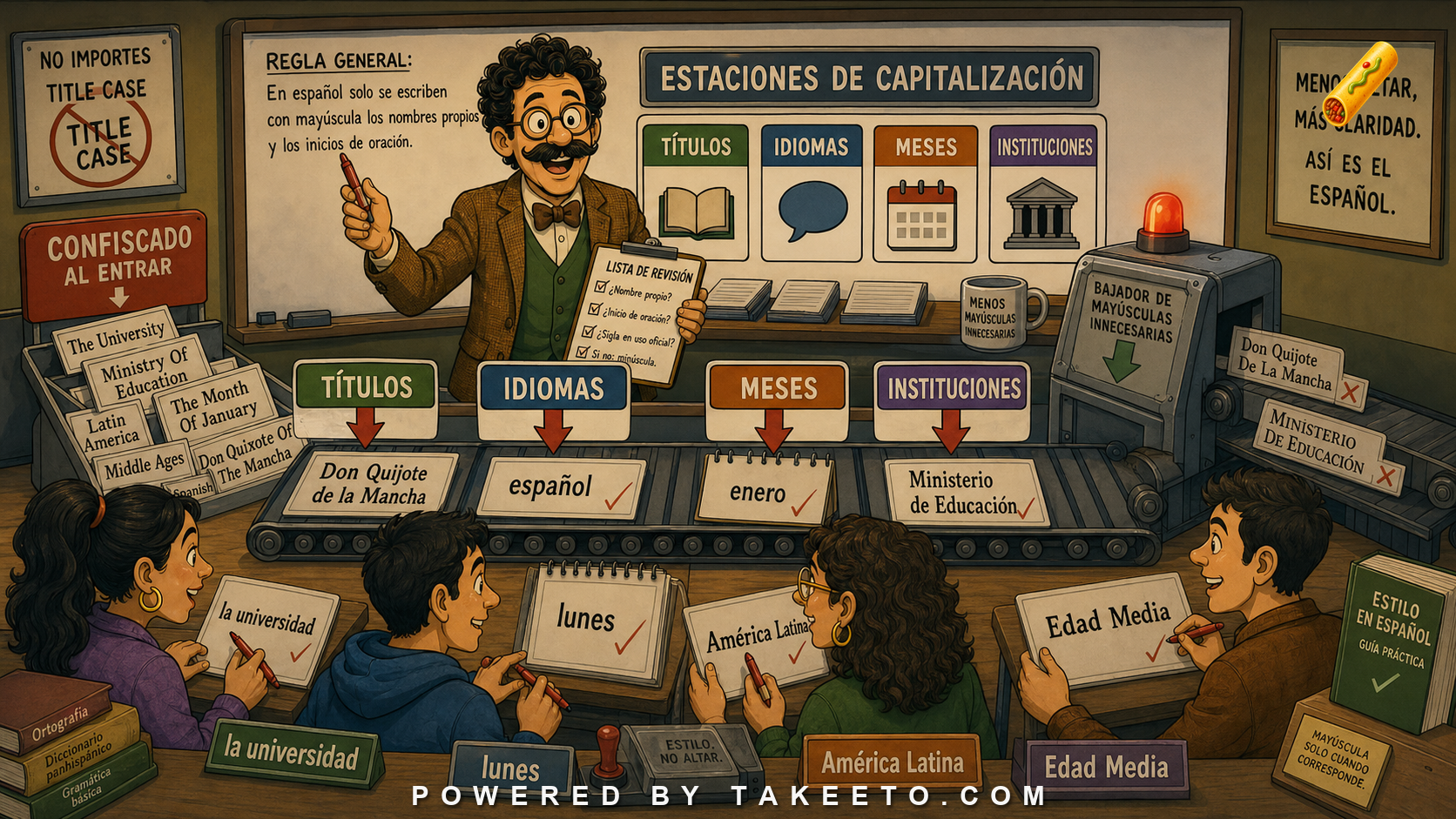
The reader can apply Spanish capitalization norms instead of importing English title-case habits.
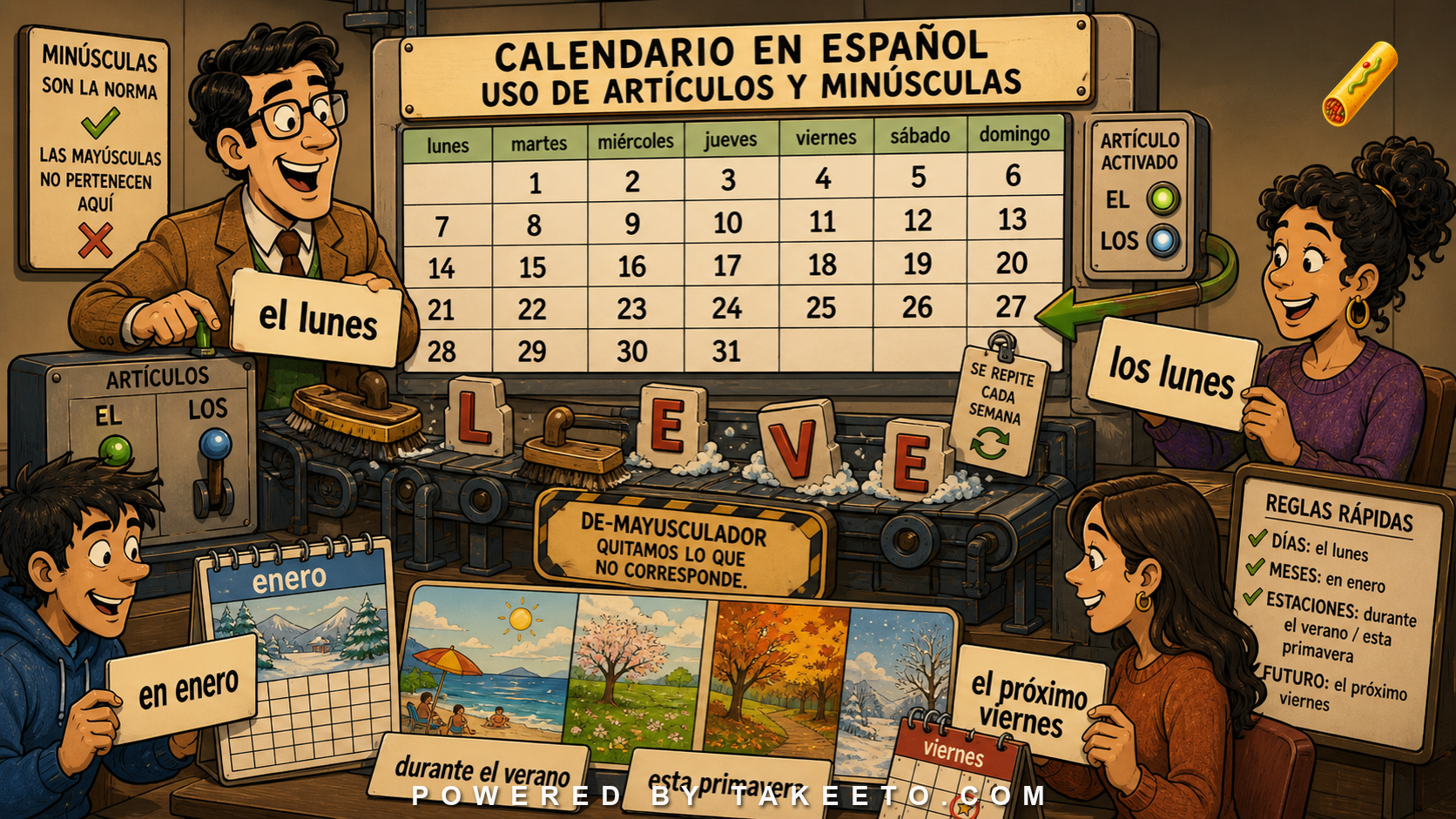
The reader can use calendar vocabulary in natural Spanish.
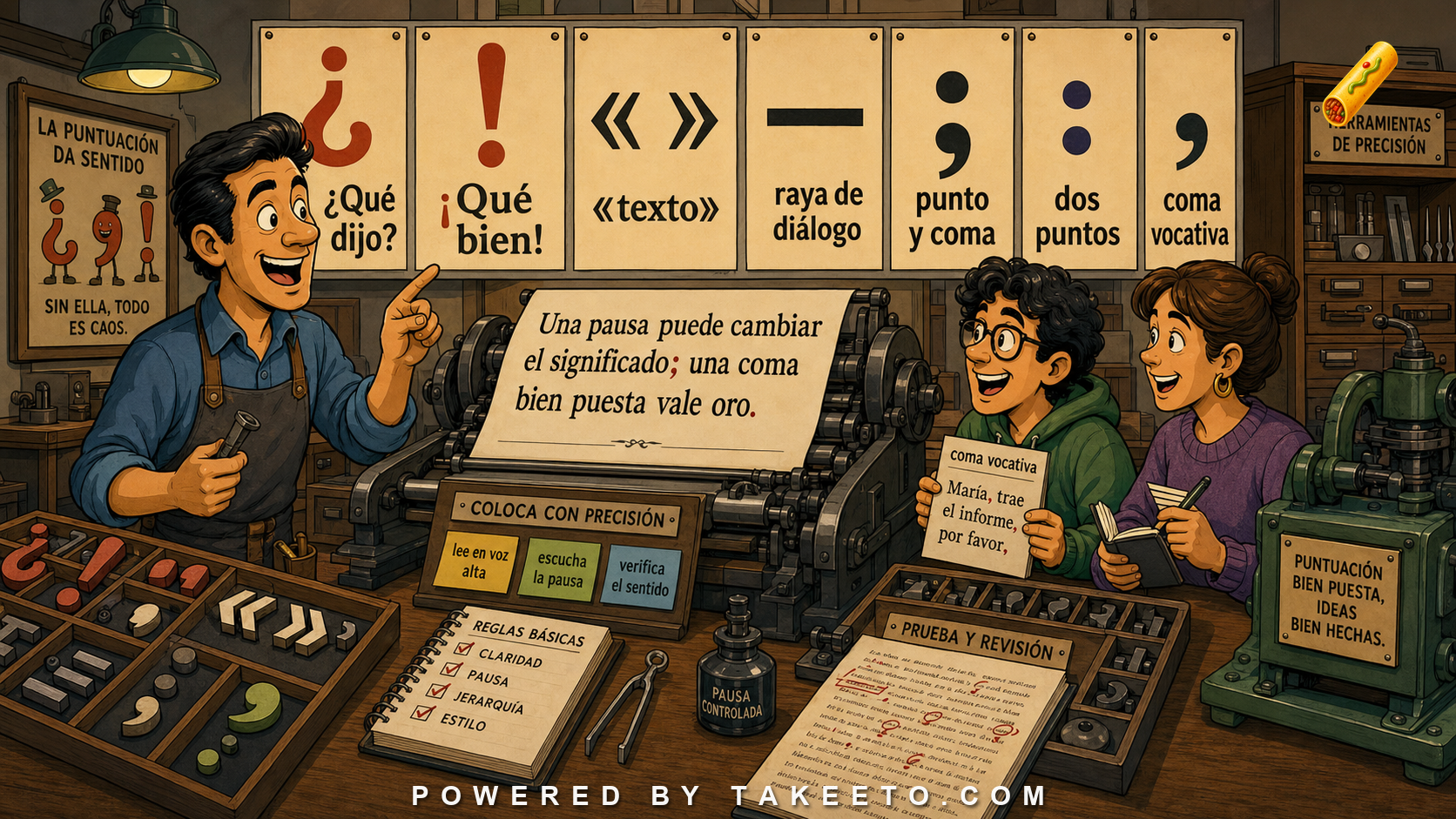
The reader can read and write Spanish punctuation in formal prose and dialogue.
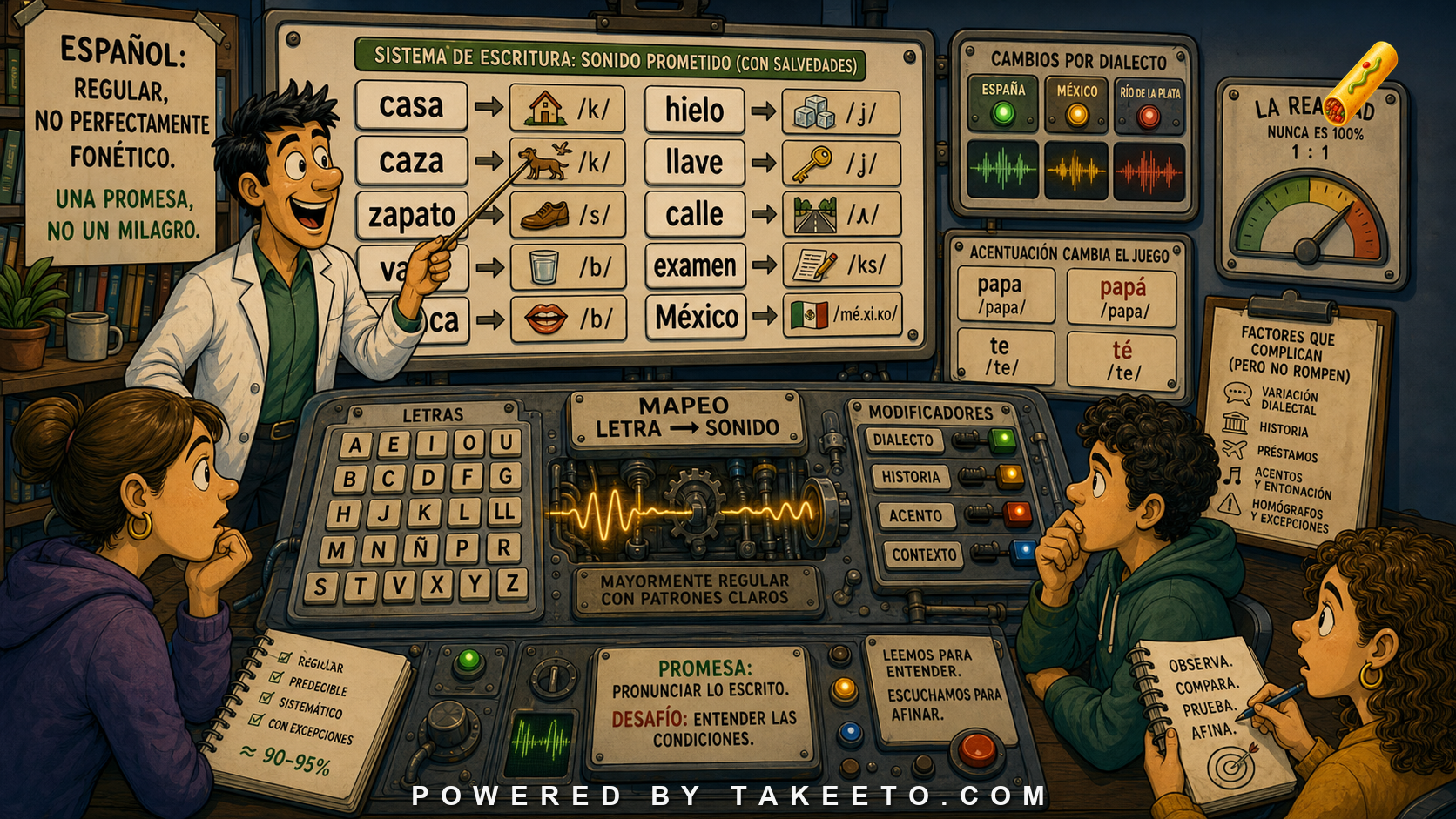
The reader understands Spanish spelling as a mostly regular mapping system with dialectal, historical, and stress-related complications.
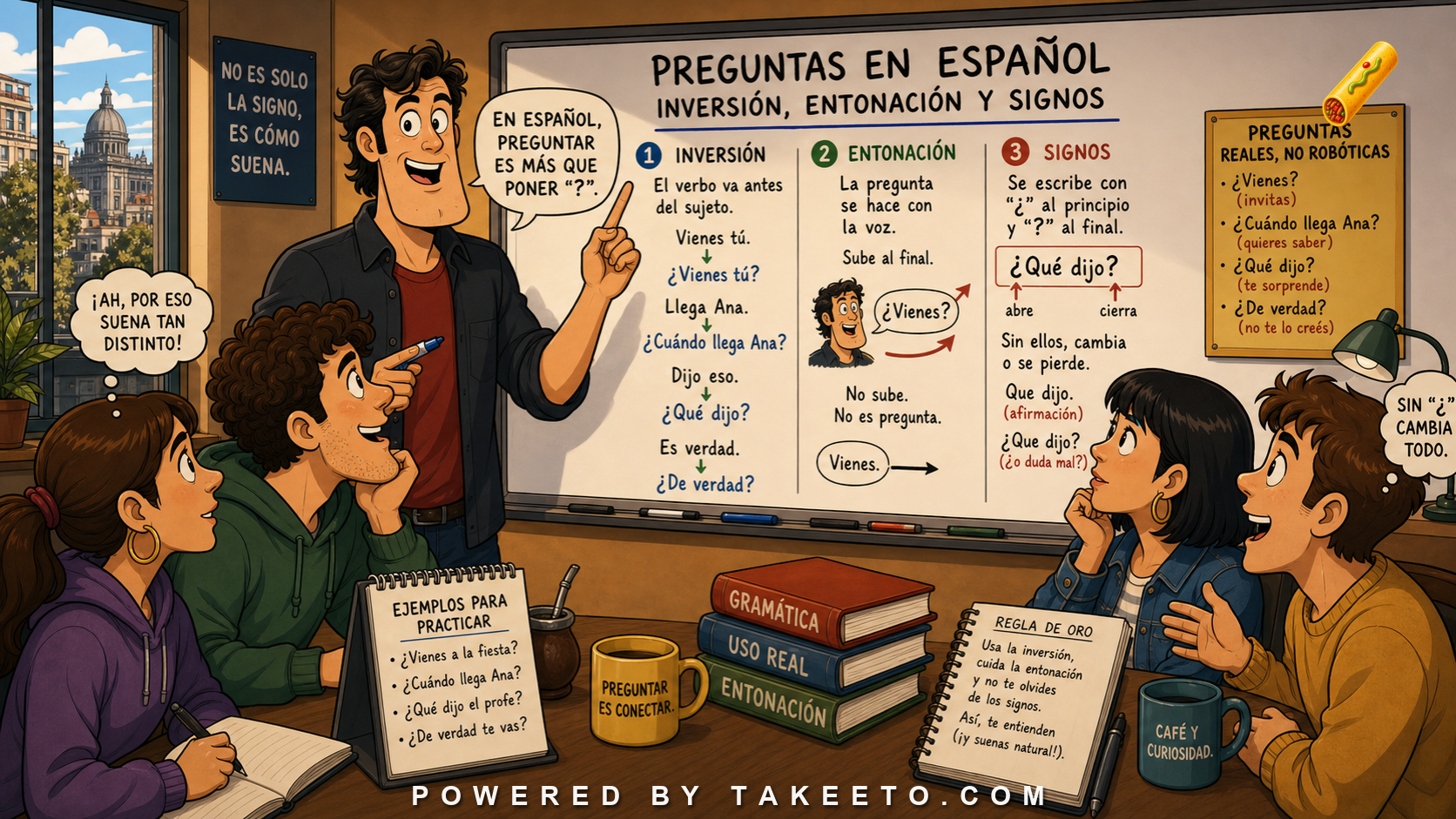
The reader understands Spanish question formation beyond adding question marks.

The reader can evaluate whether learning audio is useful, accurate, and consistent.
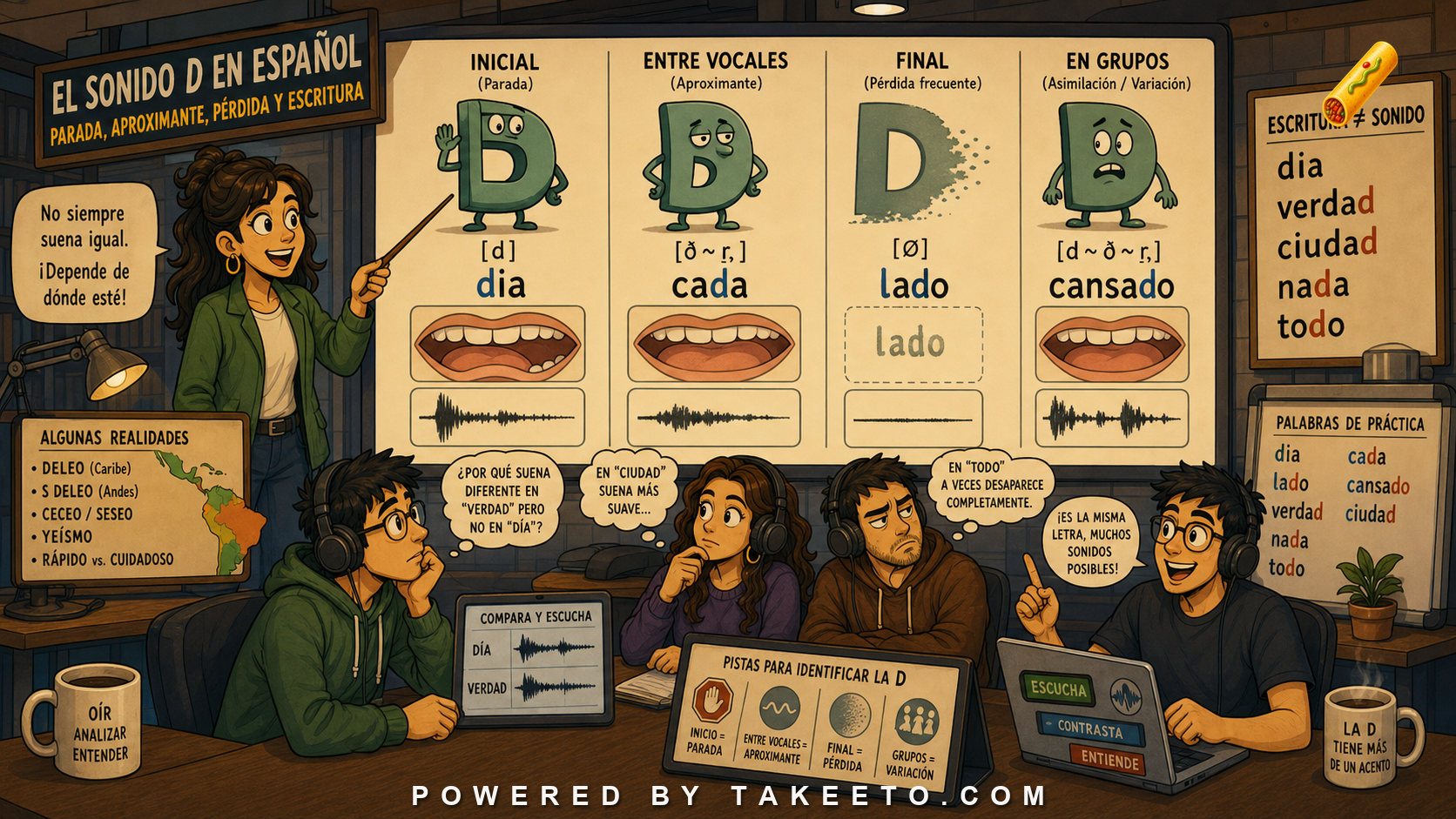
The reader can hear and analyze Spanish d variation across contexts and regions.
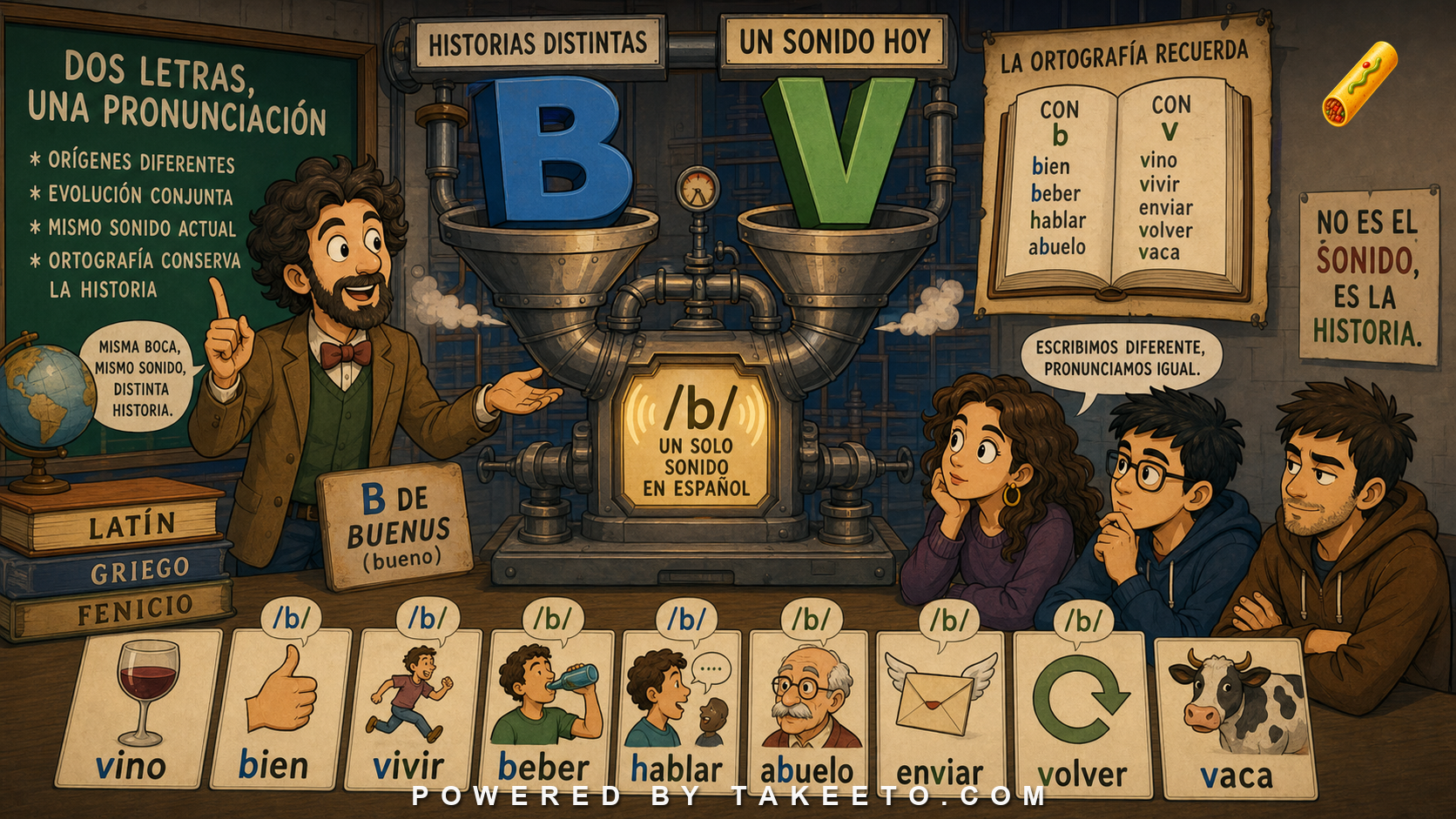
The reader understands why b and v are normally not separate sounds in modern Spanish and why spelling still preserves the distinction.
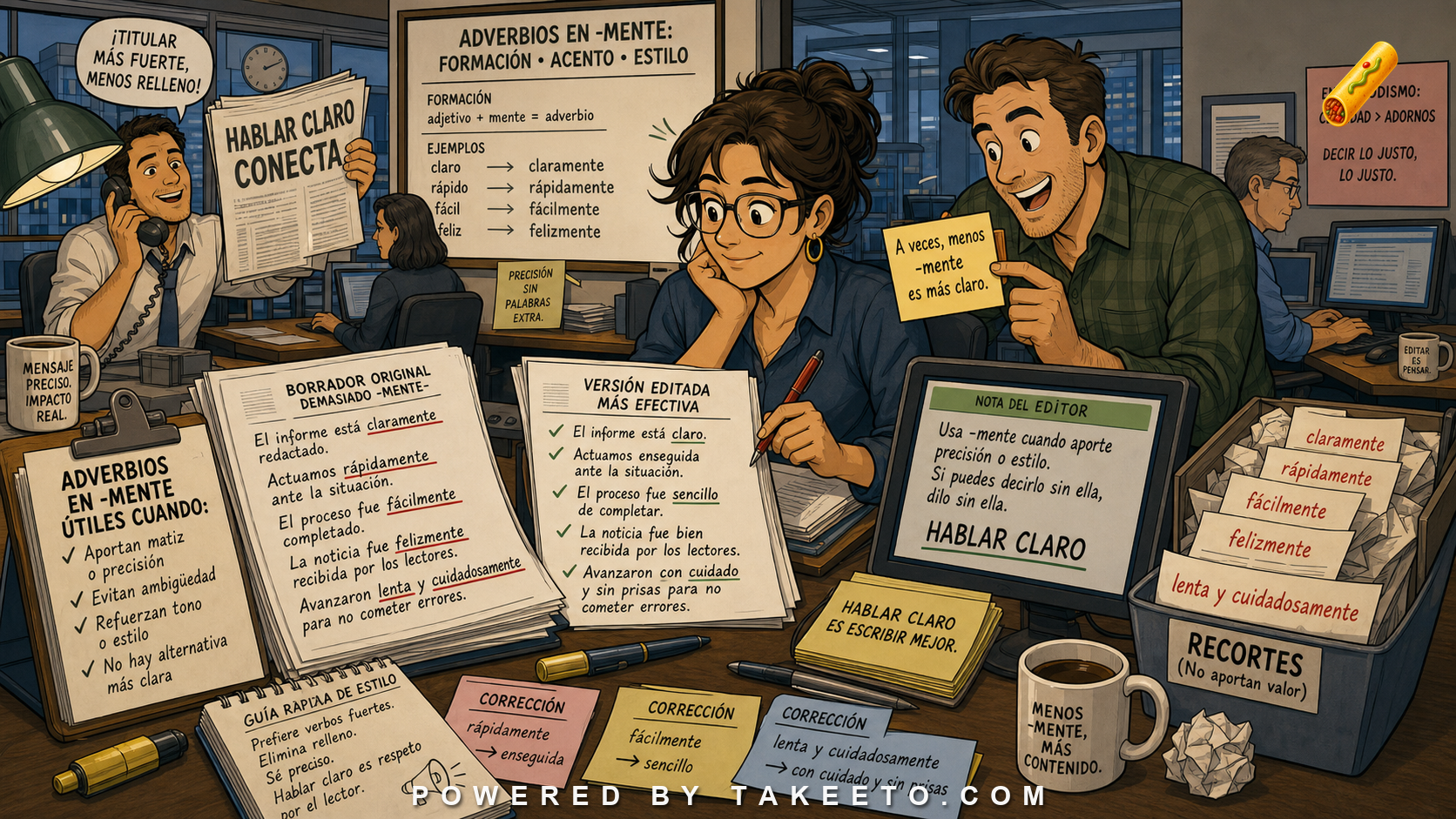
The reader can form -mente adverbs and understand their written-register weight.
The reader can separate auditory perception, intentional listening, and sound production.
The reader can use shadowing to improve rhythm and articulation while respecting regional models.
The reader can describe Spanish vowels as stable phonemes rather than English-style moving targets.
The reader can distinguish interrogative/exclamative words from relative and conjunction forms.
The reader can use titles and honorifics appropriately.
The reader can recognize nasal place assimilation as normal Spanish phonetics.
The reader can explain why casa and caza may or may not sound alike depending on region.
The reader sees why isolated-item audio must be especially accurate, because it often becomes the learner’s first sound model for a Spanish word or phrase.
The reader can approach older Spanish documents without assuming modern spelling and style.
The reader can explain why h is written but not pronounced in most Spanish words.
The reader can decode common Spanish abbreviations in formal and everyday texts.
The reader can approach Spanish poetry through sound structure, not only translation.
The reader can analyze Spanish pronunciation using basic linguistic categories.
The reader can predict default stress, explain written accents, and avoid treating accent marks as decoration.
The reader can approach Chilean Spanish as a coherent system rather than a comprehension failure.
The reader can interpret Spanish place names and their grammar.
The reader can distinguish vowel sequences and understand accent marks that break diphthongs.